







Introduction:Jamaica Blue Mountain No. 1 is the pinnacle of specialty coffee worldwide, yet the market is flooded with counterfeits, making it difficult to discern the genuine article. This article delves into the authentic growing regions and altitude conditions of Blue Mountain coffee, explores the outstanding performance and grading system of the Clifton Estate, and details the washed processing method, cupping flavor characteristics, and roasting techniques. It also provides practical tips for identifying authenticity and pour-over parameters to help you truly experience the richness and finesse of Blue Mountain No. 1.
Blue Mountain coffee is renowned worldwide for its rarity and high quality, becoming synonymous with specialty coffee in the minds of many. However, the true Jamaica Blue Mountain No. 1 certified by the Jamaican government is extremely limited, and most products labeled as “Blue Mountain” on the market are either imitations or blends. To truly understand orthodox Blue Mountain, one must start with its growing regions, altitudes, and grading system.
According to Jamaican official regulations, genuine Blue Mountain coffee can only be produced in four administrative regions in the eastern part of the country: Saint Andrew, Saint Thomas, Saint Mary, and Portland. These areas cover the eastern slopes of the Blue Mountains, with cultivation altitudes required to be between 1,000 and 1,700 meters, covering a total area of only about 6,100 hectares. Coffee grown outside these altitudes and regions, even if geographically close, can only be classified as High Mountain coffee or Jamaica Prime coffee. It is precisely because of this strict definition that many products labeled as “Blue Mountain” on the market actually do not meet official standards.
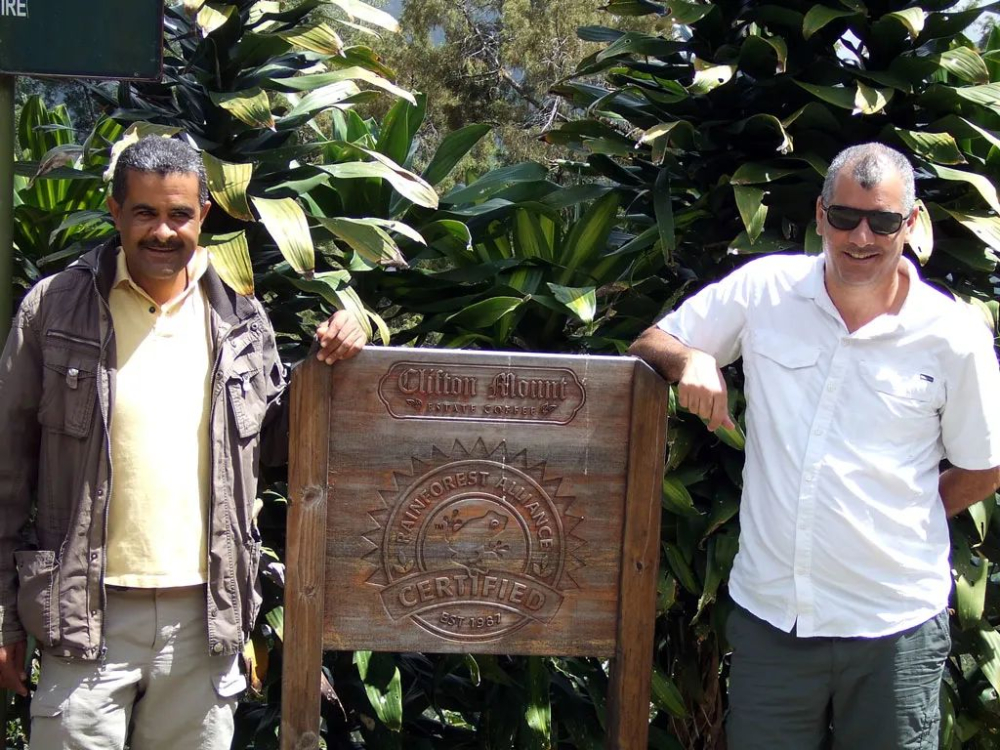
Among them, the Jamaica Clifton Mount Estate is one of the most representative producers in the Blue Mountain region. The estate is operated by the Sharp family, holds Rainforest Alliance certification, and is located in the Newcastle area, covering a total area of 250 acres, of which 180 acres are dedicated to coffee cultivation, with an average altitude of 1,310.64 meters (approximately 4,300 feet). The Blue Mountain No. 1 produced by this estate is highly praised for its excellent balance among acidity, body, and aroma.
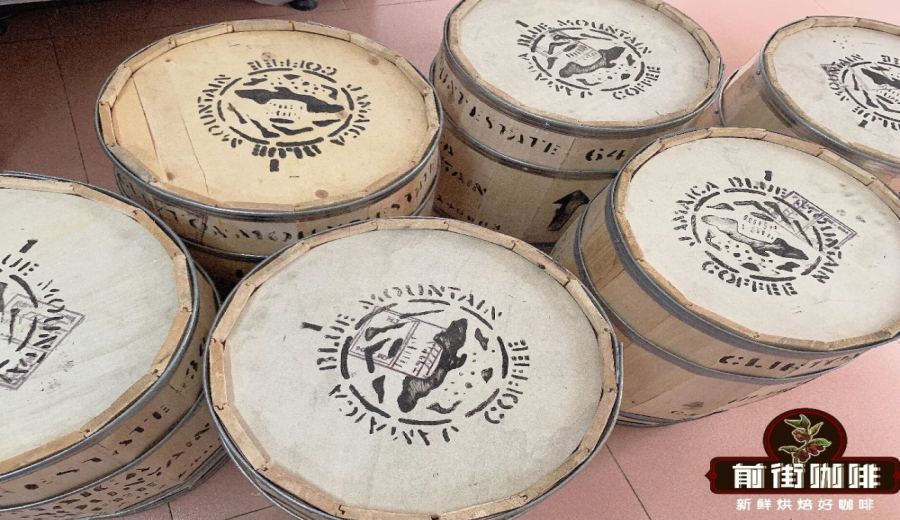
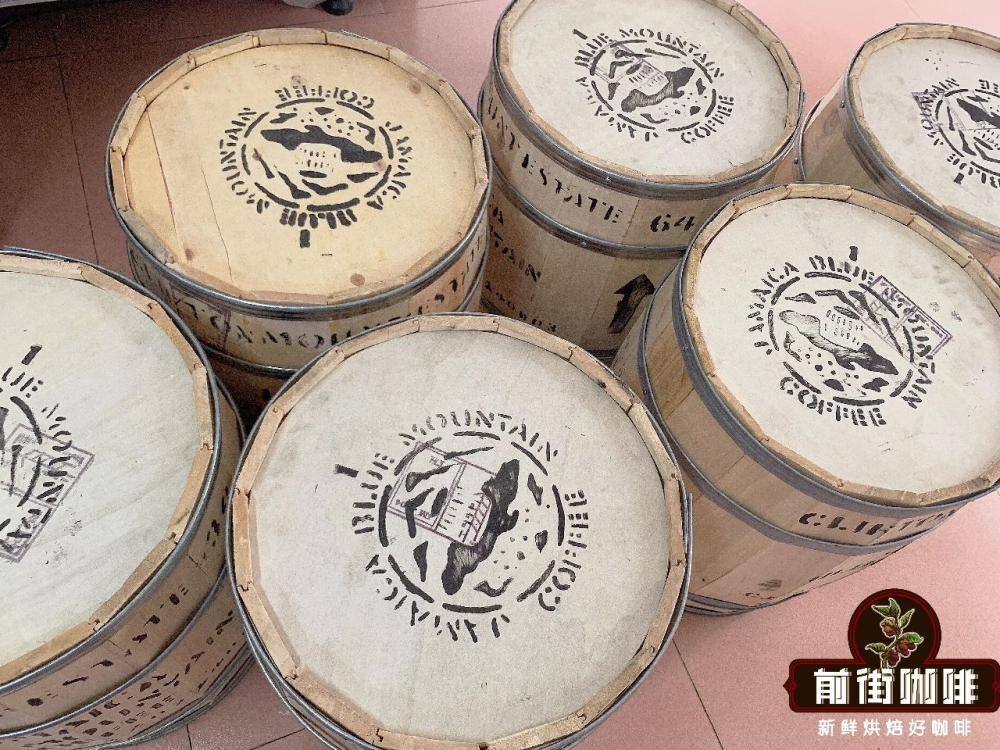
It is worth mentioning that the Blue Mountain region is the only coffee-producing area in the world that insists on shipping green beans in wooden barrels. This traditional method helps maintain the quality of the beans during transportation and has become a unique hallmark of Blue Mountain coffee.
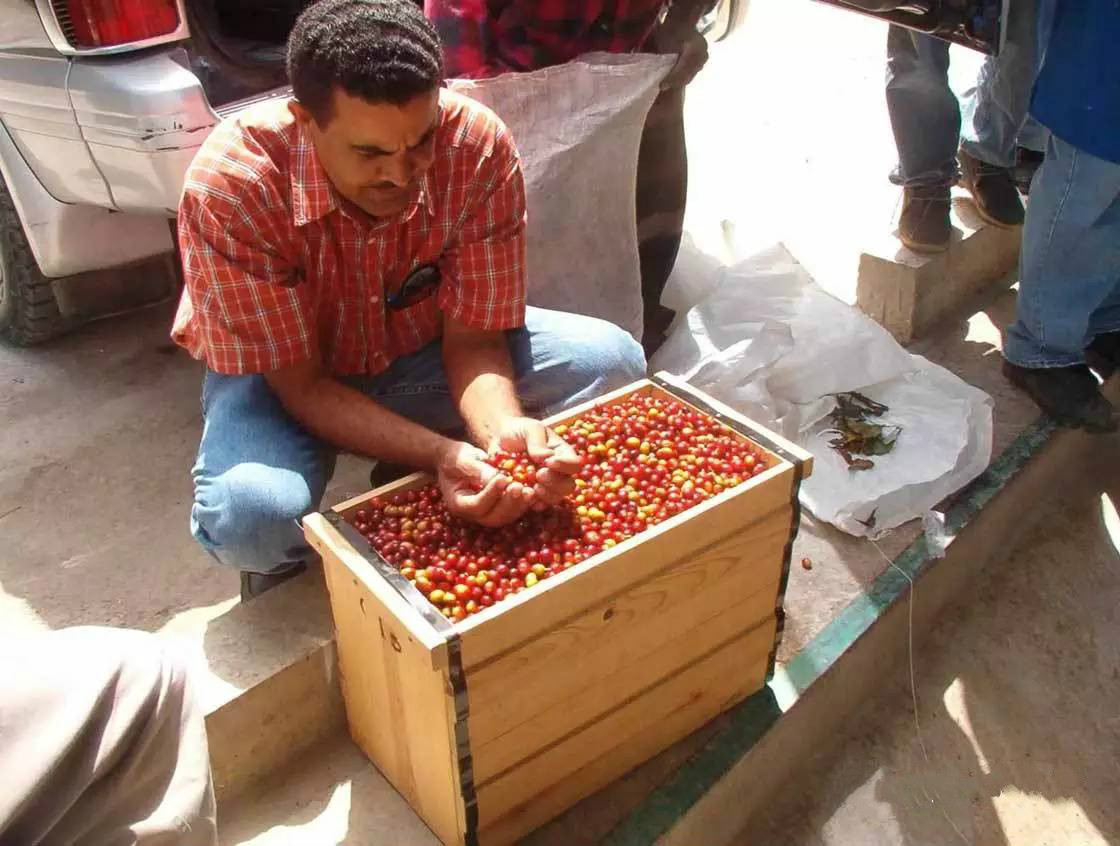
Currently, Blue Mountain No. 1 mainly uses the traditional washed processing method. This method involves using washing and fermentation processes to remove the skin, pulp, and mucilage. Farms need to set up washing channels and ensure a stable source of fresh water. The steps include: removing the skin and pulp, fermenting for 12 to 18 hours, then agitating and washing in the channel to remove residual mucilage until the bean surface is smooth. Washed coffee beans are still covered by the parchment layer, with a moisture content as high as 50%, and must undergo prolonged sun drying or mechanical drying to reduce the moisture content to 12–14% before screening and storage. Each step must be strictly controlled to ensure the purity of the final flavor.
In terms of grading, Jamaica Blue Mountain coffee is divided into three major categories based on quality: Blue Mountain Coffee, High Mountain Coffee (Jamaica High Mountain Supreme Coffee Beans), and Jamaica Coffee (Jamaica Prime Coffee Beans). Among them, Blue Mountain and High Mountain coffee are further subdivided into two grades, from highest to lowest: Blue Mountain No. 1, Blue Mountain No. 2, High Mountain No. 1, High Mountain No. 2, and the third grade collectively referred to as Jamaica Coffee. Peaberry beans are denoted as PB. According to CIB (Coffee Industry Board) standards, the minimum requirements for No. 1 Blue Mountain green beans include: bean size must be 17 mesh or above, defect rate below 3%, and moisture content around 13%.
In terms of roasting, Blue Mountain No. 1 emphasizes a “clear” roasting approach, aiming to fully release its unique flavor layers on the basis of moderate roasting. Among them, the caramelization reaction is key: when green beans dehydrate at approximately 153°C, they then enter the first crack stage, where sugars convert into carbon dioxide and various aromatic substances such as citric acid, quinic acid, and malic acid, collectively forming the complex yet mild aromatic profile of Blue Mountain coffee.
Recommended pour-over parameters are as follows: use a KONO filter, 15 grams of coffee grounds, water temperature controlled at 88°C, grind size at about 75% passing through a Chinese standard No. 20 sieve (medium-coarse), and a coffee-to-water ratio of 1:15. Use a three-stage pouring method: first, pour 30 grams of water for a 30-second bloom, then pour to 120 grams and pause, followed by pouring to 210 grams. This extraction time is around 1 minute and 55 seconds, helping to present the clean, soft, and long-lasting fruity sweetness unique to Blue Mountain No. 1.
For authenticity identification, judgment can be made from four aspects: first, appearance—genuine Blue Mountain green beans are bluish-green, medium to slightly small in size, and noticeably expanded and plump after roasting; second, grinding feel—the cell walls of high-altitude-grown Blue Mountain beans are looser, feeling crisp and smooth when hand-ground; third, aroma—the dry and wet aromas of true Blue Mountain coffee are both rich and layered, while counterfeit products often have weak aromas; fourth, taste—Blue Mountain No. 1 achieves an excellent balance of acidity, sweetness, and bitterness, with no single flavor overly dominant, and the finish carries a lingering fruity note, a key characteristic that other coffees struggle to replicate.
In summary, Blue Mountain No. 1 is more than just coffee—it is a symbol of quality and craftsmanship. Understanding its growing regions, grading, processing methods, and correct brewing techniques is essential to truly appreciating this precious taste from the Jamaican mountains.
The above content is compiled by CoffeeHunters, a coffee news website.


