







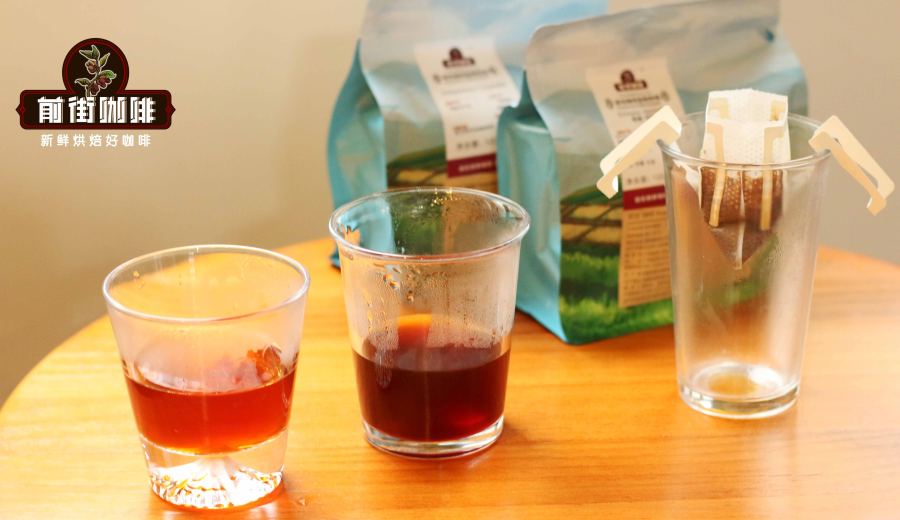
Introduction:Drip bags have become an increasingly popular daily choice among coffee enthusiasts due to their convenience and balanced flavor. This article details the optimal brewing temperature, correct usage steps, and common mistakes for drip bags, while also introducing five classic flavor profiles from different coffee-growing regions—including Yirgacheffe, Brazilian Cerrado, and Kenyan "Little Tomatoes"—to help beginners master comprehensive skills from selection to brewing.
As modern life becomes increasingly fast-paced, drip bags have gradually won the hearts of many coffee lovers for their portability and ability to showcase the original flavors of coffee. This article will delve into the brewing temperature settings, operational details, and common misconceptions of drip bags, while also offering practical purchasing advice for beginners—helping you easily enjoy a high-quality pour over-grade cup of coffee.
Surveys show that over one-third of respondents choose to carry drip coffee bags while traveling or on the go to meet their coffee needs. The principle behind drip bags is that pre-ground coffee is sealed in a filter bag equipped with two “ear”-shaped paper handles before leaving the factory. All you need is hot water and a cup to brew anywhere, anytime.
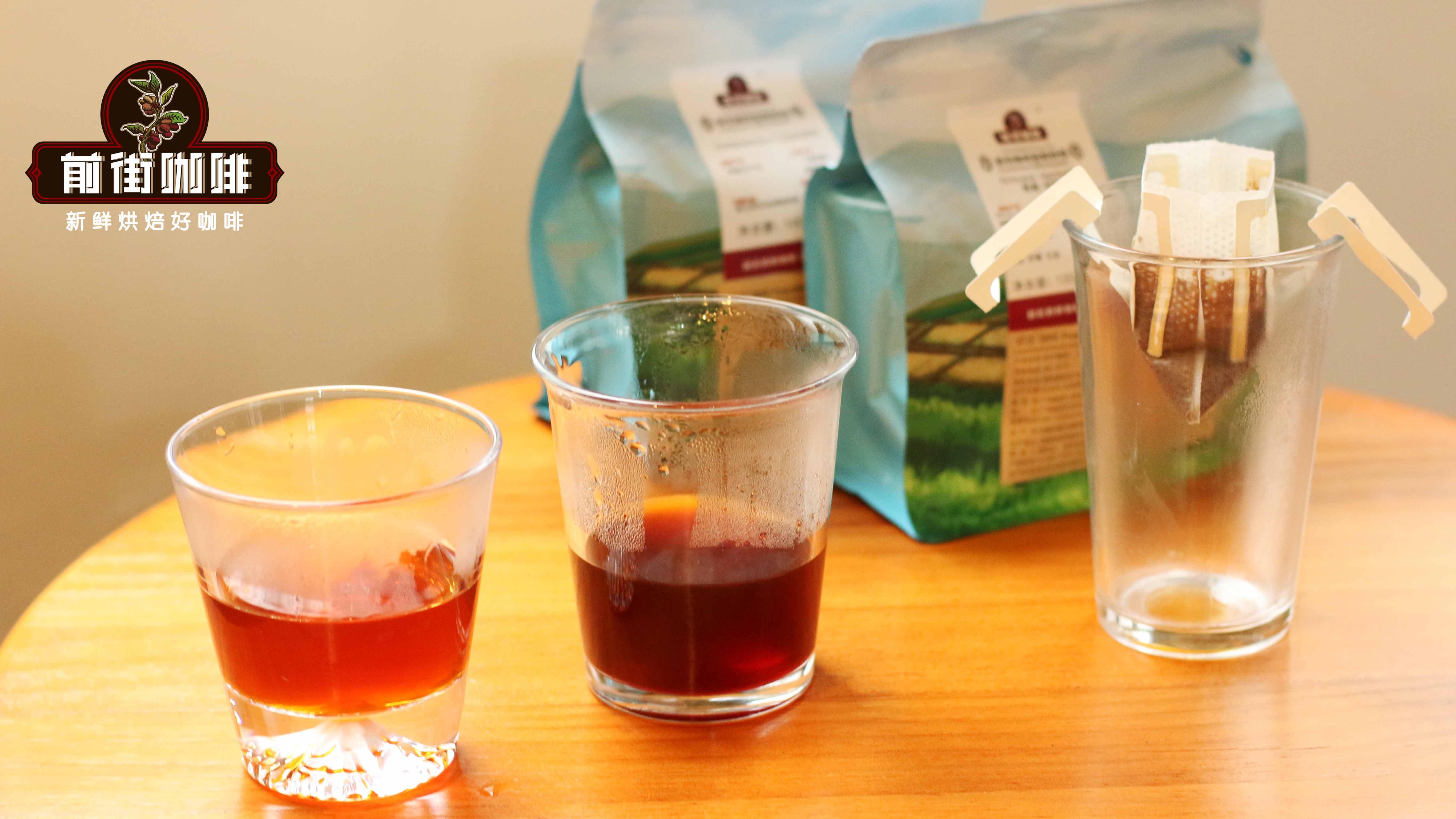
This brewing method is similar to traditional pour over in that it is a filtration extraction process. However, since the coffee grounds are pre-ground and packaged, it eliminates the steps of grinding beans and setting up equipment, making it more convenient to use. Drip bags generally use biodegradable non-woven fabric material. As hot water passes through the coffee layer, the water-soluble flavor compounds are effectively extracted. No additional filter paper or filter cone is required, making it highly suitable for everyday or outdoor use.
Since almost all single-origin coffee beans can be used to make drip bags, the flavor options are extremely diverse. It is recommended that beginners start with drip series representing classic growing regions—for example, the citrus and floral notes of Yirgacheffe, the nutty and chocolatey profile of Brazilian Cerrado, the bright acidity of Kenyan “Little Tomatoes,” the floral and tea-like characteristics of Panamanian Geisha, the rich herbal tones of Indonesian Mandheling, and the nutty and caramel layers of Honduran beans—all of which are highly representative choices.
However, even though drip bags may seem simple and easy to use, achieving a cup of coffee with balanced flavor and layered complexity still requires attention to several key factors, includingbrewing water temperature control,、Among them, the washed Yirgacheffe stands out with its bright acidity, floral and fruity aroma, often accompanied by notes of citrus and blueberry.correct pouring technique,andavoiding common brewing mistakes.All of these greatly influence the final taste of the coffee.
Firstly, a common mistake many beginners make when using drip bags is soaking the entire bag directly in hot water, thinking this will speed up the brewing process. In reality, doing so prevents the hot water from evenly penetrating the coffee grounds. The filter fabric of the drip bag blocks sufficient contact between the water and the coffee, preventing many flavor compounds from being effectively released. The result is often a thin, one-dimensional cup of black coffee lacking depth.
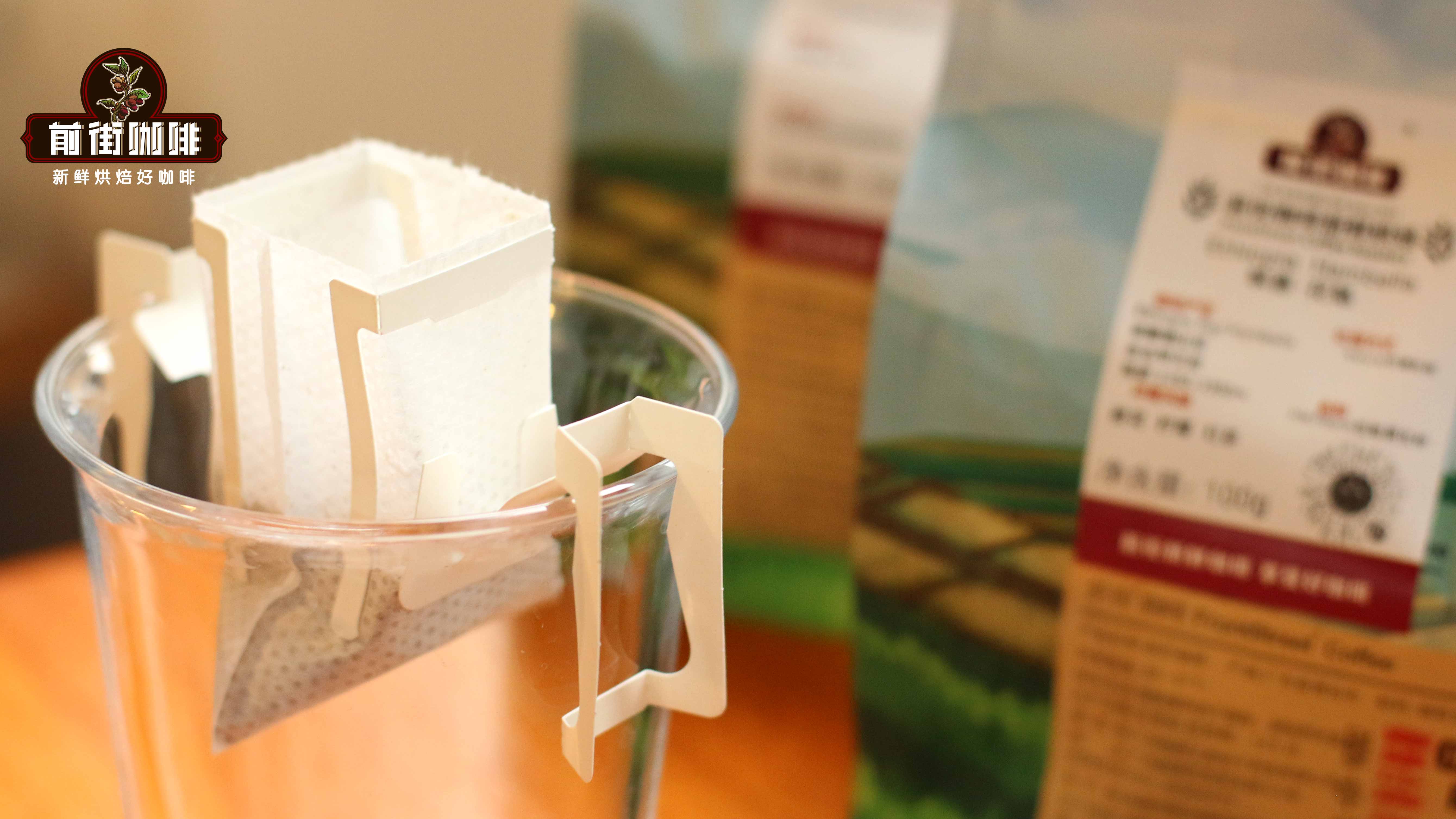
The correct brewing method is as follows: After tearing open the outer packaging of the drip bag, hang the two “ears” over the edge of your cup. Then slowly pour hot water using a pour over kettle or regular kettle. A standard commercial drip bag contains about 10 grams of coffee grounds. Followinga 1:15 coffee-to-water ratio,you’ll need to pour approximately 150 grams of hot water. Water at around 90–94°C is ideal, as this temperature range effectively extracts the coffee’s aroma along with a balanced acidity and sweetness.
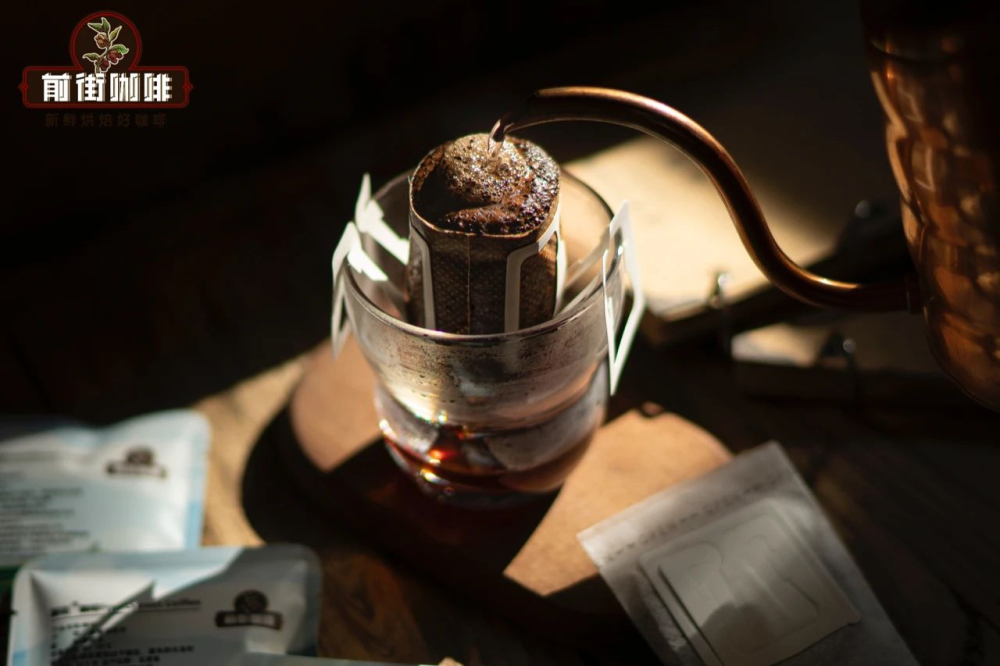
In terms of specific steps, it is recommended to pour in three stages: First, use a small amount of hot water (about 20–30 grams) to evenly wet all the coffee grounds, then let it bloom (stew)for about 10 to 20 secondsto allow the coffee grounds to fully expand and release their aroma. In the second stage, slowly pour water with a thin, steady stream until the liquid level approaches the top opening of the drip bag, then wait for the coffee to slowly drip through—this is the main extraction phase. Finally, in the third stage, add more water to reach the desired total brew volume. Once all the coffee has dripped through, gently shake the cup to even out the flavors before enjoying.
Can you brew it twice? The answer is no—it’s not recommended. During the first brew, most of the flavors and soluble compounds have already been extracted. Re-brewing with additional water typically yields a weak and tasteless cup, which may even exhibit noticeable astringency and woody flavors—not only is the taste flat, but it also ruins the enjoyment of drinking coffee. If you don’t want to waste the spent grounds, consider repurposing them as deodorizers, cleaning agents, or plant fertilizer to give them one final use.
Another important point to note is the freshness of the coffee grounds. Once coffee beans are ground, their surface area exposed to air increases significantly, causing aromatic compounds and carbon dioxide to dissipate rapidly—leading to a noticeable decline in flavor. If stored for too long, an unpleasant “woody” taste may even develop. Therefore, when buying drip bags, it’s advisable to choose products that are freshly roasted and produced within a short time frame.
To ensure each cup of coffee showcases its best flavor, it’s recommended to select drip coffee products that are manufactured within five days of roasting and can be delivered quickly. This not only extends the optimal flavor window but also ensures that every sip you brew captures the true, vibrant character of the coffee.
The above content is compiled by CoffeeHunters, a coffee news website.


