







Category: Coffee Knowledge
Kenyan CTC Black Tea Grading and Tasting: Understanding Liquor Flavor through Particle Size
Loose leaf tea allows you to directly experience the texture and aroma of the leaves, making it an excellent way to deeply understand black tea. This article starts with the traditional grading standards of whole leaf black tea, analyzing the naming logic behind grades such as OP and FOP, then delves into the unique processing methods and particle grading system of Kenyan CTC black tea. By mastering the relationship between grades like BP1 and PF1 and the strength of the tea liquor, it helps you choose the black tea that best suits your taste. [more…]
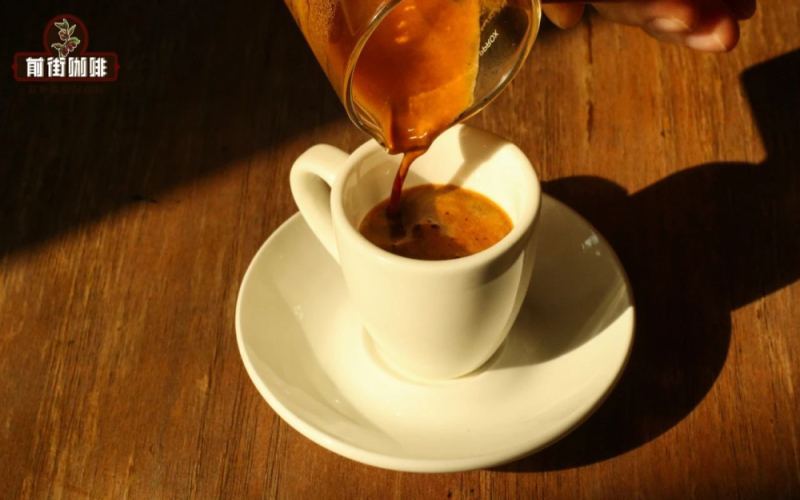
Mandheling Single-Origin Beans vs Espresso: A Flavor Comparison and Americano Brewing Parameter Guide
Do you prefer the rich woody aroma of Mandheling, or the intense crema texture of espresso? This article delves into the core differences between single-origin coffee and espresso, offering a comprehensive comparison from origin, processing methods, roast styles to extraction techniques. It focuses specifically on Mandheling beans from Sumatra, Indonesia, analyzing the unique characteristics of the wet-hulled process, SOE espresso, and Americano brewing. Professional-grade pour-over and machine extraction parameter recommendations are also provided to help you find your perfect cup based on taste preferences. [more…]

Panama BOP Competition Guide | How to Choose Between Emerald Gesha Red, Green, and Blue Labels? Complete Pour Over Parameters & Flavor Breakdown
The Panama BOP competition is a landmark event in the specialty coffee world. It not only promotes the refined development of Panamanian coffee but has also brought global fame to the Gesha variety from Hacienda La Esmeralda. This article provides an in-depth look at the origins of the BOP auction, and explores the sources, processing methods, plot characteristics, and flavor differences among the three main grades from Hacienda La Esmeralda: Red Label, Green Label, and Blue Label. We also offer expert pour over parameter recommendations to help you fully master the brewing techniques for these top-tier Gesha coffees. [more…]
What to do if your tea is too weak or too bitter? Tackle brewing mistakes and the risks of multiple infusions
Have you ever brewed a pot of tea only to find that it didn’t taste as expected—either too weak or overly bitter? This is often closely related to water temperature control, the condition of the tea leaves, and your brewing method. This article delves into the common reasons behind unsatisfactory tea flavor and offers practical adjustments—such as how to enhance aroma and sweetness by altering water temperature, leaf form, and steeping time. It also reminds you of the potential concerns of repeated infusions, helping you enjoy each cup of tea more scientifically. [more…]
The Big Reveal of Caffeine Content in Tea vs. Coffee: Which Has More, Green or Black Tea? Understand the Science of Alertness All at Once
Do you think black tea always has more caffeine than green tea? In fact, the caffeine content in tea leaves is not related to the degree of fermentation, but is influenced by multiple factors such as the part of the leaf harvested, the tea plant variety, and the season. This article delves into the truth behind tea caffeine, helping you understand which types of tea have a more noticeable alertness effect, and how L-theanine works synergistically with caffeine to deliver a unique sense of wakefulness. [more…]
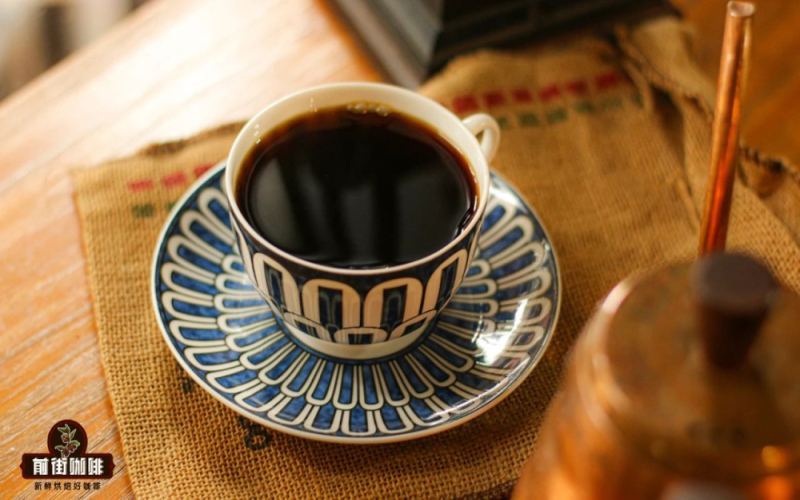
Flavor Analysis and Brewing Recommendations for Sumatra Golden Mandheling | Bean Selection Guide and Processing Method Revealed
Sumatra Golden Mandheling is renowned for its rich, full-bodied mouthfeel and unique spicy-sweet aroma, making it a classic choice for many coffee enthusiasts exploring dark-roast single origins. This article delves into its flavor profile and brewing parameters by exploring the regional background, varietal origins, wet-hulling processing technique, and the selection standards of Golden Mandheling. It also introduces the background of the common Ateng variety, helping you gain a deeper understanding of this iconic Indonesian coffee. [more…]
How to distinguish between ancient tree tea and wild tea? Unveiling the characteristics and tasting value of tea
Many people mistakenly believe that wild tea is the ultimate premium tea, but in fact, the definitions of wild tea and ancient tree tea are quite different. This article will guide you through the four types of wild tea — including ancient tea trees, forest tea trees, minimally pruned tea trees, and natural variety trees — and provide an in-depth analysis of the unique characteristics, nutritional advantages, and tasting experience of ancient tree tea. This will help you more accurately identify the origin and value of your tea. [more…]
Analysis of the Color Depth of Black Tea Brews | Learn How to Identify Dyed Tea Leaves
The color of tea liquor is not just a visual pleasure—it reflects the quality of the tea leaves, their processing methods, and how they have been stored. This article delves into the key factors that influence tea liquor color, including tea variety, oxidation level, roasting technique, aging duration, and brewing methods. It also provides practical tips and precautions for identifying whether black tea has been artificially dyed through its brew color, helping tea and coffee enthusiasts decode the color secrets in their cups. [more…]
A Complete Guide to Chaozhou Gongfu Tea: History, Characteristics & Traditional Brewing Methods
Gongfu tea is not the name of a specific type of tea, but rather a traditional tea art form originating from Chaozhou, Guangdong. It emphasizes the use of refined utensils and meticulous brewing techniques. This method later integrated elements of Taiwanese tea art and Japanese tea ceremony, forming a unique representation of Chinese tea culture. This article will take you deep into the historical roots of Gongfu tea, the types of tea commonly used, and provide a detailed breakdown of the standard brewing process, helping you master this detail-oriented tea drinking art. [more…]
Complete Guide to Chaozhou Gongfu Tea: Eight-Step Brewing Method & Golden Tea-to-Water Ratio
Chaozhou Gongfu Tea is one of the most representative strong tea brewing methods in Chinese tea culture, renowned for its high tea leaf quantity and quick extraction. This guide thoroughly explains the traditional eight-step brewing process, optimal teaware selection, and the golden tea-to-water ratio, taking you deep into the essence of this tea art originating from Chaozhou, Guangdong. Whether you’re a beginner or a seasoned tea enthusiast, you’ll gain practical tips. [more…]
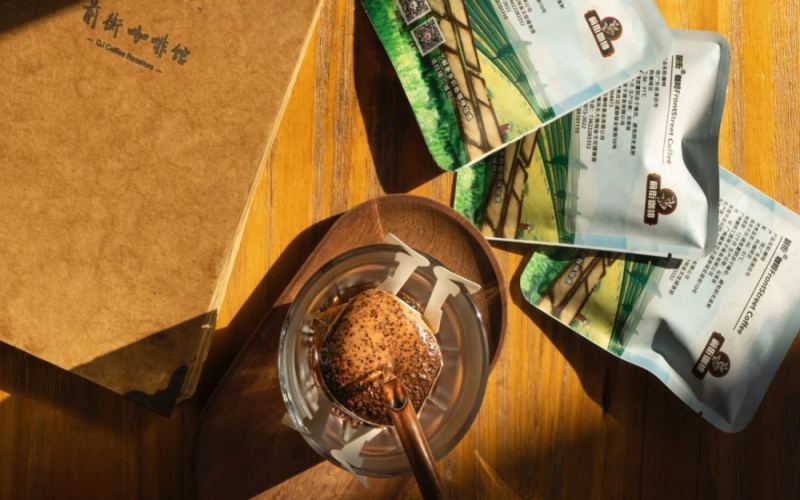
Premium Drip Bag Coffee Brewing Guide: A Comprehensive Breakdown of Water Temperature, Water Volume, and Re-Brewing Myths
Drip bag coffee is a convenient choice for many busy individuals to enjoy pour over-grade flavors. However, brewing a cup of black coffee with clear layers and balanced flavor involves subtle techniques — from warming the cup, controlling water temperature, to mastering the pouring rhythm. This article provides an in-depth guide to the correct steps for brewing drip bag coffee, including pre-wetting time, water flow techniques, and ideal extraction parameters. It also debunks common myths such as whether you can re-brew multiple times and what the optimal drinking window is, helping you consistently achieve a professional-level coffee experience with simple tools. [more…]
What type of oolong tea is Tieguanyin? A comprehensive guide to the differences in Anxi and Taiwanese processing techniques and brewing methods
As a renowned traditional Chinese tea, Tieguanyin is often categorized as an oolong tea, but in fact, its production techniques and flavor profiles vary greatly across different regions. This article delves into the classification of Tieguanyin within the tea spectrum, traces the origins of its name, details the differences in tea-making processes between Anxi and Taiwan — including key steps such as withering, shaking, and roasting — and compares the characteristics of lightly fermented floral types with heavily roasted, intense aroma types. Finally, it offers expert-level gongfu tea brewing recommendations to help you fully appreciate the charm of this classic tea. [more…]
Guide to Ru Kiln Tea Ware Prices & Selection | Principles of Craquelure & Authenticity Identification Techniques
Renowned for its distinctive sky-blue glaze and craquelure patterns, Ru kiln tea ware is considered collectible-grade equipment by many tea enthusiasts. This article delves into the historical background, glaze characteristics, and the formation principles of craquelure in Ru kiln ware. It helps you understand the price range differences from a few hundred to several thousand yuan, and provides key points for identifying authentic pieces along with practical maintenance advice—assisting you in selecting suitable Ru porcelain tea ware within your budget. [more…]
Analysis of the Price Differences Between Da Hong Pao and Wuyi Rock Tea | How to Choose Between Single-Varietal and Blended Types?
As a classic among Wuyi Rock Teas, the price of Da Hong Pao ranges from affordable to sky-high, often leaving consumers puzzled. So, how much does an authentic jin (500g) of genuine Da Hong Pao cost? What is its connection to Wuyi Rock Tea? This article takes an in-depth look at the current market status of Da Hong Pao, the differences between single-varietal and blended types, and introduces you to classic varieties within Wuyi Rock Tea such as Shuixian, helping you make smarter choices when selecting your favorite rock tea. [more…]
How to Choose Tea Set Materials? An Analysis of How Ceramic, Stoneware, and Porcelain Affect Tea Flavor
Choosing the right tea set isn't just about aesthetics—it directly influences the aroma and taste of the tea liquor. This article provides an in-depth analysis of the material characteristics, firing processes, and flavor impacts of the three main types of tea sets: ceramic, stoneware, and porcelain. It helps you select the tea set that best highlights the true essence of different tea types, thereby enhancing your overall tea tasting experience. [more…]

Tasting Notes of Indonesian Golden Mandheling | Who Is It For? One-Stop Guide to Pour Over Parameters & Unique Characteristics
Golden Mandheling is considered the premium quality among Indonesian Mandheling coffees, boasting a rich yet refreshingly clean profile. This article delves into the historical background of Indonesian coffee, the origin of the name "Mandheling," and the distribution of coffee-growing regions. It also provides an in-depth look at the selection criteria, flavor profile, roasting recommendations, and optimal brewing methods for Golden Mandheling. Whether you're new to single-origin coffee or an experienced coffee enthusiast, you'll find practical guidance on selection and brewing here. [more…]
Fashion brands crossing over into coffee: UNIQLO’s Ginza flagship store launches UNIQLO COFFEE for the first time
What happens when fashion brands meet cafés? UNIQLO has opened its first café, “UNIQLO COFFEE,” on the top floor of its flagship store in Tokyo’s Ginza district, marking yet another example of the fusion between fashion and beverages. From LVMH to MARNI, an increasing number of brands are using coffee as a new vehicle for brand extension. This article takes an in-depth look at the innovative design of UNIQLO’s café, the business strategy behind this crossover, and how this trend is reshaping the coffee industry ecosystem. [more…]
Brazil's coffee exports plunge 27%, global prices surge — what impact is the coffee industry facing?
In August 2024, Brazil's coffee exports plummeted by 27% year-on-year, with transportation bottlenecks and port delays causing industry losses of up to $500 million, driving global coffee prices up by nearly 50%. This article delves into the current state of Brazil's coffee production and sales, including the decline in exports, inventory sales progress, and the potential impact of weather changes on producing regions, helping coffee professionals and enthusiasts grasp market trends and supply chain challenges. [more…]
Can Dian Hong tea still be consumed after 10 years of aging? A complete guide to the storage and flavor evolution of Yunnan Dian Hong
Many tea enthusiasts are curious about the aging potential of Dian Hong tea, especially whether it remains suitable for drinking after ten years. This article delves into the processing characteristics, oxidation mechanisms, and aging potential of Yunnan Dian Hong tea, explores its transformation process similar to that of Pu'er tea, and explains that under proper storage conditions, Dian Hong can be stably stored for 10 to 15 years, with its flavors gradually becoming richer, mellower, and sweeter. It also provides practical storage tips and tasting pointers to help you gain a deeper understanding of this uniquely vibrant Yunnan red tea. [more…]
Who is Blue Mountain coffee suitable for? A complete guide to the flavor differences between washed and natural processing methods and how to identify authenticity
Blue Mountain coffee is renowned for its rich and balanced flavor, but do you know what kind of coffee lovers it suits? This article delves into the regional characteristics of Jamaican Blue Mountain No. 1, the background of the Clifton Estate, and its grading system. It also provides a practical brewing comparison between the washed and natural processing methods, along with recommended parameters for using the KONO filter. Additionally, it teaches you how to identify genuine products through details such as barrel packaging and Rainforest Alliance certification, while also introducing emerging offerings like Blue Mountain Geisha, giving you a comprehensive understanding of Blue Mountain coffee. [more…]