








Introduction:Blue Mountain No. 1 coffee is hailed as the finest in the coffee world, with its balanced and richly mellow flavor leaving a lasting impression. But do you know what water temperature and grind size to use when brewing it via pour over? This article delves into the origin of Blue Mountain No. 1, explores differences in processing methods, and offers expert-recommended pour over parameters: a water temperature of 88°C, a Komodo Dragon Ghost Tooth grinder set to 4.5 (approximately the size of coarse sugar crystals), and a brew ratio of 1:15. It also compares the flavor profiles of sun-dried and washed versions, and outlines three key identification tips to help you recognize authentic Blue Mountain coffee.
Blue Mountain No. 1 coffee beans are renowned worldwide for their balanced and richly mellow flavor, yet many coffee enthusiasts often wonder: What’s the ideal water temperature? Should the grind be fine or coarse? And how do the sun-dried and washed processing methods differ in flavor expression? This article starts by discussing the origin of Blue Mountain coffee, focusing on the growing environment and stringent grading system at the Clifton Estate in Jamaica. It details the recommended pour over parameters: water temperature of approximately88°C, using aKomodo Dragon Ghost Tooth grinder set to 4.5(around the size of coarse sugar),a brew ratio of 1:15, and provides a complete brewing procedure to help you easily master the optimal extraction method for Blue Mountain No. 1.
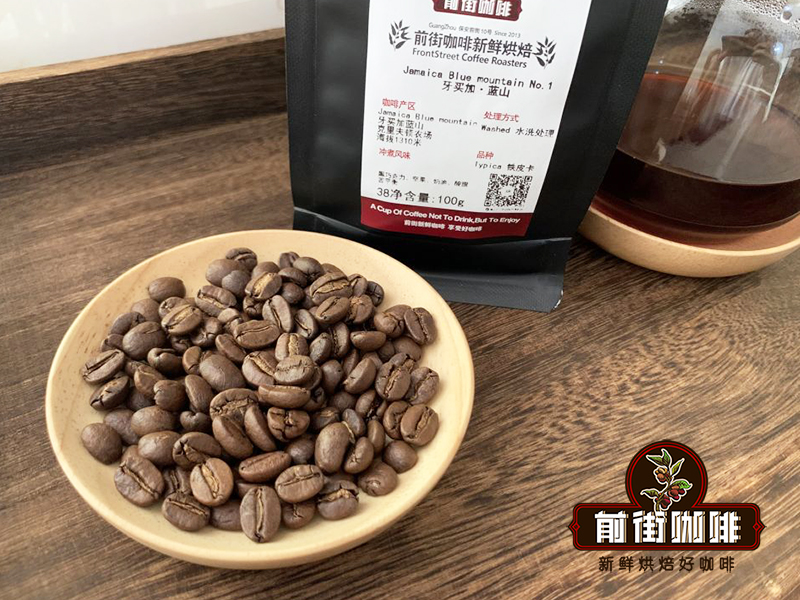
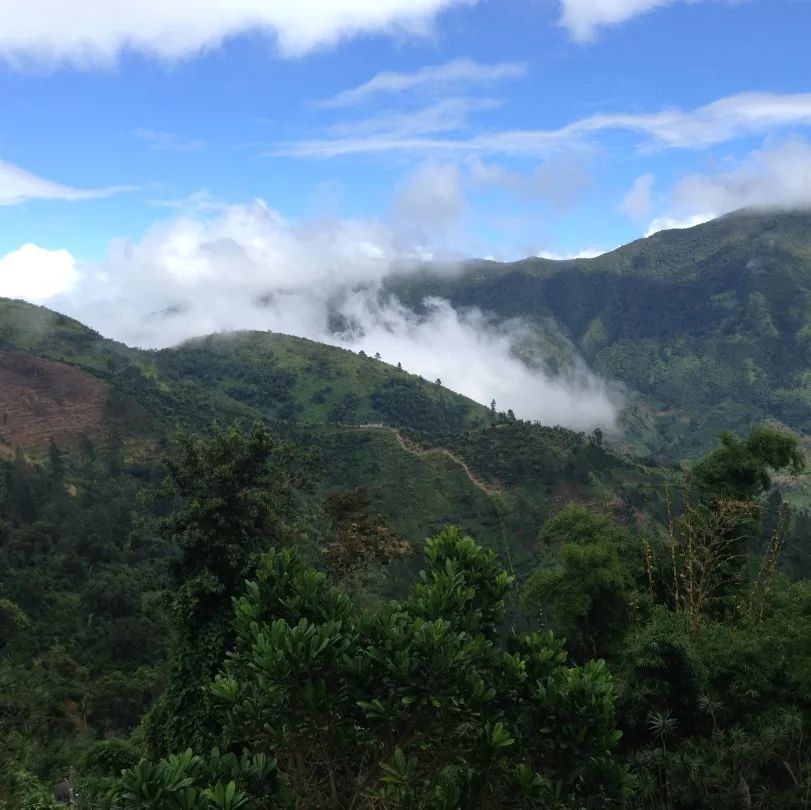
Blue Mountain No. 1 coffee beans come from the Clifton Estate in the Blue Mountains of Jamaica, located at an altitude of about1310 metersabove sea level. The cool and humid climate, combined with fertile volcanic soil, provides ideal growing conditions for coffee trees. The Typica variety grown here, traditionally processed via the washed method, exhibits a complex and balanced flavor profile of chocolate, nuts, and cream, with a well-proportioned acidity, sweetness, and bitterness, resulting in a rich and aromatic cup. However, since 2020, the Blue Mountain region has also begun experimenting with sun-dried processing, bringing a new layer of flavor to this classic origin.
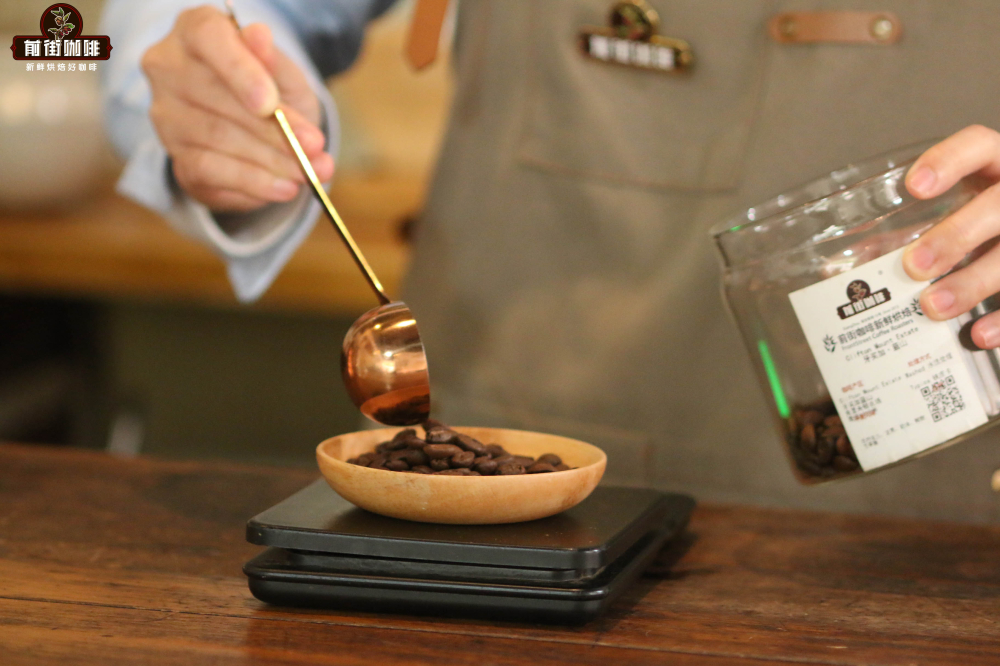
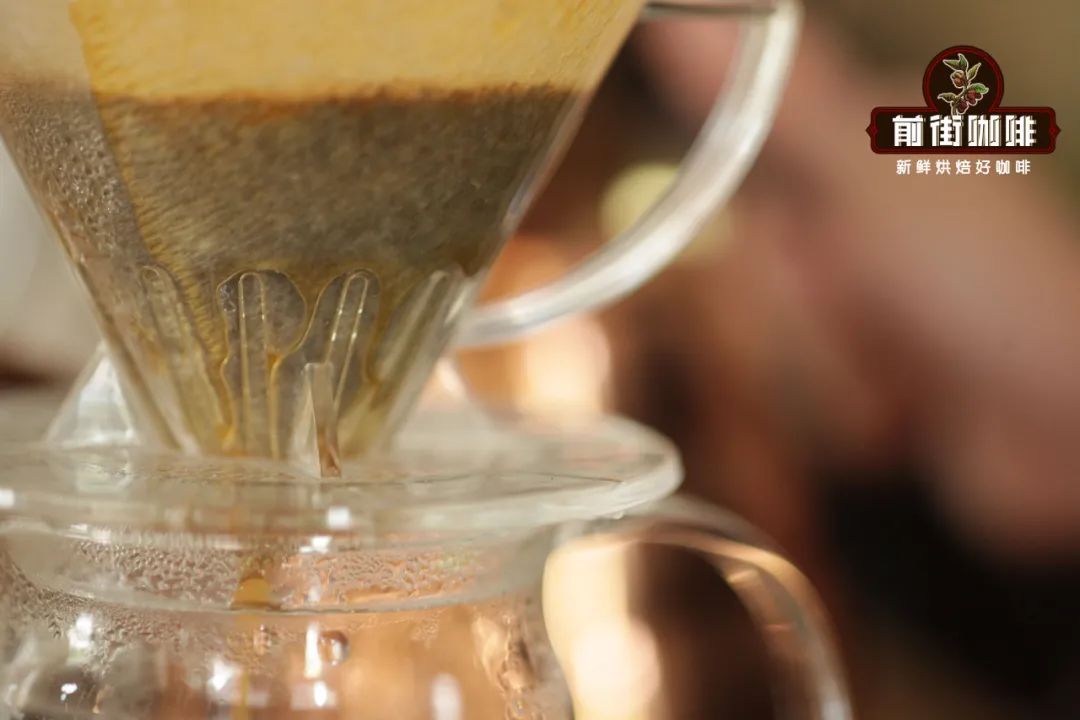
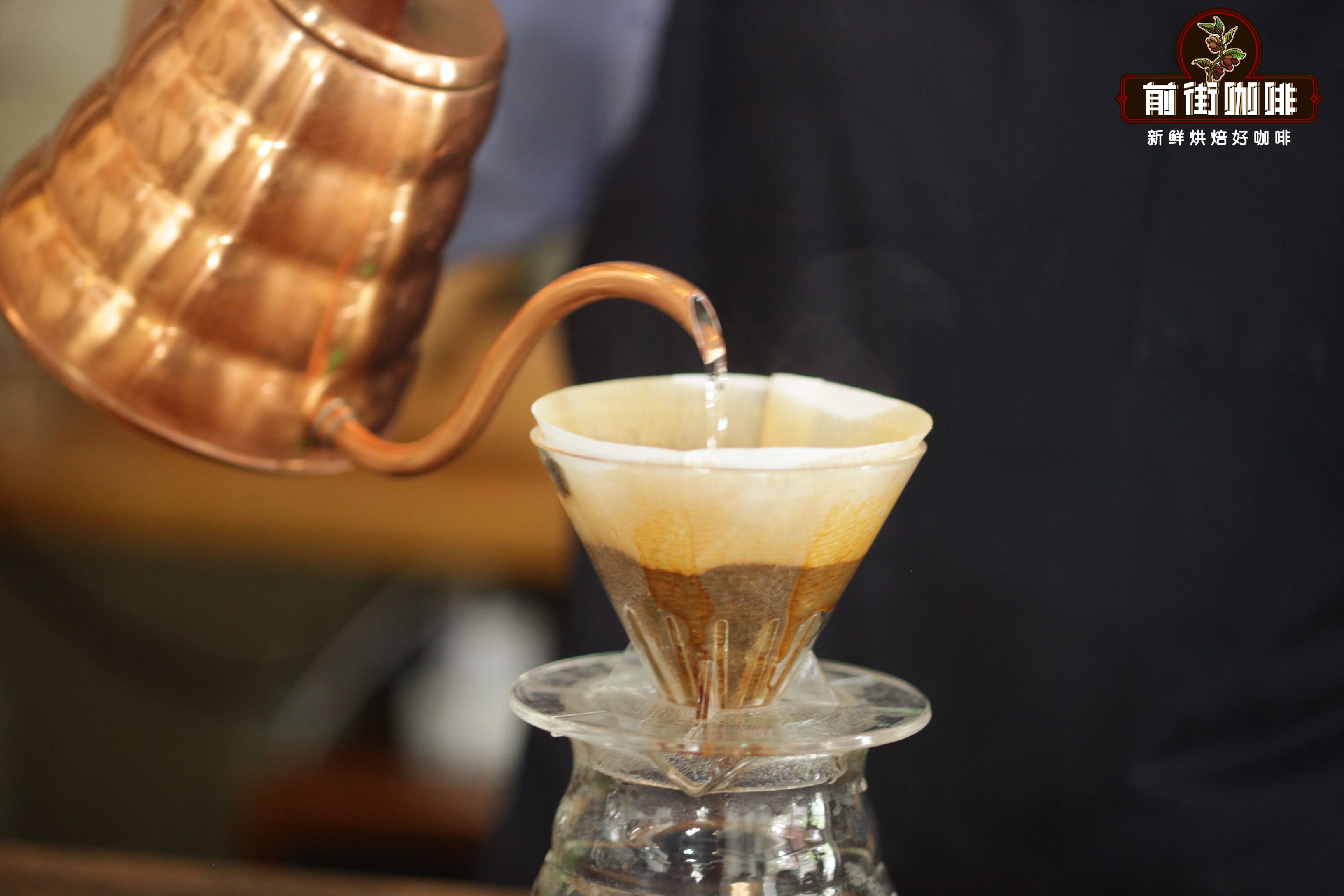
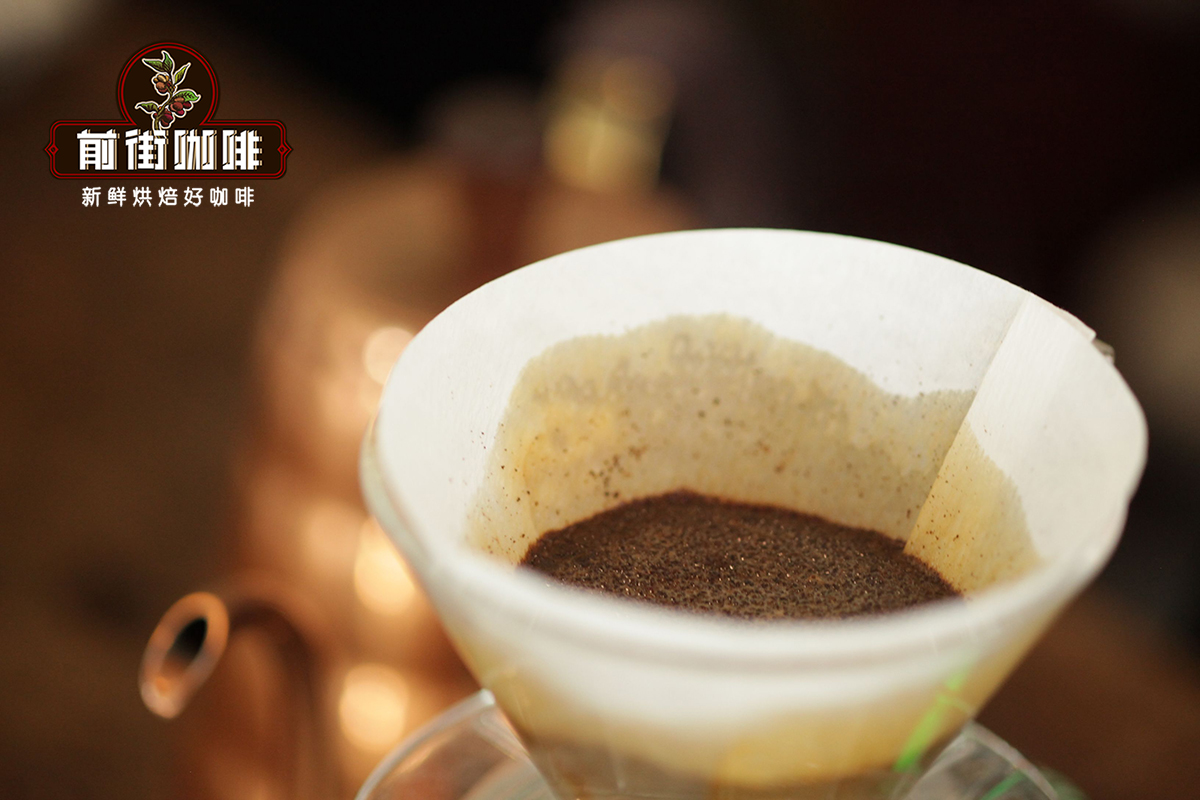
For actual pour over brewing, it is recommended to use a KONO filter cone, whose unique rib and bottom groove design helps control airflow and flow rate during extraction, resulting in a more even and mellow coffee flavor. The specific process can be followed as below: First, perform a 30-second bloom with30 grams of water, then continue pouring in small circles until reaching125 grams for the first pour, wait for the water level to drop, then pour up to225 grams total, and remove the filter cone just before the coffee bed is exposed. The total brew time should be kept around2 minutes, fully highlighting the delicate nuances and layered complexity of Blue Mountain No. 1.
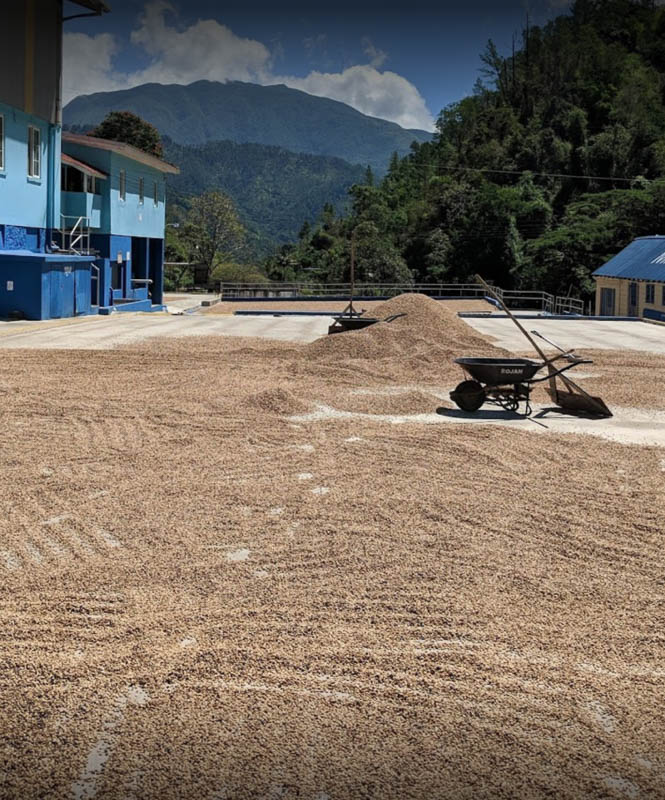
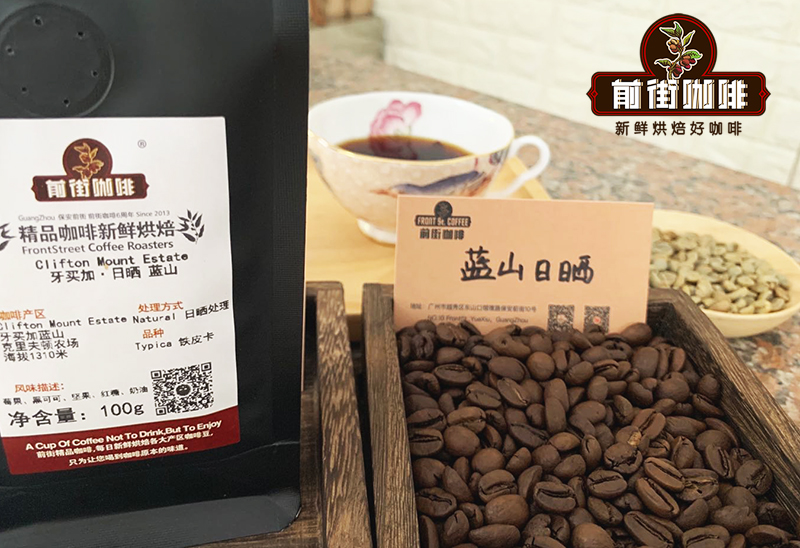
The sun-dried and washed processing methods significantly influence the flavor profile of Blue Mountain No. 1. The sun-dried version presents a distinct brown sugar sweetness and berry-like acidity upon entry, with an overall livelier flavor, accompanied by dark cocoa, nuts, and subtle smokiness and fermentation notes, offering a rich and distinctive flavor layered experience. In contrast, the washed Blue Mountain No. 1 showcases a cleaner, gentler, and more mellow character, with prominent chocolatey sweetness, an excellent balance of acidity, sweetness, and bitterness, no noticeable bitterness, and a lingering fruity aroma in the aftertaste—smooth and distinctly layered.
Regarding the grading of Blue Mountain coffee, it is mainly based on multiple criteria such as bean size, defect rate, altitude, green bean density, and processing standards. In Jamaica, Blue Mountain coffee is divided into three major grades: Blue Mountain coffee beans, High Mountain coffee beans, and Jamaica coffee beans, with Blue Mountain No. 1 being the highest grade. It should be noted that not all coffee labeled as “Blue Mountain” actually comes from the Blue Mountain region—the authentic Blue Mountain production area is limited in size, spanning only about6000 hectares, which is why coffee that can be labeled as Blue Mountain No. 1 is extremely rare.
How can you confirm that what you’ve purchased is genuine Blue Mountain No. 1 coffee? You can identify it based on the following three key points: First, genuine Blue Mountain coffee is exported solely by companies designated by the Jamaica Coffee Industry Board, which are strictly regulated to ensure the authenticity of the product’s origin; second, Blue Mountain coffee is one of the few regions in the market that insists on shipping green beans inwooden barrels—compared to the burlap sacks commonly used for other coffees, wooden barrels effectively preserve the beans’ aroma and quality; finally, you can look for the frog logo on the Clifton Estate wooden barrels, which is a symbol ofRainforest Alliance (RFA) certification, indicating that the estate follows sustainable agricultural standards and is the only coffee farm in the Blue Mountain region to hold this certification.
It is worth mentioning that Blue Mountain coffee has also begun to innovate in recent years. Before 2019, most Blue Mountain coffee available on the market was washed Typica; however, starting in 2020, the Blue Mountain region introduced sun-dried Blue Mountain No. 1, breaking the tradition of processing methods, and later launched the Blue Mountain Geisha variety, injecting new vitality into this century-old origin. Although the Geisha variety remains in micro-lot production in Blue Mountain, its floral and fruity aroma and unique flavor have attracted considerable attention among coffee enthusiasts, also signaling the potential for future diversity in both varieties and processing techniques in the Blue Mountain region.
In summary, Blue Mountain No. 1 coffee is not only a prized favorite among coffee lovers, but its pour over brewing is also an art form worthy of in-depth exploration. Mastering the correct water temperature, grind size, and brewing technique can fully showcase its delicate and multi-layered flavor. Moreover, understanding the origin background, differences in processing methods, and key points for identifying authenticity will help you make smarter judgments when tasting and purchasing, allowing you to fully enjoy this coffee gem from the high-altitude misty mountains of Jamaica.
The above content is compiled by CoffeeHunters, a coffee news website.


