







Introduction:Ethiopian Huacai coffee beans have recently become a popular single-origin offering in the specialty coffee scene, thanks to their intense strawberry cream aroma and rich juice-like flavor. This article delves into the origin of the name “Huacai,” explores the unique terroir of the Hambella growing region, traces the background of its championship win at the 2017 TOH competition, and compares the flavor profiles of small-bean Huacai and Yirgacheffe. It also provides recommended pour over parameters and steps to help you master optimal extraction and fully appreciate the layered charm of this highland natural-processed bean.
In recent years, Huacai coffee beans have rapidly risen to fame in the specialty coffee market. These sun-dried beans from Hambella in the Guji zone of Ethiopia’s Sidama region captivate coffee lovers with their intense strawberry and cream aromas and full-bodied juicy mouthfeel. This article not only details the cultural background and regional characteristics behind the name “Huacai,” but also takes you back to the history of the 2017 TOH green coffee competition champion, analyzing key roasting and pour over parameters. Furthermore, it contrasts the flavor profiles of small-bean Huacai SOE and Yirgacheffe, giving you a comprehensive understanding of what makes this star bean so unique.
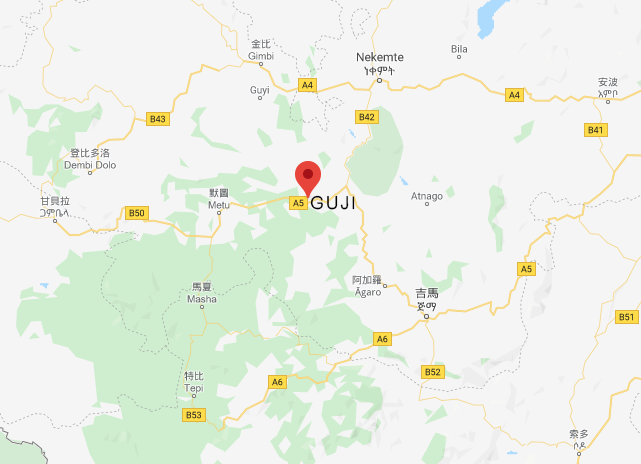
The poetic name “Huacai” actually stems from the ancient Chinese imperial examination culture, symbolizing the “foremost among a hundred flowers” and representing this coffee’s standout quality among many beans. Interestingly, internationally, this bean is typically named after its origin — “Hambella,” with no direct linguistic correlation between the Chinese and English names. Hambella is a sub-region within the Guji zone, which itself belongs to the Oromia region, located west of the Yirgacheffe Kochere area, separated by a mountain barrier over 3,200 meters in elevation, resulting in distinct terrain and microclimates.
The Guji zone was originally part of Sidama until 2010, when it was officially designated as an independent zone by the Ethiopian Commodity Exchange (ECX). This area boasts fertile black soil (Vertisol) with deep layers, elevations generally exceeding 1,800 meters, and significant diurnal temperature variations — all creating ideal conditions for cultivating specialty coffee. Hambella is surrounded by regions such as Shakiso, Uraga, and Kercha, featuring diverse topography with undulating hills, typical of highland landscapes.
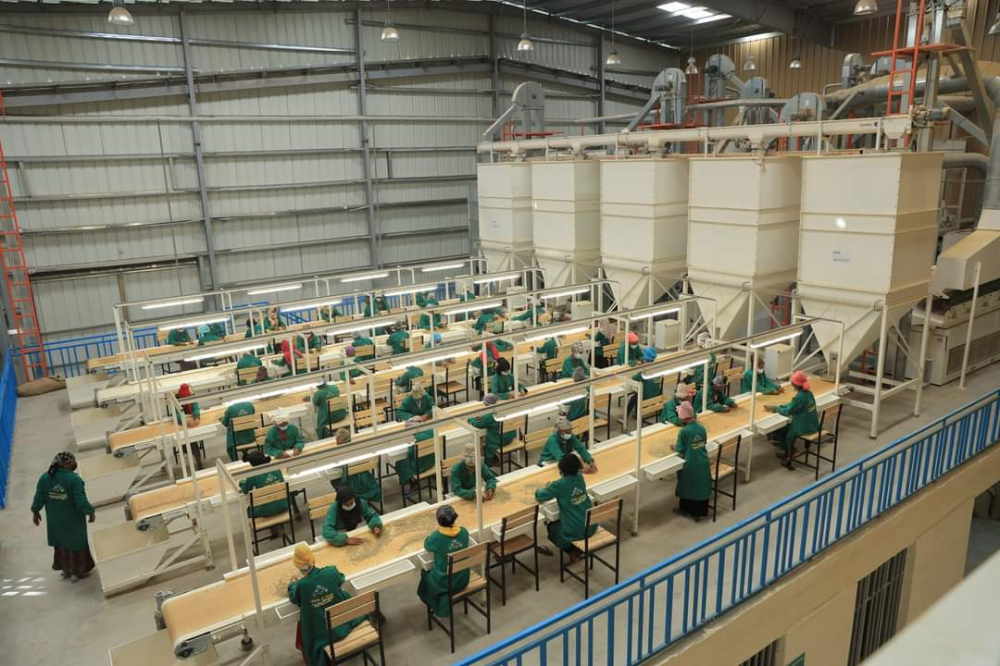
In 2017, Ethiopian DW Coffee Company submitted a sun-dried lot from its Buku Abel processing station to the TOH (the Taste Of Harvest) green coffee competition organized by the African Fine Coffees Association. Thanks to its outstanding strawberry cream aroma and rich mouthfeel, it won the Ethiopian regional championship that year. These beans were later introduced to the Chinese market and given the culturally rich name “Huacai” due to the prestige of the competition. Notably, in the same year, a Chinese competitor used these beans in the China leg of the World Brewers Cup and secured second place. Although Geisha was still the dominant variety in competitions at the time, the exceptional performance of this native variety left a strong impression and laid a solid foundation for the reputation of “Huacai.”
Subsequently, DW Company established several additional processing stations in the core area of Hambella, including Dimtu, among them Buku Abel, Buku Saysay, Haro Soresa, and Tirtiro Goye, with a total annual production of around 1,100 tons. However, only the sun-dried lots produced by the Buku Abel processing station are officially recognized as “Huacai,” while others from the same region may differ in processing methods or quality.
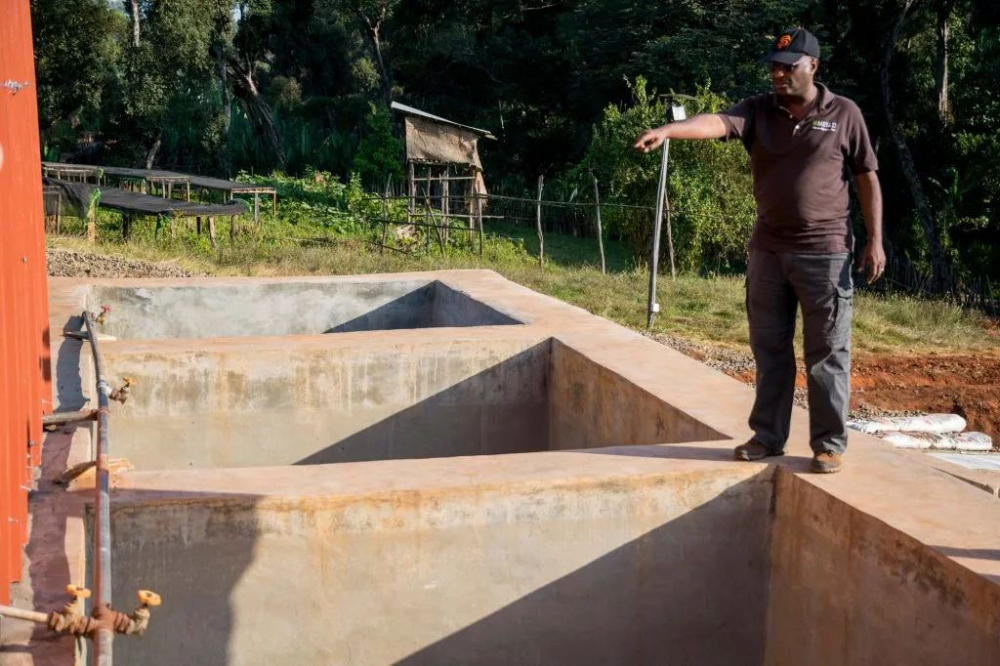
The 2025 new crop of Ethiopian Huacai coffee beans is sourced from the Sidama Guji zone, grown at elevations between 2,250 and 2,350 meters, using local native varieties and processed through traditional sun-drying methods. This process emphasizes meticulous selection, harvesting only fully ripe red cherries, which are then evenly spread on raised wooden or rack-style drying beds. The cherries are frequently turned during drying to prevent mold or contamination, and defective beans are hand-sorted out again every few days. Only after the skins are completely dry are the beans hulled, followed by a final screening to ensure each green bean meets high-quality standards.
In terms of roasting, to highlight Huacai’s fruity floral character and aromatic complexity, many roasters opt for a medium-light roast level. Taking a well-known roaster’s practice as an example, they employ an extended drying phase strategy to stabilize the release of aromatic compounds. Specific roast parameters are as follows: bean inlet temperature is set at 175°C, with the turning point reached at approximately 1 minute and 32 seconds at 96.2°C. Initial heat is maintained at 120, with the air damper set to 3, allowing the drum temperature to rise steadily. Around the 6-minute mark, the yellowing stage is reached, transitioning into the development phase, where heat is increased to 140. First crack occurs at about 9 minutes and 50 seconds, and the beans are dropped approximately 1 minute and 40 seconds after first crack, at an exit temperature of around 196°C. This preserves Huacai’s rich fruitiness and sweetness.
Cupping notes often describe bright citrus acidity, intense berry-like juice flavors, and a soft tea-like note reminiscent of lemon black tea. The sweetness is long-lasting and layered, making it highly appealing to those who enjoy prominent fruit flavors and tea-like profiles. Additionally, the bean’s full body and aromatic aftertaste are also among the reasons for its high praise.
For pour over brewing, it is recommended to use a HARIO V60 dripper, with a coffee-to-water ratio of 1:15 — that is, 15 grams of coffee grounds to 225 milliliters of water, with water temperature controlled around 90°C. The grind size is suggested to be medium-fine, with a reference of approximately 78% passing through a Chinese standard No. 20 sieve, effectively balancing extraction yield and flow rate. The specific pour over steps are as follows: start with a 30-gram bloom for 30 seconds to activate the coffee’s aroma; then pour water directly from the center up to 125 grams, followed by pulsed pouring, and when the coffee bed is visible again, continue pouring up to 225 grams. Remove the dripper when the coffee bed rises again, with total brew time recommended to be around 2 minutes. These parameters help fully express Huacai’s fruity notes, sweetness, and delicate layers.
If comparing small-bean Huacai SOE with Yirgacheffe, both hail from Ethiopia’s high-altitude regions and share pronounced fruit acidity and floral notes. However, Huacai has a more intense strawberry cream aroma, a fuller body, and a more noticeable juice-like mouthfeel, while Yirgacheffe is known for its jasmine, lemon, and tea-like characteristics, with brighter and crisper acidity. Understanding these differences can help you choose the coffee experience that best suits your personal taste preferences.
The above content is compiled by CoffeeHunters, a coffee news website.


