







Category: Coffee Knowledge
How to distinguish between pure tea and blended tea? Understand everything from the origin of tea plants to blending techniques
Tea is the most consumed beverage in the world after water. Whether it’s pure tea or blended tea, each has its own unique flavor and charm. This article will delve into the botanical background and historical spread of tea leaves, and provide a detailed comparison between 100% pure tea and blended tea. It aims to help readers understand how to choose the tea that best suits their personal preferences, while also offering practical advice on blending tea. [more…]
Analysis of the Characteristics and Flavors of Ceylon Uva Black Tea | A Comparison of Sri Lanka’s Three Major Tea Regions
Sri Lanka is a globally renowned black tea producing country, where varying altitudes and climates give rise to teas with distinctly different flavors. This article delves into the three representative tea regions of Ceylon black tea—Uva, Nuwara Eliya, and Dimbula—exploring their unique flavor profiles and production techniques. It also explains Sri Lanka’s contour planting system and traditional processing steps, helping you gain a more comprehensive understanding of the differences and charm among the teas from each region. [more…]
A Complete Guide to Buying Ceylon Tea & Making Iced Tea: From Authenticity Check to Avoiding Bitterness
Ceylon tea is famous for its unique flavor, but the quality of products on the market varies greatly. How can you pick genuine Ceylon tea? This article provides an in-depth analysis of the key markers for identifying authentic tea, recommends tea varieties ideal for making iced tea, and shares brewing secrets to ensure your black tea isn’t bitter. It also offers tips on purchasing fresh tea leaves so you can enjoy the authentic taste of Ceylon. [more…]
Unveiling the Flavors of Sri Lanka’s Seven Major Black Tea Regions: From Highlands to Lowlands, the Secrets of Ceylon Tea
Although Sri Lanka has a limited land area, over 4% of it is dedicated to tea cultivation, giving rise to seven distinct black tea regions. From high-altitude tea gardens at elevations of 8,000 feet to lowland hills near the coast, each tea-growing area produces uniquely different flavors due to variations in climate, soil, and altitude. This article will take you deep into the main producing regions—including Kandy, Uva, Dimbula, Nuwara Eliya, and Ruhuna—to explore how they shape the character of Ceylon tea. [more…]
A Complete Guide to Ceylon Tea Varieties and Brewing: From Black Tea to White Tea, with Caffeine Content and Flavor Analysis
As the national tea of Sri Lanka, Ceylon tea is world-renowned for its diverse varieties and unique flavors. This article provides an in-depth analysis of the production processes, flavor profiles, and caffeine content of Ceylon black tea, green tea, white tea, and oolong tea, along with practical brewing guidelines. This will help you choose the right Ceylon tea based on your personal preferences and master the optimal way to enjoy it. [more…]
Ceylon Black Tea Elevation Classification Guide: Flavor Differences and Selection Tips for High-Grown, Mid-Grown, and Low-Grown Teas
Sri Lanka's Ceylon black tea is divided into three major production regions based on elevation: high-grown, mid-grown, and low-grown. The climate and soil conditions of each area create unique flavor profiles. This article provides an in-depth analysis of the aroma characteristics, liquor appearance, and recommended brewing methods for teas from different elevations, and explains the importance of the Lion Logo certification to help you choose the Ceylon black tea that best suits your taste preferences. [more…]
Ceylon Tea Identification Guide: Meaning of the Lion Logo, Authentic Origins, and Brand Price Analysis
Want to enjoy authentic Ceylon tea from Sri Lanka but worried about the unclear origins of commercially available products? This guide delves into the certification system of the Sri Lanka Tea Board, the anti-counterfeiting significance of the lion logo, and analyzes the origin rules of genuine Ceylon tea along with its advantages in pesticide residue control. It also provides price ranges and purchasing advice for well-known brands to help you accurately choose high-quality Ceylon tea. [more…]
A Full Analysis of the Trial Operation of Wukang Mansion Post Office Cafe: Cross-industry Strategy and Collaboration with Local Heritage Brands
The Tianping Road Post Office at 1883 Huaihai Middle Road in Shanghai has been transformed into the Wukang Mansion-themed post office, integrating a café, cultural creativity, and postal services. Operated by Qiao Café under the Shanghai heritage brand Qiaojiashan, this post office café that combines historical charm with modernity—how does it attract younger consumers through cross-industry operations? We take an in-depth look at its spatial design, brand collaboration background, and the transformation strategy of China Post as it steps into the beverage industry in recent years. [more…]
The Ultimate Guide to Cold Brew Tea: Water Quality, Brewing Ratios, and Health Benefits
With its refreshing and smooth taste, cold brew tea has become a new favorite in summer beverages. Compared to hot brewing, it effectively reduces the release of tannins, avoiding bitter and astringent flavors, while also being easy to make and offering a unique taste. This article delves into the ideal differences in water quality for cold brew tea, practical brewing parameters and ratios, analyzes the key distinctions from regular iced tea, and provides expert tips on extending flavor and reusing tea leaves—allowing you to easily brew high-quality cold steeped tea at home. [more…]
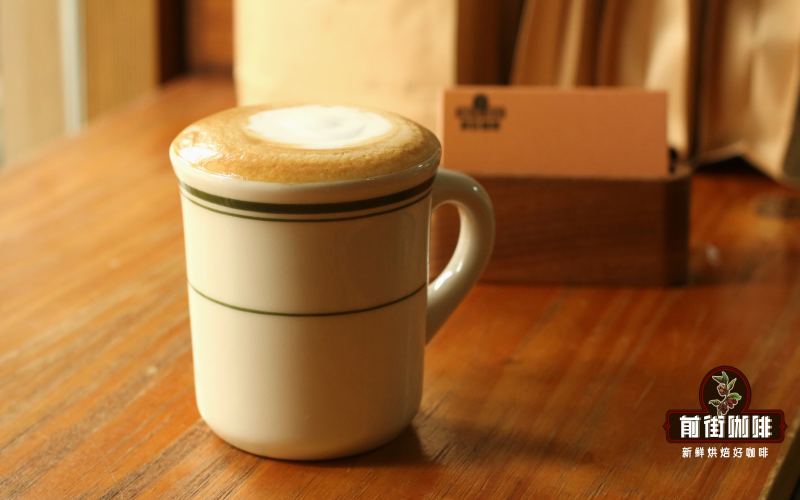
Complete Guide to Making Cappuccino: From the Coffee Golden Ring to Milk Frothing Techniques
Want to understand the difference between a cappuccino and a latte, and why a traditional cappuccino retains the coffee golden ring and rarely features latte art? This article delves into the history of the cappuccino, the relationship between milk foam thickness and latte art, and provides a detailed breakdown of the process for making a proper cappuccino — including coffee cup selection, espresso extraction parameters, fresh milk usage, and milk frothing techniques — to help you master professional-level cappuccino-making skills. [more…]
A Comprehensive Guide to Black Tea Varieties: From India’s Darjeeling to Sri Lanka’s Ceylon — How to Choose the Right Black Tea for You?
Black tea is one of the most widely consumed types of tea in the world, playing a vital role in everything from British afternoon tea to Taiwanese breakfast pairings. This article will take an in-depth look at the world’s major black tea producing regions—including renowned varieties such as Assam, Darjeeling, Ceylon, and Kenya—analyzing their unique flavor profiles, historical backgrounds, and best brewing methods. It also offers practical advice to help you find the perfect black tea based on occasion and taste preference. [more…]
Complete Guide to Brewing Black Tea: Hot Drinks, Milk Tea, Cold Brew, and Differences Between Hong Kong and Taiwanese Styles
Due to its fully fermented nature, black tea boasts a rich aroma and full-bodied flavor. However, factors such as tea grade, water temperature, brewing method, and blending ratios can greatly influence the final taste. This guide delves into the correct way to brew black tea—from making hot drinks and milk tea, mastering cold brew techniques, to crafting Indian spiced chai and creative cocktail applications. It also compares the ingredient differences between Hong Kong-style milk tea and standard milk tea, helping you master the diverse ways to enjoy black tea. [more…]
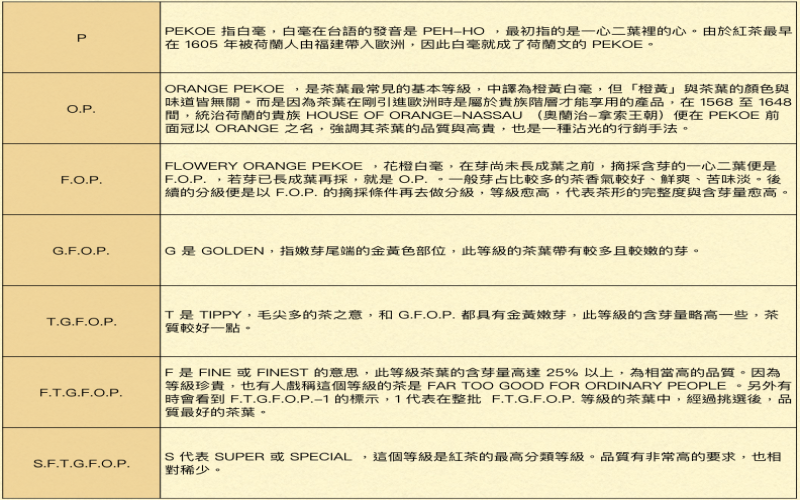
Complete Guide to Black Tea Grading: From FOP to BOPF, Learn to Understand Leaf Grade and Flavor Differences
The quality and flavor of black tea often lie in the details of leaf grading. Based on international grading standards from major producing regions such as India and Sri Lanka, the tenderness and completeness of the tea leaves directly influence aroma and taste. This article will deeply analyze common black tea grade abbreviations, such as FOP, BOP, BOPF, etc., helping you understand the parts of the leaf each grade represents, their quality characteristics, and also providing practical brewing tips to help you choose the most suitable black tea according to your needs. [more…]
Complete Guide to Kenyan Black Tea Grades: From BP1 to PD – How to Identify High-Quality Black Tea?
As the world's third-largest black tea producer, Kenya is renowned for its rich and mellow black teas, especially those made using the CTC processing method, which are particularly favored in the market. But did you know? Kenyan black tea can be subdivided into multiple grades based on leaf size, appearance, and brewing characteristics—such as BP1, PF1, PD, and more—each with its own unique flavor profile and ideal use. This article will provide an in-depth analysis of the differences between Grade 1 and Grade 2 Kenyan black teas, helping you better understand the grading logic. [more…]
How to Brew Phoenix Dancong Oolong Tea? Price, Legend & Production Process Explained in One Go
Renowned for its distinctive honey aroma and floral notes, Phoenix Dancong Oolong Tea is one of the representative varieties of Guangdong Oolong. This article delves into its historical origins, production craftsmanship, and traditional brewing techniques, while also providing a reasonable price range for 500g of authentic retail-quality tea, helping you fully grasp the essence of this high-quality beverage—from selection to enjoyment. [more…]
Should You Discard the First Brew of Tea? A Complete Guide to the Principles, Suitable Tea Types, and Proper Steps of Rinsing Tea
Many tea enthusiasts have the habit of discarding the first brew when making tea, believing it to be a necessary step for "rinsing tea" or "awakening the tea." However, not all types of tea require this practice. This article will delve into which types of tea benefit from a quick rinse, which should skip it, explain the actual impact of rinsing on flavor release and caffeine content, and provide practical operational tips to help you make the most suitable brewing choices based on the characteristics of the tea. [more…]
Complete Guide to Brewing Tea with a Gaiwan: Proper Grip, Brewing Steps & Beginner’s Tutorial
A gaiwan is a common and practical tea-brewing tool in tea art, consisting of a bowl, a lid, and a saucer, often made from porcelain, clay, or glass. This guide delves into how to properly use a gaiwan for warming the bowl, placing the tea, pouring water, and pouring out the liquor. It also introduces three common and practical ways to hold the gaiwan—helping you avoid burns, control temperature precisely, and discussing whether you can drink directly from the gaiwan. For beginners, we recommend suitable gaiwan sizes and materials to help you quickly master the essentials of brewing tea with a gaiwan. [more…]
Analysis of Pu'er Tea Classification | Is it Black Tea or Dark Tea? Guide to Proper Brewing Temperature and Time
Pu'er tea is often mistaken for black tea, but in fact, it belongs to the category of dark tea and is a type of post-fermented tea. This article provides an in-depth analysis of Pu'er tea’s position within the tea family, comparing it with black tea and other types of dark tea, and offers professional brewing recommendations, including the optimal temperature, steeping time, and techniques, to help you better understand this historically rich tea variety and enhance your tasting experience. [more…]
Taiwan Oriental Beauty Tea: How Leafhopper-Bitten Oolong Becomes a Honey-Aromatic Premium Tea?
Oriental Beauty Tea is Taiwan’s most iconic leafhopper-bitten oolong tea. Its unique honey-like aroma and sweet, mellow flavor originate from the defense mechanism activated in tea leaves after being bitten by leafhoppers. This article delves into the origins of this internationally renowned tea, from its accidental discovery in the early 20th century to its rise as a standout in the tea world today. It also explores the cultivation conditions, flavor characteristics of leafhopper-bitten tea, and how it differs from derivative varieties such as Red Oolong, offering you a comprehensive understanding of this honey-aromatic treasure. [more…]
A Complete Guide to Uji Green Tea & Matcha Grades | Top 3 Premium Japanese Tea Brands Recommended
As a significant birthplace of green tea in Japan, Uji is not only the cradle of sencha but also the region that made matcha a globally renowned tea. This article delves into the historical origins of Uji tea, its unique terroir, the grading standards of matcha, and introduces three top-tier green tea brands to help readers gain an in-depth understanding of the essence of Japanese green tea and key points in selection. [more…]