







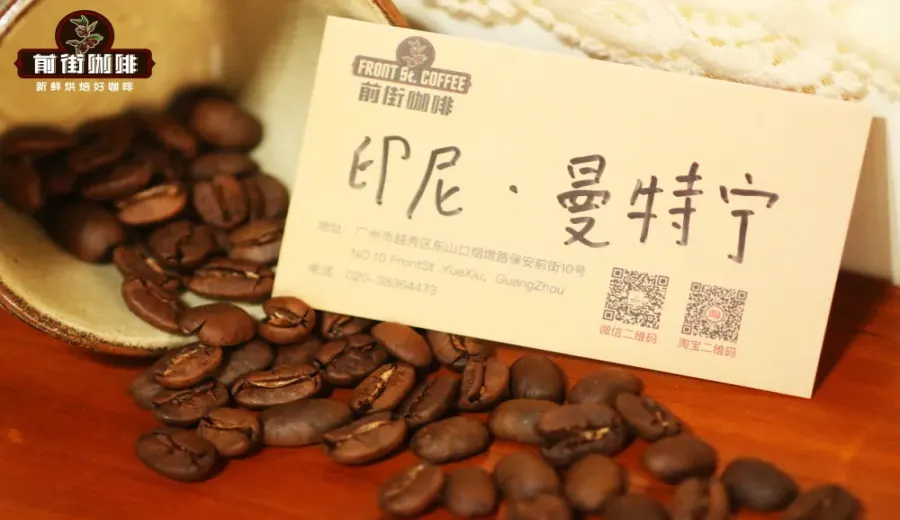
Introduction:Indonesian Mandheling coffee is beloved by coffee enthusiasts worldwide for its unique, rich flavor profile. However, with market names such as Lintong Mandheling and PWN Golden Mandheling, consumers are often left confused. This article takes an in-depth look at these two classic beans from Sumatra, comparing them in terms of origin, processing method, variety, and flavor profile. It also provides detailed pour-over parameters and practical brewing tips to help you better understand their characteristics—whether you're selecting beans or brewing at home.
Indonesian Mandheling is one of the most notable coffee varieties in the global market, particularly representative of the Sumatra region. Yet, when customers walk into a café or specialty coffee shop, they’re often faced with choices like “Lintong Mandheling” or “Golden Mandheling” and unsure which to pick. This article will start with the geographical background of Sumatra, explore the origins of the name “Mandheling,” and delve into the differences between two popular Mandheling beans—Lintong Mandheling and PWN Golden Mandheling. We’ll not only examine their growing environments, variety traits, and processing methods but also detail their distinct flavor expressions. Additionally, we provide practical pour-over recommendations and extraction parameters to help readers more deeply appreciate the charm of these two classic beans.
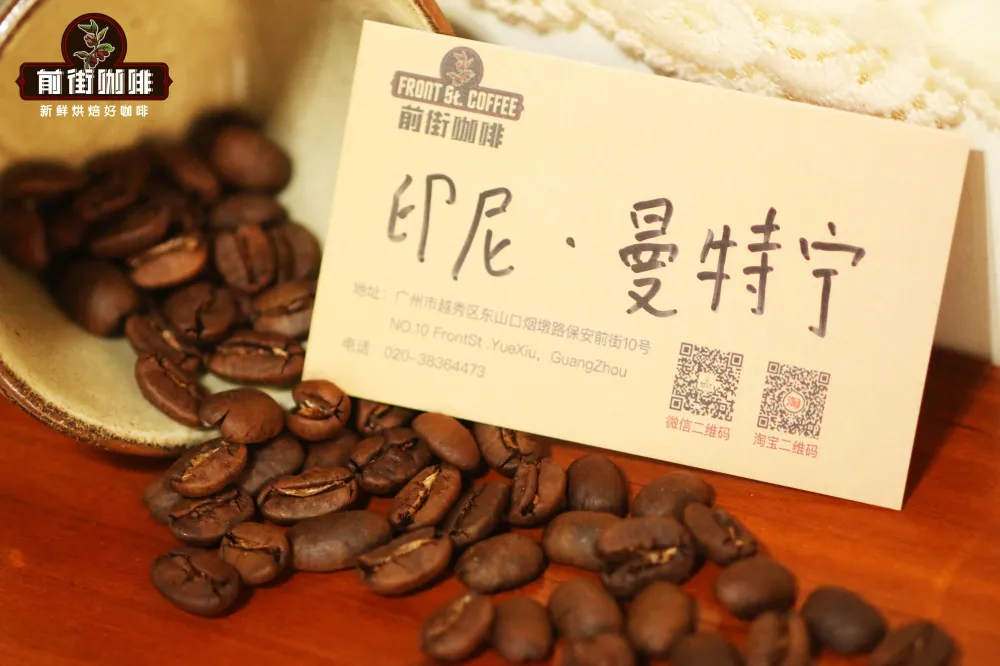
As an important coffee-producing country in Asia, Indonesia’s coffee cultivation history dates back to 1696, when Dutch colonists introduced coffee to Java Island, later expanding to Sumatra and other regions. Among the many Indonesian coffees, Mandheling is undoubtedly the most iconic. Interestingly, the term “Mandheling” was not originally a coffee name, but the name of an Indonesian ethnic group. Due to historical misunderstandings and dissemination, it eventually became synonymous with this dark-roasted, full-bodied coffee—along with an amusing story involving Japanese soldiers who couldn’t forget the local coffee after returning home.
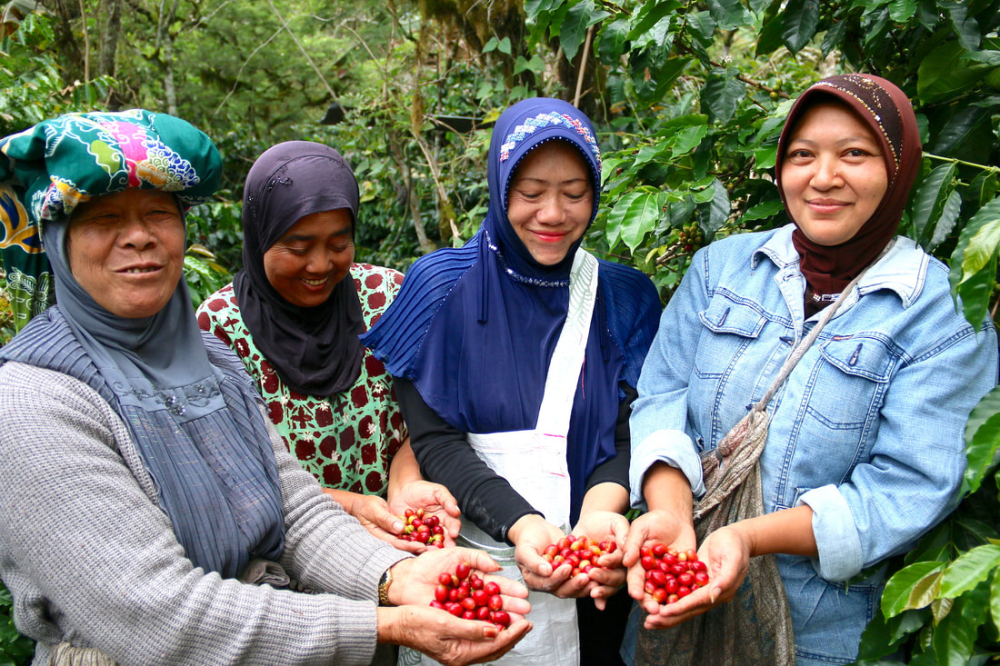
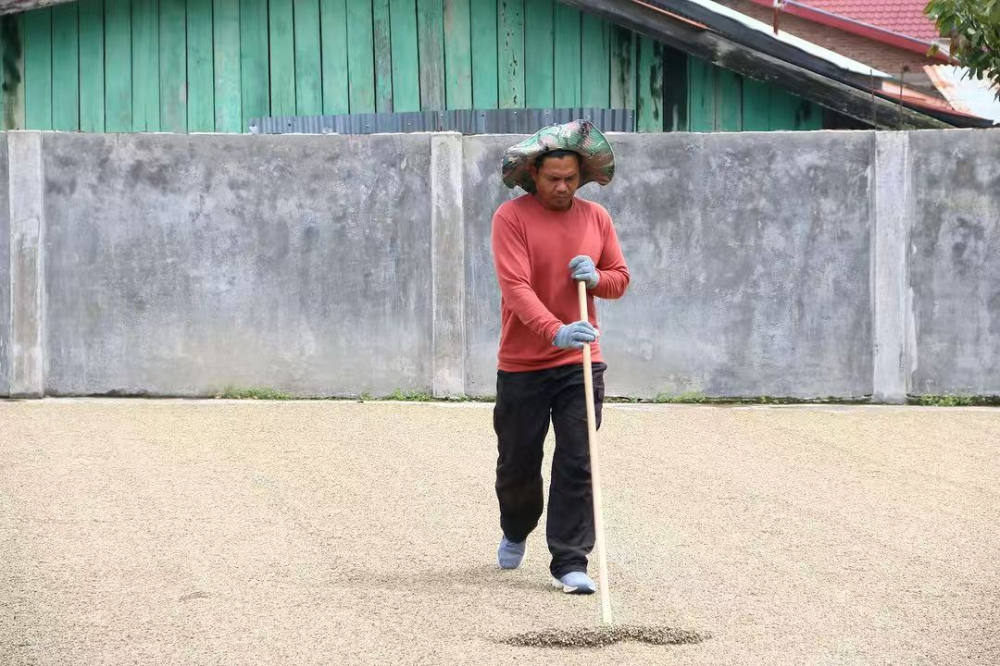
Sumatra, located near the equator, has a rainy and humid climate that isn’t suitable for traditional sun-drying methods. Coupled with the higher cost of the washed process, the region developed a unique processing method known as “wet hulling.” This method generally involves two stages: first, the skin and part of the pulp are removed, allowing the beans to undergo brief fermentation and then drying until they reach a semi-dry state with around 30%–50% moisture content; next, the mucilage layer and parchment are removed, followed by continued drying until the moisture level drops to 12%–13%. In addition, there is also the “aged wet-hulled” method, where initially processed beans are stored for 2–3 years to develop a richer flavor with reduced acidity and a deeper brown color, resulting in the distinctive flavor profile of so-called “Aged Mandheling.”
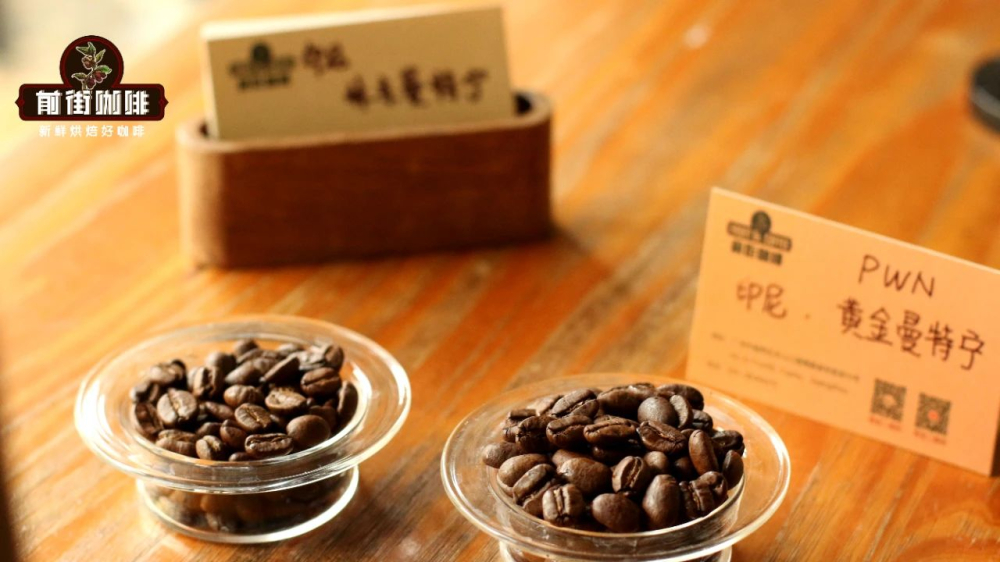
Among the many Indonesian Mandhelings, Lintong Mandheling and PWN Golden Mandheling are the two most frequently compared. Lintong Mandheling comes from the Lintong region in north-central Sumatra, close to Lake Toba, at an altitude of about 1100–1600 meters. It mainly grows Typica and Catuaí varieties and is processed using the traditional wet hulling method. This coffee typically features low acidity and high body, with common flavor notes including toasted bread, nuts, caramel, pine, and herbs. However, due to the processing method, the beans are prone to damage, leading to the so-called “elephant ear bean” phenomenon. Moreover, its sorting process is not as strict as that of Golden Mandheling, resulting in more average flavor stability.
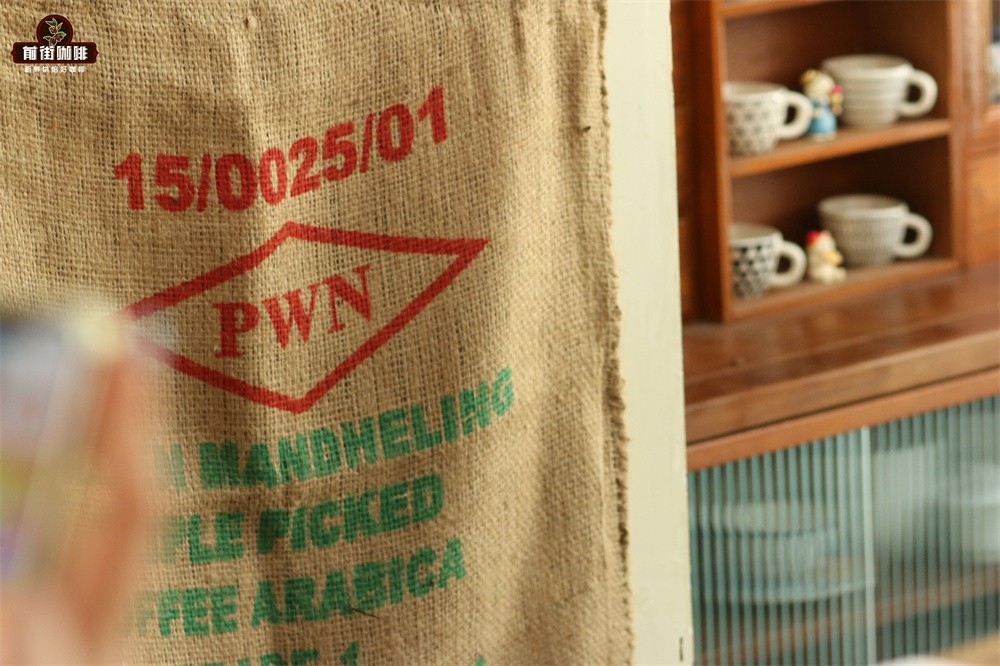
In contrast, PWN Golden Mandheling is a higher-grade product. It comes from the Gayo Mountains in Aceh Province, Sumatra, also within the 1100–1600 meter altitude range, but uses the Ateng variety (the local term for Catimor-type beans). It is graded at the G1 level and undergoes at least three rounds of manual handpicking, retaining only beans larger than 18 mesh with fewer than three defects per 300-gram sample. This rigorous selection process results in a more uniform bean shape and more consistent flavor performance. Golden Mandheling often exhibits complex aromas of spices, herbs, caramel, nuts, and chocolate, with a richer flavor layering and a cleaner, brighter taste.
In terms of roasting strategy, both Mandheling types usually adopt a medium-dark roast. The aim is to reduce the commonly high acidity of Mandheling while enhancing body and overall balance. Taking a common commercial roaster like the Yangjia 800N as an example, the green bean input is about 550 grams. By controlling heat and time, the beans receive sufficient thermal energy during the development phase, bringing out intense nutty and caramel tones.
If you’d like to brew these two beans at home using pour over, we recommend using a Kono filter. Use 15 grams of coffee grounds, 225 grams of water, with a water temperature of around 88°C, and set the grind size to 70–75% passing through a #20 sieve. Begin with a 30-second bloom using 30 grams of water, then pour in small circles until you reach 125 grams for the first pour. After the water level drops, continue pouring up to 225 grams. Keep the total extraction time around 2 minutes. These parameters help fully extract the beans’ rich body flavors while maintaining balanced taste and layered complexity.
In summary, though both Lintong Mandheling and PWN Golden Mandheling are classic Mandheling coffees from the Sumatra region, they differ significantly in regional details, variety selection, sorting standards, and final flavor profiles. Lintong Mandheling excels in bold herbal and dark chocolate notes, making it ideal for those who prefer a strong, intense cup. In contrast, PWN Golden Mandheling stands out with its higher-quality selection and more complex aroma layers, offering a clean, bright, and balanced flavor experience. Understanding these differences provides highly valuable guidance for coffee selection, flavor exploration, or everyday pour-over practice.
The above content is compiled by CoffeeHunters, a coffee news website.


