








Introduction:Want to understand the grading secrets of Ethiopian Yirgacheffe coffee beans and whether they are suitable for making cold brew iced coffee? This article delves into the grading system of the Ethiopia Commodity Exchange (ECX), from the scoring logic of G1 to G9, to the differences between washed and natural processed beans, helping you master the key points in selecting specialty coffee. It also explores which grades are better suited for cold brew, enabling you to make smarter brewing decisions based on your flavor preferences.
Yirgacheffe is one of Ethiopia’s most iconic specialty coffee regions, widely loved by coffee enthusiasts around the world for its unique floral notes, citrus tones, and bright acidity. But for many, the ECX (Ethiopia Commodity Exchange) grading system remains an unfamiliar area. How exactly are washed and natural processed beans graded? What is the scoring logic behind the G1 to G9 grades? And which grades are more suitable for cold brew or iced coffee? This article will break down these questions in an easy-to-understand way, helping you better understand the Yirgacheffe coffee beans in your hands.
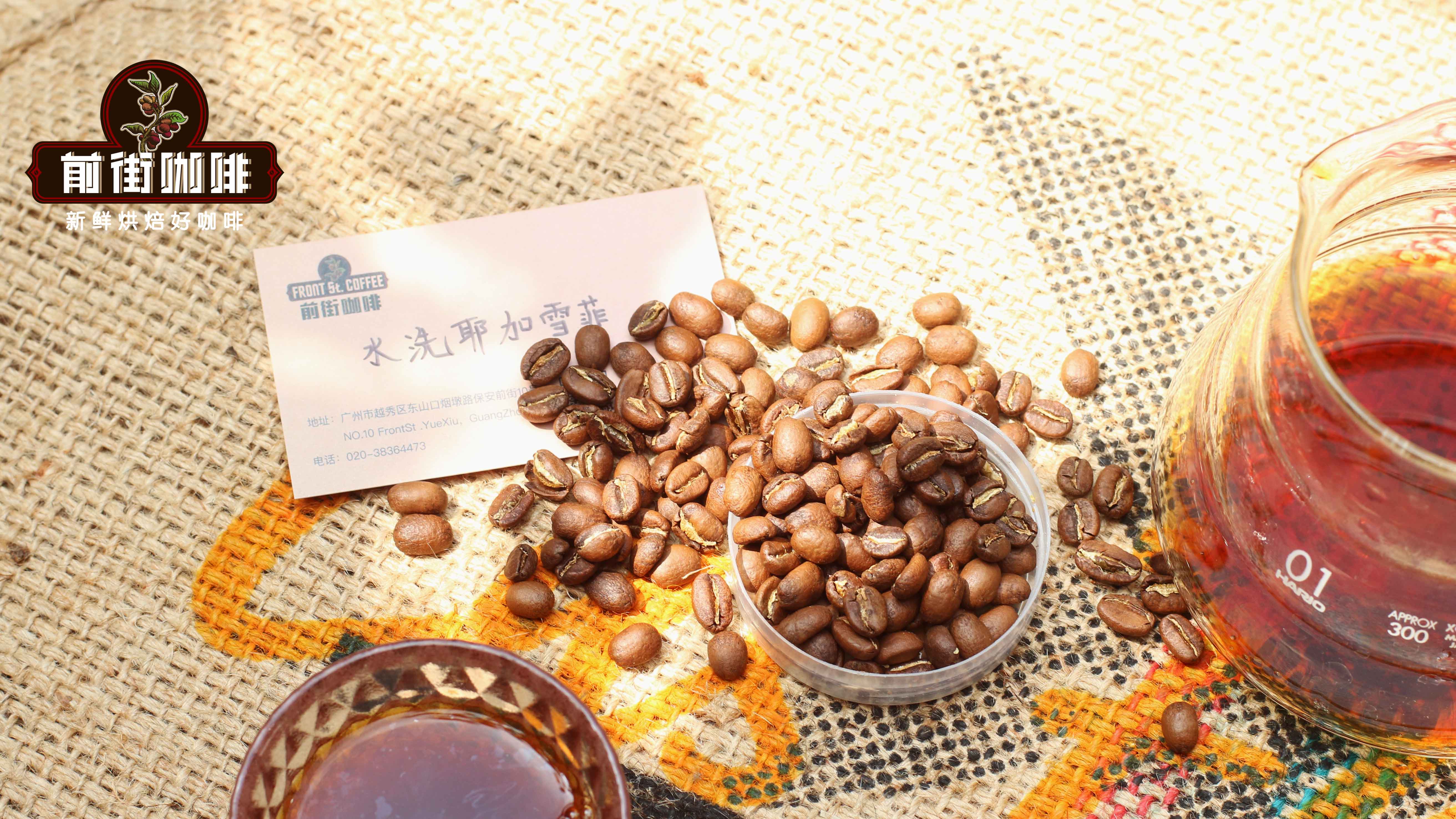
The Ethiopia Commodity Exchange (ECX) was established in 2008 as an official institution that centrally manages agricultural product trading, aiming to improve trading efficiency and market transparency. Through the ECX, coffee farmers and exporters can conduct transactions on a unified platform, ensuring stability in the delivery and payment processes. However, the ECX system also has its limitations—for example, all coffee traded through this system can only be classified by region, without traceability to specific processing mills or farms, which can be a major challenge for specialty coffee buyers seeking consistent flavor profiles and traceability. Nevertheless, even within this framework, G1 grade coffee beans still demonstrate a very high potential for quality.
In the past, Ethiopian coffee grading mainly relied on the number of defective beans, with washed beans being graded up to Grade 1 (G1), and natural beans up to Grade 3 (G3). But since the ECX took over, the new scoring system takes into account both physical characteristics and cupping performance, categorizing coffee into three main types: Specialty (premium), Commercial (commercial grade), and Local (domestic consumption grade). Among them, the Specialty grade is designed specifically for the export market with strict requirements, while Local is primarily for domestic supply.
According to ECX's scoring standards, the evaluation methods for washed and natural coffee beans differ slightly. For washed beans, physical characteristics account for 40%, including defect count (20%), size (10%), color (5%), and aroma (5%); cup quality accounts for 60%, covering cleanliness (15%), acidity (15%), mouthfeel (15%), and flavor characteristics (15%). For natural beans, the weight of defect count in physical characteristics is higher (30%), aroma accounts for 10%, and the cupping part is the same as for washed beans. This scoring mechanism ensures that each batch of coffee is fairly categorized based on its appearance and flavor performance.
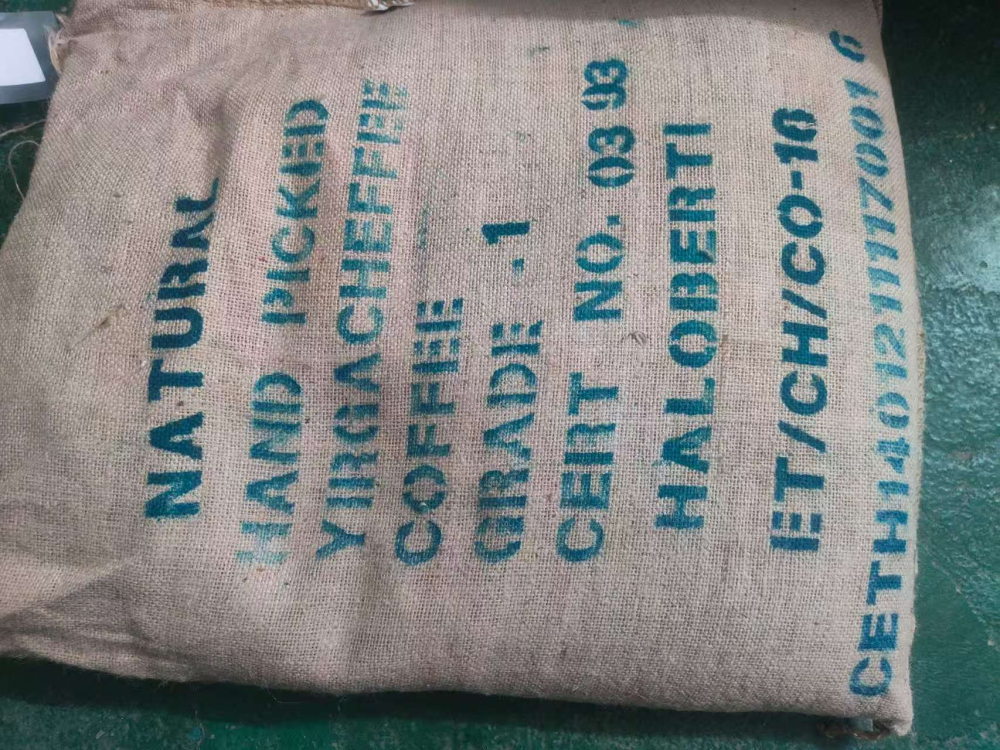
In terms of specific grading, all coffee is first divided into three main categories based on processing method (washed or natural), then graded from G1 to G9 based on total scores from physical and cupping evaluations. Among them, G1 to G3 coffee beans are further cupped according to SCAA standards; if they score above 85, they are classified as Q1 grade; between 80 and 85 as Q2; and below 80, they are downgraded to G3. Both Q1 and Q2 are considered Specialty Grade, suitable for export to high-end markets; while G4 to G9 are collectively referred to as Commercial Grade.
It’s worth noting that Yirgacheffe beans graded as G1, especially those from DD or Red Cherry, often exhibit a very balanced flavor profile, featuring distinct floral notes, citrus, honey, and soft nuttiness, with bright yet non-aggressive acidity, a clean mouthfeel, and a long-lasting aftertaste. These coffees are not only ideal for pour over but also make excellent bases for cold brew or iced coffee. Since the cold brew process slows down the release of acidity while enhancing sweetness and body, G1 coffee, which already has a good balance of acidity and sweetness, can present even more layered flavors at lower temperatures.
Many newcomers to specialty coffee often ask: are all Arabica beans expensive? In fact, the price range of Arabica coffee is extremely wide—from low-altitude commercial beans to high-altitude specialty G1 beans, the price difference can be several times or even more than ten times. The ECX grading system is designed precisely to help consumers and traders distinguish these differences and choose the coffee beans that best suit their needs.
Finally, a small piece of flavor knowledge: many people think the “acidity” in coffee is a flaw, but actually, just like acidity in wine, good acidity is an important component of a coffee’s flavor complexity. Moreover, it’s a common phenomenon that acidity becomes more pronounced as the coffee cools, so choosing a G1 or G2 Yirgacheffe with bright yet balanced acidity can often result in a more surprising cold brew experience.
The above content is compiled by CoffeeHunters, a coffee news website.


