







Introduction:Jamaican Blue Mountain No.1 coffee is hailed as the pinnacle of the coffee world, but its actual production is scarce, and the market is flooded with many imitations. This article delves into the official certification standards, regional distribution, and altitude requirements of Blue Mountain coffee, takes you through the growing background of the Clifton Estate, and explores the differences between washed and natural processing methods. It also provides practical pour over parameters, including 15g of coffee, a 1:15 coffee-to-water ratio, 88°C water temperature, and the KONO filter with a grind size at 75% passing rate, to help you brew a balanced and layered cup of Blue Mountain No.1.
Blue Mountain No.1 coffee beans hold a lofty status among coffee enthusiasts, but obtaining genuinely certified Blue Mountain No.1 from Jamaica is not easy. Due to the limited growing area, the annual production of Blue Mountain coffee is extremely small, far less than the amount of coffee marketed as 'Blue Mountain.' This article will take you deep into the authentic certification standards, regional grading, and how to extract the most representative Blue Mountain flavors through the correct pour over method.
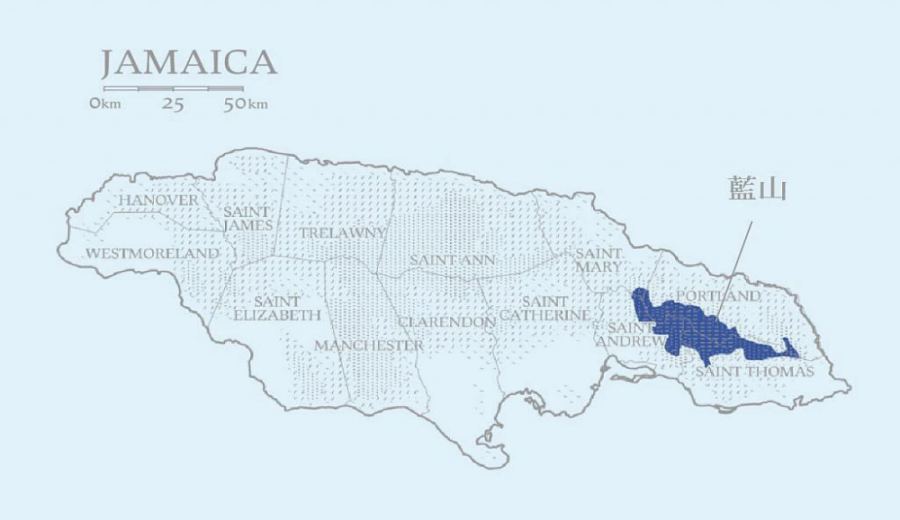
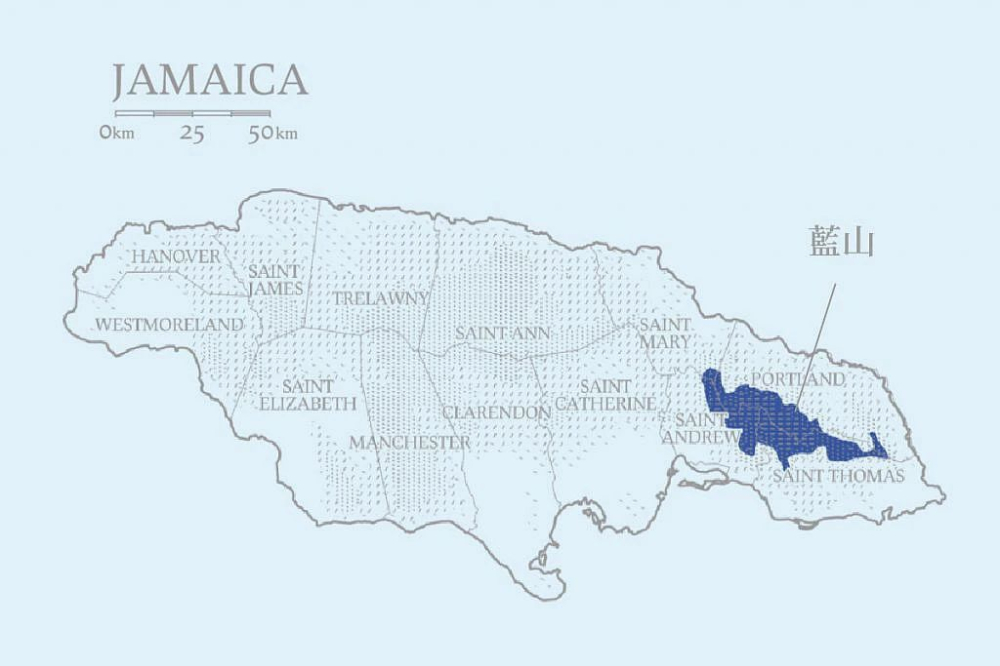
According to the official definition in Jamaica, authentic Blue Mountain coffee must be grown in the four administrative regions that extend along the Blue Mountain range: Saint Andrew, Saint Thomas (St. Thomas), Saint Mary (St. Mary), and Portland. These areas must have an altitude between 1,000 and 1,700 meters, covering a total area of approximately 6,100 hectares. Only coffee grown within these specific regions and at these altitudes qualifies to be called 'Blue Mountain coffee.' If the planting altitude is between 500 and 1,000 meters, it can only be classified as Jamaican High Mountain coffee; coffee grown below 500 meters is categorized as Jamaican Supreme coffee. As for other regions outside these ranges, their coffee is not permitted to use the name Blue Mountain. The Jamaican government has extremely strict controls over Blue Mountain coffee, and only about one quarter of the country’s total coffee production meets the Blue Mountain standard.
In Jamaica, Blue Mountain coffee is divided into three major grades based on quality: Blue Mountain Coffee, High Mountain Coffee (Jamaica High Mountain Supreme Coffee Beans), and Jamaican Prime Coffee Beans (Jamaica Prime Coffee Beans). Among them, Blue Mountain Coffee and High Mountain Coffee are each further subdivided into two levels, ranked from highest to lowest as: Blue Mountain No.1, Blue Mountain No.2, High Mountain No.1, High Mountain No.2, and Jamaican Coffee. There is also a numbering system, such as NO.1, NO.2, NO.3, and PB, where PB refers to peaberry. According to the Coffee Industry Board (CIB) standards, NO.1 grade Blue Mountain green beans must meet several strict criteria, including a bean size of 17 mesh or larger, a defect rate below 3%, and a moisture content of around 13%.
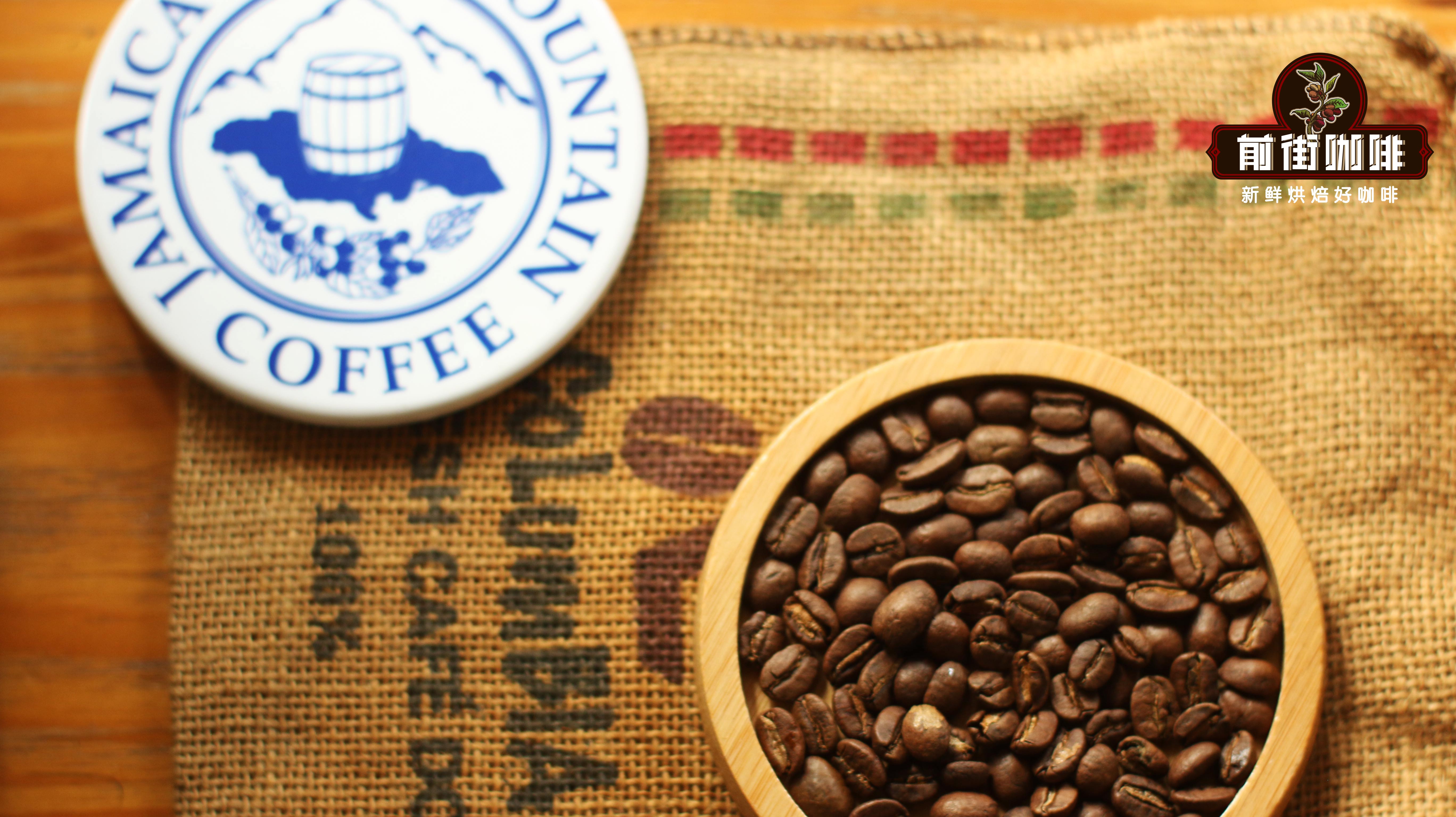
Blue Mountain No.1, No.2, No.3, and Blue Mountain peaberry are the only coffee types in the world exported in wooden barrels. The barrel capacities are 70kg, 30kg, and 15kg respectively. Other grades of Jamaican coffee are shipped uniformly in 60kg jute sacks. The Blue Mountain coffee sold by this merchant is all NO.1 grade, commonly referred to as Blue Mountain No.1, guaranteeing the highest standards of flavor and quality.
The Clifton Estate (Jamaica Clifton Mount Estate) is one of the largest coffee farms in the Blue Mountain region. Although it is still considered a small-scale plantation by international standards, it is a representative producer locally. The estate is operated by the Sharp family, holds Rainforest Alliance certification, is located in the Newcastle area, and covers a total area of 250 acres, with 180 acres dedicated to coffee cultivation. The average altitude of the area is as high as 4,300 feet (approximately 1,310.64 meters), and it mainly grows 100% Arabica Typica variety using the washed processing method. The Blue Mountain No.1 produced here is renowned for its excellent balance of acidity, body, and aroma, making it a classic choice for experiencing the flavors of Blue Mountain.
In the past, Blue Mountain No.1 coffee beans were only processed using the washed method. This method involves using washing and fermentation processes to remove the skin, pulp, and mucilage. Farms need to set up washing tanks and ensure a stable supply of fresh water. In practice, the skin and pulp are first removed, then the beans are fermented for 12 to 18 hours. The fermented beans are then moved to water tanks, where friction between the water flow and the beans removes residual substances until the surface becomes smooth. Washed coffee beans are still covered by the parchment layer, with a moisture content as high as 50%, so they require prolonged sun drying to reduce the moisture content to 12–14% to prevent continued fermentation and mold growth. Afterward, careful screening and storage are required, with each step strictly controlled to ensure the final quality.
Until the 2020 harvest season, the Clifton Estate introduced the first ever naturally processed Blue Mountain No.1, marking the first time in the history of Jamaican Blue Mountain coffee that a processing method other than washed was attempted. Through cupping comparisons, the naturally and washed processed Blue Mountain No.1 exhibit distinctly different flavor profiles. The natural Blue Mountain No.1 offers a sweet entry with brown sugar notes and berry acidity, followed by nutty and cocoa aromas in the mid to late stages, a creamy mouthfeel with clear layers, and a lingering walnut note in the aftertaste. In contrast, the washed Blue Mountain No.1 showcases the classic flavors of dark chocolate and nuts, with a clean and bright profile, well-balanced acidity, sweetness, and bitterness, excellent body, and the signature smoothness and elegance of Blue Mountain.
For pour over brewing of Blue Mountain No.1, it is recommended to use 15g of coffee, with a 1:15 coffee-to-water ratio, a water temperature of 88°C, and the KONO filter, using a grind size at 75% passing rate through a 20-mesh standard sieve. This combination helps fully showcase the delicate flavors and balanced characteristics of Blue Mountain coffee.
Suggested pour over process: Begin with a 30-second bloom using 30g of water, then slowly pour in a thin stream in small circles from the center outward until reaching 100g (total weight around 130g). When the coffee bed has descended halfway, switch to a slightly stronger stream and pour 65g of water to bring the total to 195g. Once the coffee liquid in the filter has completely dripped through, remove the filter and end the extraction. The total extraction time is approximately 1 minute and 52 seconds. This parameter setup highlights the clean taste of Blue Mountain coffee, bringing out the dominant notes of chocolate and nuts while balancing acidity, sweetness, and bitterness—ideal for those brewing Blue Mountain coffee for the first time.
Notes: For the best flavor, it is recommended to use freshly roasted coffee beans, ideally roasted within 5 days, and allowed to rest for 4 to 7 days after receipt to complete the degassing period when the flavors will peak. Additionally, pay attention to water quality, water temperature stability, and pouring technique during brewing, as these details will directly affect the final extraction results and flavor expression.
The above content is compiled by CoffeeHunters, a coffee news website.


