







Introduction:Delve into the naming origin, regional characteristics, and processing methods of Ethiopia’s Huacai coffee beans, analyzing their flavor evolution from the 2017 TOH champion to the Small Bean Series. Discover how this sun-dried bean, renowned for its creamy strawberry aroma, made its way from Buku Abel Processing Station in the Guji Hambella region to coffee lovers worldwide, and master the golden parameters for pour over brewing.
In the world of specialty coffee, Huacai coffee beans have captured the palates of countless enthusiasts with their distinctive creamy strawberry notes. Yet behind this highly acclaimed bean lies a fascinating story spanning from the African Taste of Harvest (TOH) competition to Chinese coffee contests. Many wonder: is Huacai the same variety as Geisha? In fact, the two differ significantly in variety, origin, and naming logic. This article will thoroughly explore the naming origin of Huacai, the terroir of Ethiopia’s Sidamo Guji Hambella region, the sun-drying process at Buku Abel Processing Station, as well as the flavor evolution from Huacai 2.0 to Small Bean Huacai, offering you a comprehensive understanding of the unique charm of this Ethiopian sun-dried bean.
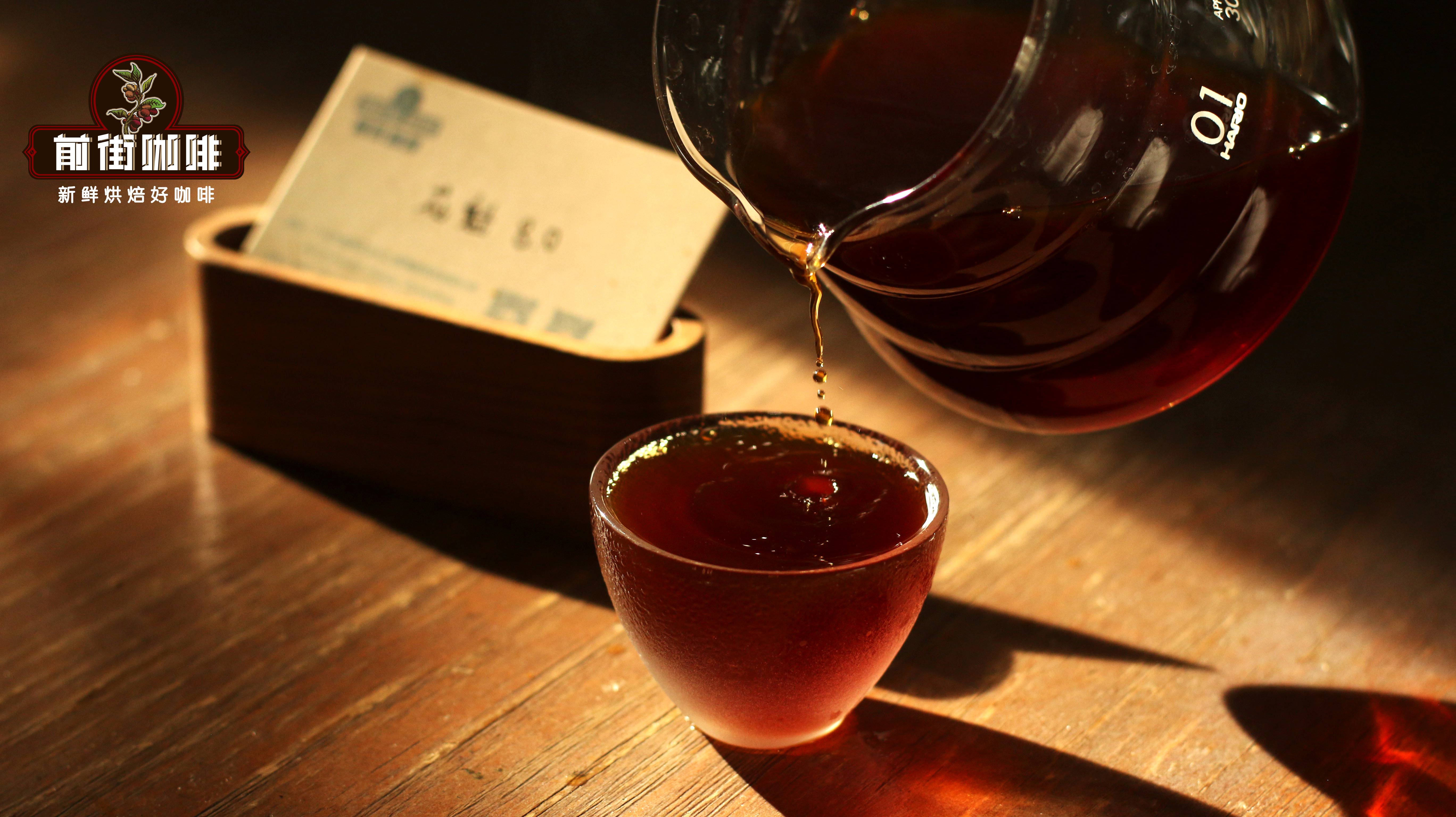
As a romantic symbol of winter, strawberries have won the hearts of many coffee fans through the bright creamy strawberry flavors of Ethiopia Sidamo’s Huacai coffee beans. The Chinese name “花魁” (Huacai), meaning “top courtesan” or “lead performer” in traditional performing arts, carries an intriguing historical significance.
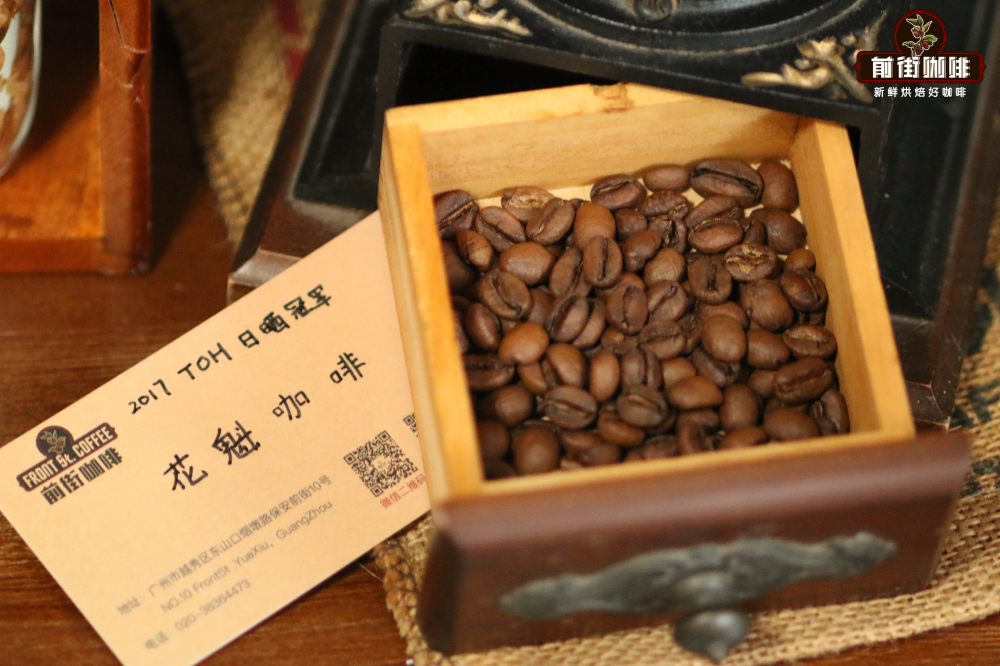
The English name for Huacai coffee beans is “Hambella,” directly translated as “Hambella,” which corresponds to its producing region. Initially an unknown bean, it rose to fame in 2017 when Ethiopian green coffee exporter DW sent it to the TOH (Taste of Harvest) competition organized by the African Fine Coffees Association. The sun-dried lot from Buku Abel Processing Station won the TOH Ethiopia championship with its intense strawberry and creamy aromas—this is the origin of the direct English translation “Hambella.”
Regarding whether Huacai and Geisha are the same coffee bean, here’s the clarification: Geisha is the name of a coffee variety. Due to its English spelling “Gesha/Geisha,” some associate it with the Japanese word for “geisha,” hence the term “geisha coffee.” As for why Huacai is called such in China, it’s because during the 2017 Chinese coffee competition, Li Jianfei used this non-Geisha bean to stand out among numerous Geisha entries and secure second place. To highlight its status, the bean was named Huacai, meaning “the foremost among geishas.”
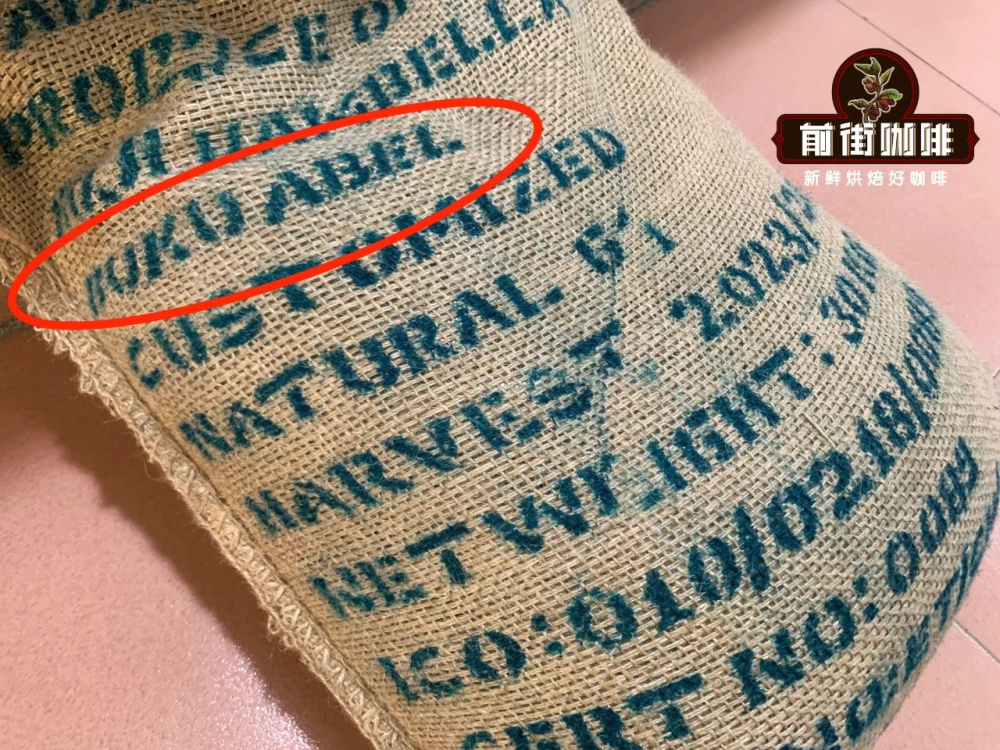
This Huacai coffee bean is produced in the Hambella region of the Guji zone, Sidamo, Ethiopia—a region that is the country’s largest coffee-producing area, with altitudes ranging between 2250-2350 meters. Huacai comes from Buku Abel Processing Station, the only station in the Hambella region that produces this particular sun-dried coffee.
Buku Abel, in the local Ethiopian language, means “new place.” This land is located in a high-altitude, pristine tribal area in the southeast, with a population of about 30,000. Coffee farmers have been cultivating coffee in these wild, primeval forests for generations, a tradition that also lays the foundation for Huacai’s unique flavor profile.
Huacai coffee beans are processed using the traditional sun-drying method, which helps preserve more aroma and sweetness. Farmers at Buku Abel Processing Station begin sun-drying when the sugar content of the coffee cherries reaches over 30%. During the first two days, they ensure proper humidity of the red cherries to promote full fermentation. Nighttime temperatures drop to around 12°C to prevent over-fermentation. After 18 days of sun-drying, once the pulp and skin are completely dehydrated, the green beans are stored in a warehouse with temperatures of 12-22°C and humidity of 45-55% for about 50 days of resting and further dehydration. When the moisture content reaches 11%, the beans are hulled and sorted before entering the market.
In a narrow sense, only the 2017 TOH sun-dried champion beans imported to China can be called Huacai. However, due to their outstanding flavor, Hongshun Company continues to import coffee beans from Buku Abel Processing Station in the Hambella region each year, naming them Huacai 2.0, Huacai 3.0, etc., to distinguish different batches. The 2020 Huacai 4.0, benefiting from expanded cultivation areas and scientific management, offers even better flavors. The 2021-launched Huacai 5.0 and Small Bean Huacai series feature smaller coffee beans, showcasing richer strawberry aromas and sweetness.
For brewing Huacai coffee beans, the pour over method is recommended to fully highlight their flavors. Suggested brewing parameters are: 15 grams of coffee grounds, a 1:15 coffee-to-water ratio, for a total of 225 grams of water. Start with a 30-second bloom using 30 grams of water, then pour water at a rate of 4 grams per second in a circular motion from the center outward until reaching 125 grams, then pause. Once the coffee bed has settled halfway, continue pouring to 225 grams and stop. Total brew time is approximately 2 minutes and 10 seconds.
The above content is compiled by CoffeeHunters, a coffee news website.


