








Introduction:The Best of Panama (BOP) competition is a landmark event in the specialty coffee industry. It has not only driven the refinement of Panama’s coffee offerings but also brought global fame to the Geisha variety from Hacienda La Esmeralda. This article delves into the origins of the BOP auction, explores the sources, processing methods, farm plot characteristics, and flavor profiles of the three main grades of Hacienda La Esmeralda—Red Label, Green Label, and Blue Label—and provides expert pour over brewing parameters to help you master the art of brewing these top-tier Geishas.
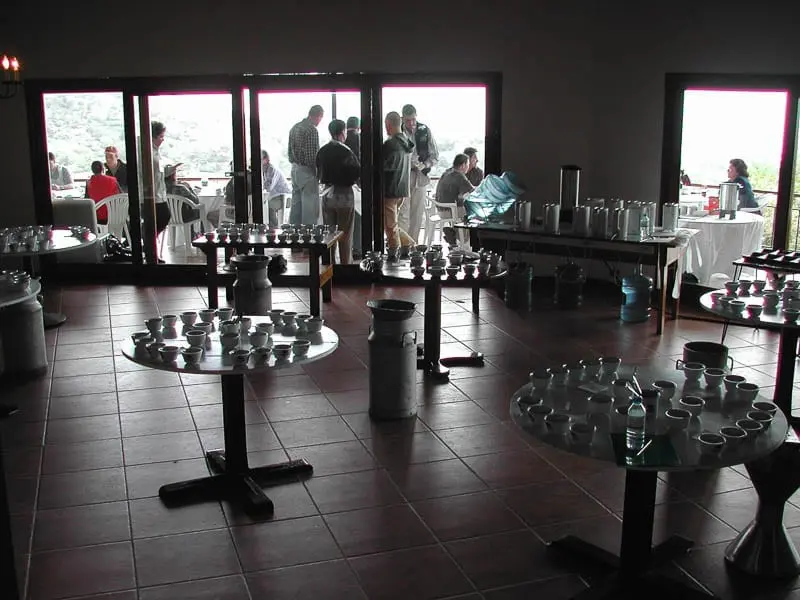
The Best of Panama (BOP) is the world’s first sensory evaluation competition dedicated to specialty green coffee beans. Through a rigorous blind tasting process, it identifies the highest-quality coffees produced in Panama. The competition has elevated Panama’s international coffee status and served as a launchpad for many renowned farms, with Hacienda La Esmeralda’s Geisha variety standing out the brightest.

BOP stands for "Best of Panama" and is organized by the Specialty Coffee Association of Panama (SCAP), a non-profit organization dedicated to promoting high-quality coffee through technological innovation and fair evaluation. Since its inaugural edition in 1996, BOP has become a focal point for both global specialty coffee buyers and producers.
The history of the BOP auction dates back to 1995, when seven Panamanian coffee-growing families jointly established SCAP. The following year, the first Panamanian green coffee competition was held. In 2004, SCAP organized the first BOP auction, featuring just 11 coffee lots with an average price of $2.89 per pound. By 2012, the average auction price had soared to $24.83 per pound, reflecting the strong demand and potential of the specialty coffee market.
Hacienda La Esmeralda is one of the most iconic participants in the BOP competition. The estate was purchased in 1964 by American banker Rudolph Peterson and was initially primarily used for livestock farming. It wasn’t until 1987, when his son Price abandoned his medical career to return and assist with management, that Catuai and Caturra varieties were introduced, followed by the establishment of a washed processing facility in 1994, gradually building a complete coffee production and sales system.
The year 2004 marked a turning point for Hacienda La Esmeralda. It won the championship at its first BOP competition, and the winning beans were later identified as the Ethiopian heirloom variety—Geisha. Following this, the estate invested heavily in meticulous management, particularly in cultivation across different altitude zones and batch separation, laying the foundation for its subsequent Red Label, Green Label, and Blue Label grading system.
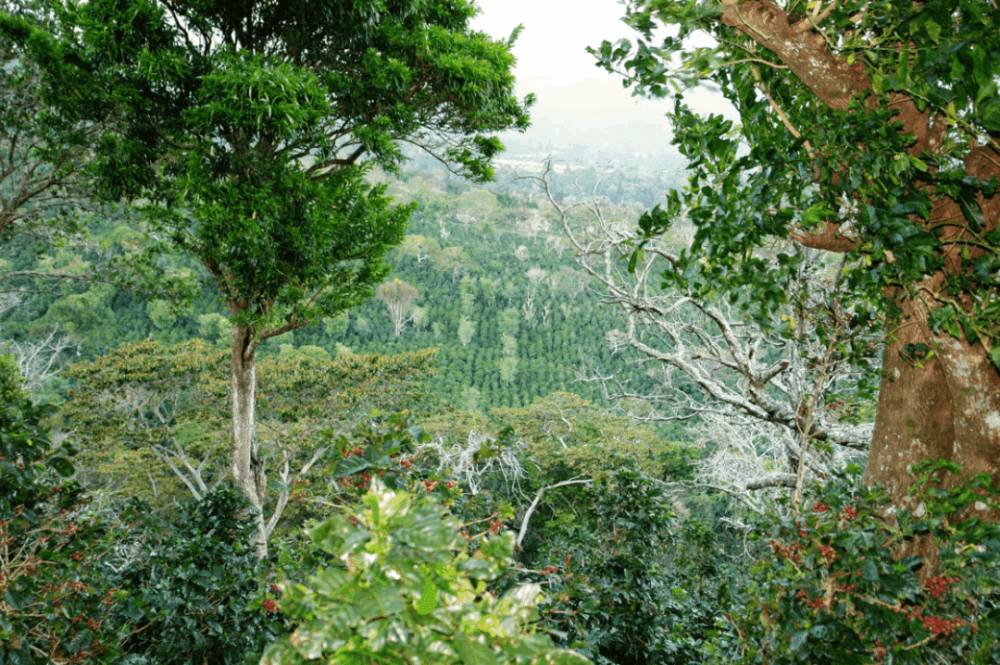
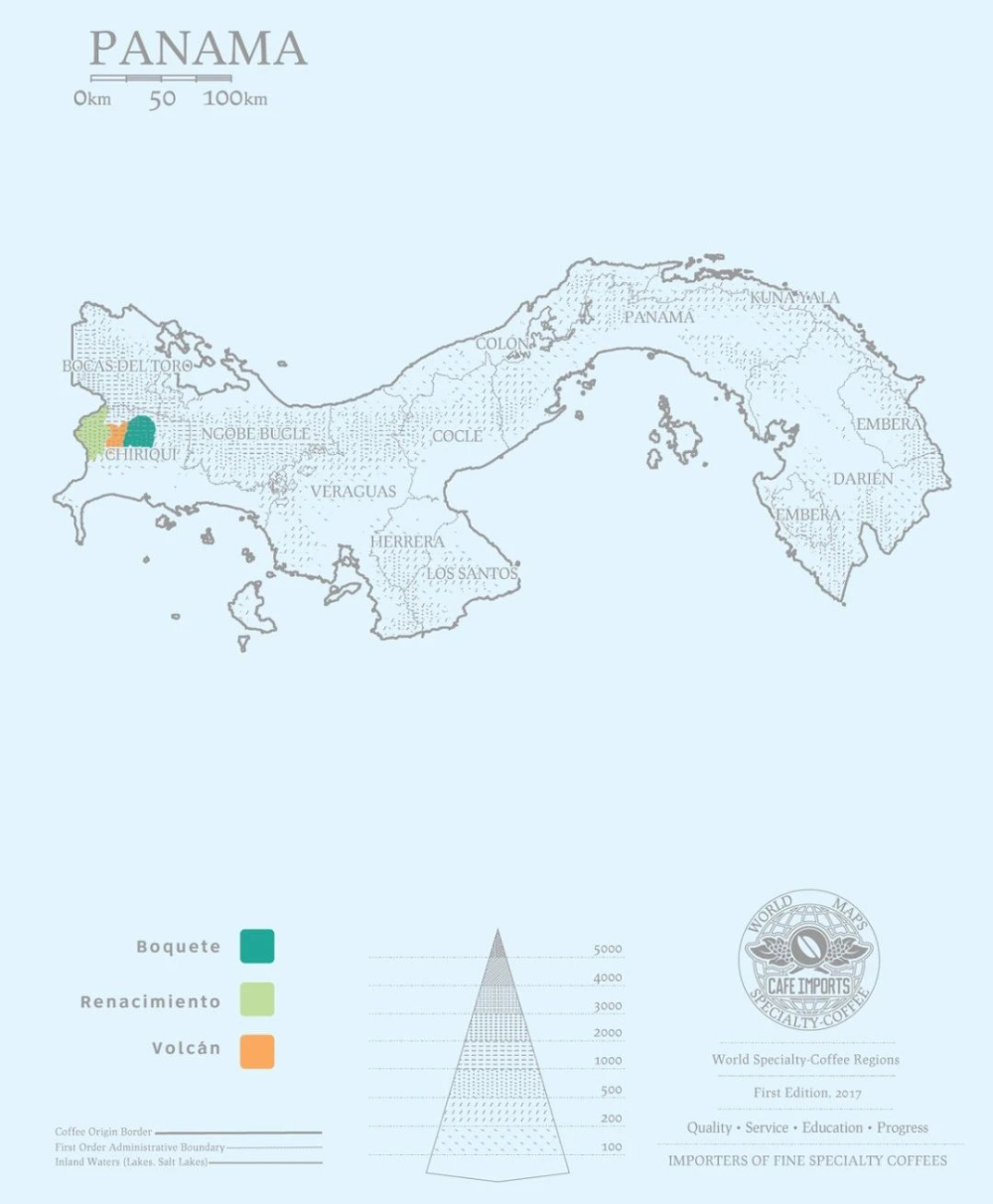
Panama boasts diverse microclimates, especially in the Boquete region, where Hacienda La Esmeralda is located. Boquete sits at an elevation of around 1,450 meters above sea level, featuring a cool climate with significant day-night temperature variations and complex terrain, all of which contribute to the layered and unique flavors of its coffee. Beyond Boquete, Panama also has other producing regions such as Volcán, Santa Clara, and Piedra de Candela, each showcasing distinct terroir characteristics.
Hacienda La Esmeralda owns several high-altitude planting areas in Boquete, with Jaramillo, Canas Verdes, and El Velo being the primary locations for growing Geisha. These plots are further subdivided into smaller blocks based on differences in altitude, soil, and microclimate. Through rigorous cupping selection, they have given rise to the now well-known Red Label, Green Label, and Blue Label grading system.
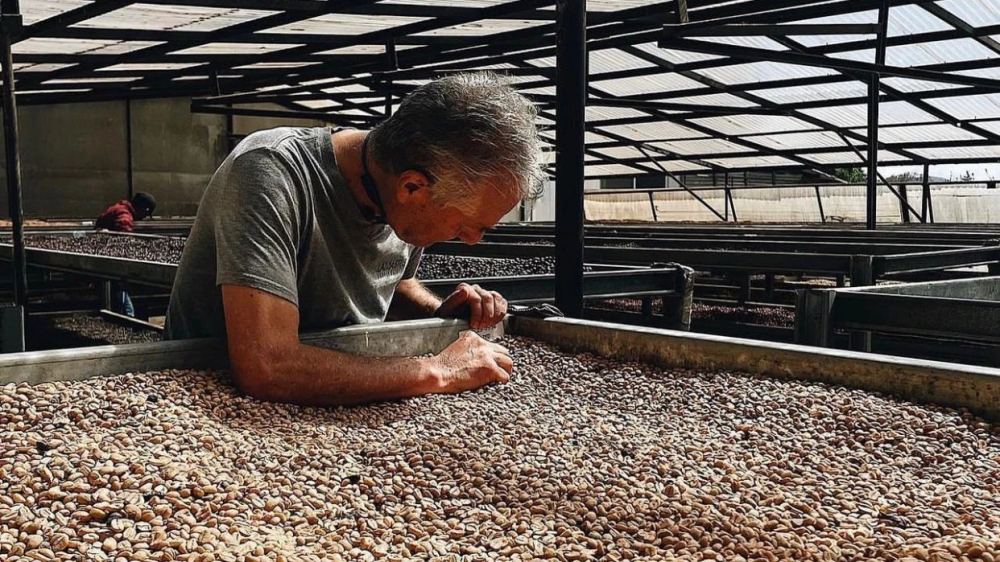
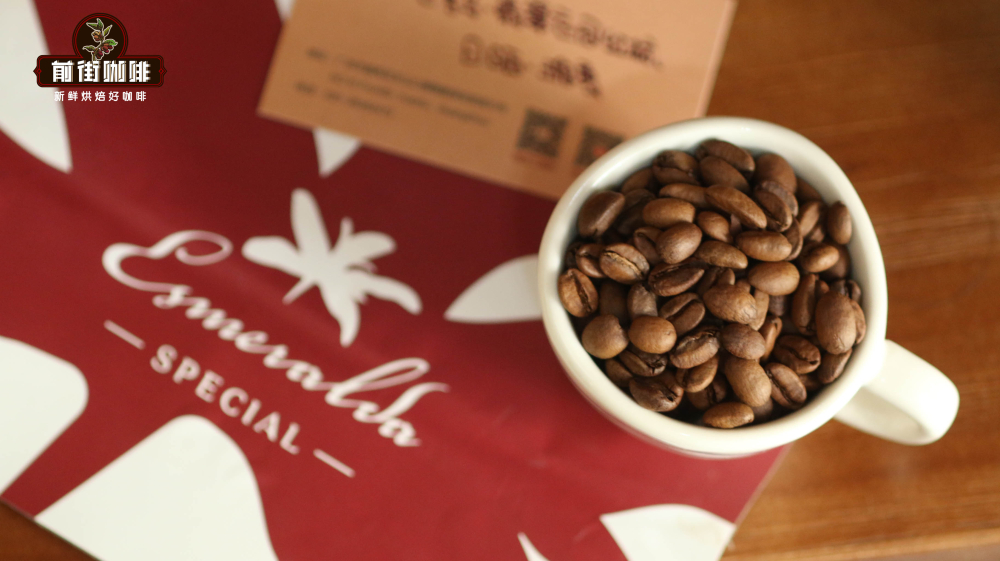
The Red Label Geisha, officially known as Esmeralda Special, is the flagship series of Hacienda La Esmeralda. Sourced from Jaramillo and Canas Verdes at elevations of 1,600–1,800 meters, it often scores above 90 points in cupping evaluations. This grade is available exclusively through global auctions and offers both washed and natural processing methods. Red Label Geisha typically comes from specific small plots, such as Mario and Noria, and exhibits exceptionally vibrant flavors, often featuring bright citrus, floral notes, and berry tones, with a rich and layered mouthfeel.
The Green Label Geisha, also known as Private Collection, while not participating in individual auctions, also comes from high-altitude, high-quality micro-lots. Its producing regions include Jaramillo and Canas Verdes, at altitudes of 1,600–1,800 meters, and it includes both washed and natural processing. Green Label is a blend of beans from different small plots, so its flavor may vary slightly between batches, but it still delivers the classic Geisha characteristics of citrus, fruity-floral aromas, and a juicy body, making it a great value choice. A common question is how to choose between Red and Green Label: simply put, Red Label can be traced to specific plots, whereas Green Label is a blend with similar flavors but less predictability.
The Blue Label Geisha, also called Geisha 1500, was previously Hacienda La Esmeralda’s mid-tier grade, using a blend of beans grown at elevations of 1,400–1,500 meters, mainly from the Jaramillo, Canas Verdes, and El Velo plots. This grade was only offered in washed processing, with a lighter flavor profile featuring soft acidity like lemon and grapefruit, noticeable sweetness, but overall a thinner body. Notably, between 2019 and 2022, Blue Label batches were gradually phased out by the estate, and it has become increasingly rare on the market.
For brewing, it is recommended to use a Hario V60 dripper, with water temperature controlled at 91°C, 15 grams of coffee, a 1:15 coffee-to-water ratio, and a grind size of EK43s setting 10 (approximately equivalent to 80% extraction through a No. 20 sieve in the Chinese standard). Light roast beans have a lower extraction yield, so slightly increasing the water temperature and using a finer grind can help fully highlight the delicate flavors of Geisha. In practice, if you don’t have a sieve at home, you can observe the pouring speed: if the flow is too fast, the grind is likely too coarse; if too slow, it may be too fine, and adjustments should be made accordingly.
A three-stage pouring method is recommended: start with a 30-second bloom using 30 grams of water, then pour in a small circular motion until reaching 125 grams for the first pour. Once the water level drops, pour again to 225 grams, then stop and remove the dripper just before it finishes dripping, with a total brew time of about 2 minutes. This method helps achieve even extraction, avoiding over- or under-extraction, and better highlights the aroma and layered complexity of Geisha.
In terms of flavor, Red Label Geisha features bright rose and citrus notes, accompanied by complex fruitiness like berries, apricots, and honey, with a full body and long-lasting aftertaste. Green Label showcases intense jasmine floral notes, balanced acidity and sweetness, with citrus, cantaloupe, and green tea undertones, offering a refreshing yet layered profile. Blue Label has a lighter profile, starting with soft acidity from lemon and grapefruit, followed by honey-like sweetness in the middle, and a finish with oolong tea and brown sugar notes, delivering a clean and bright cup overall, suitable for those who prefer a lighter, crisper taste.
The above content is compiled by CoffeeHunters, a coffee news website.


