







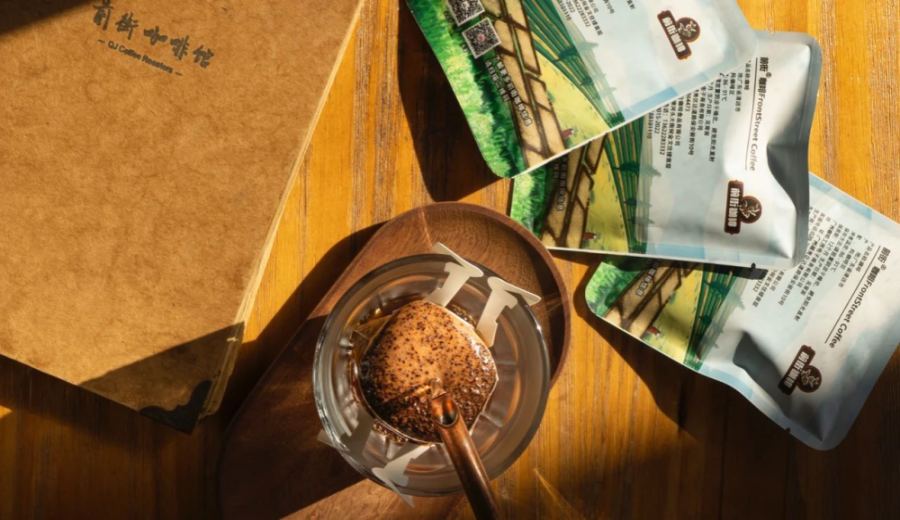
Introduction:Drip bags are a convenient option for many busy individuals to enjoy pour over-level flavors, but brewing a well-layered and balanced black coffee involves hidden expertise—from warming your cup, controlling water temperature, to mastering the pouring rhythm. This article provides an in-depth breakdown of the correct steps for brewing drip bag coffee, including pre-infusion time, water flow techniques, and ideal extraction parameters. It also debunks common misconceptions such as whether you can re-brew the same bag multiple times and what the optimal consumption period is—helping you consistently achieve a professional-grade coffee experience with simple tools.
Thanks to their portability and ease of use, drip bags have become a top choice for many coffee enthusiasts seeking a daily dose of black coffee. However, what seems like a simple “just add water” process actually involves multiple details—from cup warming, water temperature control, to pouring pace—that directly impact the final flavor. Below, we detail how to brew professional-level coffee using drip bags through proper technique, and answer common questions about reusing and selecting them.
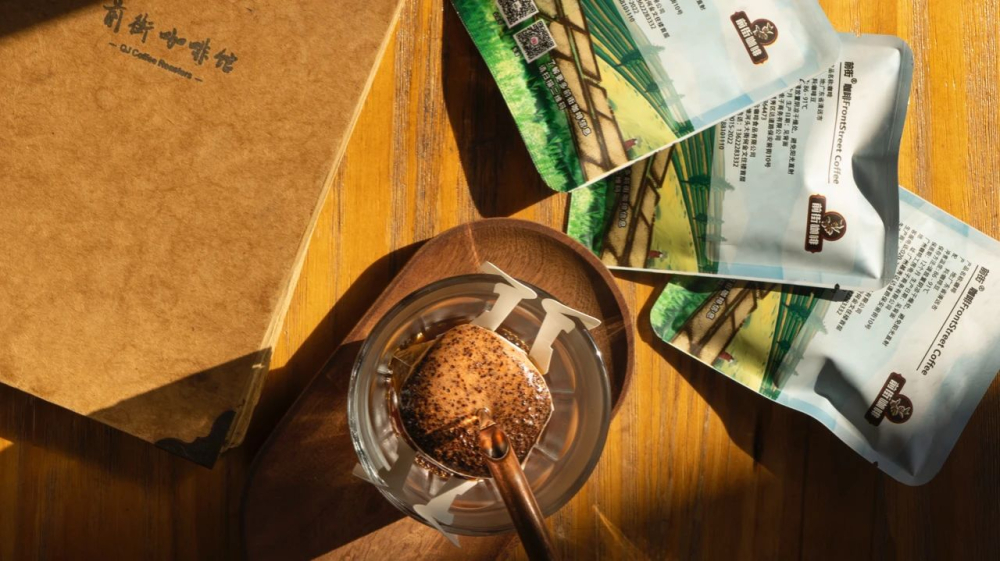
Drip bags can be described as the perfect embodiment of a “simplified pour over.” Their design involves packing freshly ground coffee into a filter paper pouch, individually packaged for easy use—allowing anyone with hot water and a cup to effortlessly enjoy the flavors of a pour over brew. Currently, the market offers drip bags showcasing a variety of regional flavor profiles, so whether you prefer a bold and rich style or a bright and acidic one, there’s a choice to suit your taste. Upon closer inspection, you may notice that different brands offer variations in coffee grounds weight, with the 10g packs often favored for their balanced strength and convenience.
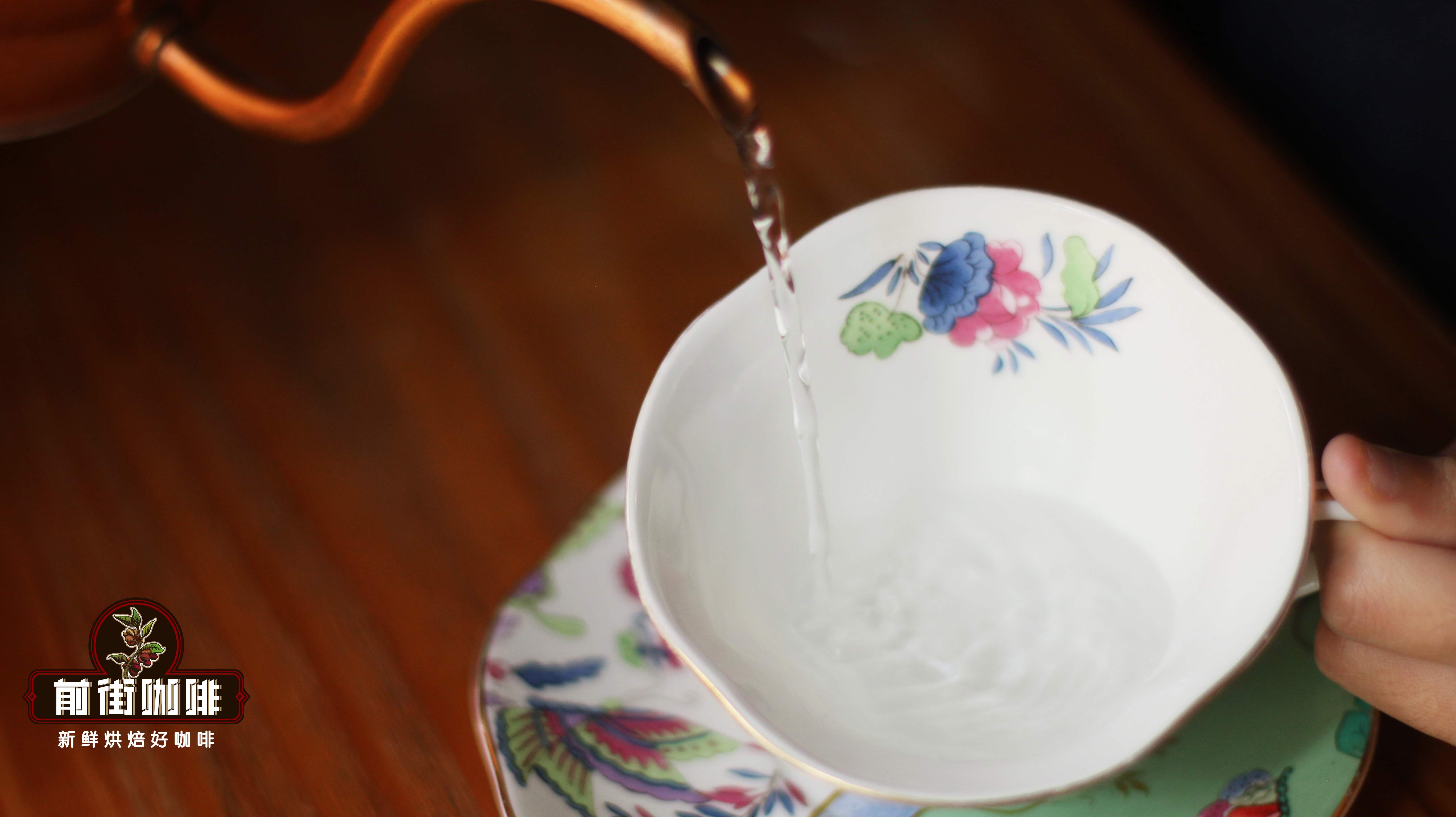
To brew a drip bag coffee with excellent flavor, the first step is cup warming. It’s recommended to pour some hot water into your cup to preheat it. This helps slow down the cooling rate of the coffee, preventing rapid temperature loss that could negatively affect flavor expression. Keep in mind that a coffee’s aroma and taste continue to evolve with temperature changes, and if your cup is too cool, the delicate layers of the coffee can quickly fade away.
Water temperature is one of the key factors affecting coffee extraction. It’s advised to maintain the water temperature between 90–95 degrees Celsius. If your brew turns out overly bitter, try lowering the temperature slightly; if the taste is too weak or astringent, consider increasing it a bit. Be cautious not to use water that’s too cool—for instance, directly pouring from a water dispenser often results in insufficient temperature, leading to a flat and uninspired brew.
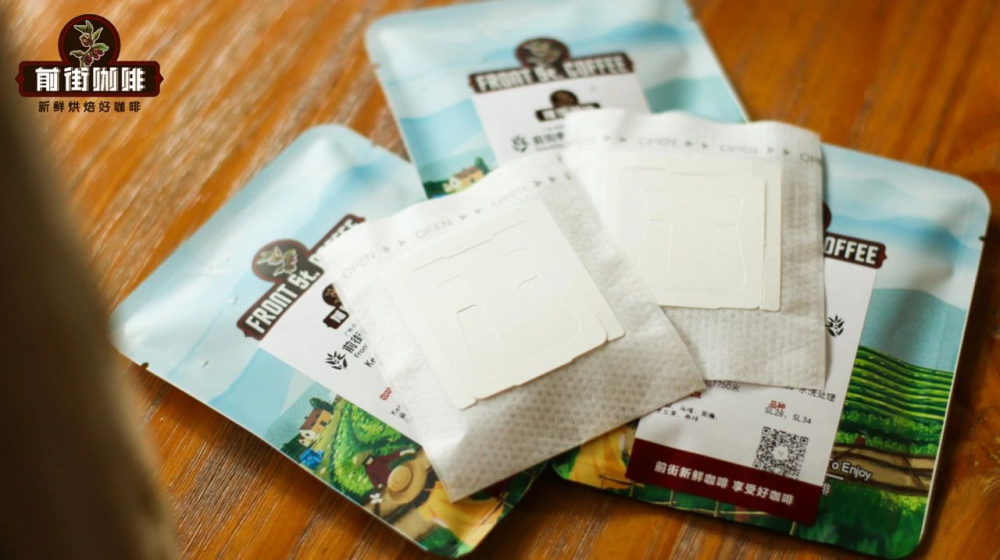
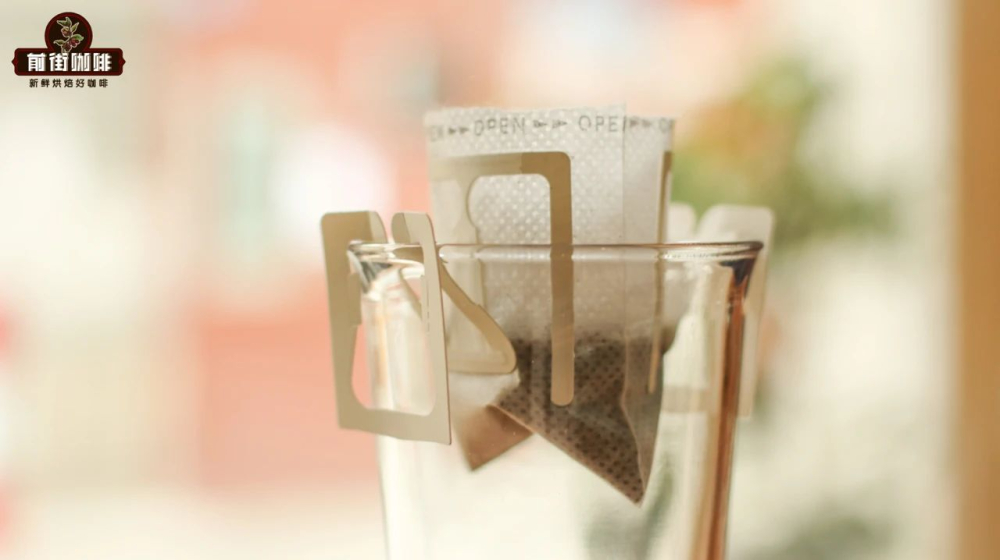
When preparing to brew, gently shake the drip bag to allow the coffee grounds inside to settle evenly, then carefully tear open the inner pouch. This minimizes the risk of coffee powder scattering when opening. After tearing the seal, unfold the two “ears” on either side and level the coffee grounds. Finally, securely hang the drip bag on the rim of your cup. You may refer to the diagram to ensure the drip bag is properly positioned, which helps facilitate even pouring later on.
The first pour serves as a pre-wetting step, and it’s recommended to add just enough water to fully saturate all the coffee grounds. This step, commonly known as “bloom,” typically requires waiting around 20 seconds to allow the coffee to fully absorb the water. For a richer taste, you can extend the pre-infusion time up to 40 seconds. The duration of this step significantly influences the final strength and body of the coffee.
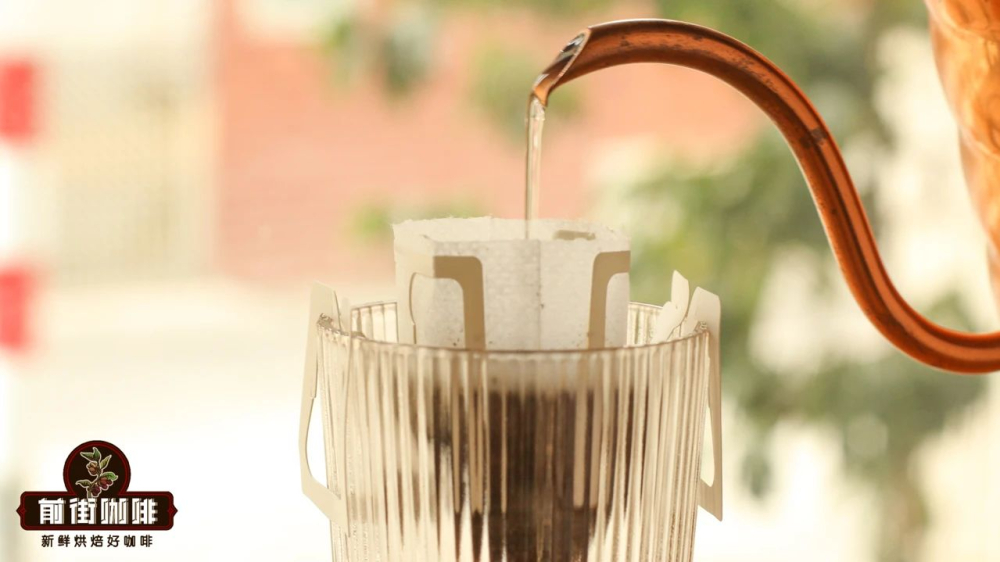
For the second pour, it’s suggested to pour until the water level reaches about 80% full in the filter, using a thin, steady stream. Once the liquid level drops back to the height after pre-infusion, continue pouring until it reaches 80% full again. The total extraction yield is ideally kept between 150 to 180 milliliters. There’s no need to wait for all the water to completely drain from the filter—once brewing is complete, you can simply remove and discard the drip bag. Depending on personal taste preference, you may adjust the water amount: those who prefer a stronger brew may reduce the pour volume, while those favoring a lighter taste may increase it.
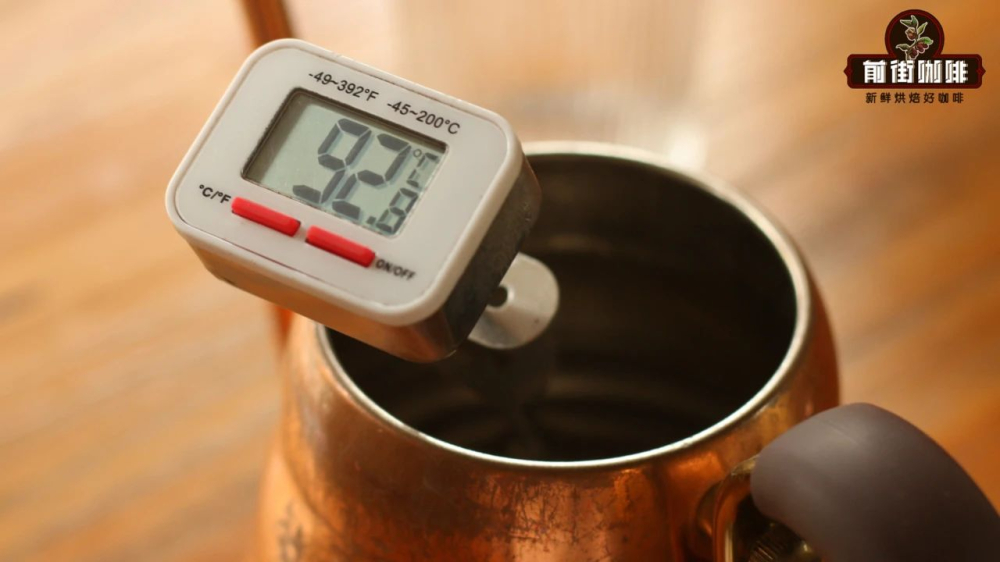
Regarding water volume, it’s recommended to use 150–180 milliliters of hot water when brewing with a 10g drip bag. Too much water can dilute the coffee’s flavors and diminish its layered complexity. As for water temperature, the ideal extraction range is around 90°C—water that’s too hot may lead to scorched or bitter notes. Additionally, a proper bloom step can greatly enhance the overall flavor profile; it’s advised to first pour a small amount of hot water to moisten the grounds, let it sit for 10–20 seconds, then proceed with the main pour.
As for whether you can re-brew the same drip bag multiple times—the answer is no. Like traditional pour over coffee, drip bags are designed for single-use extraction only. After the first brew, the leftover coffee grounds mainly release undesirable flavor compounds. From an extraction science perspective, only about 30% of the soluble substances in coffee grounds can be extracted by water, while the remaining roughly 70% consists of hard-to-dissolve fibers. No matter how long you steep it, the extraction rate won’t significantly improve—just like repeatedly brewing the same tea leaves will leave you with a dull, tasteless result.
When purchasing drip bags, special attention should be paid to product freshness. Although the shelf life is usually labeled as 6 to 18 months, this refers to storage viability—not the optimal flavor window. Since drip bags contain coffee that’s already been ground, their flavor deteriorates noticeably faster compared to whole beans. It’s advisable to check the production date and aim to consume the drip bags within two weeks of purchase to enjoy the best possible flavor. As a general guideline, purchase an amount suitable for about two weeks of personal consumption based on your usage rate.
The above content is compiled by CoffeeHunters, a coffee news website.


