







Category: Coffee Knowledge
Key factor in Assam tea garden yield decline: How microclimates dictate caffeine flavor
As the world’s largest tea-producing region, Assam’s output and quality are profoundly impacted by climate change. A recent ten-year study reveals that short-term weather fluctuations—such as consecutive rainless days or abnormal heat—are the direct culprits disrupting tea harvests. Drawing from measured data across 82 tea gardens, this article analyzes the delicate balance between rainfall and temperature, and offers four immediate adaptation strategies for tea farmers to help you better understand how regional climates shape the essence of tea. [more…]
Analysis of Price Trends for Kenyan and Sri Lankan Black Tea: 2021 Market Conditions and Evaluation of Bestliyan Black Tea’s Cost-Effectiveness
In 2021, global tea production and sales experienced significant fluctuations due to the pandemic. As major exporters of black tea, Kenya and Sri Lanka saw notable changes in auction prices, production volumes, and trade policies. This article provides an in-depth analysis of the black tea market conditions in both countries, explores the reasons behind the price increases, and evaluates whether Bestliyan Black Tea is reasonably priced from a consumer perspective. It also offers practical purchasing advice to help tea enthusiasts make informed decisions in a volatile market. [more…]
Behind the High Price of Darjeeling Tea: The Plight of Smallholders and Key Challenges in India’s Tea Industry Transformation
Renowned worldwide, Darjeeling tea carries a high price tag — but behind it lies long-standing structural challenges faced by Indian tea farmers and workers. During the pandemic, auction prices in southern India hit record highs, while those in northern Darjeeling saw both volume and prices decline. This article examines how the minimum support price for tea, auction dynamics, and agricultural reforms impact the industry, and explores whether land reform initiatives could bring new hope to tea growers, offering an in-depth look at the realities of India’s tea sector. [more…]
Mechanization of Kenya’s Tea Industry: Striking a Balance Between Labor and Costs
Kenya’s High Court recently ruled in favor of allowing tea estates to adopt mechanized tea picking, sparking intense debate between labor and management. While this decision could significantly reduce production costs, it may also lead to job losses for tens of thousands of tea pluckers. This article delves into the economic benefits behind mechanization, its impact on workers, global trends, and explores the implications of this transformation for supply chain choices within the coffee industry. [more…]
Current Production and Sales Situation in India’s Darjeeling and Assam Tea Regions: Controversies with Electronic Auctions and Purchasing Advice
Although India has digitized its tea auctions for five years, it still struggles with issues such as distorted pricing and imbalanced production and sales. The pandemic exacerbated production declines and logistics challenges, putting traditional tea regions like Darjeeling and Assam under severe pressure. For the first time, production from smallholder farmers has surpassed that of registered tea estates, reflecting shifts in industry structure. This article delves into the current state of the Indian tea market, including flaws in the auction system, production trends, declining exports, and the challenges of mechanization. It also offers practical advice for specialty black tea enthusiasts when purchasing Darjeeling and Assam teas. [more…]
Fuding Silver Needle vs. Indian White Tea: An Analysis of Premium White Tea Craftsmanship, Pricing, and Flavor Differences
Although white tea is renowned for its simple production process, white teas from different regions and grades can vary greatly in terms of raw materials, flavor, and value. This article provides an in-depth analysis of the key differences between Fuding Silver Needle and Indian white tea in terms of plucking standards, rarity of production, chemical composition, and brewing flavors. It also offers actual market price references for various grades of white tea to help you identify the characteristics of truly high-quality white tea and the craftsmanship behind it. [more…]
A Comprehensive Guide to White Tea Grades: From Fuding Silver Needle to Global Production Trends
White tea has evolved from a traditional market dominated by China’s Fuding and Zhenghe regions to expanding production across multiple countries worldwide. Along with this geographical diversification comes greater variety in product categories and grading systems. This article delves into the selection criteria of white tea’s three classic grades—Silver Needle, White Peony, and Shou Mei—traces the historical roots of Fuding white tea, and examines the challenges of quality and standardization amid global supply expansion. It aims to help readers understand the key characteristics and market trends of these low-oxidation teas. [more…]
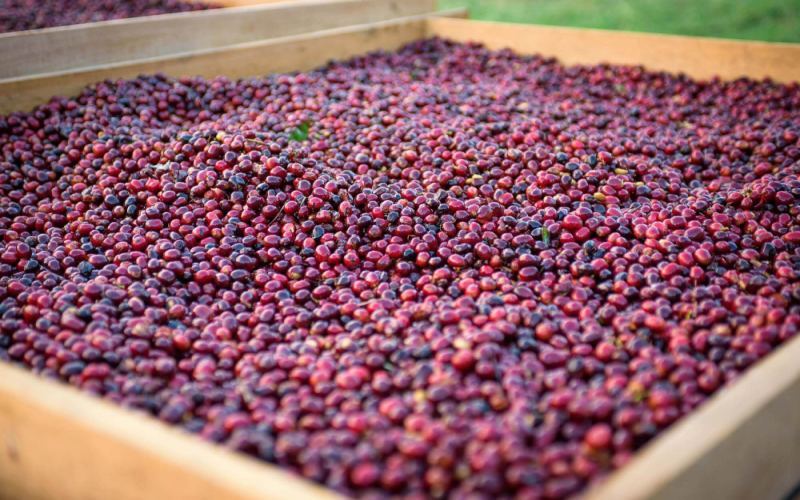
The Complete Guide to Pouring Over Geisha Coffee: Regional Differences, La Esmeralda Estate Grading & Brewing Parameters
Geisha coffee is renowned for its delicate floral aromas and bright fruity acidity, but there are significant flavor variations across different regions and grades. This article delves into the flavor profiles and recommended pour-over parameters for Geisha from three major regions — Ethiopia, Colombia, and Costa Rica. It also provides an in-depth analysis of the plot classification system at Panama’s La Esmeralda Estate, including the differences between Red Label, Green Label, and Blue Label grades and the optimal brewing methods, helping you master the essence of Geisha tasting. [more…]
Nepal Highland Black Tea: An On-Site Look at the Origin — A Comprehensive Analysis from Cultivation to Pricing
In recent years, Nepal highland black tea has gradually garnered international attention, thanks to joint efforts in origin certification, organic cultivation, and industry upgrading. This article delves into the journey of Nepalese tea from commercialization to export transformation, analyzes the market distribution of orthodox black tea and CTC tea, and helps you understand the pricing logic at the origin and how to identify authentic Himalayan black tea — enabling you to make smarter choices. [more…]
Tasting Himalayan White and Black Teas from India: Flavor Profiles of Assam and Darjeeling with Tea Buying Tips
This article delves into the renowned Himalayan white tea from Vahdam, a well-known Indian tea brand, as well as the beloved Assam and Darjeeling black teas favored by tea enthusiasts. From market trends and flavor characteristics to purchasing strategies, it helps you understand what makes these teas unique. Whether you're a beginner just exploring the world of tea or a connoisseur seeking high-quality leaves, you’ll gain practical insights on brewing and selecting them. [more…]
In-depth Analysis of the Climate Crisis in India’s Tea Industry: Regional Flavor Profiles, Yield Fluctuations, and Brand Market Strategies
Facing the dual pressures of drought and extreme weather, India—an important global tea exporter—is experiencing challenges on both the supply chain and harvest fronts. This article delves into how climate change in key production regions such as Assam and West Bengal is actually affecting yields, analyzes the unique flavor characteristics of teas from various areas, and reviews major tea brands with high market share as well as promising regional brands to help you grasp global tea market trends and selection tips. [more…]
Sri Lanka’s Ceylon Tea Shifts to Organic Production: New Policies Impact Top Brands & Future Price Trends
The Sri Lankan government has recently implemented aggressive policies to significantly reduce the use of synthetic fertilizers and pesticides, aiming to create the “cleanest tea in the world”—with a particular focus on Ceylon tea. This move not only disrupts smallholder farming practices and yields but will also reshape international market supply and pricing. This article delves into the soil restoration strategy behind the new policy, labor challenges, and shifting consumer trends, while comparing current prices and transformation strategies of three well-known Ceylon tea brands to help you make informed decisions for future purchasing and tasting choices. [more…]
An Overview of the World’s Top Four Tea-Producing Countries: Analysis of Black Tea Prices and Representative Tea Types
As one of the most popular beverages in the world, tea's flavor diversity is closely tied to its place of origin. This article delves into the four countries with the highest global tea production, analyzing the unique characteristics of their most representative tea types and revealing which black tea commands the highest market price. Whether you’re a tea enthusiast or industry professional, you’ll find practical insights for selecting and appreciating tea here. [more…]
Beginner's Guide to Brewing Loose-Leaf Tea: Water Temperature, Steeping Time, and Flavor Tuning
To brew a great cup of tea, mastering the right brewing techniques is key. This article details how to brew loose-leaf tea, including water temperature control, steeping time, equipment selection, and how to enhance flavor with seasonings. It also introduces you to the distinctive teas from China’s four major tea-producing regions and shares practical tips on making iced tea, helping you go from beginner to tea connoisseur. [more…]
Complete Guide to Tea Varieties: From Tea Plant Classifications to Global Growing Regions, Learn How to Choose Loose Leaf Tea and Tea Bags
This article delves into the essential differences between true tea and herbal tea, providing detailed introductions to the processing characteristics and flavor profiles of green tea, white tea, black tea, oolong tea, and pu'erh tea. It also guides readers through the regional characteristics of major tea-producing countries such as China, India, and Kenya. Additionally, it compares the pros and cons of loose leaf tea and tea bags, offering purchasing advice and brewing tips. Whether you’re a beginner or looking to refine your tea skills, you’ll gain practical knowledge from this guide. [more…]

How to Choose a Pour Over Blend? 3 Recipes & Flavor Profiles to Enhance Extraction Performance
Many people think that blended coffee beans are only suitable for espresso, but in fact, well-designed blends can also deliver outstanding flavors in pour over brewing. This article delves into the differences between blends and single-origin beans, busting the myth that “blends are inferior,” and introduces three tested and delicious pour over blend recipes—including Mamba, Rich Romance, and Floral & Fruity Harmony—analyzing their compositions and unique flavor profiles to help you find the blend that suits your taste. [more…]
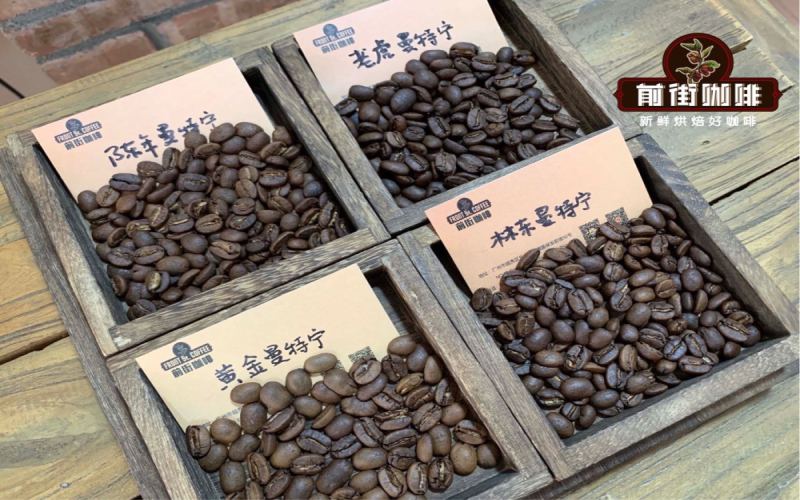
Mandheling Coffee Flavor Analysis | A Comprehensive Comparison of PWN Golden Mandheling and Jamaican Blue Mountain
Mandheling and Blue Mountain coffees are both among the world’s top-tier specialty coffees, yet their flavor profiles and target audiences differ significantly. This article delves into the causes of Mandheling coffee’s bitterness, the meticulous selection process behind PWN Golden Mandheling, and provides a comprehensive comparison with Jamaican Blue Mountain coffee—from growing regions and altitude to processing methods and flavor profiles—to help you choose the beans that best suit your taste preferences. [more…]
How did British black tea spark the American War of Independence? Understanding the tea tax博弈 through the Boston Tea Party
Did you know that a single cup of black tea could shake the financial lifeline of the British Empire, and even become the spark that ignited the American War of Independence? After tea was introduced to Britain from China in the 17th century, it transformed from an aristocratic luxury into a national obsession, yet plunged Britain into a massive trade deficit. To shift the crisis, Britain imposed taxes on its North American colonies, eventually triggering the Boston Tea Party in 1773. This article clearly analyzes this history intertwined with black tea, taking you deep into how tea taxes changed the global landscape. [more…]
Tasting Fujian’s Four Famous Teas: Brewing Method of Golden Monkey Black Tea & Comparison with Jasmine Dragon Pearls & Da Hong Pao
Fujian, blessed with unique geographical and climatic conditions, has nurtured numerous beloved classic teas. This article takes an in-depth look at the main tea-growing regions of Fujian, explains the correct brewing method for Golden Monkey black tea, and systematically compares differences among representative teas such as Jasmine Dragon Pearls and Da Hong Pao — from tea leaf morphology and aroma profiles to ideal drinking occasions. Whether you’re a beginner looking for an entry guide or a seasoned tea enthusiast aiming to refine your tasting skills, you’ll find practical insights here. [more…]
How to Choose the Tea Base for Cheese Foam Tea? A Complete Guide to Making Secrets and Flavor Pairings
Cheese foam tea has taken Southeast Asia by storm, with its addictive sweet-and-salty taste. This article dives deep into the essentials of selecting the right tea base, and shares a professional-grade cheese foam recipe—from ingredient ratios to whipping techniques—guiding you step-by-step to create the perfect foam. Whether you choose a black, green, or oolong tea base, each can achieve a wonderful balance with the rich foam, allowing you to recreate café-quality deliciousness at home. [more…]