







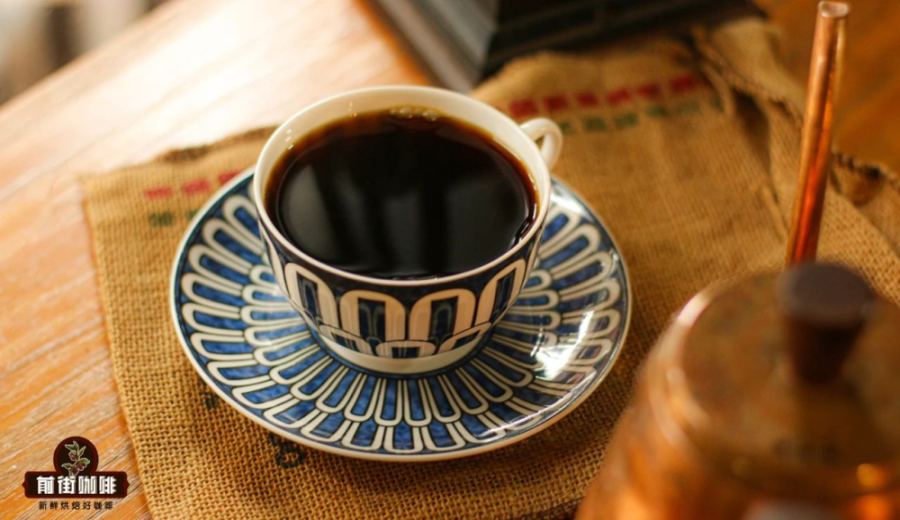
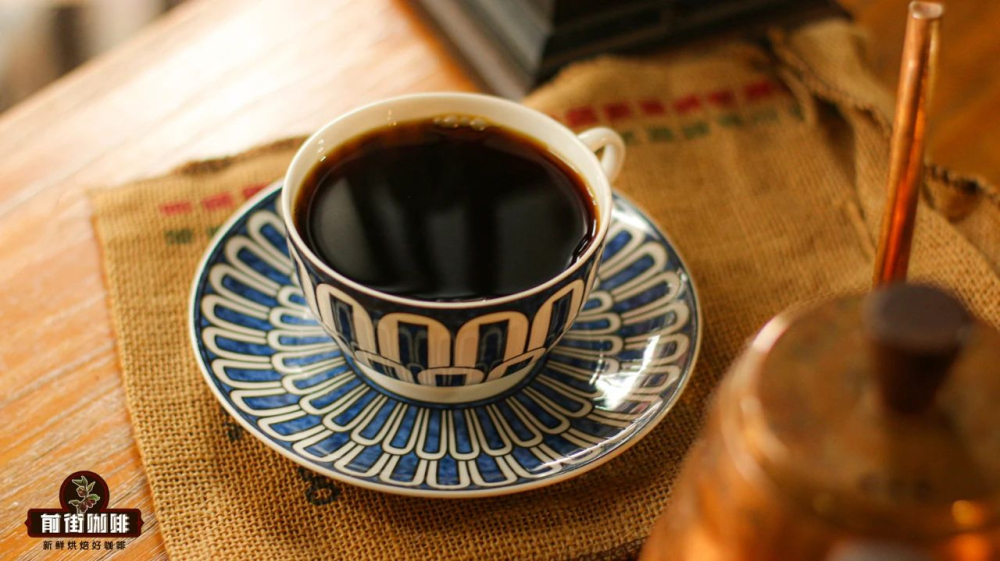
Introduction:Sumatra Golden Mandheling is renowned for its rich, full-bodied flavor and unique spicy sweetness, making it a classic choice for many coffee enthusiasts venturing into dark roasted single origins. This article provides a detailed exploration of its flavor profile and brewing parameters, covering everything from regional background and varietal origins to the wet-hulling processing method and Golden Mandheling’s selection criteria. It also introduces the background of the common Ateng variety, helping you gain a deeper understanding of this iconic Indonesian coffee.
In the world of specialty coffee, Sumatra Mandheling has long been a favorite among dark roast aficionados. This Indonesian coffee is celebrated for its bold, rich flavor, low acidity, and distinctive herbal and dark chocolate aromas. Among them, Golden Mandheling stands out due to its rigorous selection process, which results in an exceptionally low defect rate, making it a widely recognized symbol of high quality in the market.
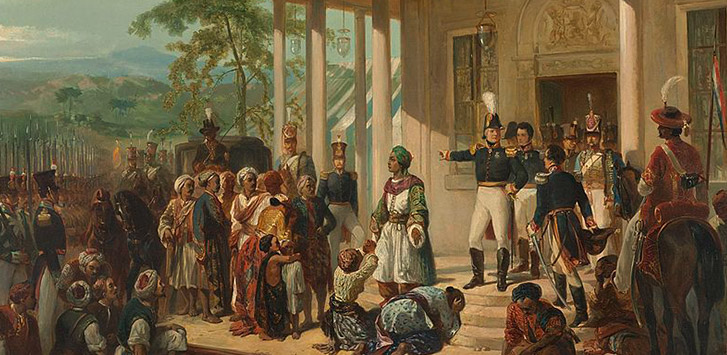
As Indonesia’s second-largest island, Sumatra is a powerhouse in the country’s coffee production, accounting for approximately 74.2% of the national output. Although coffee is not native to Indonesia but was introduced by Dutch colonists in the 17th century, it has evolved over centuries to become an important cash crop. Particularly after World War II, coffee regained its status as a vital source for both domestic consumption and export, with Sumatran coffee being among the finest.
When it comes to the origin of the name “Mandheling,” it actually does not refer to a producing region or a coffee variety, but rather to an ethnic group from Sumatra called “Mandailing (Mandheling).” The name was first introduced and promoted by Japanese merchants. Later, in 1957, a Japanese coffee trader established PWN (Pawani Coffee Company) to focus on exporting high-quality Mandheling, marking the beginning of this coffee’s journey to international markets. PWN developed a strict selection system to ensure the beans were large, uniform, and consistently high in quality.
Among the many Mandheling-producing regions, Lintong is regarded as one of the classic areas, with altitudes ranging between 1,200 and 1,500 meters, making it an important zone for producing premium Sumatran coffee. Lintong Mandheling is typically processed using the traditional wet-hulling method, resulting in a distinctly full body and low acidity, making it highly suitable for drinkers who prefer intense flavors. However, what truly brought Mandheling to global fame is PWN’s “Golden Mandheling.”
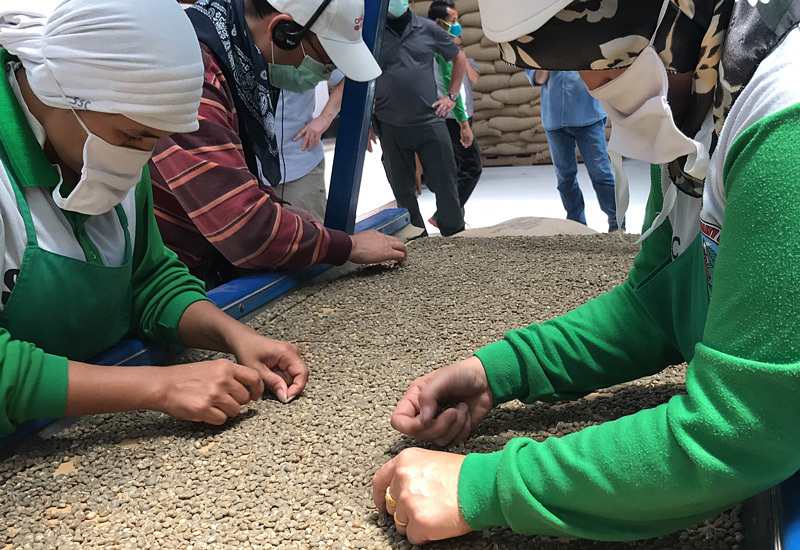
Golden Mandheling refers to top-tier Mandheling coffee beans produced by PWN that undergo four rounds of manual sorting to remove defective beans. These beans not only have a plump, uniform appearance but also offer a cleaner taste with a pronounced sweetness, representing the finest of the Mandheling offerings. It is worth noting that the name “Golden Mandheling” has been registered as a trademark by PWN, meaning only beans produced by this company can be legitimately called Golden Mandheling. While there are many imitations in the market that mimic the appearance through manual sorting, they often fall short in flavor purity and consistency.
To confirm authenticity, you may request the original PWN certificate and sack markings from the supplier—these serve as official proof of Golden Mandheling’s provenance. Additionally, due to the high cost of selection, the price is relatively higher, so consumers should pay attention to whether the price matches the quality and avoid purchasing ordinary Mandheling that has only undergone superficial visual sorting.
Another defining characteristic of Sumatran coffee is its unique “wet-hulling” process (Giling Basah / Wet Hulling). This method differs significantly from the more common washed or natural processes. The steps include: first removing the skin and pulp of the coffee cherry while retaining the parchment and mucilage; then undergoing a brief fermentation and washing away the mucilage; next drying the beans with their parchment for 2 to 3 days in the sun until the moisture content drops to 20–24%; subsequently removing the parchment and allowing the green beans to further dry to 12–13% moisture content before finally being prepared for export.
This processing method imparts Sumatran coffee with intense earthy, herbal aromas and low acidity, resulting in a full-bodied and layered cup. However, due to moisture control and environmental factors during processing, poor quality control can easily lead to contaminants or off-flavors. Therefore, products like Golden Mandheling, which undergo stringent selection, are especially prized.
Additionally, many consumers may notice that the variety marked on Golden Mandheling packaging is “Ateng.” Ateng is actually the local Indonesian term for a Catimor variety, a hybrid of Arabica and Robusta, derived from a cross between Caturra and Timor. Although Ateng is not traditionally favored in specialty coffee, its strong adaptability and high disease resistance have made it widely cultivated in Sumatra. It is important to note that Ateng has a relatively short lifespan, typically around ten years, and requires ample fertilizer and shade; otherwise, it can negatively impact flavor quality.
In terms of flavor, Mandheling generally exhibits strong notes of nuts, dark chocolate, and spices, with low but well-defined acidity. The cup often carries a subtle sweetness and a full body. Golden Mandheling, due to its higher bean quality, offers a cleaner taste, with even more pronounced sweetness and aroma. Whether brewed hot or used to make iced coffee, it showcases its uniquely stable flavor profile.
If you’d like to brew Golden Mandheling at home, here is a set of tested reference parameters: use a KONO filter, with about 15 grams of coffee, a water-to-coffee ratio of 1:15, and a grind size recommended to be around 70% passing through a Chinese standard No. 20 sieve (medium-fine for medium-dark roast). Water temperature should be controlled around 88°C. Brewing steps: start with a 30-second bloom using 30 grams of water, then pour in a slow circular motion to reach 125 grams and pause briefly, followed by gradually increasing the pour to 225 grams with a slightly wider stream. Total brew time is approximately 2 minutes. These parameters fully highlight the richness and aroma of Mandheling while avoiding over-extraction and bitterness.
It is important to note that the flavors of Mandheling beans dissipate quickly even after grinding, so it is recommended to buy whole beans and grind them just before brewing to preserve optimal flavor. Generally, the peak flavor period is around 4 to 7 days post-roast. With proper storage, you can enjoy several weeks of good flavor. Ultimately, whether Mandheling suits your palate depends on personal taste preferences. We recommend trying Mandhelings from different regions and processed in various methods to find your favorite.
The above content is compiled by CoffeeHunters, a coffee news website.


