








Introduction:Blue Mountain coffee is renowned for its rich, balanced flavor profile, but do you know what kind of coffee enthusiasts it suits? This article delves into the regional characteristics of Jamaican Blue Mountain No. 1, the background of the Clifton Estate, and its grading system, while also offering a practical brewing comparison between washed and natural processing methods. We provide useful parameter recommendations for the KONO filter, including how to identify authentic beans through details such as barrel packaging and Rainforest Alliance certification. Additionally, we introduce emerging offerings like Blue Mountain Geisha to help you fully grasp the essence of Blue Mountain coffee.
Blue Mountain coffee has long been celebrated for its clean, balanced, and rich flavor, making it a dream coffee for many enthusiasts. However, the commonly available "Blue Mountain flavor" in the market is often vastly different from the genuine article. Using a well-known brand’s Jamaican Blue Mountain No. 1 as an example, this article explores the unique geographical conditions of the Blue Mountain region, the historical background of the Clifton Estate, and the standards of the Blue Mountain No. 1 grade. It not only compares the brewing flavor differences between washed and natural processing methods, but also offers specific KONO filter parameter suggestions—such as water temperature, grind size, and pouring technique—to help you brew coffee at home that closely resembles the flavors of Blue Mountain.
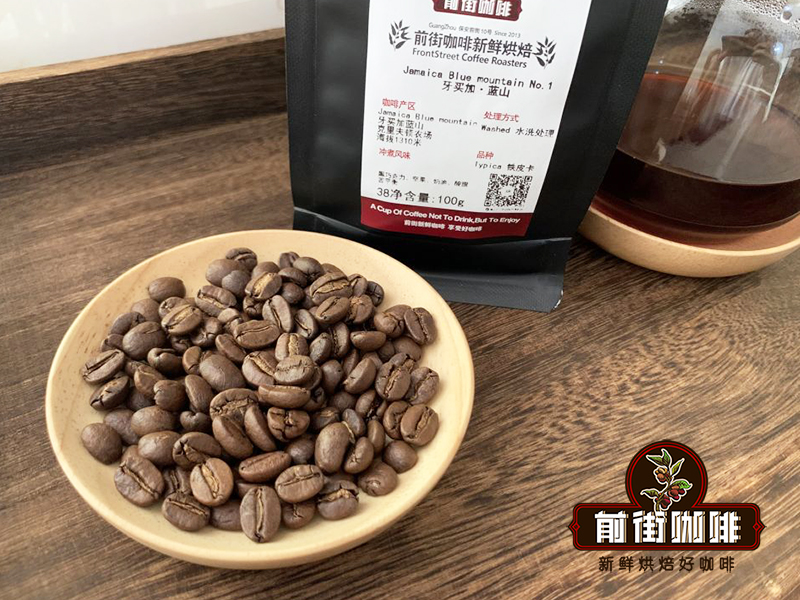
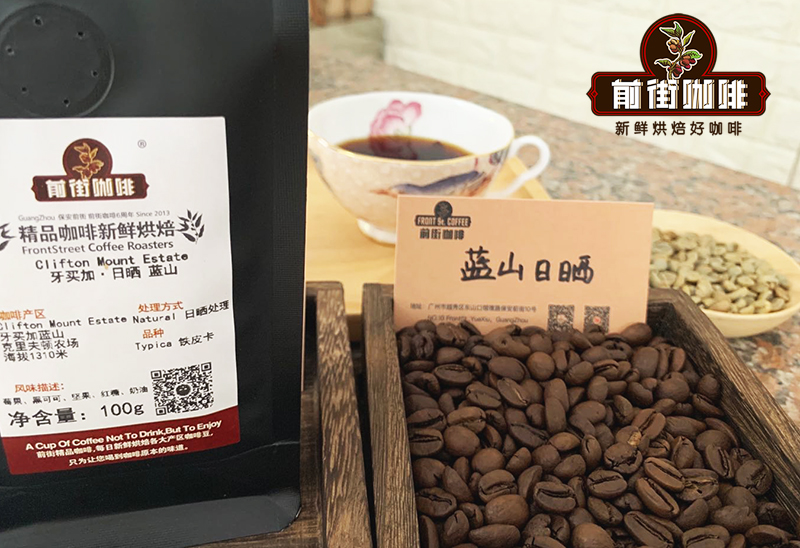
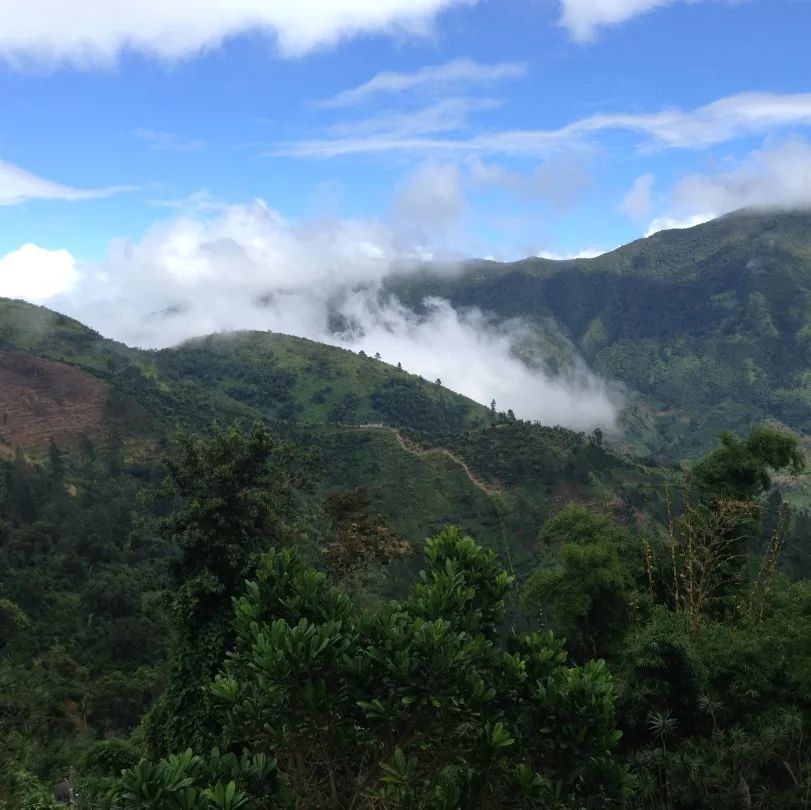
The Blue Mountain No. 1 beans used by this brand come from the Clifton Estate in the Newcastle region of Jamaica, grown at an altitude of about 1310 meters, with the Typica variety, and processed using the washed method. Its flavor profile is dominated by notes of chocolate, nuts, and creaminess, with balanced acidity, sweetness, and bitterness, resulting in a rich and mellow cup. What makes this coffee special is inseparable from the geographical environment of the Blue Mountains. The Blue Mountain range is the highest peak in the Western Caribbean, reaching an elevation of 2256 meters, located within the coffee belt at 25 degrees north latitude. It benefits from fertile, young volcanic soil, fresh air, abundant rainfall, and significant day-night temperature variations—all of which provide optimal growing conditions for coffee trees.
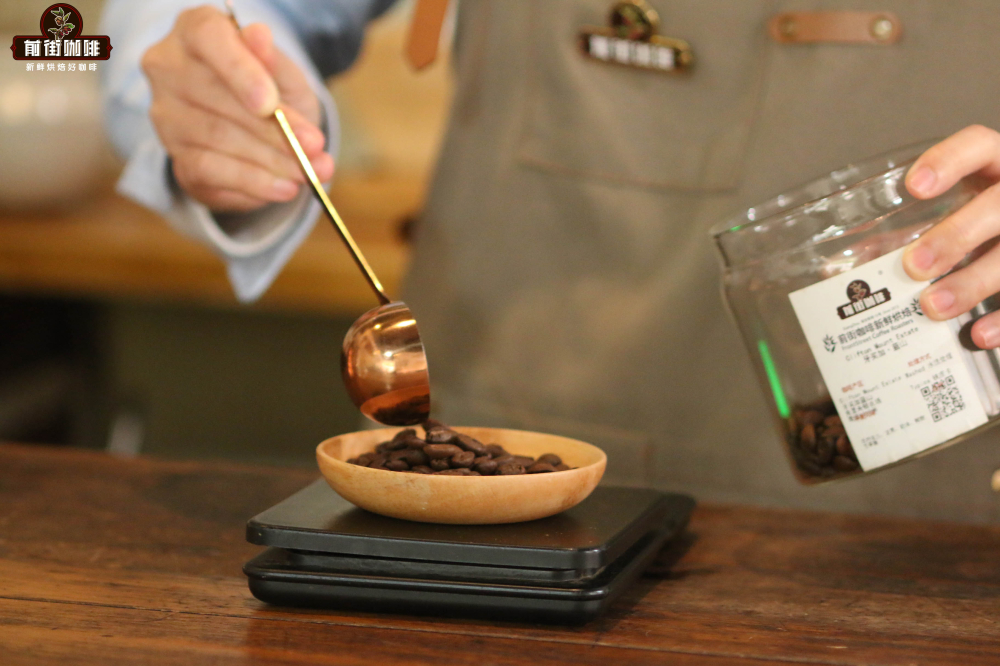
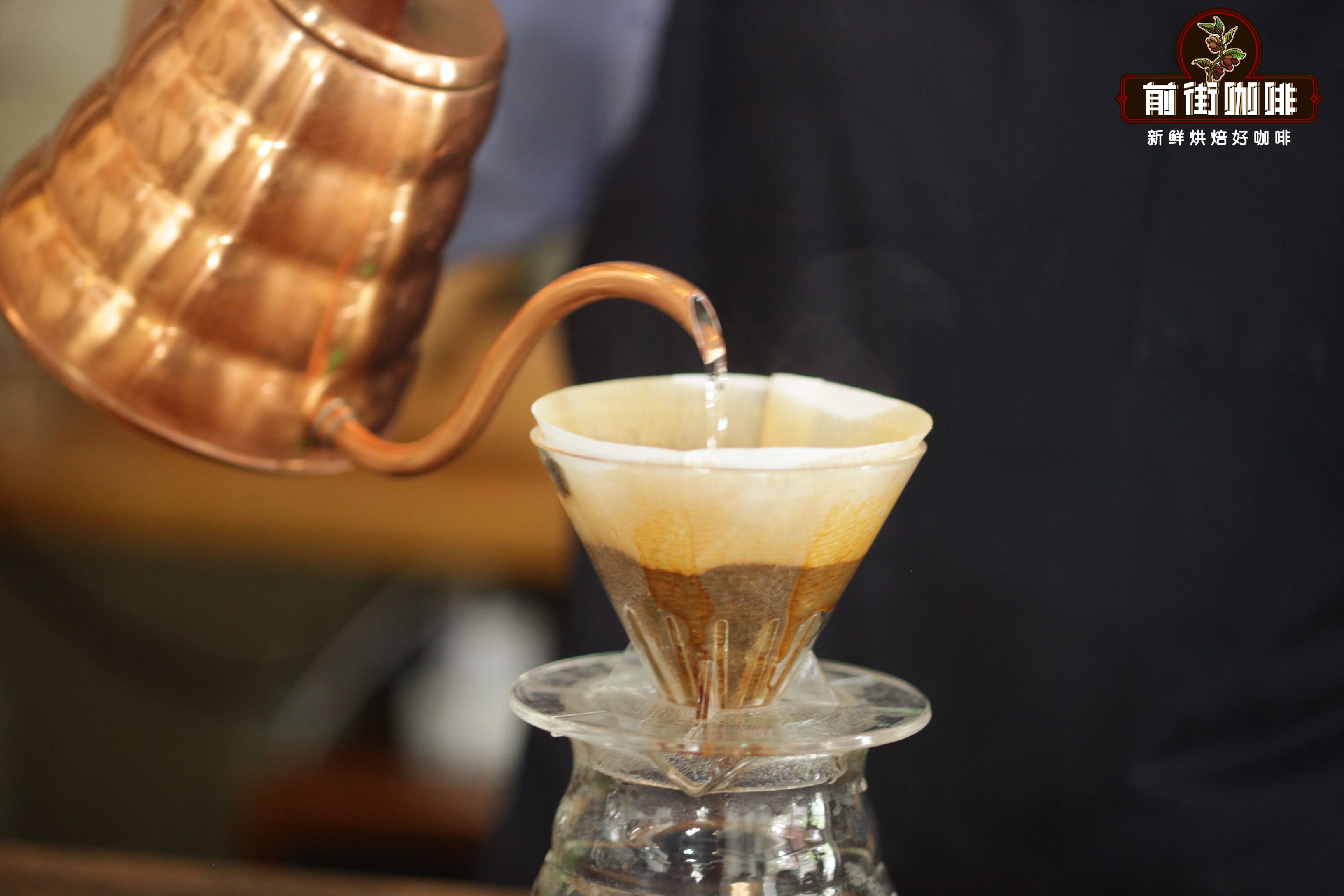
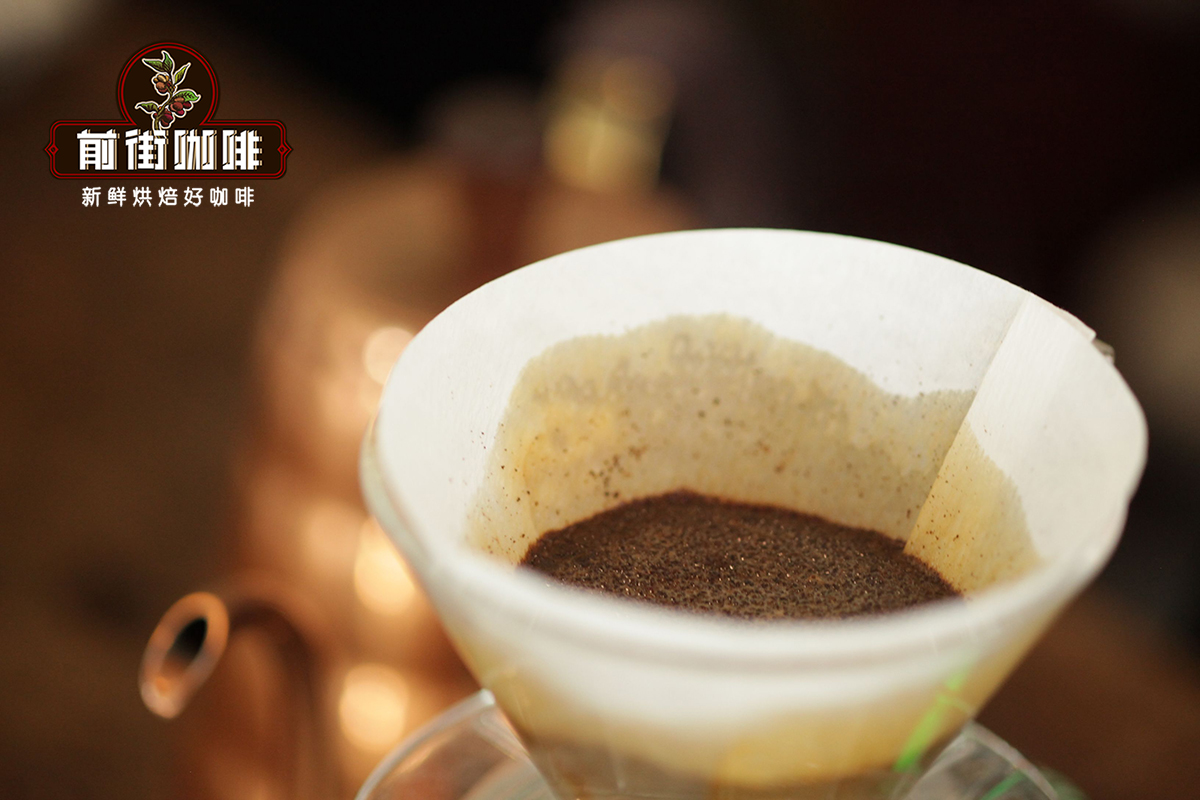
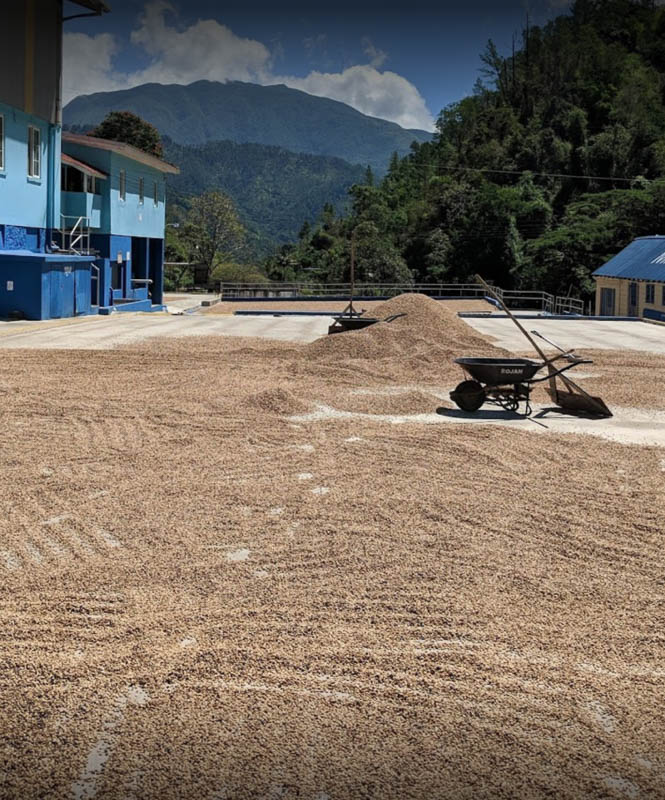
Blue Mountain coffee has traditionally been processed via the washed method, contributing to its rich and balanced flavor. It wasn’t until 2019 that the region began experimenting with natural processing, with the first small export of natural Blue Mountain coffee beans taking place in 2020. In this test, we also compared the performance of both washed and natural processing methods, using the KONO filter during brewing. Its unique design extends the contact time between coffee grounds and water, leading to more even extraction and enhanced body. Recommended parameters include a water temperature of 88°C, a grind size equivalent to 4.5 on the small Fuji conical burr grinder (about the size of coarse sugar), and a brew ratio of 1:15. The specific brewing steps are as follows: start with a 30-second bloom using 30 grams of water, then pour in a small circular motion up to 125 grams for the first pour. After the water level drops, continue pouring up to 225 grams and stop. The total brew time is around 2 minutes.
In terms of flavor, the natural-processed Blue Mountain No. 1 delivers a distinct initial sweetness reminiscent of brown sugar and bright berry-like acidity. The cup is well-balanced with layered complexity, featuring notes of dark cocoa and nuts, along with subtle fermentation and smoky undertones. In contrast, the washed version showcases a cleaner, mellower, and more intricate flavor, with prominent chocolatey sweetness and an excellent balance of sweetness, acidity, and bitterness, finishing with a lingering fruity aroma. Overall, the natural version offers more layered complexity, with hints of berry acidity and a tea-like feel, whereas the washed Blue Mountain retains its classic smooth, rich, and bright character.
The grading of Blue Mountain coffee follows strict standards, primarily based on defect rate, bean size, altitude, green bean density, and processing regulations. Jamaican Blue Mountain coffee is divided into three main categories: Blue Mountain beans, High Mountain Supreme beans, and Jamaican beans, with Blue Mountain beans further subdivided into No. 1 and No. 2—the two highest grades. The brand selected here is the top-tier Blue Mountain No. 1, meeting CIB standards that require beans to be 17+ screen size, with a defect rate below 3%, and a moisture content of around 13%. It’s worth noting that due to differences in altitude and climate across countries, coffee bean grades cannot be directly compared internationally, yet Jamaican Blue Mountain No. 1 maintains a unique and prestigious position in the global coffee market.

How can you identify genuine Blue Mountain coffee? Here are three key criteria: First, authentic Blue Mountain coffee must be exported by companies designated by the Jamaica Coffee Industry Board (CIB). Most genuine products in the Chinese market come from quota allocations in countries like Japan and Europe, with Japan accounting for 85% of such quotas as of 2013. Second, Blue Mountain is the only producing region that uses wooden barrels for exporting green beans; other coffees are typically shipped in jute sacks. This tradition dates back to the British colonial era and is intended to preserve the aroma and quality of the coffee. Third, barrels from the Clifton Estate bear a frog logo, indicating Rainforest Alliance (RFA) certification—this estate is the only one in Jamaica to hold such certification.
The year 2020 marked a pivotal moment for Blue Mountain coffee. In addition to its longstanding focus on washed Typica, that year saw the debut of naturally processed Blue Mountain No. 1, breaking the mold of traditional processing methods. It also introduced the Blue Mountain Geisha variety, further expanding the flavor possibilities of Blue Mountain coffee. The Geisha variety is famed for its distinctive floral and fruity aromas. Though produced in limited quantities, it shows bright citrus acidity, honeyed pomelo sweetness, and jasmine floral notes in cupping, with cooling phases bringing honey sweetness and caramel aftertaste. Upon receiving the Blue Mountain Geisha green beans, the brand also paid special attention to ensuring they were still packaged in wooden barrels and affixed with Tropical Rainforest Alliance certification labels, verifying their authenticity.
In summary, Blue Mountain coffee is not just the pinnacle of flavor expression—it is also a premium coffee experience that combines geography, history, and a rigorous grading system. Whether you’re a beginner seeking a balanced and mellow cup or an advanced enthusiast eager to explore the variations of natural processing and Geisha, understanding the origin, processing methods, and authenticity markers of Blue Mountain coffee will allow you to better appreciate the unique charm of this “King of Coffees.”
The above content is compiled by CoffeeHunters, a coffee news website.


