







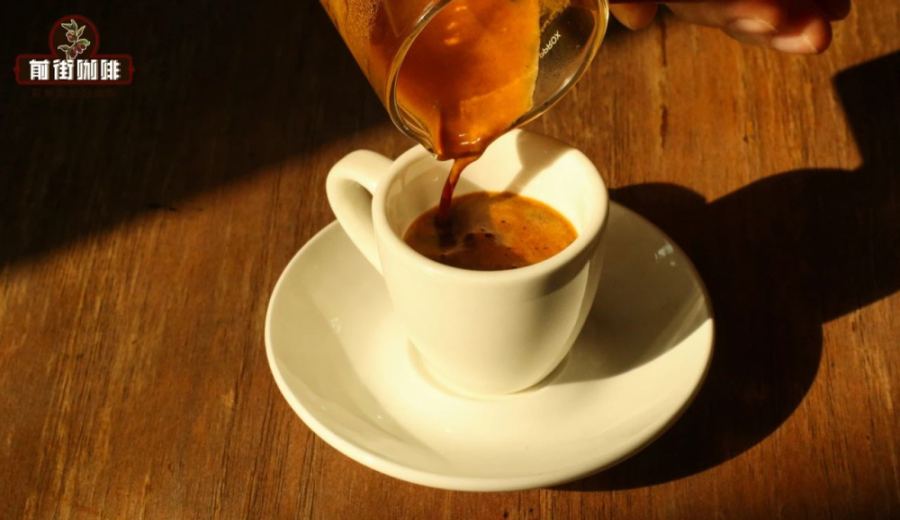
Introduction:Do you prefer the rich woody aroma of Mandheling or the bold crema texture of espresso? This article delves into the core differences between single-origin coffee and espresso-based coffee, comparing everything from origin, processing methods, roast styles to brewing techniques. It focuses particularly on Mandheling beans from Sumatra, Indonesia, analyzing the unique characteristics of its wet-hulling process, SOE espresso, and Americano brewing, and provides professional pour-over and machine extraction parameter recommendations to help you find the cup that best suits your taste.
So which is better tasting—Mandheling or espresso? This question reflects the fundamental differences between the single-origin and espresso coffee systems. Starting with a historical perspective, it explores the core distinctions in bean selection, extraction techniques, and flavor profiles, using the renowned Mandheling from Sumatra, Indonesia, as an example to examine its unique performance as both a single-origin bean and a single-origin espresso (SOE), as well as the actual flavor direction when used for making Americano. Whether you prefer the deep richness of Mandheling or the intense expression of espresso, understanding these differences allows you to more accurately choose a coffee experience that matches your personal taste.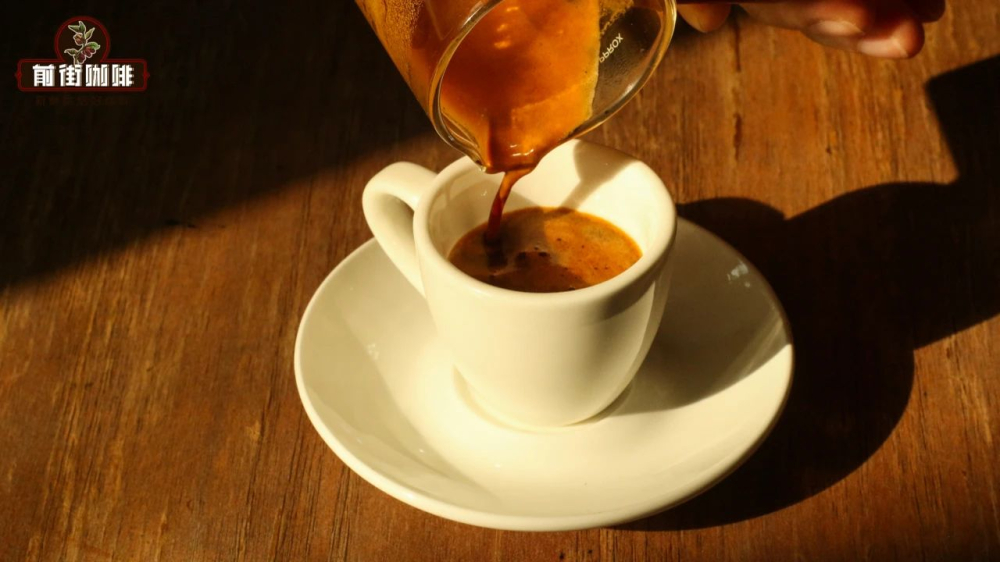
To deeply compare Mandheling and espresso, we first need to clarify the basic definitions and differences between single-origin coffee and espresso-based coffee. These two types can be likened to 'slow coffee' and 'fast coffee': espresso emphasizes efficiency and immediate satisfaction, while single-origin coffee focuses more on cultural heritage and nuanced layers, sharing similarities with the appreciation methods of Chinese tea ceremony. In fact, the history of single-origin coffee predates that of espresso.
The history of coffee can be traced back as early as the 6th century BCE. According to the "Shepherd’s Legend" recorded by Rosst Nairoy, a shepherd noticed his flock acting unusually energetic after eating red berries, and after sharing them, people experienced a stimulating effect—the culture of coffee was thus born. Early coffee drinking methods were extremely simple, even involving eating the coffee fruit directly. Later, Arab merchants, for ease of long-distance travel, dried and ground the coffee fruit, and the method of brewing with hot water gradually evolved into the familiar coffee beverage we know today.
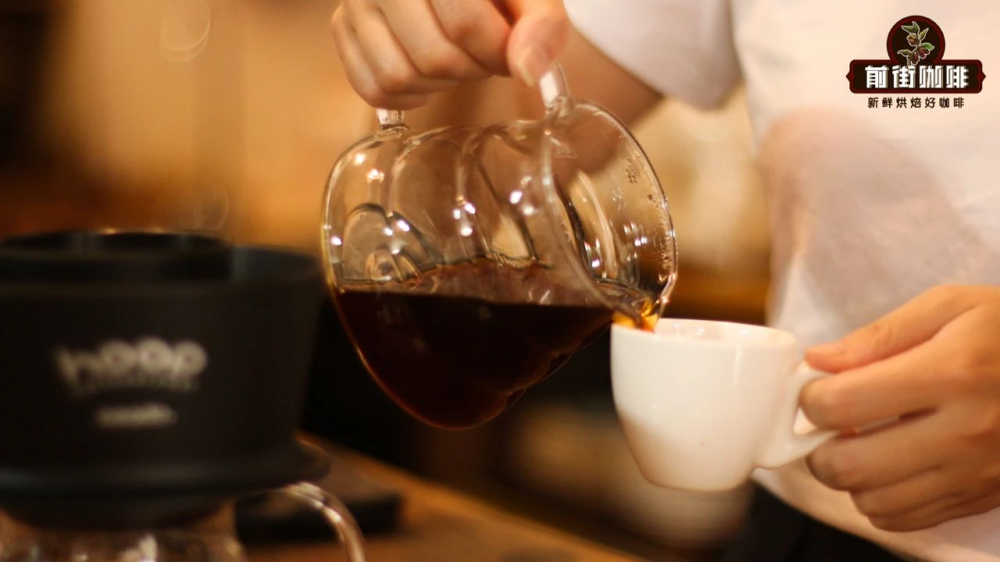
Single-origin coffee, much like tea, has a rich classification system. For example, within green tea there are numerous varieties—oolong, Tieguanyin, and Longjing—not only come from different regions, but each type of tea also has its own unique personality and background story. Similarly, Blue Mountain and Kopi Luwak are just a small part of the single-origin coffee world, while beans like Yirgacheffe, often chosen by beginners, are beloved for their bright, sweet flavors and small, round shapes. Mandheling is a classic representative of single-origin coffee, known for its full body and rich, bold flavors. Compared to the intense impact of espresso, it offers a smoother, more balanced taste. Many famous origin coffees are often closely tied to local history and culture, becoming symbols of regional identity.
The flavor of single-origin coffee is influenced by multiple factors: from inherent conditions such as variety, terroir, and altitude, to picking methods and drying processes, to the individual interpretation of roasters and brewing techniques by baristas—including variables such as grind size, water temperature control, and pouring methods—ultimately creating the unique flavor profile of each cup. If you enjoy exploration and experimentation, try adjusting the water temperature or pouring technique; small changes can often lead to vastly different flavor experiences. Professional shops typically standardize parameters such as filter type, water temperature, grind size, brew ratio, coffee dosage, and extraction time to ensure customers can clearly discern subtle differences between bean varieties.
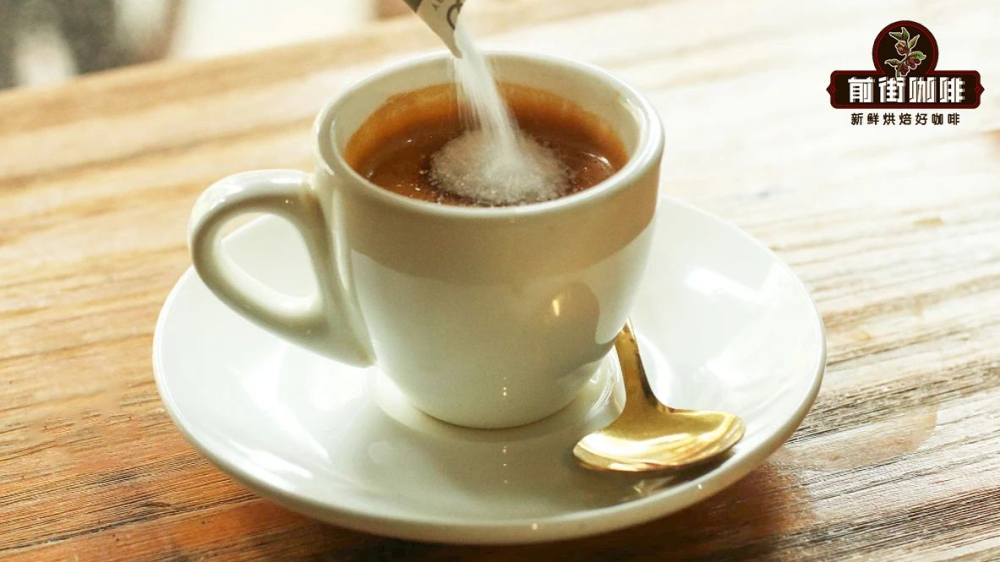
Espresso, as the name suggests, originated in Italy and is a product of the Industrial Revolution and steam engine technology. By the end of the 18th century, with the application of steam engines, the first generation of steam-powered coffee machines emerged, laying the foundation for modern espresso. Espresso often uses blended beans but can also use single-origin beans—for example, Mandheling can serve as the base for a single-origin espresso (SOE), and when water is added, it becomes the familiar Americano.
Simply put, espresso is a brewing method with specific requirements for bean selection, while single-origin coffee emphasizes the unique flavor expression of a single variety. Some coffee shops may mix Robusta and Arabica beans to reduce costs or adjust flavor—this isn’t merely cutting corners. Although Robusta is slightly inferior in quality to Arabica, its bold, heavy characteristics and high crema content make it particularly suitable for dark roasts and pairing with milk and sugar, becoming a common choice in espresso. Conversely, using Robusta for single-origin coffee often results in unpleasant rubbery notes or excessive bitterness.
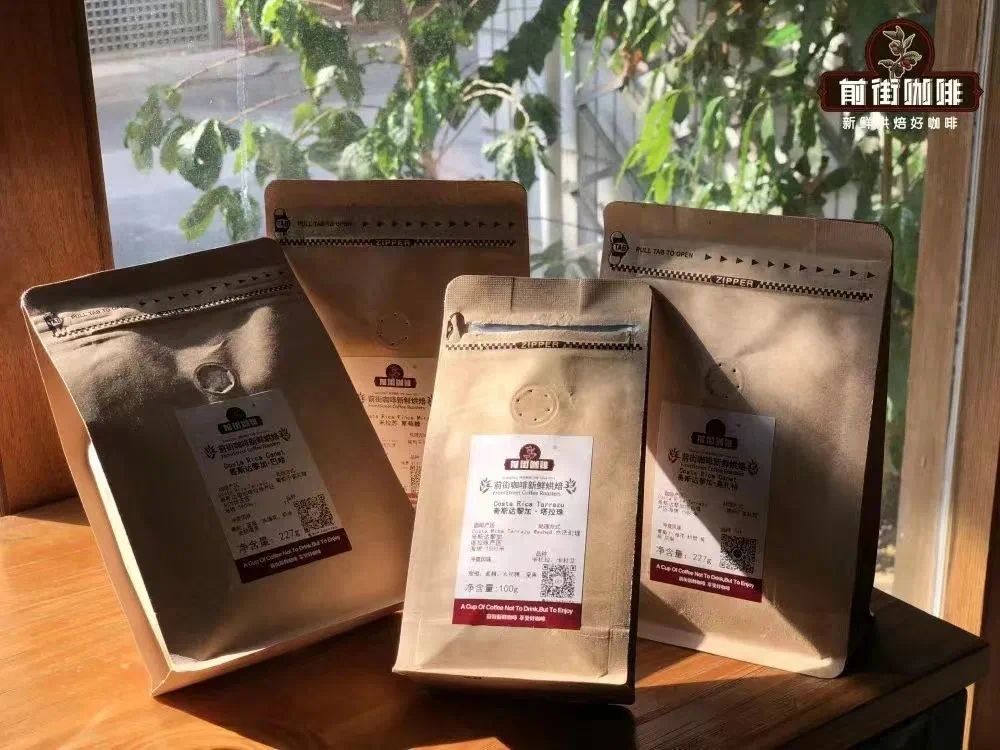
Nowadays, more and more coffee shops are opting for premium Arabica single-origin beans, crafting more balanced espresso blends through refined selection and roasting adjustments. The goal of blend design is to merge characteristics from different regions, resulting in a more harmonious final flavor. Take the Warm Sun Blend as an example—it consists of 70% Honduran Sherry and 30% sun-dried Yirgacheffe Red Cherry, producing an espresso with distinct fermented wine notes. On the palate, one can taste citrus and berry acidity paired with whiskey-like aromas, with a finish of rich dark chocolate. When brewed using pour-over, the flavor is fresher, with wine and dark chocolate notes at higher temperatures, and citrus and berry acidity gradually emerging as it cools, overall presenting a clean and refreshing profile.
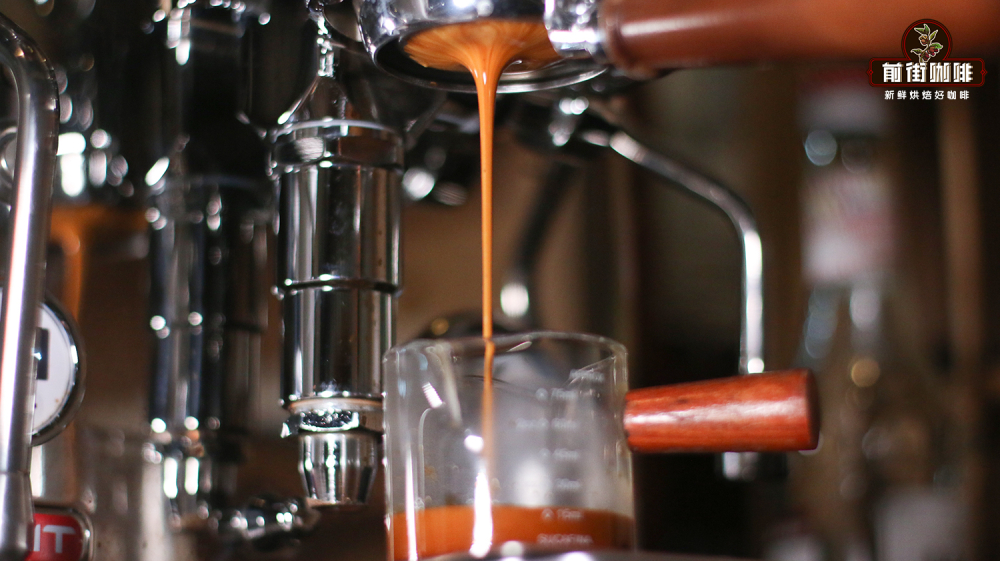
Although espresso relies on machine extraction and may seem to have a lower technical barrier, this isn’t the case. Producing a rich and bold espresso base requires precise control of water pressure and air pressure, and subsequent drinks like lattes and cappuccinos are built upon this base, with milk and flavored syrups added. The barista’s handling of the portafilter, dose control, tamping pressure, yield extraction, and even the choice of milk all directly affect the final taste. These details often determine the overall quality of the coffee—even if not easily noticed by laypeople, professionals can distinguish the good from the bad.
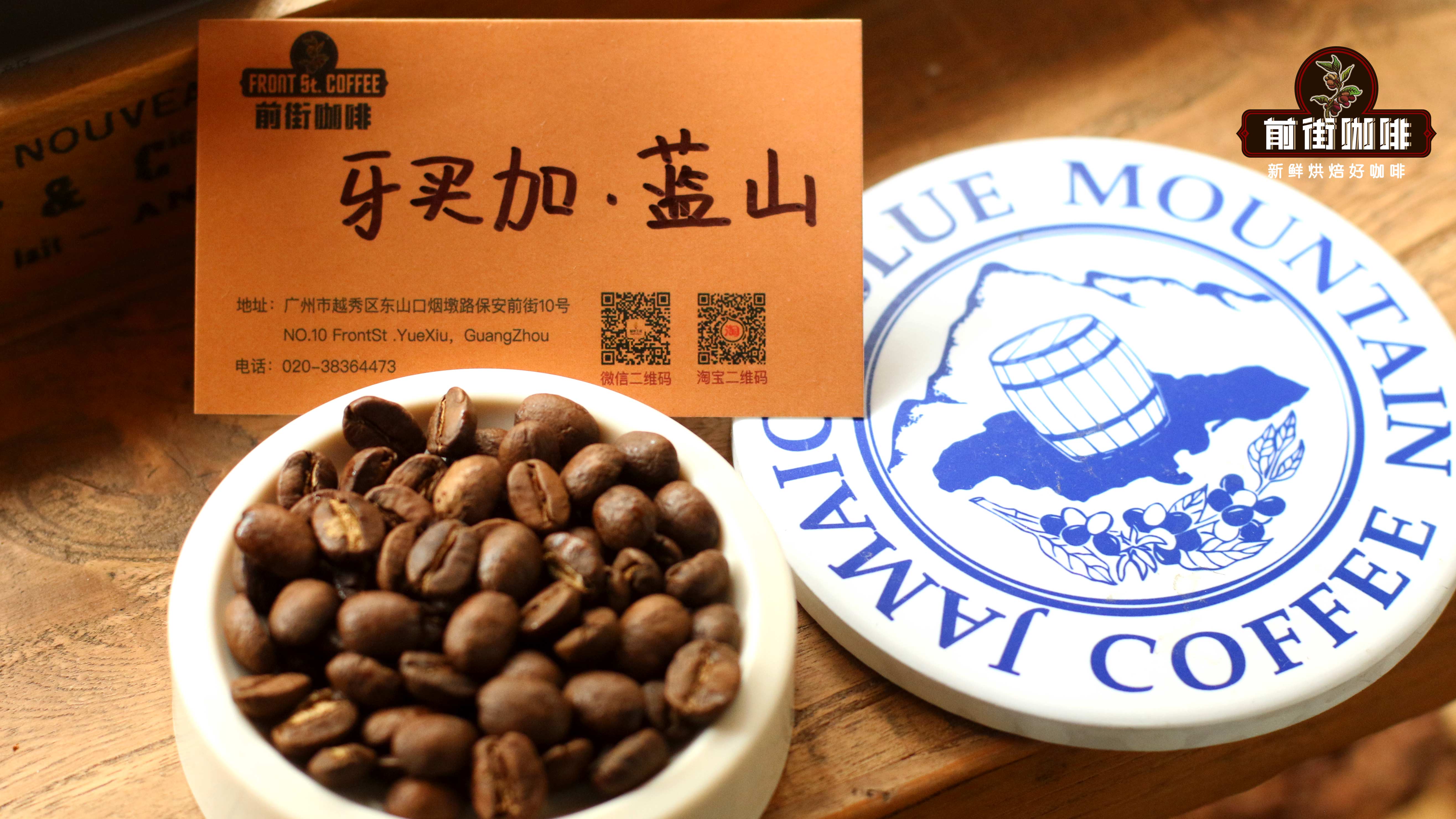
After discussing the basic differences between espresso and single-origin coffee, let’s focus on Mandheling, this classic bean variety. Mandheling is a single-origin coffee, and its name originates from a historical anecdote: during the Japanese occupation of Indonesia, a Japanese soldier drank a memorable cup of coffee and mistakenly thought he was asking for the bean variety, when in fact he asked where the shop was from. The shop owner replied "Mandailing," which the soldier misheard as "Mandheling." After the war, the soldier sought out that coffee through local Indonesian merchants, who turned out to be from PWN Company—the first to export Golden Mandheling to Japan. Over time, PWN Golden Mandheling shifted its origin from Lintong to the Gayo Mountains in northern Sumatra, and the packaging specification changed from 60kg to 30kg.
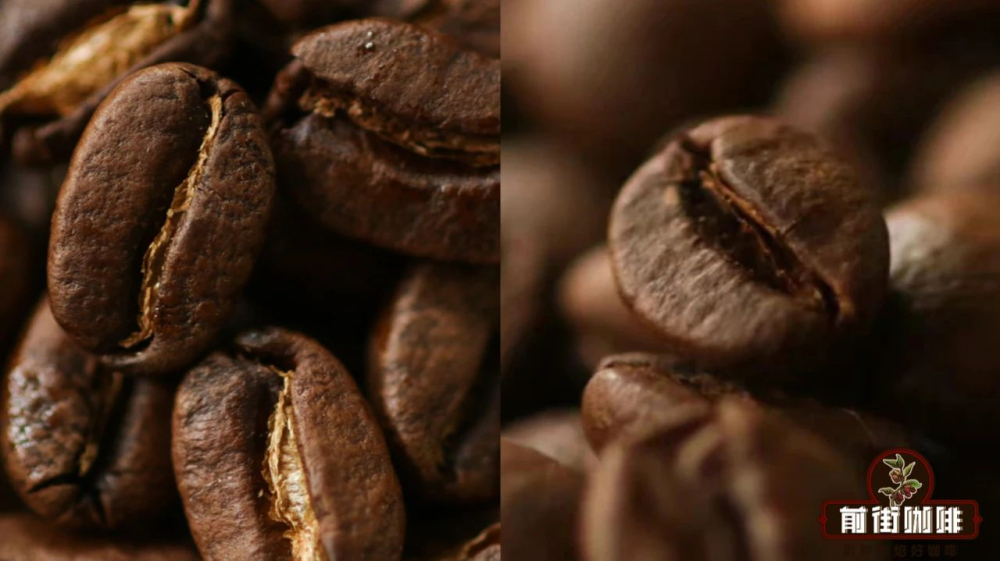
The unique flavor of Mandheling is inseparable from its wet-hulling processing method. Due to Sumatra’s year-round rainy and typhoon-prone climate, sun drying is difficult, and the washed method is costly, leading locals to develop this semi-washed wet-hulling technique. This process involves three stages of mucilage drying, giving Mandheling its distinctive herbal, woody aroma, low acidity, and thick mouthfeel. This processing method is also the core key to Mandheling’s flavor profile.
Professional recommendations for pour-over Mandheling are as follows: it is recommended to use a Kono filter, with water temperature controlled at88℃, coffee dosage at15 grams, brew ratio at1:15, grind size at 20-mesh Chinese standard sieve passing rate of70%-75%. The brewing technique adopts a staged extraction method: first,30g of water for a 30-second bloom, then pour in small circles until125g for the first pour, wait until the water level drops and is about to expose the coffee bed, then continue pouring until225g and stop, finally, wait until the water level drops again and is about to expose the coffee bed before removing the filter, with a total extraction time of approximately2 minutes. The flavor profile is dominated by nuts, spices, herbs, licorice, chocolate, and caramel, with an overall clean and soft flavor structure.
Based on the above analysis, the answer to the question of which tastes better—Mandheling or espresso—depends on personal taste preference. After understanding the differences between single-origin espresso (SOE), espresso, and single-origin coffee, readers should be able to more clearly determine their own preferences. As for whether Mandheling can be used to make Americano? The answer is yes. Americano is essentially espresso with added water, and choosing beans with specific flavor profiles for extraction can yield ideal taste results.
The above content is compiled by CoffeeHunters, a coffee news website.


