







Category: Coffee Knowledge
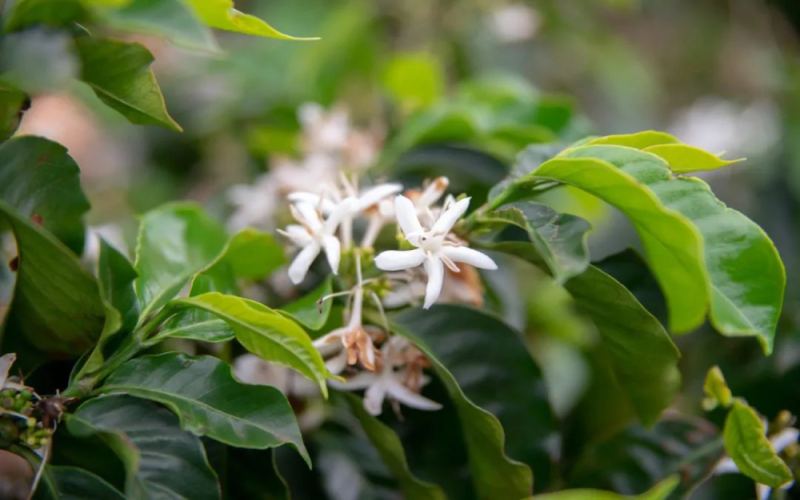
Three-Country Geisha Pour Over Guide: Flavor Differences Analysis & V60 Brewing Parameters
Geisha coffee has captivated the world with its unique fruity and floral notes, but varying growing conditions and processing methods across different regions result in distinct flavor profiles. This guide features three renowned Geisha beans from Ethiopia, Costa Rica, and Panama, offering an in-depth comparison of their altitude, processing techniques, and cupping characteristics. It also provides specific three-stage V60 pour over parameters to help coffee enthusiasts master optimal extraction conditions and find the Geisha that best suits their palate. [more…]
How to Choose Between Dian Hong Golden Needles and Golden Buds? Tea Farmers Teach You to Judge by Appearance, Taste, and Correct Brewing
Both Dian Hong Golden Needles and Golden Buds are premium selections among Yunnan black teas. They both feature prominent golden tips, yet their flavors are uniquely distinct. Many tea enthusiasts have only a vague understanding of the differences between them and often confuse the two. This article takes you through an in-depth comparison of these two highly regarded high-mountain black teas — from growing environment, picking standards, dry tea characteristics to flavor profiles. It also includes professional-level brewing recommendations, so you can brew at home a Dian Hong with bright liquor color and lofty aroma. [more…]

Geisha vs. Yirgacheffe: A Comprehensive Analysis of Flavor Differences, Regional Backgrounds, and Pour Over Brewing Parameters
Both Geisha and Yirgacheffe are renowned for their bright citrus and berry notes, yet one ranks among the world’s most prestigious auction lots while the other is a classic entry-level favorite — their prices and flavor complexity vary enormously. This article systematically breaks down the fundamental differences between these two iconic beans, covering everything from origin, variety characteristics, processing methods, roasting strategies to pour over brewing parameters. It also includes practical cupping notes and brewing tips to help you better appreciate the unique charm of each. [more…]
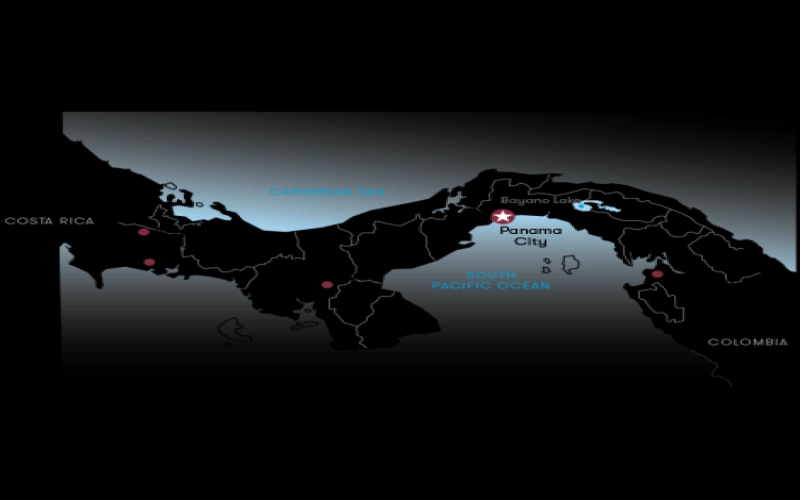
In-depth Analysis of Panama's Geisha Region: Flavors and Brewing Guide for Red Label Geisha and Three Premier Estates
Panamanian Geisha coffee is world-renowned for its rarity and exceptional flavors, with the three most representative estates being La Esmeralda, Elida, and Hartmann. This article will take you on an exploration of the geographical conditions, estate histories, and unique processing techniques of these top-tier regions. We’ll also delve into the flavor profiles and pour over recommendations for Red Label Geisha, Elida Typica, and Hartmann’s wine processing method, helping you fully grasp the charm and brewing essentials of Geisha. [more…]
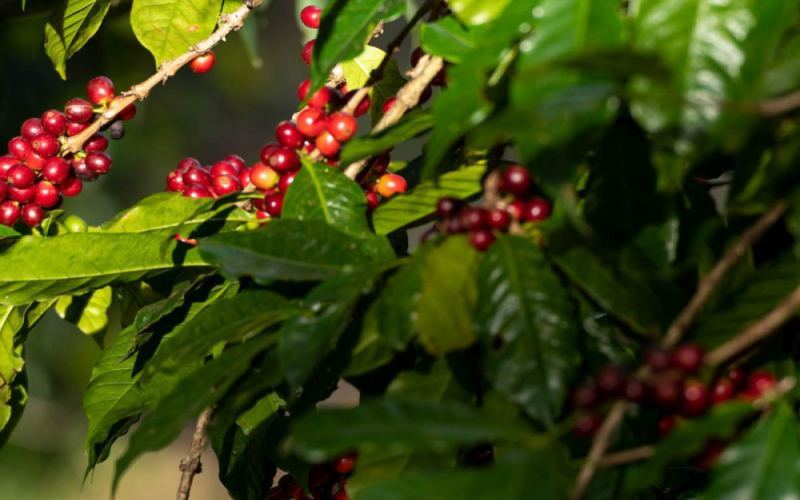
The Complete Guide to Panamanian Geisha Coffee: From Origins to Brewing, Including Hacienda La Esmeralda Grading & Flavor Profiles
Since its landslide victory at the 2004 Panama Cup of Excellence (BOP) competition, Panamanian Geisha coffee has risen to become one of the premier single-origin varieties in the specialty coffee world. However, its path to fame was preceded by decades of obscurity. This article delves deep into the evolution of Geisha—from the forests of Ethiopia to Hacienda La Esmeralda in Panama—while thoroughly explaining the grading system and regional characteristics of Hacienda La Esmeralda’s Red Label, Green Label, and Blue Label. It also offers expert pour over brewing recommendations and flavor profiles to help coffee enthusiasts fully grasp this legendary bean variety. [more…]
How to distinguish Ethiopian Hua Kui from Panamanian Geisha? Learn about their origins, varieties, and flavor profiles in one go
Many coffee enthusiasts often confuse Hua Kui with Geisha, even mistakenly equating the Yirgacheffe-Hambela region with either Artisan (Geisha) or Geisha itself. This article delves into the journey of the Geisha variety—from its Ethiopian origins to its fame in Panama—clarifies the correct positioning of Hambela as a sub-region of Guji, and explores the naming origin of the 2017 TOH champion Hua Kui beans. By comparing the cupping differences between small-bean Hua Kui and regular Hua Kui, as well as the fundamental distinctions in aroma, acidity, and sweetness between Geisha and Hua Kui, it helps readers establish [more…]
Milk Tea with Lychee Sparks Controversy Over Foreign Object; Hygiene Management Becomes a Challenge for the Tea Drink Industry
A recent consumer dispute involving curly hair found attached to a lychee in a cup of milk tea has exposed common hygiene risks in the tea drink industry. This article delves into the handling process of the incident, explores potential risks associated with covered packaging, and compiles historical food safety incidents involving tea drink brands, offering practical advice for consumers to identify hygiene loopholes and help you avoid quality pitfalls in your beverages. [more…]
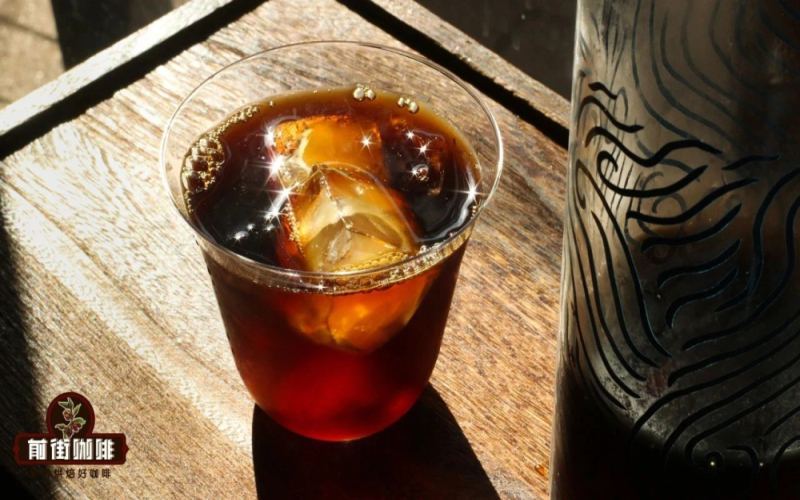
How to Distinguish Between Cold Drip and Cold Brew? 5 Key Tips to Make Delicious Iced Coffee
Cold drip coffee and cold brew coffee both belong to low-temperature extracted coffee beverages, yet they differ significantly in equipment design, extraction principles, and flavor profiles. This article delves into the distinctions between the two and systematically introduces the five core elements of making high-quality cold drip coffee—from bean selection, grind size, drip rate, coffee-to-water ratio to the optimal drinking time—offering detailed parameter suggestions and practical tips to help you consistently extract aromatic, layered iced coffee. [more…]
How to Brew Honduran Lishilan Coffee? Unveiling the Secrets of Barrel Fermentation & Highland Flavors
Want to understand where the unique wine-like aroma and fruity notes of Honduran Lishilan coffee come from? This high-altitude bean, processed with low-temperature barrel fermentation using brandy barrels, combines the Caturra and Catuaí varieties, delivering layers of cream, honey, and dark chocolate. This article will delve into its origin environment, processing details, and recommended brewing methods to help you master this rich-flavored pour over coffee bean. [more…]

How to Choose Brazilian Coffee Beans? Flavor Analysis and Recommendations: Queen’s Estate vs. Cerrado
As the world's largest coffee-producing country, Brazil is renowned for its full-bodied and balanced coffee beans, suitable for various brewing methods. This article delves into the characteristics of single-origin beans from two well-known Brazilian regions—Cerrado and Queen’s Estate—comparing them in detail from altitude and variety to processing methods, while also exploring how different roast levels influence flavor. It also provides practical purchasing advice to help coffee enthusiasts find the right choice, whether for everyday drinking or advanced tasting. [more…]
Flavor Profile of Indonesian Tiger Mandheling | Wet-Hulled Processing, Varietal Composition & the Origin of the Mandheling Name
Want to understand the unique charm of Sumatra’s Tiger Mandheling? This renowned coffee from Indonesia’s Tiger Estate is processed using the wet-hulled method, bringing out intense spices and piney aromas. With medium-dark roasting, it offers a balanced flavor profile of cream, nuts, and dark chocolate. This article delves into its varietal blend, growing environment, processing characteristics, and traces the fascinating origin of the name "Mandheling" — helping you better understand how to select and brew this classic coffee bean. [more…]
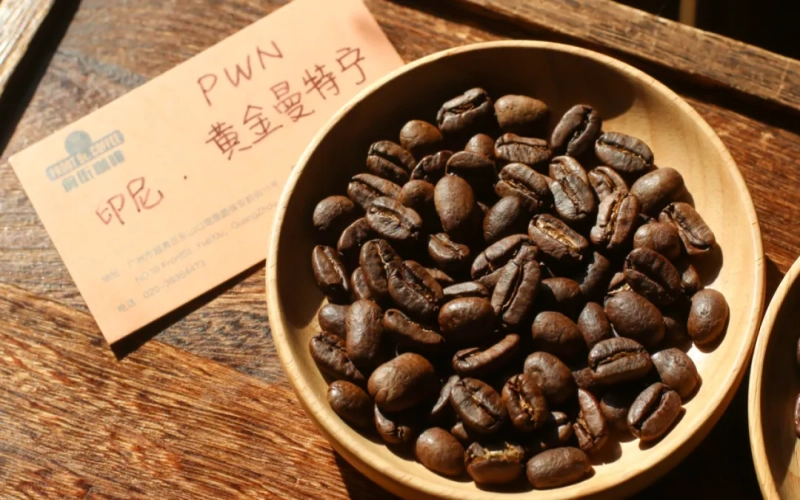
How to Choose Mandheling Coffee? A Roasting and Flavor Analysis from Wet-Hulling to Golden Mandheling
Mandheling coffee is renowned for its bold, rich body, low acidity, and sweet aftertaste, making it a representative of Indonesian coffee. This article delves into the regional characteristics of Mandheling, the wet-hulling processing method, and how medium-dark roasting brings out herbal, spicy, and chocolatey notes. It also introduces the strict selection criteria for Golden Mandheling and the differences with aged wet-hulled coffee, along with brewing recommendations for pour over and milk coffee to help coffee enthusiasts master selection and extraction tips. [more…]
A Comprehensive Guide to Washed, Natural, and Honey Processing: Understanding Coffee Processing Methods and Flavor Profiles
Understanding coffee processing methods is the foundation of exploring coffee flavors. Washed, natural, and honey processing not only affect the appearance and storage of coffee beans, but also directly shape the taste and aroma profile after brewing. This article provides an in-depth analysis of the steps, key parameters, raw and roasted bean identification characteristics of the three mainstream processing techniques, and further explains how each method influences flavor—helping you grasp the secrets behind coffee flavor differences right from the source. [more…]

Unveiling the Flavors of Panamanian Geisha: A Comprehensive Guide to Brewing Parameters and Cupping Experience of Washed Hua Hudie Beans
Want to explore the unique charm of Panamanian Geisha coffee but worried about the high price barrier? A certain coffee brand has launched washed Hua Hudie coffee beans, blending 70% Geisha with 30% Caturra and Catuai, creating a single-origin option that combines the elegance of Geisha with an accessible price point. These medium-light roasted beans from the Baru Volcano region in Boquete showcase bright citrus notes, delicate floral aromas, and a lingering honey-like sweetness—perfect for both pour over beginners and seasoned enthusiasts to explore in depth. This article will cover everything from the growing environment and varietal composition to practical [more…]
Costa Rican Coffee Grading & Mozart Bean Flavor Analysis | Pour Over Parameters & Tasting Guide
Want to understand the grading system of Costa Rican coffee and the characteristics of the Tarrazú region? This article takes you on an exploration of the H1 variety and the unique charm of the raisin honey process through the "Mozart" coffee beans from the Canet Estate, analyzing its flavor profile and optimal pour over conditions. Whether you're a beginner or a coffee connoisseur, you'll gain an in-depth understanding of the essence of premium Costa Rican coffee. [more…]
Recommended Colombian Castillo Pour Over Beans | Rum Barrel Fermentation Flavors and Brewing Parameters Analysis
These Castillo variety beans from Finca San Jose in the Caldas region of Colombia are processed using a refined washed method with low-temperature fermentation in rum barrels, imparting rich wine-like aromas and tropical fruit notes. This article delves into its growing environment and innovative processing technique, and provides professional pour over recommendations along with real cupping flavor profiles to help you master key brewing elements and experience the unique layers of specialty coffee. [more…]
Flavor Analysis of Costa Rica Baha & Mozart Coffee Beans | Pour Over Parameters & Processing Method Differences
The musician series coffee beans from Costa Rica's Tarrazú region are best represented by the Baha and Mozart varieties. These two beans not only feature unique varietal backgrounds and processing methods, but also exhibit distinct flavor profiles. This article will take you deep into their growing environments, variety cultivation history, honey processing details, and compare their performance in pour over brewing as well as flavor characteristics—providing practical brewing references and buying guidance. [more…]
Analysis of the Colombian Huayu Night Coffee Variety and the Advantages of the Poquí Region: A Pour Over Flavor Beginner's Guide
An in-depth exploration of the anaerobic natural processing and Caturra variety characteristics of Huayu Night Coffee from Colombia’s Huila region, analyzing its unique flavor profile of strawberry, floral notes, and dark cocoa aftertaste. It also extends to introducing how the high-altitude microclimate and volcanic soil of Panama’s Boquí region nurture premium coffee, along with the low-temperature slow fermentation practices at the Gading Farm, providing coffee enthusiasts with comprehensive knowledge and practical insights from origin to cupping. [more…]
How to Brew Colombian Rose Valley Coffee Beans? A Complete Guide to Flavor, Origin & Processing
Colombian Rose Valley coffee stands out with its delicate floral and fruity aromas and rich sweetness, making it a popular choice among coffee enthusiasts for pour over brewing. This article delves into this Caturra variety from the Santander region, covering everything from the terroir of the origin, the double anaerobic processing method, to the optimal brewing parameters and flavor profile — helping you fully master the brewing techniques and unique charm of these distinctive coffee beans. [more…]
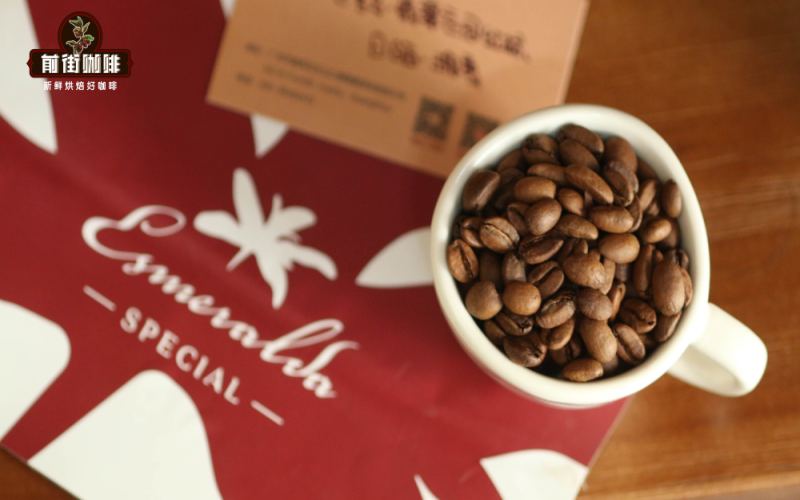
How to Brew Panamanian Emerald Gesha Coffee? A Complete Guide to Its Flavor Profile and Beginner Pour Over Parameters
Panamanian Emerald Estate Gesha coffee is renowned for its delicate floral notes and rich layered flavors, making it the dream bean for many coffee enthusiasts. But do you know why its price remains so high? And how can you use the correct pour over technique to fully release its citrus, berry, and honey-like finish? This article explores the terroir of the growing region and the characteristics of the variety to help you understand why Gesha is so expensive, while also detailing a beginner-friendly V60 three-stage extraction method and optimal grind size to help you brew a cup that approaches the quality of top-tier specialty coffee. [more…]