







Introduction:Many coffee enthusiasts often confuse Huacai with Geisha, even mistakenly assuming that the Hambela region is synonymous with either Geisha or Gesha. This article delves into the journey of the Geisha variety from its Ethiopian origins to its fame in Panama, clarifies the correct administrative status of Hambela as a sub-region of Guji, and explores the naming background of the 2017 TOH champion Huacai beans. By comparing the cupping differences between small-bean Huacai and regular Huacai, as well as analyzing the fundamental distinctions in aroma, acidity, and sweetness between Geisha and Huacai, it helps readers establish a clear understanding of varieties and regions to choose beans that suit their taste preferences.
In recent years, some videos have conflated Huacai coffee beans, the Hambela region, and the Geisha variety, even claiming that the three are interchangeable. But that’s not the case. This article will comprehensively trace how the Geisha variety spread from Ethiopia’s Gesha Mountain to Panama’s Hacienda La Esmeralda, clarify the administrative affiliation of Hambela as a sub-region of Guji, and recount the naming backstory of the Huacai beans after their TOH competition victory in 2017. Additionally, through actual cupping data, we compare the flavor differences between small-bean Huacai and regular Huacai, and analyze the essential differences in the primary aromatic profiles of Geisha and Huacai, enabling coffee lovers to more accurately discern varietal and regional characteristics.
A common misconception is to directly equate Huacai coffee beans with Ethiopia’s Hambela region, or even believe that Hambela was first translated as “Geisha” (meaning “geisha” in Japanese) before being renamed as Geisha. In fact, Huacai is the name of a naturally processed coffee bean that won an award at the 2017 TOH competition, Hambela is a sub-region of Guji located within Ethiopia’s Sidama region, and Geisha is a coffee variety originating in Ethiopia but flourishing in Panama. These three names represent different levels: Huacai refers to a specific batch of beans, Hambela is a region, and Geisha is a variety.
The Chinese name for the Geisha variety has an interesting origin. Because the pronunciation of “Geisha” is similar to the Japanese word for “geisha,” around 2006, Mr. Yuan from Kalooma Coffee first introduced Panamanian Geisha to the Chinese market. At that time, this bean exhibited explosive floral and fruity notes, so it was named Geisha and the name has been used ever since. Many consumers still habitually refer to Geisha as “Geisha” (the geisha translation), but in reality, the origin of Geisha is the Kaffa Forest near Gesha Mountain in Ethiopia. This variety was first discovered by a British person in the forest near Gesha Mountain in 1931 and was exported to Kenya in 1932, subsequently being introduced to Uganda, Tanzania, Costa Rica, and other places. Panama received it in the 1970s when Francisco Serracin of the Don Pachi Estate brought it from CATIE in Costa Rica.
The development of the Geisha variety in Panama was long overlooked. Due to its low yield and slow growth, these coffee trees were mostly planted as windbreaks, only used to protect other high-yield coffee varieties. The turning point came in 2003, when the son of the owner of Panama’s Hacienda La Esmeralda accidentally discovered a batch with captivating floral aromas among processed beans. After tracing its origin, it was confirmed to be the Geisha variety, which then competed alone in the 2004 BOP green bean competition and won the championship. This victory catapulted the Geisha variety to fame and established Hacienda La Esmeralda’s status in the specialty coffee world.
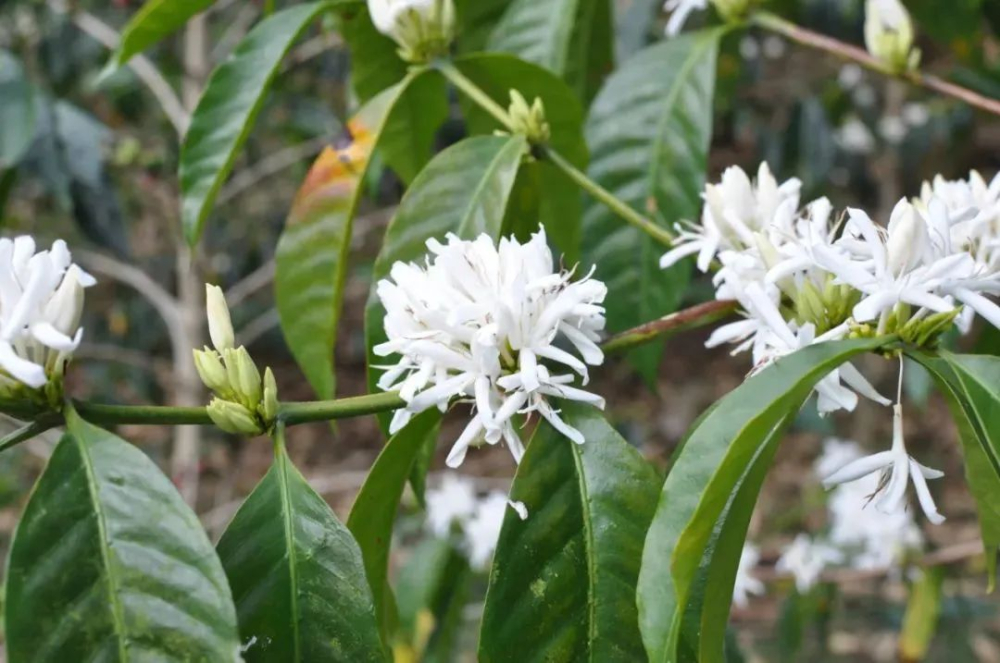
The characteristics of the Geisha variety lie in its extremely low yield and high environmental requirements. The branches of this coffee tree have long internodes, with few flowers and fruits, and the beans are slender with pointed ends. It requires high altitude, cloud cover or dense shade, and fertile soil to exhibit its signature delicate floral notes, bright fruity acidity, and lingering tea-like sweetness. These traits make Geisha a prized bean among coffee enthusiasts, but also limit its potential for large-scale cultivation.
In contrast, the Hambela region is a sub-region of Guji within Ethiopia’s Sidama region, administratively belonging to the Oromia State. This region is located on a plateau at an altitude of 1700–2100 meters, with a 3200-meter-high mountain separating it from the Kochere region of Yirgacheffe to the west, creating a unique microclimate due to the terrain barrier. To the northeast and south, Hambela borders other Guji sub-regions such as Shakiso, Uraga, and Kercha. Although Hambela’s coffee is usually categorized under the Guji region, it was not until 2017, when a naturally processed batch from the “Buku Abel” processing station won the TOH competition with its intense strawberry and cream aromas, that the uniqueness of this sub-region became widely known.
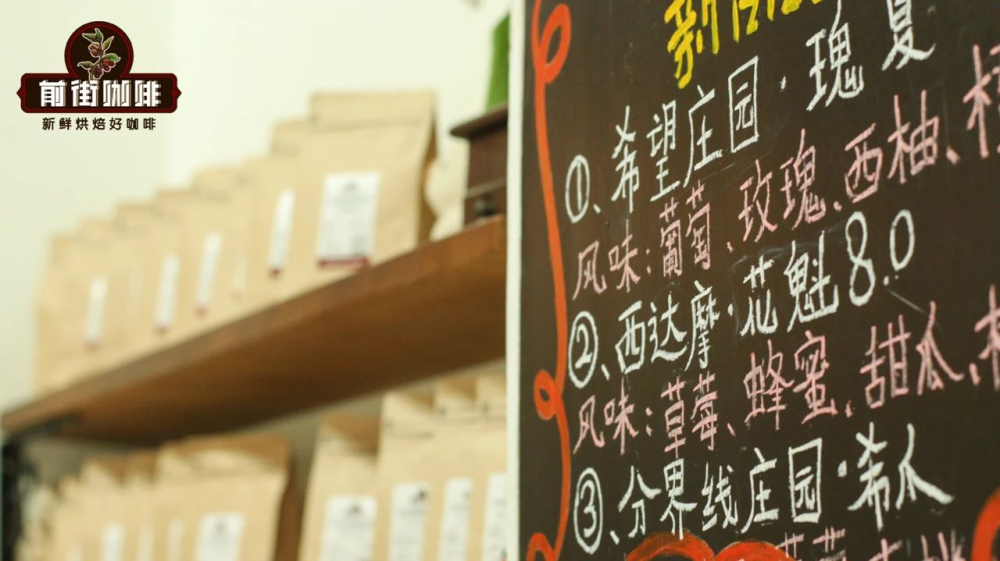
This 2017 TOH champion bean was initially just called a Hambela coffee bean, but was later named “Huacai” (meaning “the queen of flowers”) after being introduced by a Beijing green bean trader. This name quickly gained attention in the Chinese market, especially after Li Jianfei, the 2017 China runner-up in the World Brewers Cup, used this batch of Huacai beans to defeat numerous Geisha entries in the competition. At the time, the Geisha variety dominated major coffee competitions, so this Ethiopian naturally processed bean standing out made many coffee professionals reconsider the potential of native varieties.
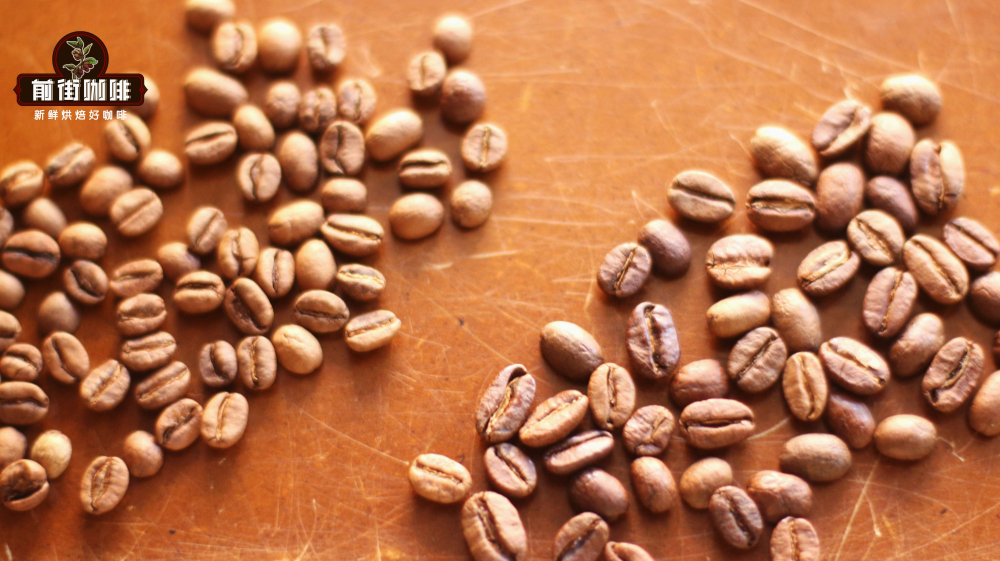
Subsequently, DW Company expanded several processing stations in the core Hambela region of Dimtu, including Buku Abel, Buku Saysay, Haro Soresa, and Tirtiro Goye, with an annual output of about 1100 tons. However, it’s worth noting that only the “Buku Abel” processing station’s region matches the original origin of the 2017 champion Huacai beans. Starting in 2018, DW released subsequent versions such as Huacai 2.0, 3.0, and 3.1, and in 2020, based on cupping results, divided Huacai into two series: 4.0 and small-bean Huacai. Small-bean Huacai does not belong to the X.0 series, but refers to special batches that are smaller in size but have flavors closer to the 2017 champion beans.
The misunderstanding of “Hambela = Geisha = Gesha” mainly stems from linguistic coincidence and conceptual confusion. In fact, Hambela has never had an official translation as “Geisha,” while the name Geisha is a transliteration based on the Japanese pronunciation of “Geisha,” specifically referring to the Panamanian variety. Huacai is the name given in the Chinese context to the 2017 TOH champion bean, and the two should not be confused. In addition, native Ethiopian varieties are generally collectively referred to as “heirloom varieties,” because the country has the world’s richest coffee gene pool with diverse and complex classifications, and the government has not publicly disclosed detailed varietal information to protect these precious resources.
Finally, there are indeed significant differences in flavor expression between Geisha and Huacai. According to multiple cupping results, high-altitude grown Geisha varieties, regardless of processing method, typically exhibit bright citrus acidity, delicate floral notes, and a tea-like mouthfeel reminiscent of oolong or Tieguanyin. Huacai, as a naturally processed Ethiopian heirloom variety, gains richer sweetness and berry and tropical fruit aromas through its fermentation process, while retaining the diverse floral and fruity profiles of heirloom beans, with a smooth oolong-like aftertaste. These differences reflect the combined influence of varietal genetics and regional microclimates, and are important characteristics that coffee enthusiasts should consider when making choices.
The above content is compiled by CoffeeHunters, a coffee news website.


