







Introduction:Both Geisha and Yirgacheffe are renowned for their bright citrus and berry profiles, yet one sits atop the elite auction tier while the other is a classic entry-level favorite—differing vastly in price and flavor complexity. This article systematically breaks down the essential differences between these two iconic beans, covering everything from origin, variety traits, processing methods, roasting strategies, to pour over extraction parameters. It also includes practical cupping notes and brewing tips to help you better appreciate the unique charm of each.
Many coffee beginners have wondered: why does a cup of Geisha often cost hundreds of yuan, while Yirgacheffe—equally citrusy and fruity—is commonly recommended as a beginner’s first choice? In truth, these two seemingly similar coffees differ significantly in origin, variety, processing method, and market positioning. This article will explore their core distinctions across multiple dimensions. Whether you’re new to specialty coffee or looking to refine your pour over skills, you’ll find valuable insights here.
Geisha: From Forest Relic to Auction Legend—The Evolution of a Variety
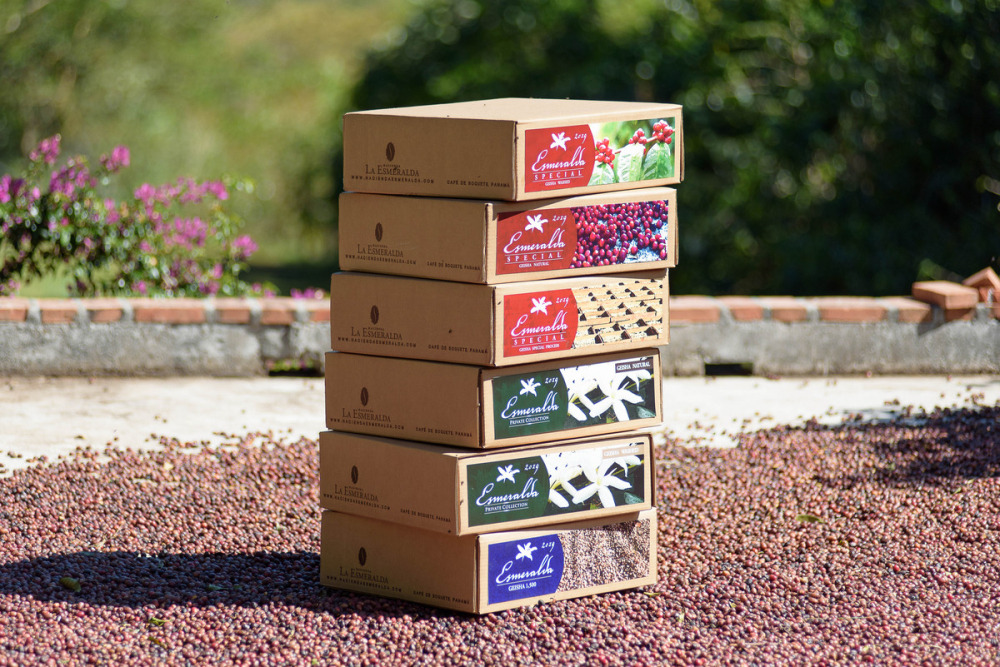
Geisha (also spelled Gesha) was originally the name of a coffee variety. Due to its similarity in spelling to the Japanese word for “geisha,” it was once mistakenly referred to as “Geisha coffee,” but the correct Chinese transliteration is “瑰夏” (Guīxià), which not only closely matches the original pronunciation but also carries an elegant connotation. This variety was first discovered in 1931 in Ethiopia’s Gesha forest, later introduced by the Kenya Coffee Research Institute, and gradually spread to Uganda, Tanzania, Costa Rica, and other regions. It wasn’t until the 1970s that it was brought to Panama’s Hacienda La Esmeralda by the Boquete region’s farms, where it blossomed into its astonishing potential.
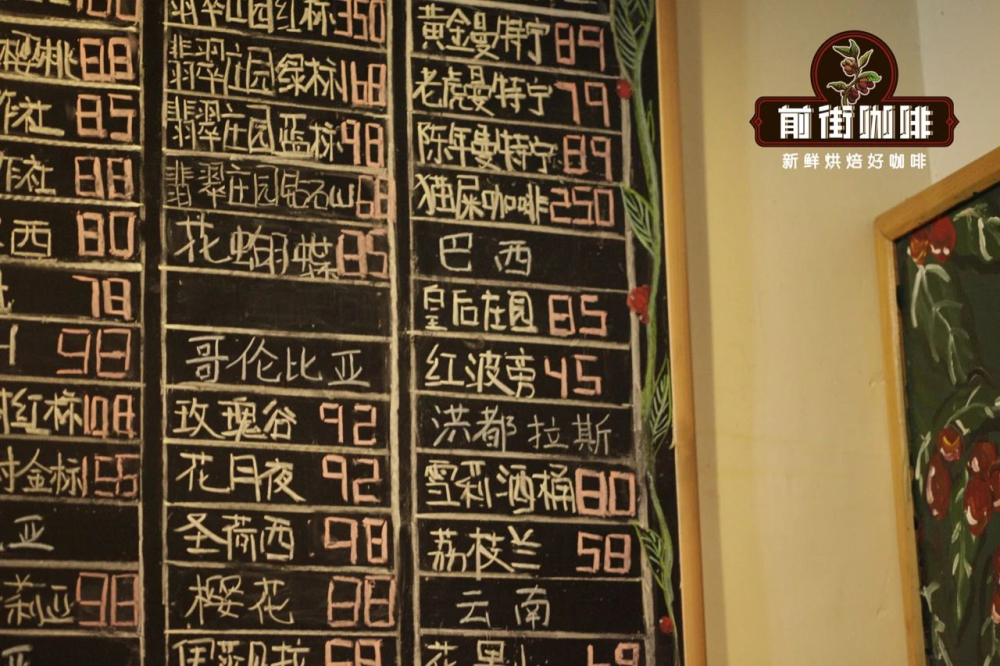
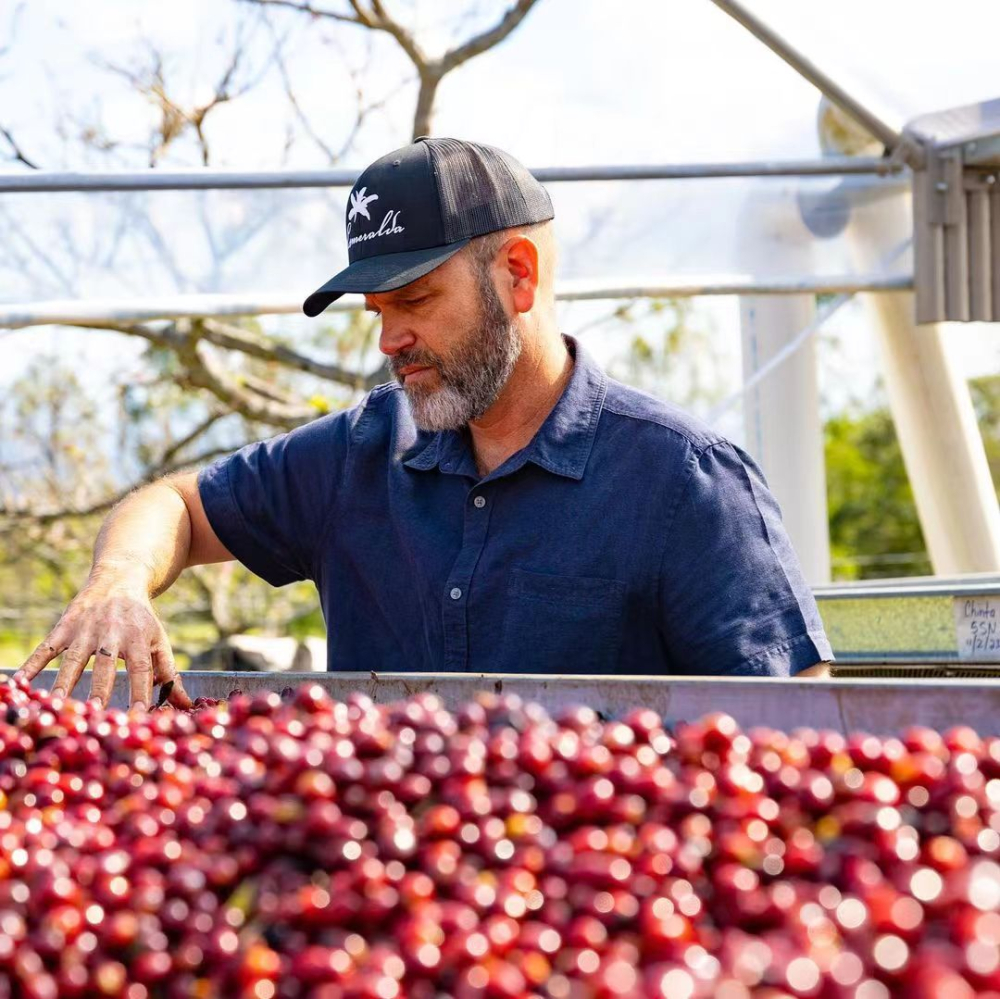
What sets Geisha apart from other varieties is its exceptional flavor profile. Grown at high altitudes, Geisha often exhibits delicate floral notes, bright acidity, and a lingering sweetness—traits that quickly propelled it to fame in the specialty coffee scene. Notably, the natural-process Geisha from Hacienda La Esmeralda has won numerous international competitions (including the 2013 Best of Panama Natural category champion, which fetched a record $350.25 per pound at auction—over 58 times the price of ordinary specialty beans at the time), cementing its status as the “pinnacle of luxury in the coffee world.”
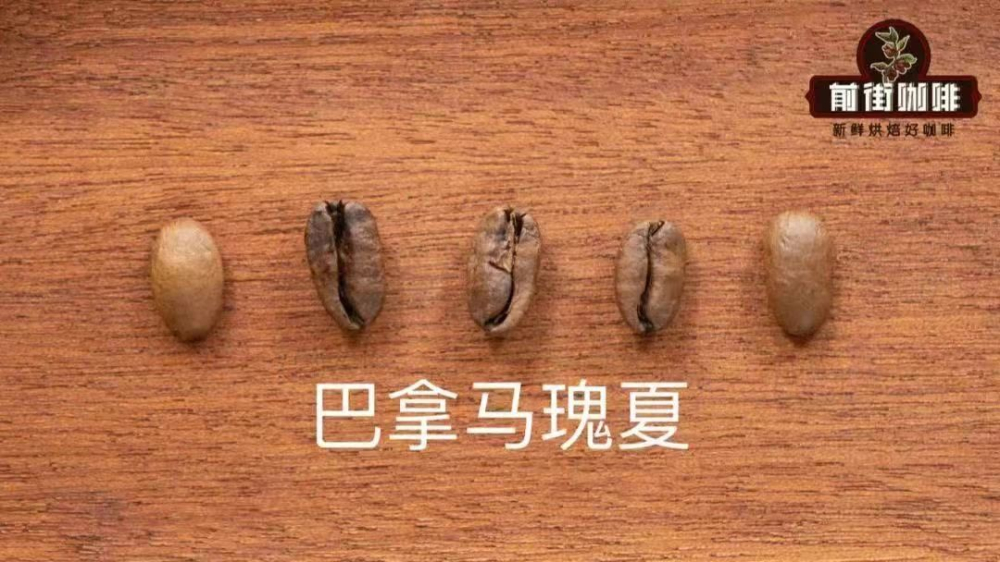
Take the Red Label Geisha from Hacienda La Esmeralda as an example: its green beans display a striking blue-green hue, with fresh aromas of grass, peach, and berries, even hints of oolong-like creamy sweetness. Roasters typically take it to a light roast just before the second crack to preserve its delicate floral notes and vibrant acidity. Once brewed, tropical fruits, jasmine blossoms, and rich sweetness intertwine, offering a smooth mouthfeel akin to sipping floral tea, with a sweet and lingering finish.
Roasting parameters suggested by a certain coffee brand: charge at 150°C, with 120 power and fan setting 3; at 1’36” (turnaround point), adjust fan to 4, then reduce power to 100 once the beans reach 147.6°C and turn yellow; at 7’38”, signs of first crack appear, with first crack officially starting at 8’10”. Adjust fan to 4, development time 1’28”, and drop at 189.5°C. Cupping notes highlight lychee and peach juice flavors, paired with black tea and honey sweetness, with a delicate, smooth, and well-rounded acidity.
Yirgacheffe: The Fruit-Forward Representative of Ethiopia’s Native Terroir
Yirgacheffe, located in southern Ethiopia, is a globally renowned specialty coffee region celebrated for its bright lemon, floral, and honeyed sweetness when roasted lightly. With a coffee-growing history spanning thousands of years and unique traditional processing methods, Yirgacheffe can deliver vibrant acidity and refreshing citrus notes even with light roasts; natural-processed lots often exhibit richer, more complex profiles with layered tropical fruit and juicy sweetness.

The Red Cherry Project (Operation Cherry Red Project) was a pivotal turning point in elevating Yirgacheffe’s quality. Launched in 2007 by Dutch trader Trabocca in collaboration with local farmers, its goal was to incentivize farmers to harvest 100% red, ripe cherries and invest in improving sun-drying equipment (such as drying racks and shade nets), infrastructure (like transportation roads), and processing techniques (such as pulpers and sorters). Additionally, Trabocca established a professional cupping lab in the capital, Addis Ababa, to ensure every batch meets international standards (cupping scores above 88), then monitors and safely transports the high-quality green beans to global markets.
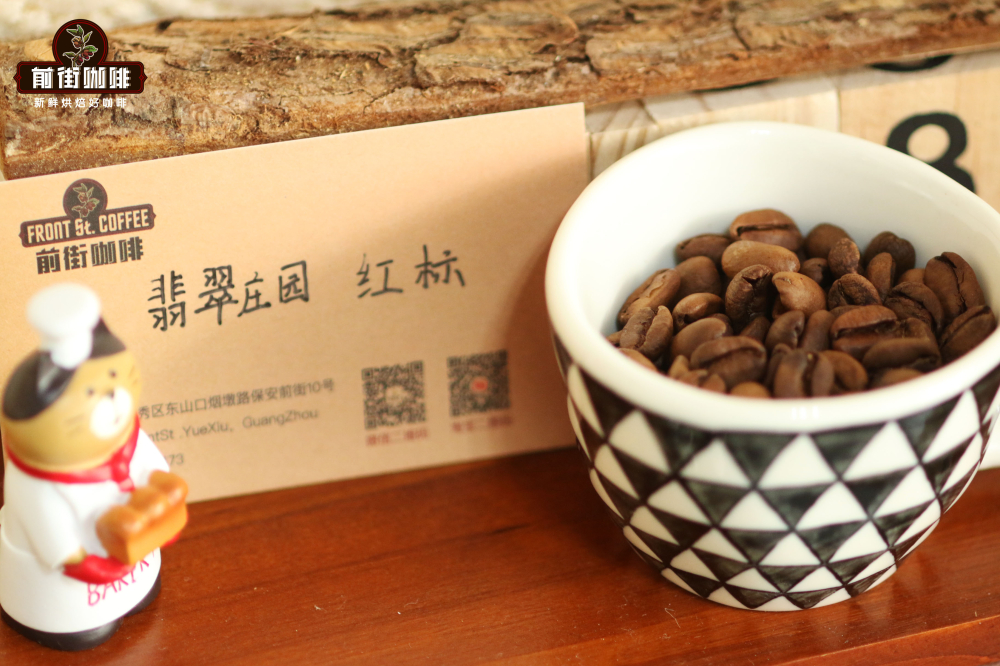
A certain coffee brand’s Yirgacheffe natural red cherry beans are sourced from native variety processing farms at altitudes of 1900–2300 meters, processed using the natural method. The farm sun-dries whole coffee cherries on raised beds for over two weeks, isolating them from ground odors, resulting in clean, fruit-forward coffee. The green beans are yellow-green, uniformly sized, and low in defects—representing the high quality of G1 grade.
For roasting, this bean suits a light and slow roast to preserve floral and fruity notes. Suggested charge temperature: 200°C, with gradual power adjustments to control Maillard reaction speed. First crack begins at 9’07”, drop temperature at 194°C. Flavor profile features intense fruit aromas (such as strawberry and mango), wet aroma with a sweet, sticky texture, bright and lively acidity reminiscent of fruity black tea, prominent sweetness, and a long, lingering finish.
Pour over recommendation: V60 dripper, brew ratio 1:15, water temperature 91°C, grind size fine (78% through a #20 sieve). Step brewing: 30g bloom for 30 seconds, then slow circular pour to 125g, followed by pouring to 225g before removing the dripper. Total brew time ~1’50”. These parameters highlight its complex fruitiness and silky mouthfeel, with a pronounced sweet finish—ideal for those who enjoy bright acidity and tropical fruit flavors.
Summary: Quick Comparison of Two Classic Beans
Though both Geisha and Yirgacheffe share Ethiopian heritage (Geisha as a forest relic variety, Yirgacheffe as a native cultivar), Geisha developed its unique profile in Panama’s distinctive environment and is renowned for its auction-grade quality, while Yirgacheffe shines with its terroir-driven character and refined processing under the Red Cherry Project. The former caters to coffee enthusiasts seeking intricate floral notes and layered complexity, while the latter is a perfect entry point for experiencing Ethiopia’s classic fruitiness and bright acidity. Whichever you choose, mastering the right roasting and brewing parameters will fully reveal its distinct allure.
The above content is compiled by CoffeeHunters, a coffee news website.


