







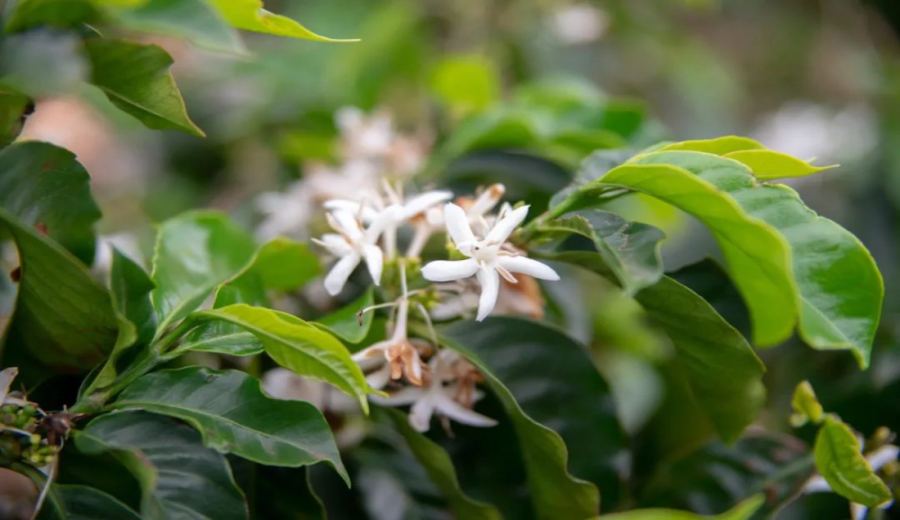
Introduction:Geisha coffee has taken the world by storm with its distinctive fruity and floral notes, yet the distinct growing conditions and processing methods across different regions result in notable flavor variations. This article selects three renowned Geisha varieties from Ethiopia, Costa Rica, and Panama, offering an in-depth comparison of their altitude, processing techniques, cupping profiles, and providing specific three-stage V60 pour over parameters to help coffee enthusiasts master optimal extraction conditions and find the Geisha that best suits their palate.
The reason Geisha coffee has long remained at the forefront of the specialty coffee market isn’t just because of its juice-like smooth mouthfeel, but also due to its unforgettable, layered floral and fruity aromas. However, Geisha is not exclusive to Panama’s Hacienda Esmeralda — in fact, multiple regions including Ethiopia and Costa Rica have also cultivated representative Geisha cultivars. This article will focus on three popular Geishas: Geisha Village from Ethiopia, La Esperanza Micro-lot from Tarrazú, Costa Rica, and the Geisha from Panama’s Hacienda Esmeralda. We’ll compare them in detail across aspects such as growing altitude, variety characteristics, processing methods, cupping flavors, and V60 pour over parameters.
First, let’s look at the birthplace of Geisha — Ethiopia. As the genetic home of most coffee varieties in the world, it hosts numerous unnamed wild coffee trees collectively referred to as Ethiopian heirlooms. The earliest discovery of Geisha was made in Ethiopia’s Geisha Forest, from where it later spread to other coffee-growing regions. In Ethiopia, the currently promoted product is from Geisha Village, grown in the Bench Maji region at altitudes of 1900 to 2000 meters, even higher than the altitude at which Geisha is grown in Panama’s Hacienda Esmeralda. Generally speaking, the higher the altitude, the greater the density and flavor intensity of the coffee beans — this is the main reason why high-altitude beans often deliver a rich and layered taste profile.
Within Geisha Village, there is a rigorous internal grading system for its products: auction lots, gold label lots, red label lots, green label lots, and Chaka lots. Among these, the Red Label Geisha uses the Gori Geisha variety and is processed via natural (sun-dried) method. Through a V60 three-stage extraction, you can clearly perceive a creamy body, accompanied by subtle fermentation aromas and tropical fruit flavors such as passion fruit. The Gold Label Geisha comes from the Oma plot, using the Geisha 1931 variety, also naturally processed. Compared to the Red Label, its cup profile is clearer, with prominent tea-like and juice-like characteristics, whereas the Red Label stands out with more intense sweetness and fermentation aromas.
Costa Rica’s La Esperanza Micro-lot is famed for its honey process. This farm, located in the Tarrazú region, experiences significant day-night temperature variation, which helps the coffee cherries accumulate richer flavor compounds. Aside from cultivating common varieties such as Caturra and Catuaí, La Esperanza also grows Geisha. This Geisha, when brewed using pour over, showcases a strong fruit profile with bright acidity and very clear floral notes. Compared to Panamanian Geisha, La Esperanza’s version leans more towards a fruity expression, making it ideal for those who enjoy crisp acidity and fruity flavors.
Turning to Panama, the Geisha from Hacienda Esmeralda is undoubtedly the international flagship of the variety. The main producing areas of Hacienda Esmeralda include Jaramillo and Cañas Verdes, with both the Red Label and Green Label sourced from these two premium plots. Although the Green Label is slightly lower in grade compared to the Red Label, its blend of beans from multiple plots still results in captivating floral and fruity notes along with citrus acidity. During actual cupping, the dry aroma of the Green Label Geisha often carries notes of passion fruit, followed by jasmine floral notes upon pouring hot water. On the palate, there’s a refreshing lemon-like acidity, and as the temperature drops, strawberry juice-like flavors and honey-like sweetness gradually emerge, with a long-lasting finish.
Overall, Geisha Village’s flavor profile leans more toward rich fruitiness and juice-like characteristics, while Hacienda Esmeralda showcases a more delicate floral and tea-like tone. In terms of sweetness, multiple Geisha lots from Geisha Village generally receive higher scores in cupping evaluations. Additionally, Geisha Village also offers the Chaka lot, which blends Geisha beans from various plots and with different processing methods throughout the farm, including natural and washed processes, and varieties spanning Illubabor, Geisha 1931, and Gori Geisha. It presents a lemon-like acidity, with noticeable peach sweetness and tea-like notes after cooling — definitely worth trying.
For these diverse-flavored Geisha beans, here are suggested V60 three-stage pour over parameters: use 15 grams of coffee grounds, with a brew ratio of 1:15, water temperature controlled between 90–93°C, and grind size recommended as medium-fine — specifically, aim for an 80% extraction rate through a standard #20 sieve. The steps are as follows: first, pour 30 grams of water for blooming for about 30 seconds; second, pour water in small circular motions up to 125 grams, then pause to let the coffee bed settle briefly; third, once the water level drops, continue pouring up to 225 grams, and remove the filter just before the coffee bed is fully exposed. The total extraction time is recommended to be around 2 minutes, which helps fully express the delicate and layered flavors of Geisha.
The above content is compiled by CoffeeHunters, a coffee news website.


