







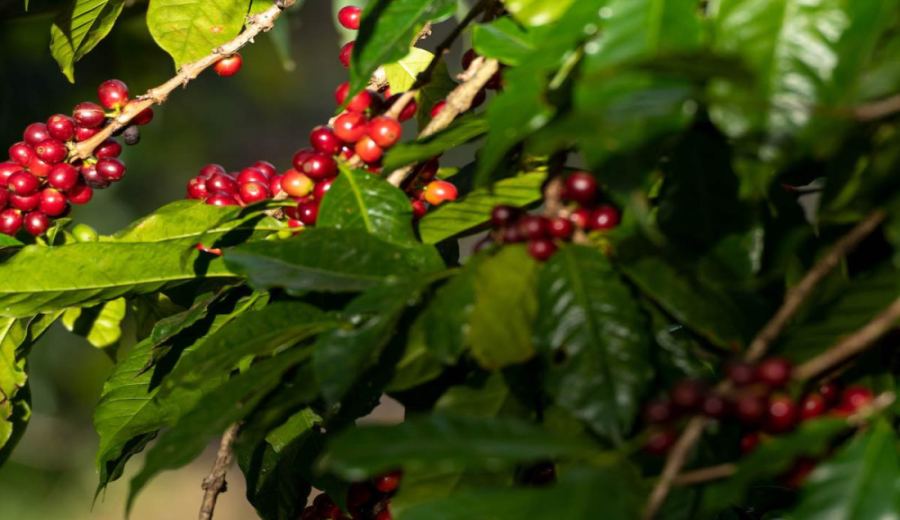
Introduction:Since winning the Best of Panama (BOP) competition in 2004, Panamanian Geisha coffee has risen to become one of the top specialty coffee varieties in the world. However, its path to fame was preceded by decades of obscurity. This article delves into the evolution of Geisha from the forests of Ethiopia to Panama’s Hacienda Esmeralda, explaining in detail the grading logic and regional characteristics of the estate’s Red Label, Green Label, and Blue Label coffees. It also provides expert pour over brewing recommendations and flavor profiles to help coffee enthusiasts fully understand this legendary coffee variety.
In 2004, Geisha coffee from Panama’s Hacienda Esmeralda stunned the coffee world by taking first place at the BOP (Best of Panama) international competition, defeating many traditionally dominant varieties and forever altering the landscape of specialty coffee. This ancient variety, originating from Ethiopia, endured decades of obscurity and movement before finally blossoming with unique flavors in Panama’s high-altitude mountains, becoming a dream coffee sought after by coffee aficionados worldwide.
Geisha was first discovered in 1931 in the Gesha Mountains of southern Ethiopia and was later sent to a coffee research institution in Kenya for cultivation. Starting in 1936, the variety was gradually introduced to Uganda, Tanzania, and even Costa Rica in 1953. It wasn’t until the 1960s that a agronomist named Don Pachi brought Geisha to Panama, initially only to enhance the genetic diversity and disease resistance of local coffee varieties, and it did not receive any special attention at the time.
However, by the late 1990s, things began to change. In 1996, Hacienda Esmeralda acquired the strategically located Jaramillo plot in Boquete. In 1998, then estate manager Daniel Peterson noticed a group of coffee trees that were not growing well but had a unique appearance, and decided to transplant them to a higher altitude area for trial planting. In 2004, this batch of coffee was produced in larger quantities and entered the competition for the first time, stunning judges with its extreme floral aromas, citrus notes, and bright acidity, instantly propelling it to fame.
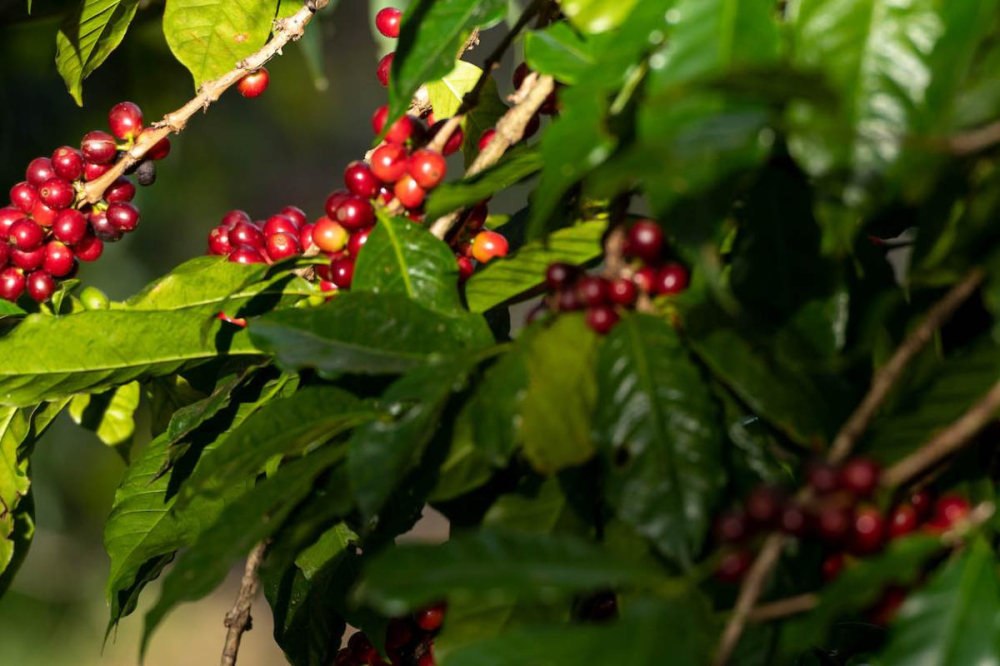
When discussing Panamanian Geisha, the pivotal role of Hacienda Esmeralda (La Esmeralda) cannot be ignored. The estate was founded in 1964 by American banker Rudolph Peterson, initially focusing on livestock. It wasn’t until 1987 when his son Price shifted the focus to coffee cultivation, introducing varieties such as Caturra and Catuai, and establishing a washed processing facility in 1994, that it gradually established its status in the specialty coffee world. Currently, Hacienda Esmeralda owns three core Geisha-growing regions: Jaramillo, Cañas Verdes, and El Velo. Each block, due to differences in microclimate and altitude, produces distinctly unique flavor profiles.
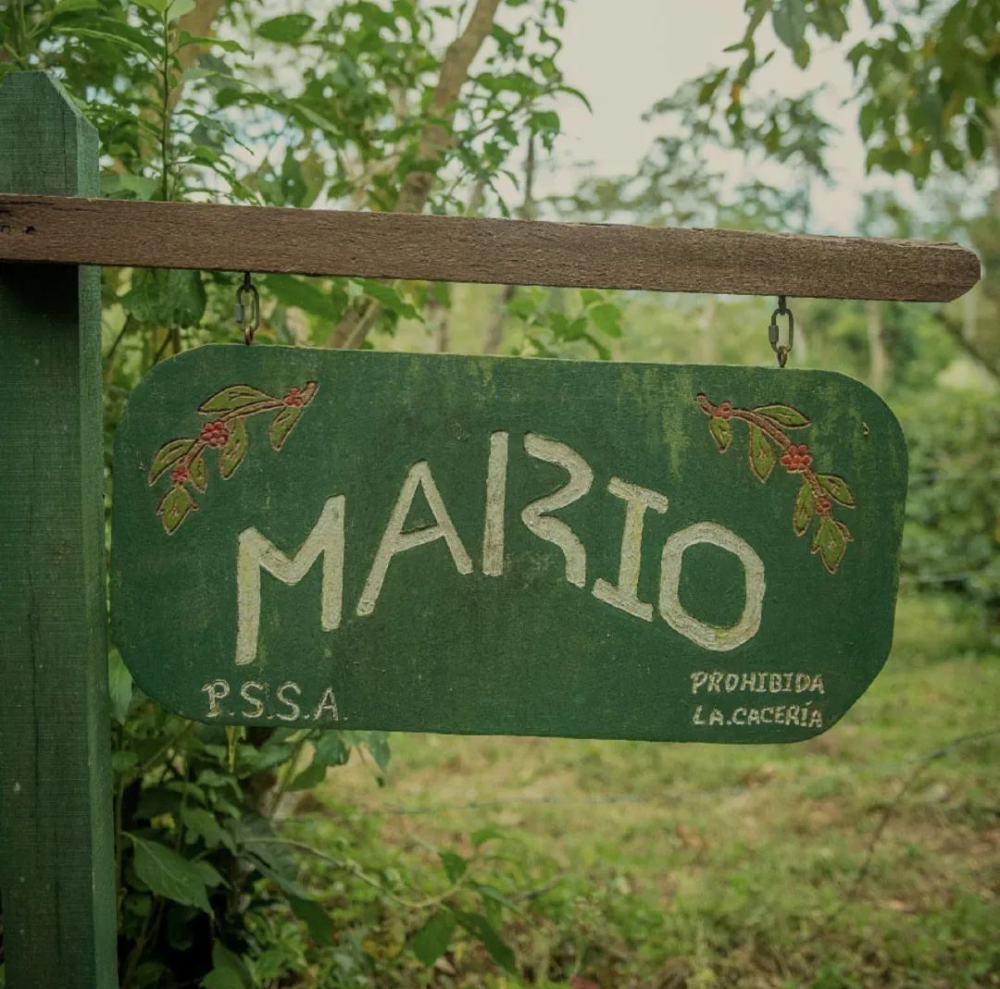
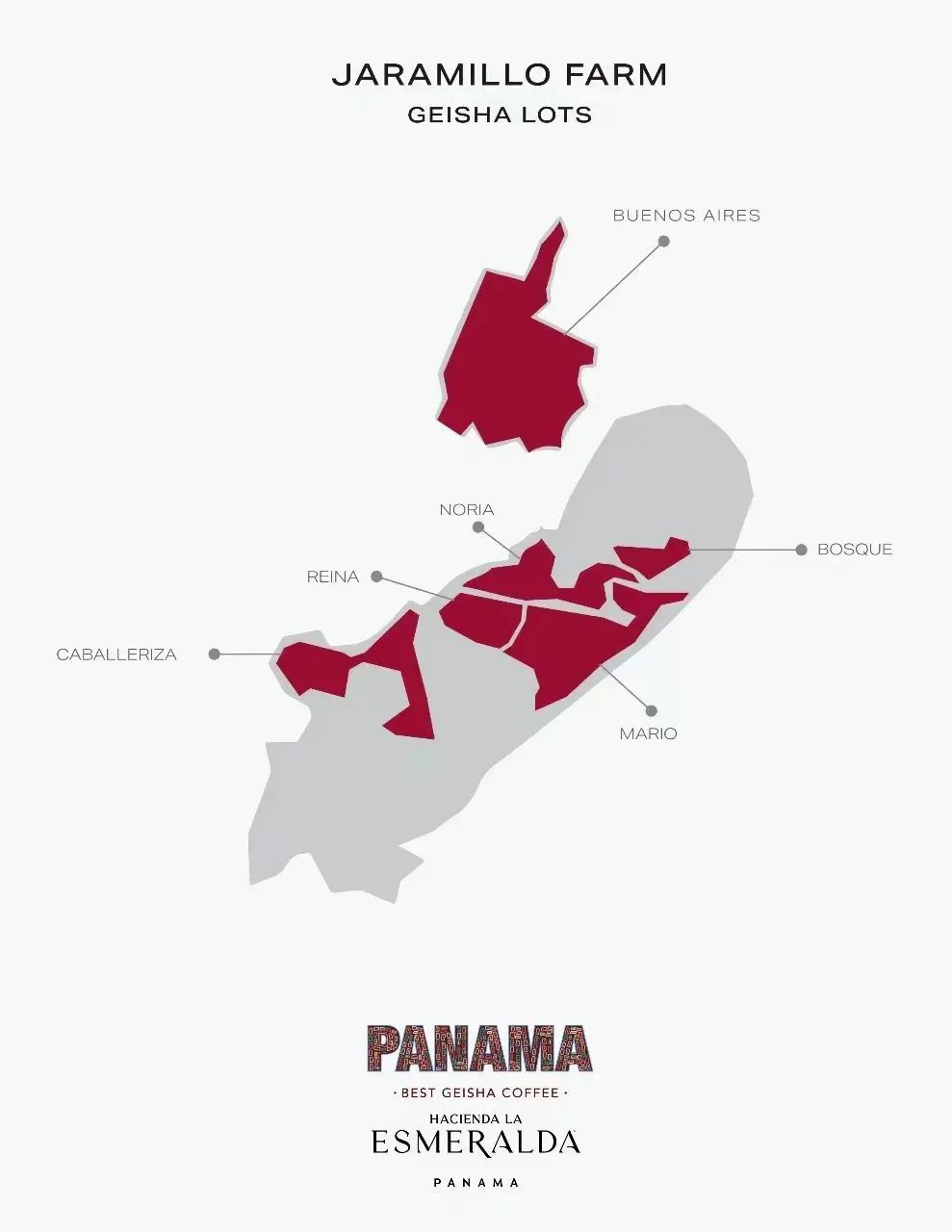
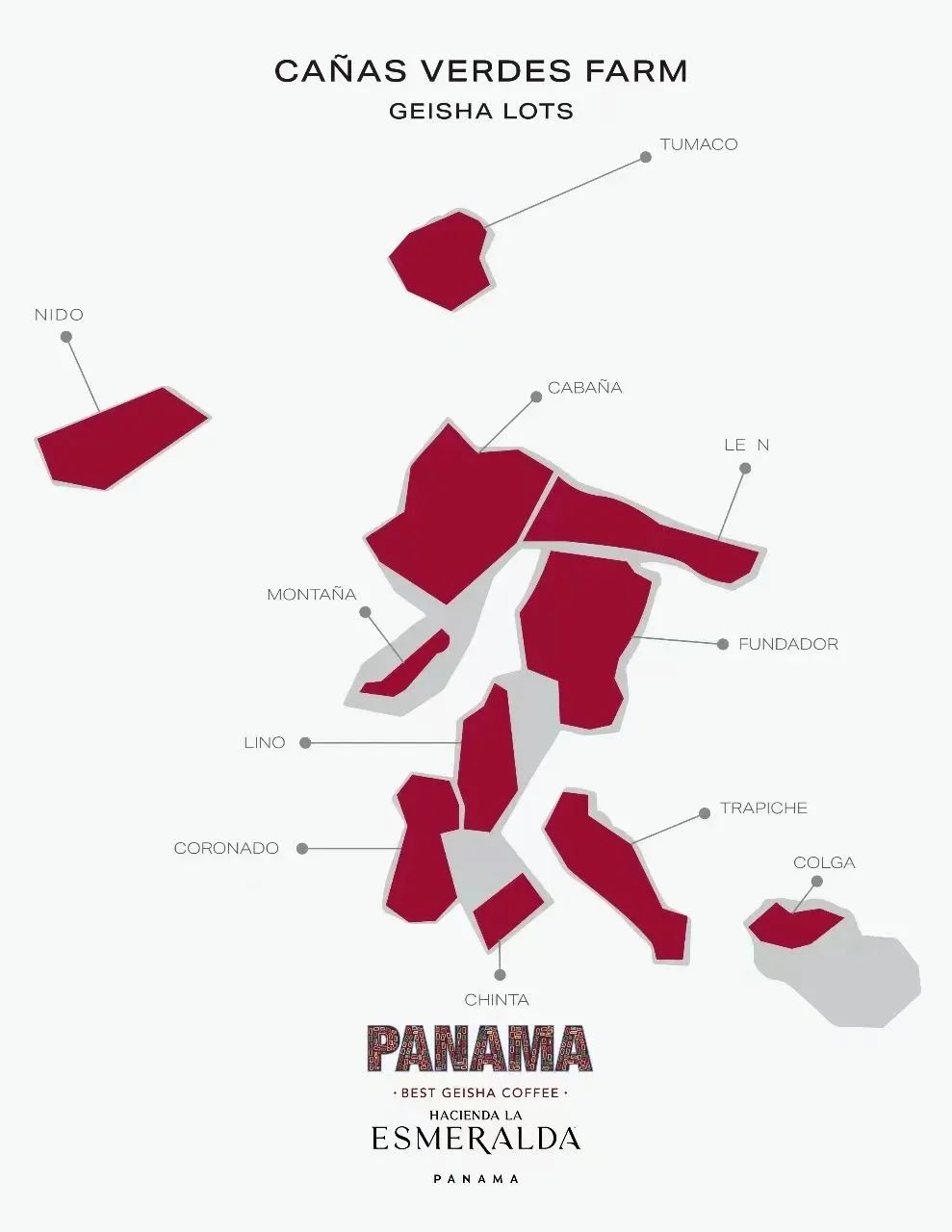
Jaramillo has an average annual temperature of 19–25°C, significant day-night temperature variations, altitudes ranging between 1600–1700 meters, and annual rainfall reaching 4000 mm, making it one of the regions where Geisha performs most exceptionally. It is further subdivided into five well-known small plots, including Mario, Noria, and Reina. Cañas Verdes, at a similar altitude (1600–1800 meters), receives 3500 mm of rainfall annually and also consists of nine micro-blocks, including the famous Mario plot, serving as the main source of Red Label Geisha. The El Velo plot was added in 2012, at an even higher altitude of 1700–1900 meters. It grows a diverse range of varieties as an experimental zone and has also produced high-quality Geisha.
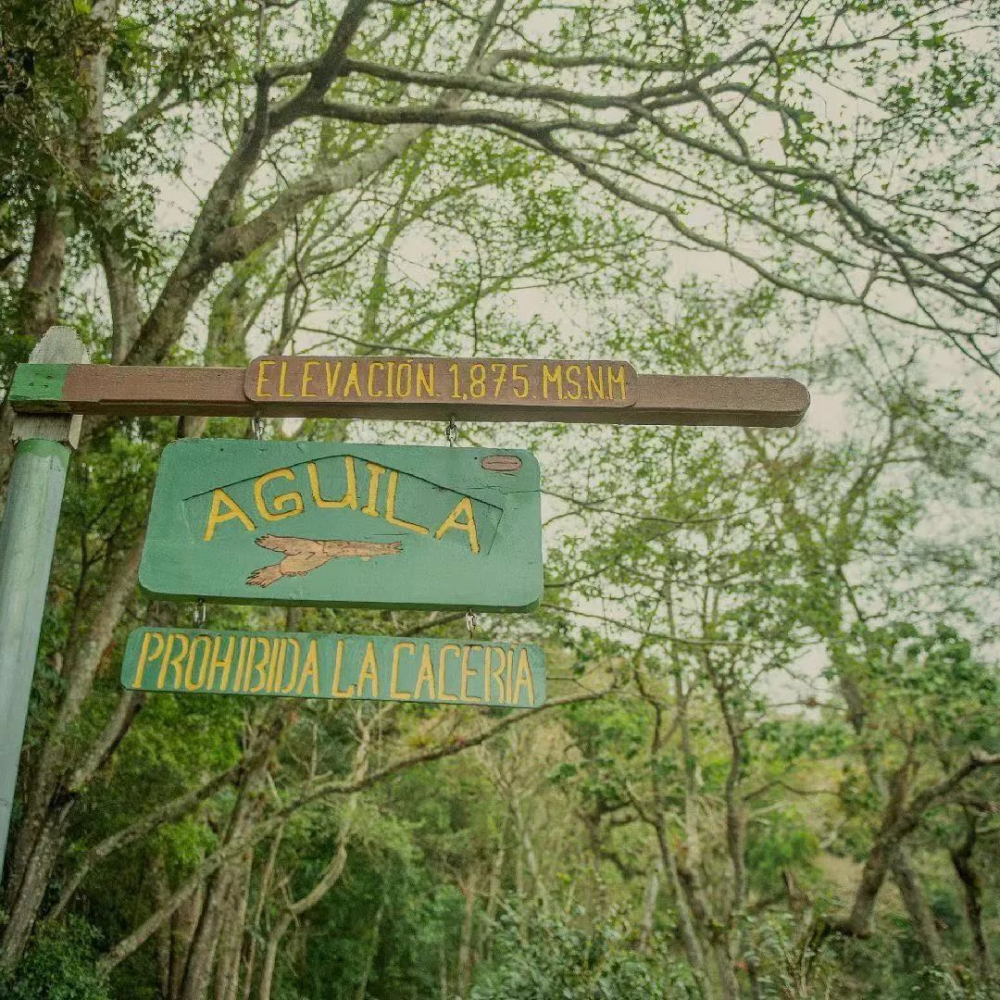
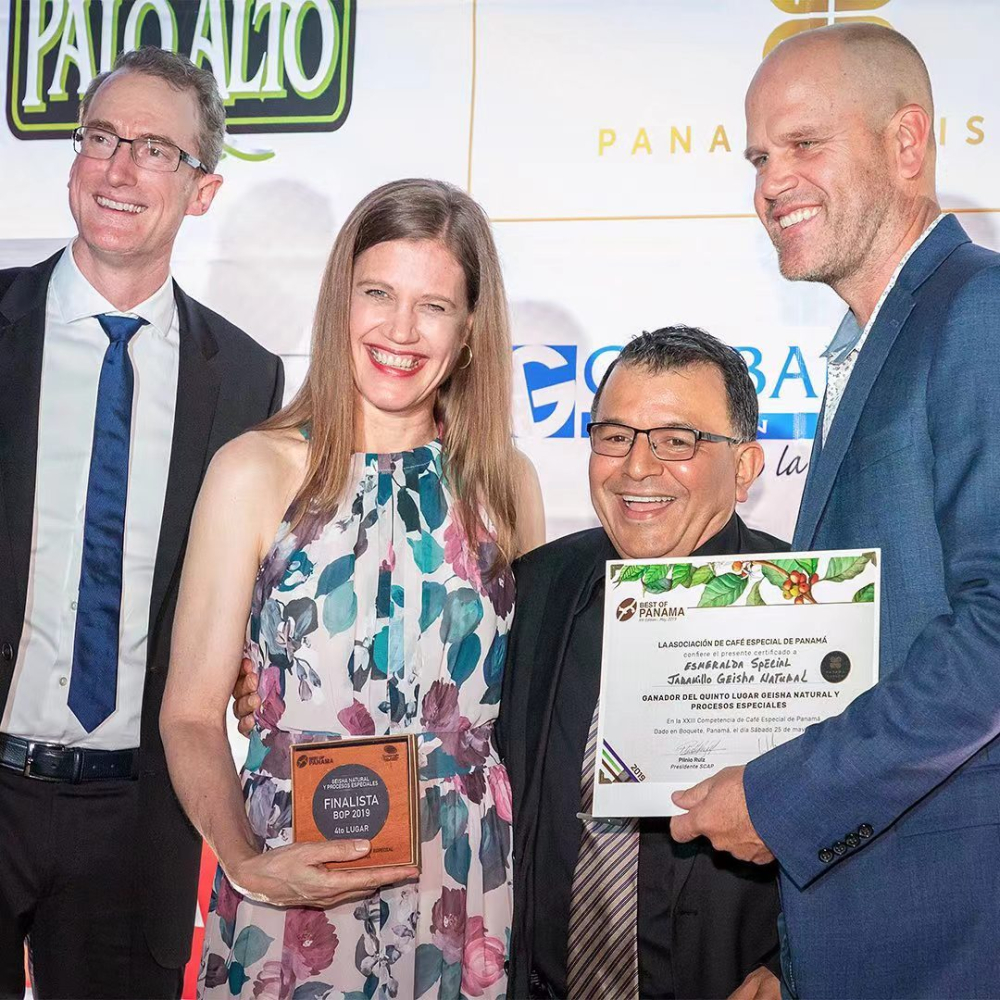
Hacienda Esmeralda classifies Geisha into Red Label, Green Label, Blue Label, and auction-exclusive grades based on growing region, altitude, and cupping results, forming a clear grading system. Among them, the Red Label (Esmeralda Special) represents auction-grade Geisha, selected from micro-lots at elevations of 1600–1800 meters in Jaramillo and Cañas Verdes with cupping scores above 90. These are mostly processed via washed or natural methods, and are renowned for their bold floral aromas and citrus notes. The Green Label (Private Collection) is a non-auction high-quality blend, also sourced from the same two regions, with relatively balanced flavors highlighted by delicate fruity notes and a full body. In recent years, it has mostly been washed processed.
The Blue Label (Geisha1500) originally came from mixed-production regions at altitudes of 1400–1500 meters, including parts of Jaramillo, Cañas Verdes, and El Velo. Its flavors are milder, with soft acidity and sweetness. However, after 2021, production has gradually been taken over by other brands, such as ‘Las Rocas’, known for its volcanic soils. Additionally, the auction series (Esmeralda Auction) has been separated from the Red Label since 2022 and is only available through auction. The highest-priced lot once sold for $2,755 per kilogram, setting a new record for Panamanian coffee auctions.
In terms of roasting strategy, a light roast is recommended as the main approach to highlight the distinctive high-toned floral aromas and layered fruit acidity of Geisha. For the Red Label, due to its high altitude and density, it is suggested to start roasting at 150°C, with first crack beginning at 8’10”, a development time of 1’28”, and a drop temperature of 189.5°C, to fully showcase its delicate flavors. The Green Label suits a slightly higher roasting temperature of 160°C, with first crack starting a bit earlier, emphasizing flavor balance and body. As for the Blue Label or the newly launched volcanic rock Geisha, due to their more subdued flavors, it is recommended to appropriately adjust the temperature and yellowing time to bring out their soft acidity and tea-like finish.
For brewing, it is recommended to use a Hario V60 dripper, with water at 90°C, a 1:15 coffee-to-water ratio, and medium-fine grind (80% passing through a #20 sieve), using a three-stage pouring method: the first stage involves a 30-second bloom with 30 grams of water, followed by pouring up to 125 grams for the first pour, then adding water up to 225 grams to complete extraction, with total brew time controlled around 2 minutes. These parameters help balance the acidity and sweetness of the Geisha while avoiding over-extraction that can lead to sharp flavors.
The Red Label Geisha features bright rose and citrus aromas, accompanied by complex fruit notes such as berries, apricots, and honey. It has a rich body and distinct layers. The Green Label presents soft jasmine floral notes, with clear citrus and berry tones, and a finish that carries creamy and citrus aftertastes. The Blue Label offers a lighter profile, starting with lemon and grapefruit acidity, transitioning to honey-like sweetness in the middle, and finishing with a refreshing oolong-tea-like teainess and brown sugar sweetness, delivering a clean and bright overall impression.
The above content is compiled by CoffeeHunters, a coffee news website.


