







Introduction:Panamanian Geisha coffee is renowned worldwide for its rarity and exceptional flavor profile, with three estates—Hacienda La Esmeralda (Emerald), Elida Estate (Elida), and Hacienda Hartmann (Hartmann)—standing as the most iconic representatives. This article will guide you through the geographic conditions, estate histories, and unique processing methods of these top-producing regions, while also delving into the flavor profiles and pour-over brewing recommendations for Red Label Geisha, Elida Typica, and Hartmann’s wine-process lot, helping you fully appreciate the charm and extraction nuances of Geisha.
The reason Panamanian Geisha coffee has become a top-tier representative in the global specialty coffee scene lies not only in its extremely low yield and high price, but also in its unparalleled terroir and rigorous cultivation and processing procedures. As a key coffee hub in Central America, Panama’s geography and climate provide the perfect stage for producing high-quality Arabica coffee.
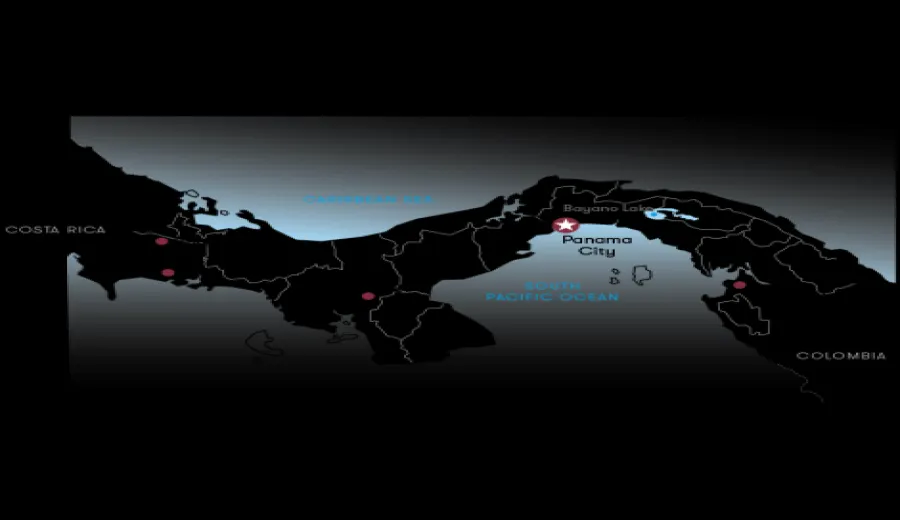
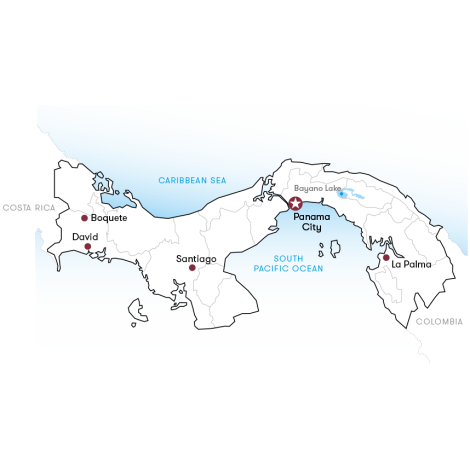
Located in the Central American isthmus, Panama is predominantly mountainous, with the Boquete region in the western Chiriquí Province being the most famous. The area benefits from a maritime-influenced climate with significant day-night temperature variations, and altitudes generally ranging between 1300 to 1850 meters, creating ideal conditions for the slow maturation of coffee cherries. This region is divided into several micro-lots, such as the well-known Boquete, Volcán, and Santa Clara, among which the coffee from the mountainous areas of Boquete is most highly regarded in the international market.
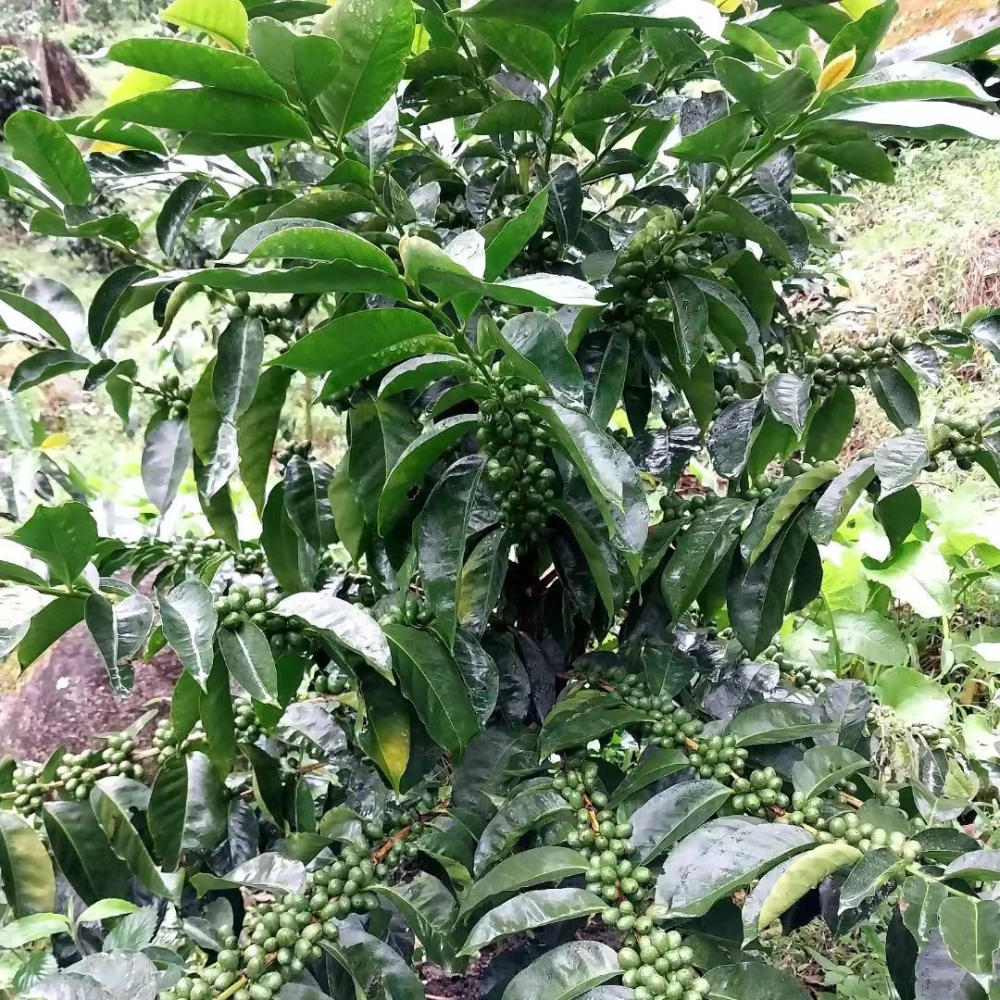
In terms of cultivation, local farms mostly adopt shaded growing methods, categorized into full shade, semi-shade, and sun-grown based on the density of shade trees. Shaded environments help extend the fruit ripening period, allowing coffee beans to accumulate richer flavor compounds, though they also tend to reduce yield per unit. Additionally, coffee grown at high altitudes usually exhibits brighter acidity and more complex aromatic profiles, which are core competitive advantages of Panamanian specialty coffee.
Emerald Estate: The Cradle of Red Label Geisha
When it comes to Panamanian Geisha, one cannot overlook Emerald Estate (La Esmeralda). This estate is located at the foot of the Barú Volcano and initially marketed coffee under the name of the Baru volcano. It wasn’t until 2004, when it gained fame at the Best of Panama (BOP) auction, that the Geisha variety truly captured international attention. Emerald Estate offers three tiers—Red Label, Green Label, and Blue Label—among whichthe Red Label Geisha (Esmeralda Special)is the highest grade, selected exclusively from the Jaramillo and Canas Verdes lots, grown at elevations of 1600 to 1800 meters, and scoring 90 points or above in cupping evaluations.
The Red Label Geisha is primarily processed using the natural (sun-dried) method, resulting in rich notes of tropical fruits and floral aromas. For brewing, it is recommended to use a Hario V60 dripper, with water temperature around 90°C, a brew ratio of 1:15, and medium-fine grind (75% through a #20 sieve). Employing a pulse pouring technique can fully showcase its complex layers of rose, citrus, berries, and honey, delivering a full-bodied mouthfeel with a sweet aftertaste.
Brewing parameter suggestion: Bloom for 30 seconds, first pour to 125g, then pour to 225g, with total brew time controlled within 2 minutes. This effectively highlights its bright acidity and fruity character.
Elida Estate: The Pinnacle of Ultra-High Altitude and Meticulous Detail
Elida Estate is one of the highest-altitude coffee farms in Panama, with some sections even located within the Volcán Barú National Park at elevations up to 1850 meters, making it one of the few representatives of ultra-high-altitude coffee in the world. The estate is owned by the Lamastus family, with owner Wilford Lamastus personally overseeing cultivation and harvesting. Only perfectly ripe, hand-picked coffee cherries are selected, and the beans undergo a low-temperature resting period of over five months to enhance flavor richness and complexity.
The estate grows Typica, Catuai, and Geisha varieties, among whichthe Typica variety, when processed using the natural method,exhibits an excellent balance of peach, raisin, orange, and cane sugar flavors, with a finish that carries hints of grapefruit and the subtle elegance of green tea—a classic representation of a delicate flavor profile.
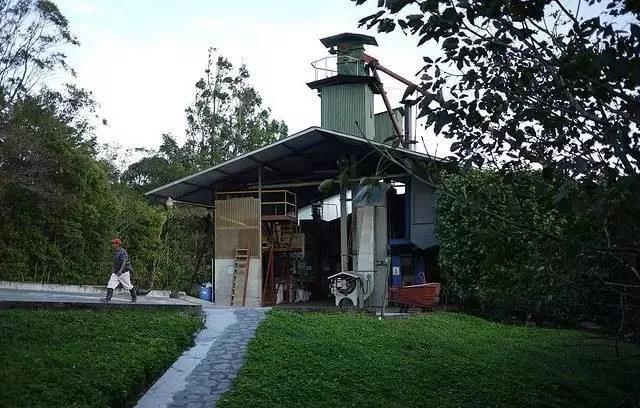
It is recommended to use a Hario V60 dripper, with water temperature at 91°C, a brew ratio of 1:15, and a slightly finer grind (80% through a #20 sieve), also employing a pulse pouring technique. Precise control over temperature and time allows for the perfect release of its rich fruitiness and refined sweetness.
Suggested brewing method: After a 30-second bloom, pour to 125g, then continue to 225g, with total brew time around 2 minutes. This yields a clear, bright acidity-sweetness structure and a long-lasting finish.
Hartmann Estate: A Fusion of Traditional Heritage and Innovative Processing
Managed by the third generation of the family, Hartmann Estate may be relatively low-profile in the auction scene, but its contribution to Panama’s coffee industry is undeniable—many well-known Panamanian estates are managed by this family. Located in the Volcán region at elevations between 1250 to 1700 meters, the estate mainly grows Catuai and is known for its uniquewine-process method (Carbonic Maceration)for coffee, resulting in highly distinctive aroma and flavor profiles.
The so-called wine-process method operates similarly to wine fermentation, where whole coffee cherries are fermented in an oxygen-deprived environment. By controlling temperature, humidity, and pH levels, it amplifies fruity and fermentative characteristics. This method imparts the coffee with pronounced wine-like aromas, alongside refreshing acidity from citrus and kiwi, as well as mid-palate sweetness and a vinous finish.
It is recommended to use a Hario resin V60 dripper, with water temperature at 93°C, a brew ratio of 1:16, and a slightly coarser grind (70% through a #20 sieve) to minimize over-extraction risk. The specific method involves: first pouring 40g of water for a 30-second bloom, then adding 140g, followed by 60g, with total brew time around 2 minutes. These parameters highlight the wine aroma as the main theme while maintaining a good acidity-sweetness balance.
Looking at the three top-tier representative estates of Panamanian Geisha coffee—whether it’s Emerald’s intense floral-fruit explosion, Elida’s delicate fruity sweetness, or Hartmann’s innovative wine-process treatment—they all demonstrate the boundless possibilities of Panamanian coffee in terms of altitude, variety, and processing methods. For pour-over enthusiasts, gaining a deeper understanding of these regions and processing techniques not only enhances the tasting experience but also enables more precise judgment and adjustments when selecting and brewing Geisha.
The above content is compiled by CoffeeHunters, a coffee news website.


