







Introduction:Both cold drip coffee and cold brew share the trait of being low-temperature extracted coffee beverages, yet they differ markedly in equipment design, extraction principles, and flavor profiles. This article delves into the distinctions between the two and systematically introduces the five core elements for crafting high-quality cold drip coffee—from bean selection and grind size to drip rate, coffee-to-water ratio, and optimal drinking timing—offering detailed parameter suggestions and practical tips to help you consistently extract aromatic, layered iced coffee.
Although both cold drip coffee and cold brew fall under the category of iced coffee drinks, their brewing methods, equipment structures, and final flavor expressions actually vary significantly. This article will provide a comprehensive breakdown of the cold drip brewing process based on hands-on experience, focusing on five key factors: bean selection, grind coarseness, dripping rate, coffee-to-liquid ratio, and optimal serving method. It offers precise parameter references, whether you’re trying it for the first time or aiming to improve consistency—you’ll find useful operational inspiration here.
Many who have tried cold drip coffee say it boasts deep aromas and a rich mouthfeel, with especially outstanding layering. Below, we’ll break it down step-by-step and teach you how to make a memorable cup of cold drip coffee.
The basic setup for cold drip coffee typically consists of three parts: the top container holds ice water, the middle layer holds ground coffee, and the bottom collects the slowly dripping coffee liquid. The concept is not complicated: ice water is poured into the top, and droplets fall slowly and steadily through the coffee grounds in the middle layer. The entire extraction process usually takes about 6 hours. Yet, within these seemingly simple steps, the details of each stage directly affect the final flavor. We’ll explain them one by one next.
Factor 1: Choice of Coffee Beans
Coffee beans are one of the most critical factors influencing the flavor of cold drip coffee. Beans from different regions, with varying processing methods and roast levels, exhibit vastly different flavor characteristics under low-temperature extraction. Generally speaking, light-roasted beans, with their bright acidity and fruity notes, tend to yield more enjoyable flavors when cold dripped. In addition, beans with distinct personalities and clear flavor profiles—such as Honduran Sherry, Costa Rican Giant Stone Blueberry, Musician Series, Colombian Rose Valley, and Flower Moon Night—are particularly well-suited for cold drip coffee.
Factor 2: Mastery of Grind Coarseness
The grind size of cold drip coffee directly affects the speed of water passing through the coffee bed and the efficiency of extraction. If the grind is too coarse, there’s less resistance in the coffee bed, causing water to pass through too quickly, resulting in under-extraction, weak flavors, and lack of body. Conversely, if the grind is too fine, excessive resistance may lead to pooling or even over-extraction, producing unpleasant bitterness. It is recommended to control the grind size so that approximately 80% to 85% of the grounds pass through a standard #20 sieve. For a richer taste, you can aim for 85%; for a cleaner flavor, adjust to around 80%.
Factor 3: Adjustment of Drip Rate
Drip rate is a major variable affecting the overall extraction time and is closely related to the evenness of flavor extraction. Some prefer one drop per second, while others opt for one drop every two seconds—different rhythms directly alter the total extraction duration. A commonly referenced drip rate is seven drops per 10 seconds, which maintains stability throughout the process and results in balanced flavor. Additionally, it’s recommended to slightly pre-wet the coffee grounds before starting extraction, helping to distribute the bed more evenly and reduce issues like localized over- or under-extraction.
Factor 4: Balancing Coffee-to-Water Ratio
The coffee-to-water ratio is key to controlling concentration and extraction yield. In practice, a common approach is to use 60 grams of coffee grounds with 600 milliliters of water—that is, a ratio of about 1:10—yielding coffee that is strong and flavor-concentrated. For a single 200-milliliter cup, this setup can produce roughly three servings. However, 1:10 is on the stronger side; the generally recommended cold drip coffee ratio ranges from 1:12 to 1:14, adjustable according to personal taste.
Factor 5: Timing and Method of Drinking
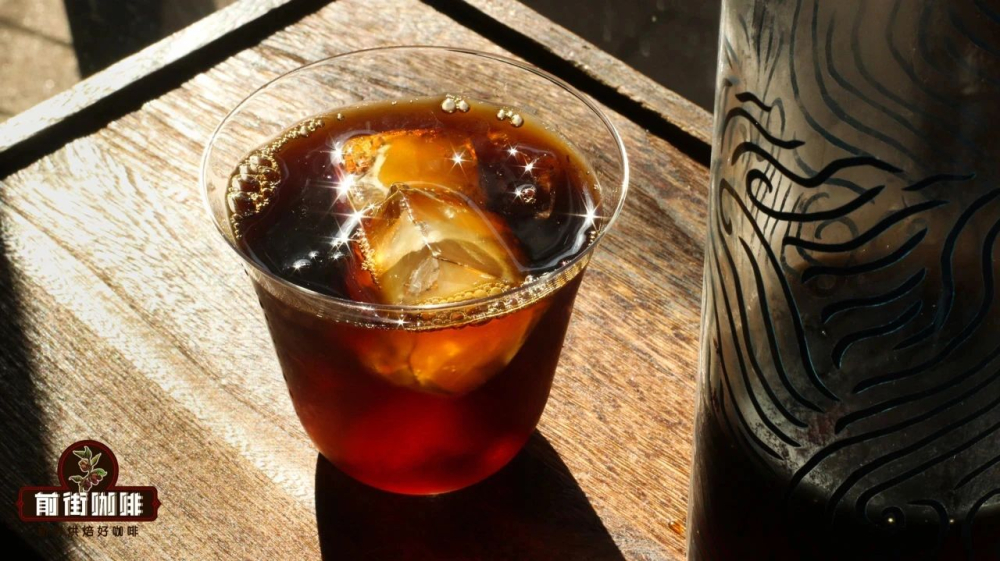
Though cold drip coffee can be consumed immediately after extraction, it’s advisable to refrigerate it for about 12 hours to allow flavors to further meld and settle, resulting in a smoother and more layered mouthfeel. Taking the common 1:10 concentrated ratio as an example, the finished coffee has a bold flavor. It’s recommended to enjoy it with about 40 grams of ice cubes mixed with 200 milliliters of coffee liquid—this dilutes the strength while maintaining a cool refreshment, making it an excellent choice for summer sipping.
Compared to the precise parameter requirements of cold drip coffee, cold brew offers relatively more flexibility in preparation. From bean selection and grind size to coffee-to-water ratio and steeping time, there’s a wider margin for error. As long as extreme parameter combinations are avoided, you can usually still extract a well-balanced and satisfying iced coffee.
The above content is compiled by CoffeeHunters, a coffee news website.


