







Introduction:Understanding coffee processing methods is fundamental to exploring coffee flavors. Washed, natural (sun-dried), and honey processes not only affect the appearance and storage of coffee beans but also directly shape the taste and aroma profile after brewing. This article provides an in-depth analysis of the steps, key parameters, raw and roasted bean identification features of the three mainstream processing methods, and further explains how each method influences flavor, helping you grasp the secrets behind coffee flavor variations at the source.
Coffee processing is not merely about simple washing or drying, but rather a scientific and meticulous craft process aimed at completely removing the fruit skin, pulp, and sticky mucilage layer of the coffee cherry while ensuring the stability of green bean quality for subsequent storage and roasting. Among the various processing methods, washed, natural, and honey are the three most widely used mainstream techniques, which differ significantly in processing procedures, raw bean appearance, roasted bean characteristics, and cupping flavors.
The washed processing method involves relatively complex yet precise steps. First, harvested coffee cherries must undergo strict screening to retain only fully mature and intact fruits. Next, specialized machinery is used to remove the skin and pulp, at which point the coffee beans still have a sticky mucilage layer attached. These mucilage-covered beans are then transferred to fermentation tanks filled with clean water, where they sit for approximately 12 to 36 hours, during which microorganisms naturally break down the mucilage. After fermentation, the beans are thoroughly rinsed with large amounts of clean water, followed by sun drying or mechanical drying until the moisture content of the green beans stabilizes within the ideal range of 10% to 13%, making them ready for storage.
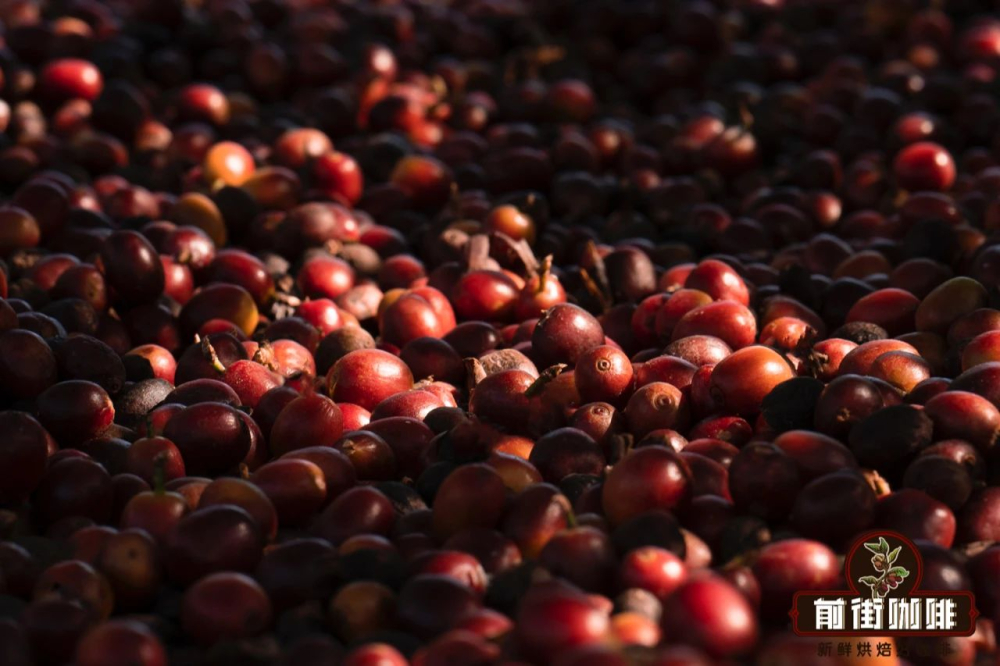
Natural processing, on the other hand, involves directly sun-drying whole, ripe coffee cherries—a traditional and natural method. During the drying process, the cherries must be constantly turned to ensure even heat exposure and to prevent localized over-drying or mold growth. This process typically takes 3 to 4 weeks until the outer layer of the fruit becomes hard, the color turns deep red-black, and the moisture content drops to 10% to 13%. The outer dark-colored pulp and skin are then removed using tools, leaving behind the inner green coffee beans.
The honey process falls between washed and natural processing, characterized by the deliberate retention of part of the mucilage layer. After harvesting, ripe fruits are also screened and the skin and most of the pulp are removed, but depending on the processor’s strategy, 30% to 100% of the mucilage may be retained (for example, white honey retains the least, while black honey retains almost all). The beans are then dried in the sun or shaded environment, with drying time adjusted according to the amount of mucilage retained, and the final goal is similarly to bring the moisture content down to 10% to 13%. Due to varying degrees of sugar penetration, the honey process results in a diverse range of flavor potentials.
Observing the appearance and aroma of green beans can also provide preliminary clues about their processing method. Washed green beans usually exhibit a bright blue-green color, with incomplete silver skin film, and give off a fresh citrus acidity and grassy scent. Natural green beans tend to be more yellow-green, with more intact silver skin, often carrying faint fermentation aromas, berry sweetness, and grassiness. Honey process green beans vary greatly in color due to differences in mucilage retention, possibly appearing brown, light yellow, or greenish, with incomplete silver skin; those with more mucilage retention show more pronounced fermentation aromas and soft candy sweetness, along with grassy notes.
The appearance of roasted beans also offers hints about the processing method. Washed roasted beans often do not shed their silver skin completely during roasting, frequently leaving white silver skin traces along the central crack. Natural roasted beans usually have their silver skin fully removed, so most beans show no white center line. Honey process roasted beans may also have residual silver skin issues, but due to the influence of mucilage and sugar, the beans often have uneven surface coloring with visible light and dark patches, which is one of their unique visual characteristics.
In terms of flavor, washed processing, due to its clear fermentation process, often delivers bright acidity and rich layers, making it the best way to showcase coffee's "cleanness." For example, the classic Yirgacheffe variety is often processed this way, presenting refreshing notes of lemon, honey, and green tea.Natural processing, because the entire fruit is dried, allows the sugars in the flesh and mucilage to fully transform, resulting in higher body and a softer balance of sweet and acidic tones, along with unique fermentation aromas. Although the flavor layers are not as distinct as in washed processing, the overall profile is more rounded.Honey processing, due to high sugar permeability, usually yields more intense flavors with strong fruit fermentation character, high sweetness, and is suited for drinkers who prefer bold, rich tastes, though it may slightly reduce flavor complexity.
The above content is compiled by CoffeeHunters, a coffee news website.


