







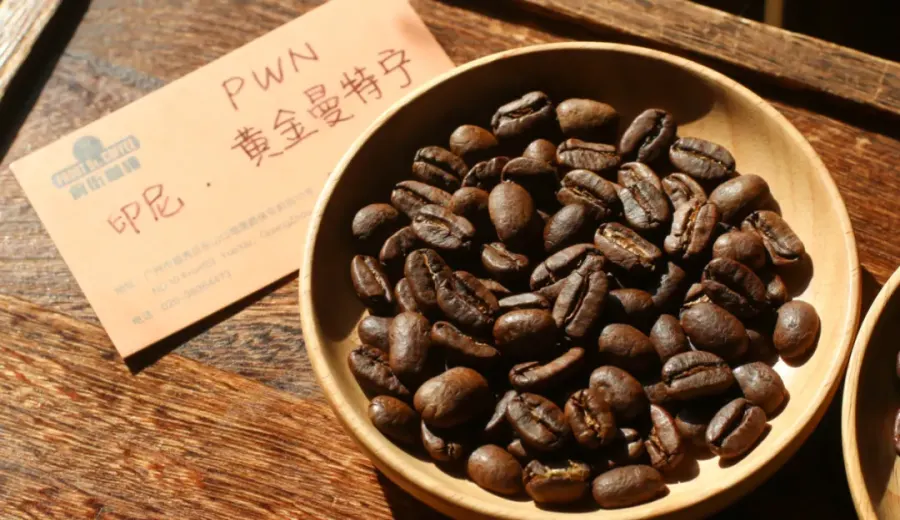
Introduction:Mandheling coffee is renowned for its bold, rich body, low acidity, and sweet aftertaste, making it a flagship representation of Indonesian coffee. This article delves into the unique characteristics of Mandheling’s growing regions, the wet-hulling processing method, and how medium-to-dark roasting highlights its herbal, spicy, and chocolatey notes. It also introduces the stringent selection criteria of Golden Mandheling and the differences with aged wet-hulled coffee, while offering brewing tips for both pour over and milk-based drinks to help coffee enthusiasts master selection and extraction techniques.
Mandheling coffee is a classic representative of Indonesian coffee, widely loved for its full-bodied flavor and low-acid, sweet finish. The unique taste profile of this coffee is closely tied to its growing environment, the wet-hulling processing technique, and specific roasting methods. This article will begin with the background of its growing regions, explore Mandheling’s processing and roasting traits, and take an in-depth look at the selection process of Golden Mandheling—offering you a comprehensive understanding of this globally favored coffee bean.
Take, for example, the TimTim or Ateng coffee varieties from the Gayo highlands of Sumatra, Indonesia, which are typically grown at elevations around 1,600 meters and processed using the wet-hulling method. Wet-hulling is a processing method unique to Sumatra, largely developed due to the region’s rainy climate that makes sun-drying difficult, coupled with past economic constraints that made the more costly washed process less feasible.
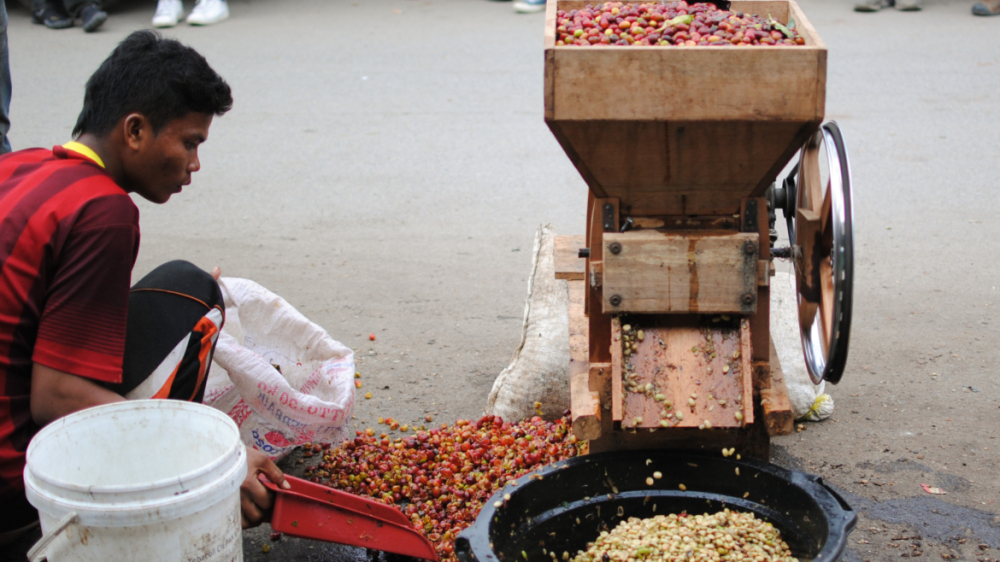
The wet-hulling process consists of two main stages: first, the harvested coffee cherries are depulped using a wooden pulper to remove the skin and fruit flesh. After about three hours of fermentation, the beans undergo initial drying to reduce moisture content to a semi-dry state of 30–50%. Next, the mucilage and parchment layers are removed, and the beans continue to dry until their moisture level reaches around 12–13%. The entire drying process generally takes 2–4 days. This method allows the beans to retain more distinctive flavors, resulting in the bold taste characteristic of Mandheling.
In addition to standard wet-hulling, there is also an aged wet-hulling method. In this approach, coffee beans processed by wet-hulling are stored in a cool, ventilated warehouse for 2 to 3 years, with regular turning to prevent mold. During the aging period, the acidity of the beans gradually transforms into richer sugars, and their color deepens, often appearing yellowish-brown or dark brown. This aging process imparts a rounder and fuller flavor profile to the coffee.
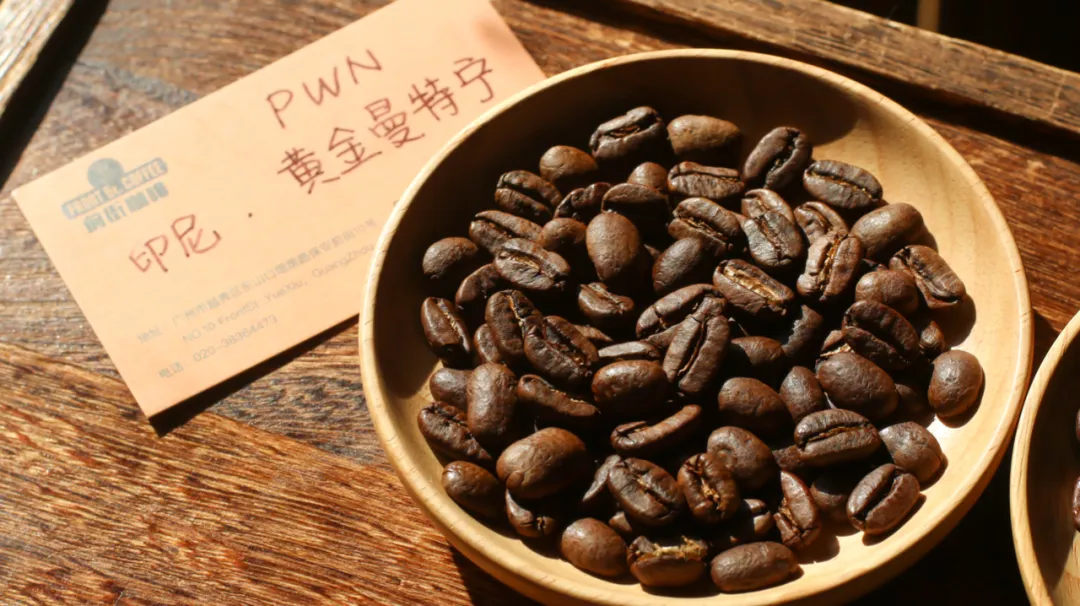
So-called Golden Mandheling refers to a premium coffee bean produced by Indonesia’s PWN company (Pwani Coffee Company). This coffee earns the title “Golden” due to its extremely rigorous selection process: it undergoes one machine-based density and color sorting, followed by four rounds of manual hand-picking, ensuring each bean is uniform in color and consistent in shape. Under light, these beans exhibit a radiant golden sheen, hence the name.
PWN enforces highly strict selection standards for Golden Mandheling. Beyond basic defect sorting (e.g., beans must be size 18 or larger, with no more than three defects per 300 grams of green coffee), they specifically eliminate peaberry beans—those small, round beans formed when one seed develops inside the coffee cherry instead of two, which, although not defective, affect visual uniformity. Furthermore, PWN employs machine-based density and color sorting to ensure the final beans achieve a high degree of consistency in color and shape. It is said that many Golden Mandheling beans on the market undergo only basic sorting and fail to meet PWN’s five-tier stringent selection criteria, resulting in differences in cleanliness and flavor consistency.
The origin of the name “Mandheling” also has an interesting historical backstory. Originally, “Mandheling” referred to the name of an ethnic group in Indonesia. During World War II, Japanese soldiers tasted high-quality coffee in Indonesia and were deeply impressed. Upon returning home, they sought out this coffee through trade contacts. The shop owner at the time misunderstood the question as being about the customers’ origins and replied “Mandailing.” Due to a miscommunication in pronunciation, it eventually became known as “Mandheling.” Interestingly, the shop owner was reportedly the founder of PWN Company.
In terms of brewing and tasting, Mandheling coffee benefits from a medium-to-dark roast, which brings out sweet herbal notes such as cinnamon and citrus peel, along with a rich creamy walnut and chocolatey mouthfeel. For pour over brewing, a medium-coarse grind is recommended, with water temperature controlled between 90–93°C to highlight its layered spice and sweetness. Additionally, Mandheling pairs well with milk in drinks like lattes or cappuccinos, balancing its bold profile and showcasing different flavor dimensions.
The above content is compiled by CoffeeHunters, a coffee news website.


