








Introduction:As the world’s largest coffee-producing country, Brazil is renowned for its coffee beans that are full-bodied and well-balanced, making them suitable for a wide range of brewing methods. This article takes an in-depth look at the single-origin beans from two renowned Brazilian regions—Cerrado and Fazenda Rainha—and compares their characteristics in detail, from altitude and variety to processing methods. It also explores how different roast levels influence flavor profiles. Additionally, we’ve compiled practical purchasing tips to help coffee enthusiasts find the right beans, whether for everyday drinking or advanced tasting.
Brazil consistently ranks as the top coffee-producing nation in the world, and its coffee beans are most notable for their excellent balance of acidity, sweetness, bitterness, and astringency. Compared to other regions, Brazilian beans typically exhibit a mild acidity, paired with rich sweetness and a full body. After roasting, they often exude distinct notes of nuts and caramel, with a soft fruity acidity lingering in the aftertaste. They perform exceptionally well both as single-origin brews and as the base for blends.

Among Brazil’s many coffee-growing regions, Cerrado and Mogiana stand out due to their unique microclimates and high-altitude environments, which produce specialty coffees with complex flavor profiles. The Cerrado region sits at around 1,000 meters above sea level and is dominated by large-scale farm cultivation, while Fazenda Rainha is located at elevations between 1,400 and 1,950 meters in the high-altitude area of Mogiana, representing meticulously managed estate-level products.
Fazenda Rainha uses the Yellow Bourbon variety, processed through the honey method, which enhances the coffee’s sweetness and fruity notes. The flavor profile of this bean is anchored by chocolate, accompanied by notes of nuts, caramel, and sugarcane sweetness. With careful sipping, you can also detect delicate tropical fruit undertones in the finish. It’s ideal for coffee lovers who enjoy a round and full-bodied taste.
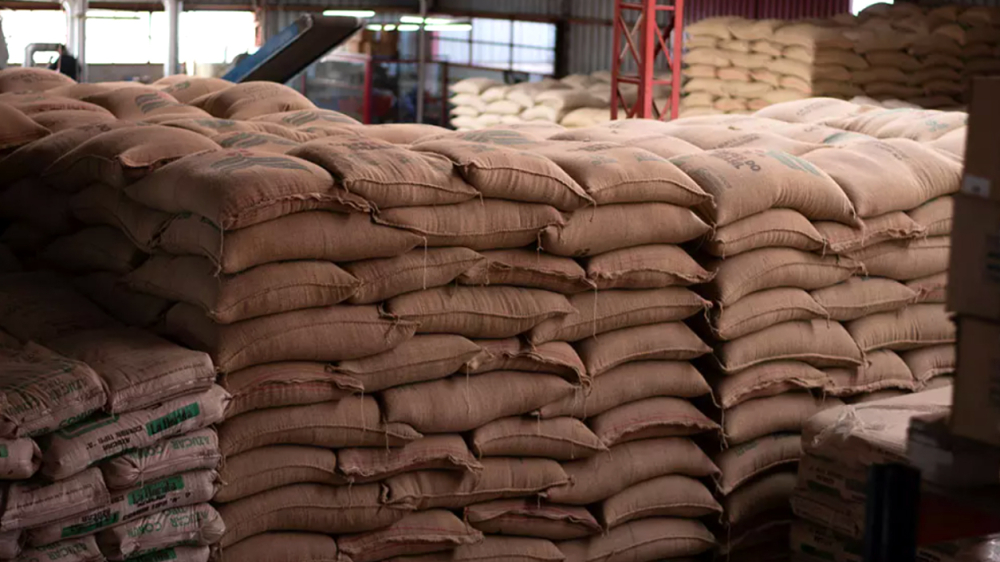
In contrast, the Red Bourbon coffee from the Cerrado region, though positioned as an everyday drinking option, delivers unexpected quality at an affordable price. Grown at 1,000 meters and processed using the honey method, this bean showcases a pronounced nuttiness, with a silky mouthfeel reminiscent of chocolate and cream upon entry. The latter part reveals warm notes of peanuts and caramel, making it highly suitable for daily brewing or for use in milk-based coffee drinks.
Many baristas recommend using Brazilian beans as the base for espresso blends due to their compatibility. Unlike the bright citrus acidity of Yirgacheffe or the heavy spice notes of Mandheling, Brazilian beans offer a neutral flavor that blends seamlessly with other regions’ characteristics. In practice, roasters often leverage the beans’ full body and caramelization potential, pairing them with high-acidity or spicy-flavored beans to create well-balanced blends.
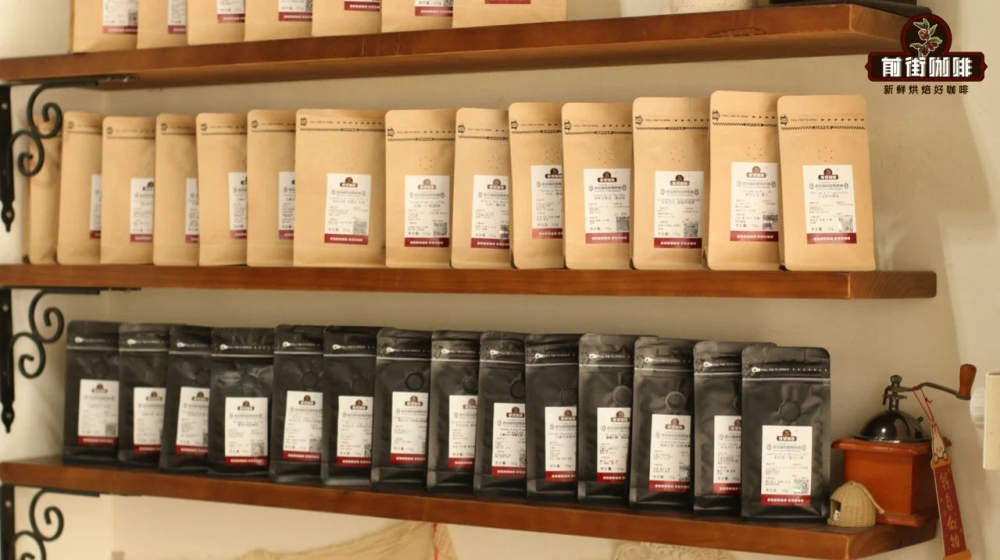
To meet various brewing needs, there are several classic Brazilian blends on the market worth considering: A premium blend combines Colombian washed beans with Brazilian honey-processed beans to emphasize layers of nuts and dark chocolate; a commercial blend adds Robusta to enhance intensity, suitable for users prioritizing value; a dark cocoa blend specially pairs Yunnan small-grain coffee with Brazilian beans to deliver gentle fruity acidity and caramel flavors ideal for use in a moka pot; and a classic blend mixes Indonesian Mandheling with Vietnamese beans to produce a rich, oily espresso with notes of dark chocolate and roasted nuts.
When selecting Brazilian single-origin beans, it’s advisable to pay attention to the combination of processing methods and roast levels. The honey process preserves more of the sweetness derived from sugar conversion, making it ideal for those who prefer sweet and aromatic flavors. In terms of brewing parameters, it’s recommended to use medium-light to medium roasts for pour over, with a grind size of about medium-fine (similar to the size of fine sugar), and water temperature controlled at 90–92°C. This setup effectively highlights the nutty and chocolatey core notes of Brazilian beans.

The above content is compiled by CoffeeHunters, a coffee news website.


