







Category: Coffee Knowledge
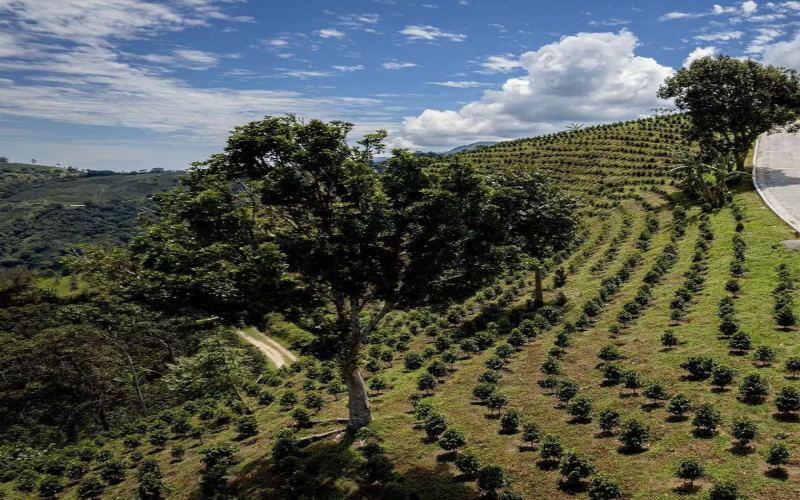
How to Brew Colombian Huila Washed Beans? Pour Over Parameters & Flavor Profile
Huila Province in Colombia is renowned for its stable and layered washed coffees. This medium-dark roasted everyday bean offers a balanced profile of chocolate, nuts, and gentle acidity. This article details the regional terroir and unique features of the washed processing method, and provides practical KONO filter brew recommendations — including grind size, water temperature, coffee-to-water ratio, and a three-step pouring technique — to help you easily master the key brewing points of this classic bean. [more…]

A Complete Guide to the Characteristics of Colombian Huila Coffee Beans and Pour Over Flavors
Want to dive deep into the coffee of Colombia’s Huila region? This article starts with the geographical environment and altitude climate of the region, helping you understand the growing advantages of Arabica coffee there. It also analyzes Colombia’s bean-size-based grading system and provides practical medium-to-dark roast pour over parameters and flavor profiles, assisting you in selecting the right beans and brewing a great cup. [more…]
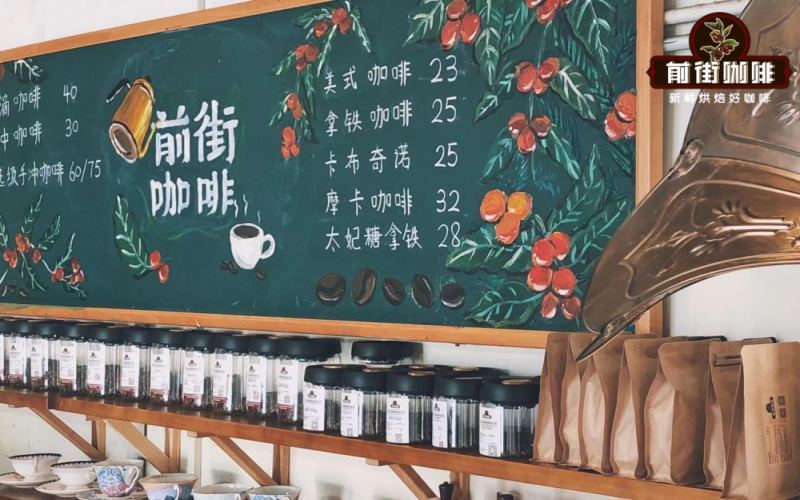
How to tell apart a latte, cappuccino, and flat white? A breakdown of differences in history, ratios, and milk foam
Lattes, cappuccinos, and flat whites are the three most common milk-based coffee drinks found in cafés, yet many people still can’t tell them apart. This article starts with the cultural origins of these three drinks, then takes an in-depth look at their key differences in cup size, espresso volume, milk ratio, milk foam thickness, and flavor profile. It also includes practical tips—such as recommended coffee bean varieties, whether they work well as iced drinks, and alternative options like Dirty coffee—to help you accurately identify and enjoy every nuanced sip. [more…]

Espresso Grinding Guide: 5 Practical Tips from Beginner to Pro
To make rich and smooth espresso at home, mastering grind size is key. However, factors like ambient humidity and bean freshness can affect extraction performance, causing previously set grind settings to become ineffective. This guide will show you how to adjust your grind size step-by-step based on brew ratio, extraction time, and flavor feedback, helping you achieve the optimal grind. It also shares resting tips for freshly roasted beans and practical adjustment methods to help you consistently recreate café-quality coffee flavors at home. [more…]
Secrets to Setting the Grind Size for Espresso: A Complete Guide from Basic Adjustments to Flavor Fine-Tuning
When brewing espresso at home, grind size is often the key factor that determines success or failure. However, factors such as the freshness of the coffee beans and ambient humidity can all affect extraction results. Therefore, grind size is not set in stone but requires continuous observation and fine-tuning. This article will guide you step-by-step to master the skills of adjusting grind size—from using the basic formulas of coffee-to-water ratio and extraction time to find the right setting, to refining flavor through tasting—helping you extract professional-level espresso with rich crema and layered complexity. [more…]
Brewing Golden Mandheling with V60 Pour Over? A Complete Guide to Adjusting Grind Size and Water Temperature to Elevate Flavor Layers
Many coffee enthusiasts purchase PWN Golden Mandheling from a certain brand, follow the brewing instructions on the package, and attempt to brew it at home using pour over, only to often find the flavor profile lacking and significantly different from what they taste in cafés. The key lies in the fact that cafés typically use KONO filter cones, while most households use V60 cones—these two methods differ in flow rate and extraction logic. This article will take you through an in-depth understanding of how to adjust grind size, coffee-to-water ratio, water temperature, and pouring techniques to brew a rich and layered Indonesian Golden Mandheling using a V60 pour over at home. [more…]
Complete Guide to Tanzanian Coffee: Washed Processing, Grading Standards, and Kilimanjaro Flavor Profile
Tanzanian coffee is predominantly processed using the washed method and follows a bean grading system similar to Kenya’s. Among its regions, beans from the Kilimanjaro area embody the essence of high-altitude advantages and unique microclimates. This article delves into its processing techniques, rigorous grading standards, major producing regions, and flavor profiles, helping you grasp the essence of this “coffee gentleman” that blends the characteristics of two East African powerhouses — an essential guide for selecting fine African coffee beans. [more…]
Ethiopian Sidamo vs. Yirgacheffe Coffee Beans: Pour Over Compatibility, Processing Methods & Roasting Recommendations
Ethiopia's Sidamo and Yirgacheffe are globally recognized by specialty coffee enthusiasts as benchmarks of flavor. Though both belong to high-altitude premium growing regions, they differ significantly in processing methods, aroma profiles, and ideal brewing techniques. This article provides an in-depth analysis of the characteristics of these two classic regional beans—including floral and fruity notes, acidity-sweetness balance, optimal roast levels, and pour over extraction tips—to help you choose the bean variety that best suits your taste preferences. [more…]
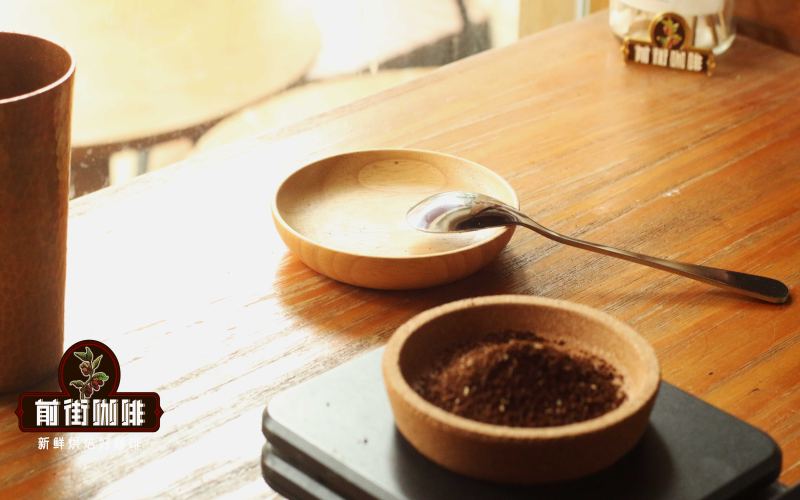
How to Choose the Grind Size for Pour Over Coffee? Beginner's Guide to 20-Mesh Sieve Calibration and Ground Coffee Layer Observation
The flavor performance of pour over coffee depends 70% on the precise control of grind fineness. Many coffee enthusiasts often mistakenly assume that the numerical scale on a grinder is directly proportional to the particle size of the grounds, but in reality, it varies greatly depending on the equipment. This article explains the principles of grinding, SCA-standard calibration methods, and combines hands-on use of a 20-mesh sieve with techniques for observing the settling of the coffee layer, teaching you to avoid common pitfalls and find the golden grind range suitable for different roast levels — enhancing the consistency and complexity of each brew. [more…]
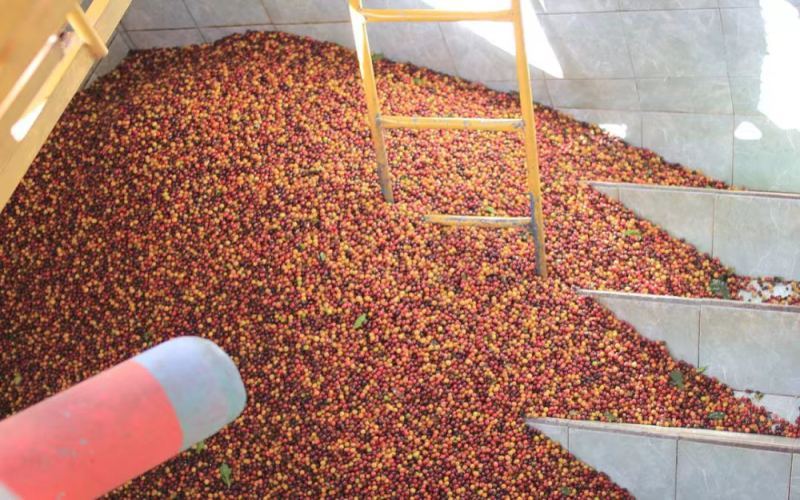
A Comprehensive Guide to Costa Rica Tarrazú Coffee: Regional Characteristics, Varietal Insights, and Pour Over Recommendations
Dive deep into Costa Rica’s most iconic Tarrazú region to discover how its unique geography gives rise to specialty coffees with balanced flavor profiles and bright, sweet acidity. This article introduces the region’s geographical conditions, major cultivated varieties, and details the key steps of the washed processing method, while also providing practical pour over parameters and flavor profiles to help coffee enthusiasts fully appreciate the charm of Tarrazú. [more…]

Is it possible to brew a single serving with a siphon? A complete guide to its structure and brewing techniques
Want to brew a single cup of coffee using a two-cup siphon? This article delves deep into the structural principles of the siphon, the logic behind the pairing of the upper and lower chambers, and the operational details of the filtration system, while also exploring the feasibility of adjusting brewing parameters to make a single serving. From the design of the equipment to practical usage tips, it helps you master the brewing essentials of the siphon and provides guidance on brand selection, allowing you to more confidently enjoy the unique flavor of siphon-brewed coffee. [more…]
Ethiopia Aricha Natural Yirgacheffe G1: Light Roast Flavor Analysis & Washed Comparison Guide
Yirgacheffe is renowned for its washed beans, but this Natural G1 Yirgacheffe from the Aricha region defies expectations with its remarkably clean flavor profile. This guide delves into its origin background, light roasting process, and provides a detailed comparison of the flavor differences between washed and natural processing methods, along with practical brewing parameter recommendations to help you discover your preferred coffee flavor profile. [more…]
Ethiopia Yirgacheffe Aresi G1 Natural Bean: Light Roast Flavor Profile & Pour Over Recommendations
The Ethiopia Yirgacheffe Aresi G1 Natural Bean is renowned for its high-quality G1 grade Arabica beans. Combining the rich fruity aroma of the natural processing method with the clear flavor layers of light roasting, it delivers a unique taste profile featuring floral notes, tropical fruits, and honey-like sweetness. This article provides an in-depth analysis of its growing region, processing technique, roasting suggestions, and flavor characteristics, along with practical pour over parameters to help coffee enthusiasts explore the charm of this high-value natural bean. [more…]
Complete Guide to Ethiopian Sidamo Coffee: Flavor Profiles, Natural Processing, and the Huakai Variety
An in-depth exploration of the unique terroir, natural processing methods of the Ethiopian Sidamo region, as well as the origin and evolution of the renowned Huakai coffee. From altitude and microclimate to processing techniques, this guide comprehensively analyzes the allure of this specialty coffee origin. It also offers practical pour over brewing tips and key flavor identification points, taking you from beginner to advanced understanding of Sidamo. [more…]
Ethiopia Sidamo Hua Kui Coffee: A Comprehensive Guide to Its Terroir, Processing Method, and Brewing Techniques
Dive deep into the Hua Kui coffee from the Guji-Hambela region of Ethiopia Sidamo. Explore its unique terroir, native varietal characteristics, and sun-dried processing method to uncover the secrets behind its high sweetness and vibrant floral-fruity aromas. This article explains the logic behind the Hua Kui X.0 vintage coding system, compares its flavor profile with that of Yirgacheffe, and provides practical pour over recommendations and parameters to help you fully appreciate the charm of this popular specialty coffee bean. [more…]
Africa vs. Central & South American Coffee Beans: A Complete Guide to Flavors and Grading from Mexico to Brazil
Africa and Central & South America are two major pillars of the global coffee map, yet their flavor profiles differ dramatically. African beans are known for their bright floral notes and vibrant fruit acidity, while Central & South American beans often showcase a balanced taste with nuts, caramel, and gentle acidity. This article takes you deep into representative Central & South American coffee-producing countries such as Mexico, Jamaica, and Brazil, analyzing local growing conditions, estate grading systems, and unique flavor characteristics. It helps you choose the right coffee beans based on your taste preferences and understand the differences between African and American beans. [more…]
How to Choose Panamanian Geisha Butterfly Coffee Beans? A Complete Guide to Varieties, Flavors, and Washed Processing
Panamanian Geisha Butterfly coffee beans are a popular choice for many pour over enthusiasts. Blending three major varieties—Geisha, Caturra, and Catuai—they offer unique floral, berry, and honey sweetness notes. This article provides an in-depth analysis of the variety composition, farm background, and meticulous processing techniques of this washed bean from the Boquete region, helping you understand how to bring out the best flavors with a light-to-medium roast, along with practical tasting and brewing tips. [more…]
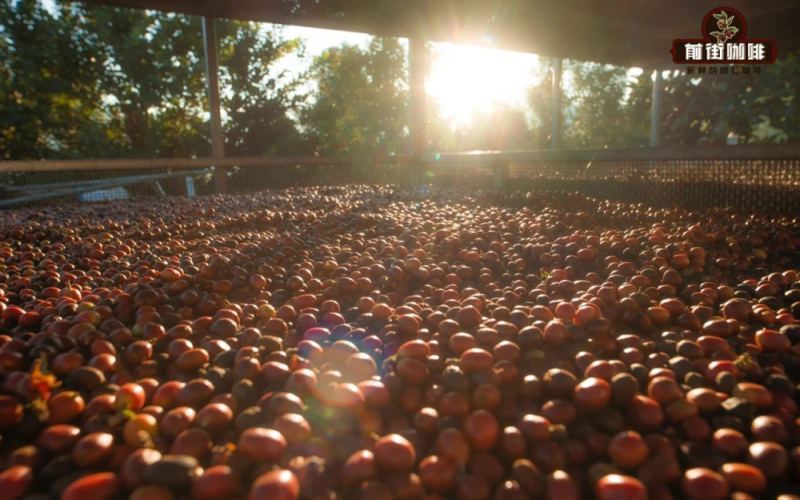
A Comprehensive Analysis of Yunnan Coffee Varieties and Processing Methods: From Typica to the Evolution of Natural Flavor Profiles
An in-depth exploration of how Yunnan — China’s only region for large-scale Arabica coffee cultivation — has evolved from its early cultivation of the Typica variety, gradually shifting toward commercial production dominated by Catimor, and then returning to a renewed focus on traditional varieties and processing methods. This article will analyze the background of Yunnan coffee’s varietal evolution, the impact of major processing techniques on flavor, and using classic sun-dried Typica as an example, provide roasting profiles, cupping insights, and pour over recommendations to help you fully grasp the potential and unique characteristics of this highland-grown coffee. [more…]
Complete Guide to Honduran Coffee Regions: Variety Profiles and High-Altitude Cultivation Features
As an important Central American coffee-producing country, Honduras boasts over 280,000 hectares of coffee cultivation, predominantly on small farms. This article provides an in-depth analysis of the main producing regions, renowned coffee varieties, and their unique flavor characteristics — from washed processing methods to high-altitude growing conditions — helping you grasp the essence of Honduran coffee. Whether you prefer pour over or other brewing methods, you’ll find the perfect choice. [more…]
Complete Guide to Honduran Coffee Regions: Washed & Natural Processing, Flavor Profiles & Recommended Varieties
As one of the world’s top ten coffee-exporting countries, Honduras is widely praised for its coffee’s delicate fruity notes and well-balanced profile. This article delves into the characteristics of the country’s major coffee-growing regions, the craft differences between common processing methods such as washed and natural, and their impact on flavor profiles, while also introducing mainstream cultivated varieties like Caturra and Bourbon. Whether you’re a beginner or an advanced coffee enthusiast, you’ll gain practical insights for selecting and appreciating Honduran coffee. [more…]