








Introduction:Want to gain a deeper understanding of coffee from Colombia's Huila region? This article starts with the region’s geography, altitude, and climate, helping you understand the growing advantages of Arabica coffee there. It also explores Colombia’s bean-size-based grading system and provides practical medium-dark roast pour over parameters and flavor characteristics to help you choose the right beans and brew a great cup.
Colombian coffee enjoys high global recognition. For many beginners, it’s often their first exposure through espresso-based drinks like lattes or cappuccinos. These beverages typically use espresso as a base, and Colombia and Brazil are common sources of blend beans. Beyond commercial use, Colombia is also renowned for producing high-quality specialty coffee, with the Huila region often hailed as one of its representatives.

Huila, originally spelled Huila, is one of Colombia’s important specialty coffee regions. Note that this name may be romanized differently across platforms or shops as “Huilan,” “Huilan,” or “Uila,” but they all refer to the same area. Although Huila is quite famous in the specialty coffee circle, not every coffee from this region is of premium quality. Some producers leverage Huila’s reputation to sell products of varying quality, so it’s important to judge based on multiple factors such as origin, processing method, and roasting information when making a purchase.
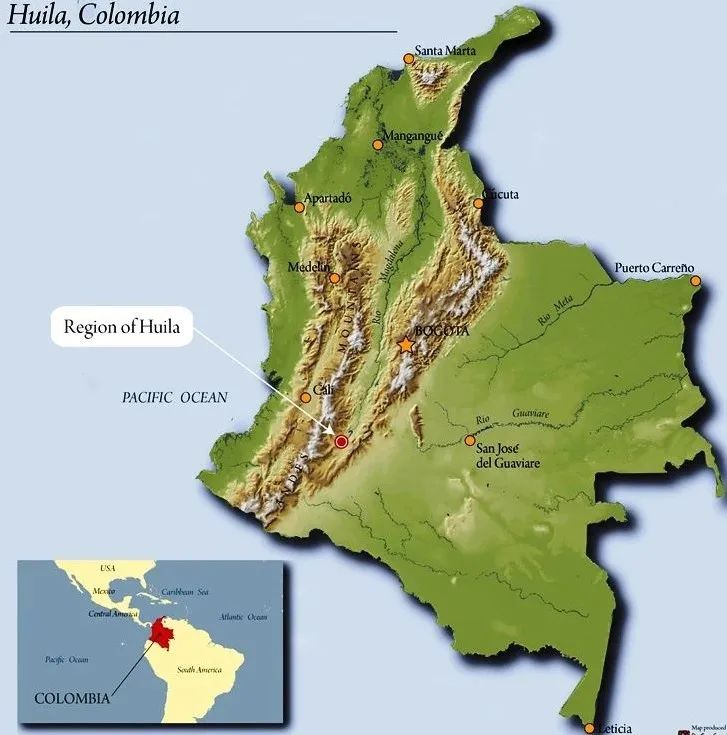
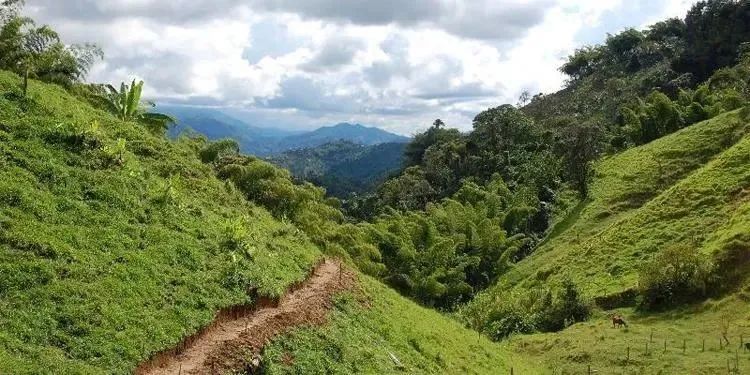
Huila is located in the southwestern part of Colombia, characterized by mountainous terrain and typical alpine topography, offering the ideal altitude needed to grow high-quality Arabica coffee. The unique climate of its valley slopes not only avoids cold wind intrusion but also brings cool mountain breezes and abundant rainfall—conditions that are nearly perfect for coffee tree growth.
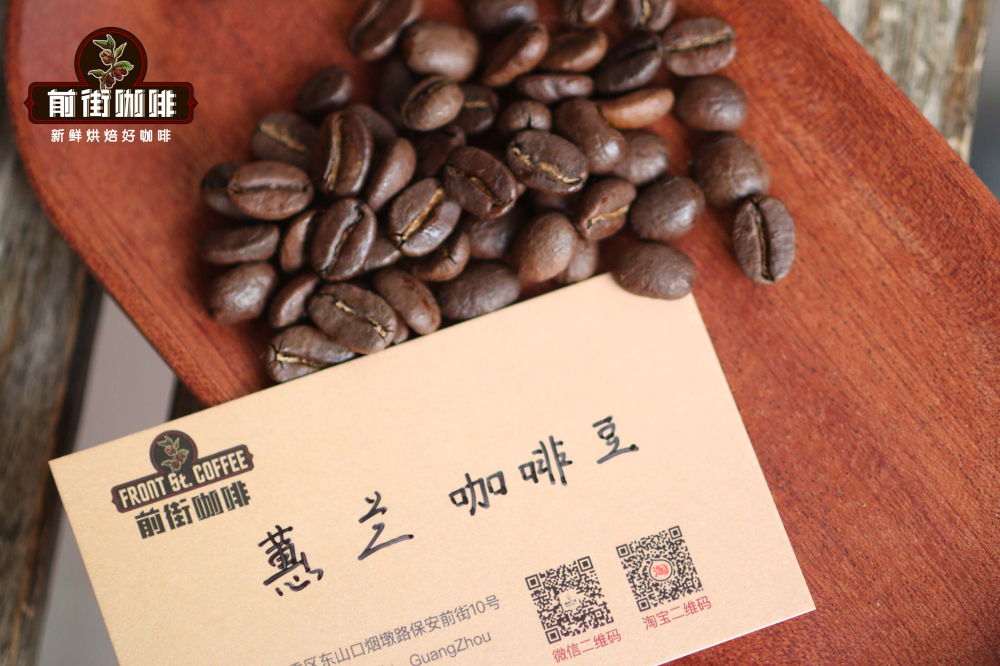
Local farmers mostly grow coffee trees on slopes and handpick ripe coffee cherries one by one during harvest to ensure only the highest-quality fruit proceeds to further processing. The most common processing method is washed, paired with medium roast, bringing out mild acidity and smooth mouthfeel. It’s neither as heavy as Brazilian beans nor as intense as espresso, earning it the reputation of “green gold” within Colombia.
However, evaluating coffee quality shouldn’t rely solely on appearance—it’s more important to understand its regional characteristics and grading system. Colombia’s grading standards differ from other American countries, primarily based on bean size rather than altitude alone. While Colombian coffee is generally grown at altitudes between 1200 and 2000 meters, which already provides a solid foundation, its grading places greater emphasis on the physical characteristics of the beans.
In Colombia’s system, the highest grade is “Supremo,” where the beans are large and plump with an extremely low defect rate. The next grade down, “Excelso,” has slightly smaller beans and overall quality that is a bit lower but still considered good. Understanding this grading logic helps in selecting Huila coffee beans with better cost-performance and quality assurance.
After grasping the regional terroir and grading system, the next step is roasting and extraction. Take a common washed Huila coffee bean as an example—it’s usually of the Caturra variety, grown at an altitude of about 1500 to 1800 meters, which falls within the mid-to-high altitude range and possesses good flavor potential. Such beans are typically medium roasted to balance acidity and sweetness, highlighting the aroma of roasted nuts and caramel, suitable for the taste preferences of most drinkers.
For medium-dark roasted Huila coffee, it’s recommended to use a V60 filter for pour over brewing. Its unique spiral rib design can effectively control water flow rate and avoid over-extraction. The suggested grind size is medium-fine (tested with a Chinese No. 20 standard sieve, with a filtration rate of about 75%), and the water temperature should be controlled at 89-90°C, which is on the relatively low side, helping to bring out sweetness and body.
The recommended coffee-to-water ratio is 1:15, for example using 15 grams of coffee grounds with 225 grams of hot water, suitable for a single serving. This parameter combination has been tested in practice and can deliver stable and pleasing flavor performance.
During actual brewing, it’s recommended to use a three-stage pouring method. The first stage is the bloom phase—pour about 30 grams of water, gently circling to evenly wet all coffee grounds. Let it sit for around 30 seconds. This step helps release CO₂ and assess bean freshness—fresh medium-dark roasted beans usually puff up slightly during blooming, resembling a hamburger shape. Otherwise, they may have passed their optimal flavor window.
Then, for the second stage, pour 95 grams of water using the same slow circular motion. The total water volume will accumulate to 125 grams. Wait until the water level drops by about one-third, then proceed to the third stage and pour to reach a total of 225 grams. Finally, once all the water has dripped through the filter, the total extraction time should be controlled within 1 minute and 50 seconds to 2 minutes, and should not exceed 2 minutes and 30 seconds at most.
Following this process, the brewed Huila coffee often exhibits layers of nuttiness, dark chocolate, and caramel, accompanied by mild fruity acidity. The overall aroma and sweetness are prominent, making it suitable for coffee lovers who enjoy balanced flavors and subtle acidity. As long as you understand the regional background, grading concepts, and appropriate brewing parameters, you can experience the unique charm of Colombia’s high-altitude coffee through a cup of Huila.
The above content is compiled by CoffeeHunters, a coffee news website.


