







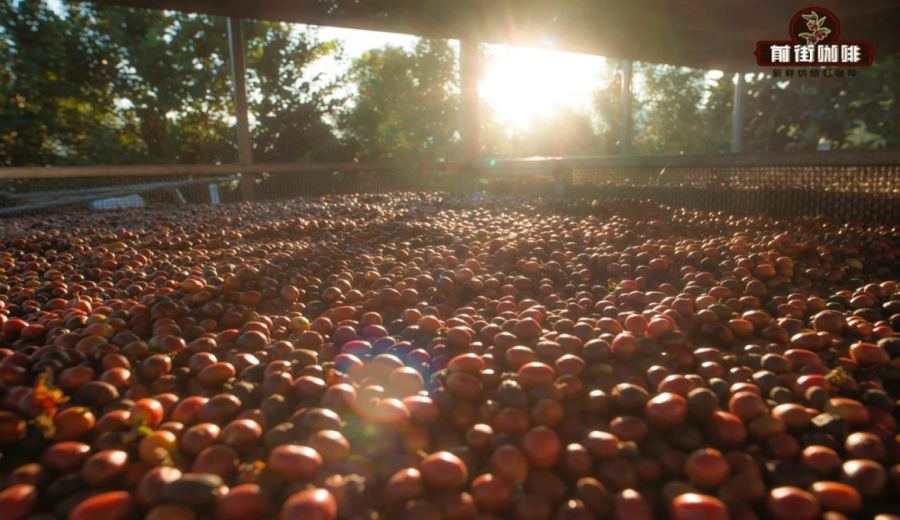
Introduction:An in-depth exploration of how Yunnan, China’s only major region for large-scale Arabica coffee cultivation, has evolved from early Typica varieties to predominantly commercial Catimor plantations—and now back to a renewed focus on traditional varieties and processing methods. This article analyzes the background of Yunnan coffee variety development, the impact of key processing techniques on flavor, and uses classic sun-dried Typica as an example to provide roasting profiles, cupping insights, and pour-over recommendations. Gain a comprehensive understanding of the potential and unique characteristics of this highland-grown coffee.
As the only region on the Chinese mainland with significant Arabica coffee production, Yunnan’s coffee industry boasts a history of over a century. From the very first coffee tree introduced by French missionaries to the later widespread cultivation of the Catimor variety driven by market demand, and now to the rediscovery of traditional varieties and processing methods amid the rise of specialty coffee, every step in Yunnan coffee’s evolution has profoundly shaped the flavors in the cup.
This article fully traces the development trajectory of Yunnan coffee—from variety selection and growing environments to processing techniques. It highlights the key differences between classic Typica and mainstream Catimor, and examines how various processing methods like washed and natural (sun-dried) shape the taste and aroma of the coffee. Using a 2013 Yunnan sun-dried Typica as an example, we detail its roasting settings, cupping results, and recommended pour-over parameters. Whether you’re new to Yunnan coffee or seeking to better understand its flavor potential, you’ll find practical and insightful guidance here.
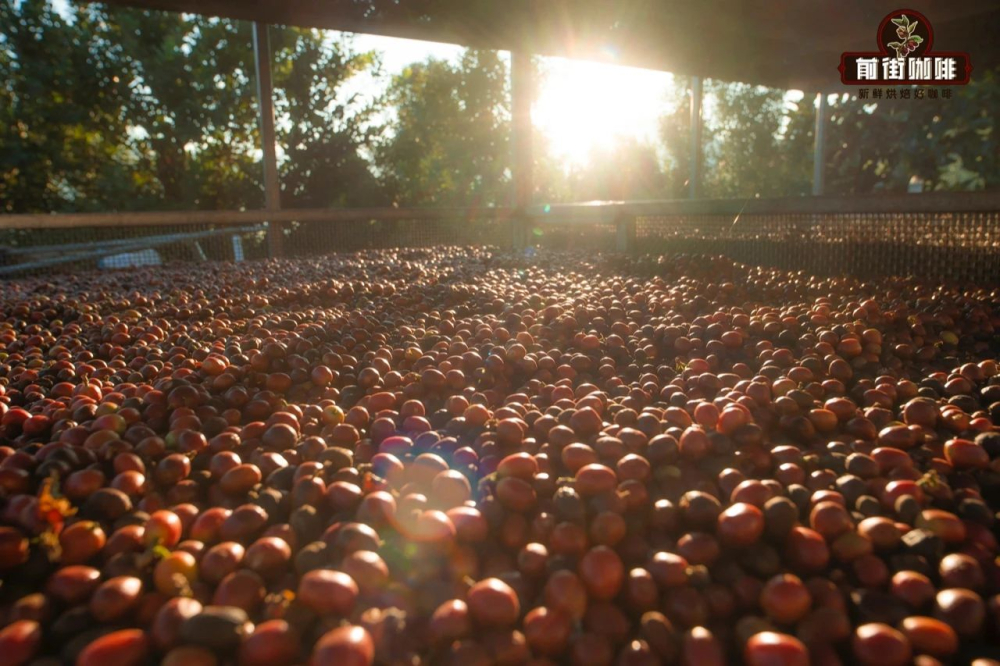
As global interest in specialty coffee continues to grow, Yunnan coffee—representing a uniquely local origin—is increasingly drawing attention from international markets and coffee enthusiasts. As the only Arabica-growing region on the Chinese mainland, its development story and distinctive conditions are worth exploring in depth.
Yunnan’s coffee cultivation began in the early 20th century. In 1904, French missionary Téodore Monod brought coffee seeds from abroad and successfully planted the first coffee tree in Zhukula Village, Binchuan County, Dali—now regarded as the starting point of Yunnan’s coffee cultivation. By the 1930s, overseas Chinese leader Liang Jinshan further introduced coffee to regions like Puliang and Luoming, laying the foundation for future development. In 1952, under the guidance of Ma Guojin, an expert from the Baoshan Tropical Crops Research Institute, large-scale planting began in the Luguang area, with the varieties almost entirely consisting of traditional Typica (Typica). This phase of large-scale cultivation lasted for nearly sixty years.
However, in the early 1990s, with the deepening of reform and opening-up, foreign enterprises like Nestlé entered Yunnan and heavily promoted the Catimor (Catimor) variety they provided. Catimor, with its excellent disease resistance and high-yield characteristics, quickly replaced Typica—which, while flavorful, was more delicate, harder to manage, and less productive—as the dominant variety in Yunnan. During this period, coffee was primarily sold as raw material for instant coffee, with little emphasis on flavor. By the end of 1997, Yunnan’s coffee planting area had reached 7,800 hectares, and today it accounts for over 70% of the national planting area and more than 80% of production, firmly establishing itself as the leading domestic coffee-producing region.
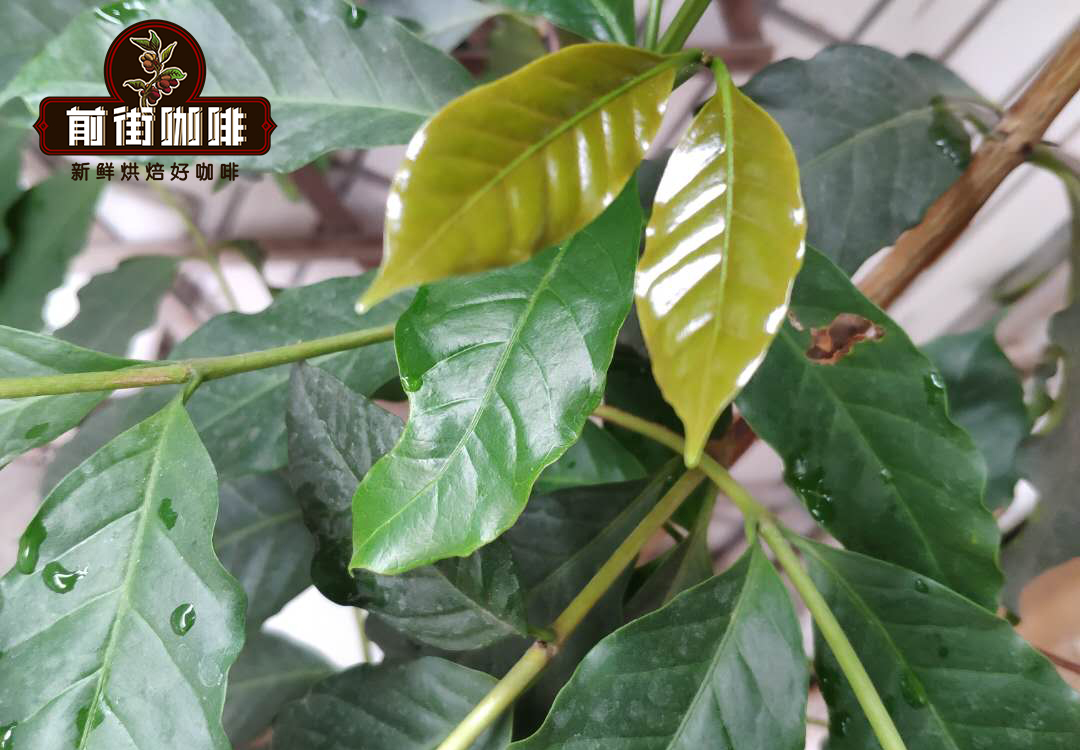
After 2000, with the rise of the global specialty coffee movement and China’s rapid economic growth, consumer demand for higher coffee quality also increased. Yunnan coffee gradually entered the view of more Chinese people, becoming one of the focal points for specialty coffee enthusiasts seeking new flavors.
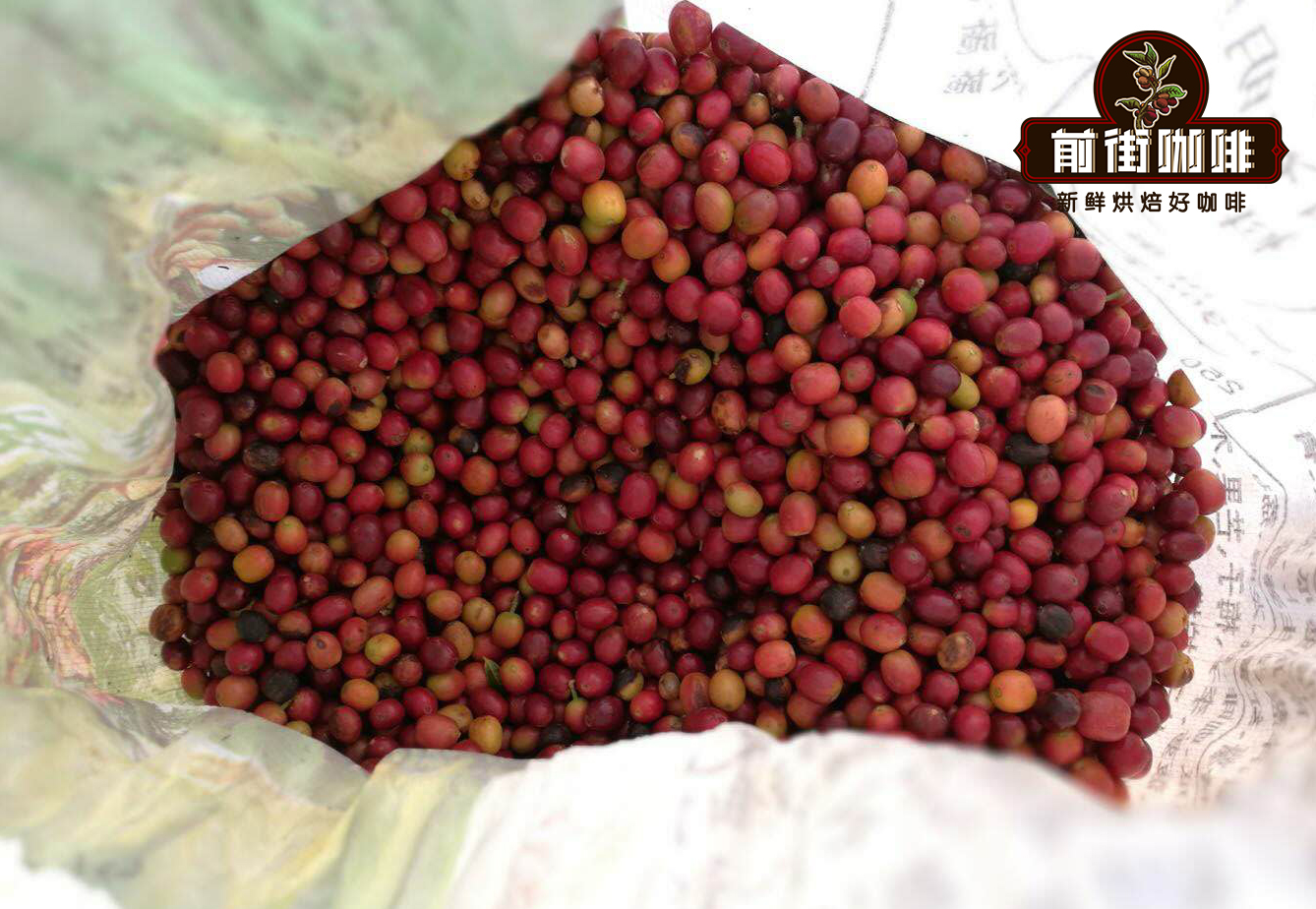
In terms of processing techniques, Yunnan coffee has long primarily used the washed method. The typical washed process involves removing most of the fruit pulp from the harvested coffee cherries using a depulper, followed by fermenting the parchment beans in water tanks to remove the remaining mucilage layer. The advantage of this method is that it effectively screens out unripe and defective beans, with a relatively stable fermentation process, resulting in coffee that typically exhibits pronounced fruit acidity, good layering, and a cleaner cup profile—meaning fewer off-flavors, astringency, or harsh notes.
However, in recent years, many innovative processing methods have emerged in Yunnan, such as anaerobic fermentation and honey processing, creating distinctive and highly recognizable flavor profiles. But it’s important to note that while processing innovations can add diversity to flavors, without addressing the fundamentals of variety and growing environment—such as selecting suitable altitudes and flavor-potential varieties—it’s difficult to truly elevate the overall quality of the coffee. As a result, some professional coffee farms and roasters still adhere to traditional washed or natural (sun-dried) processing methods, striving to highlight the intrinsic characteristics of the variety.
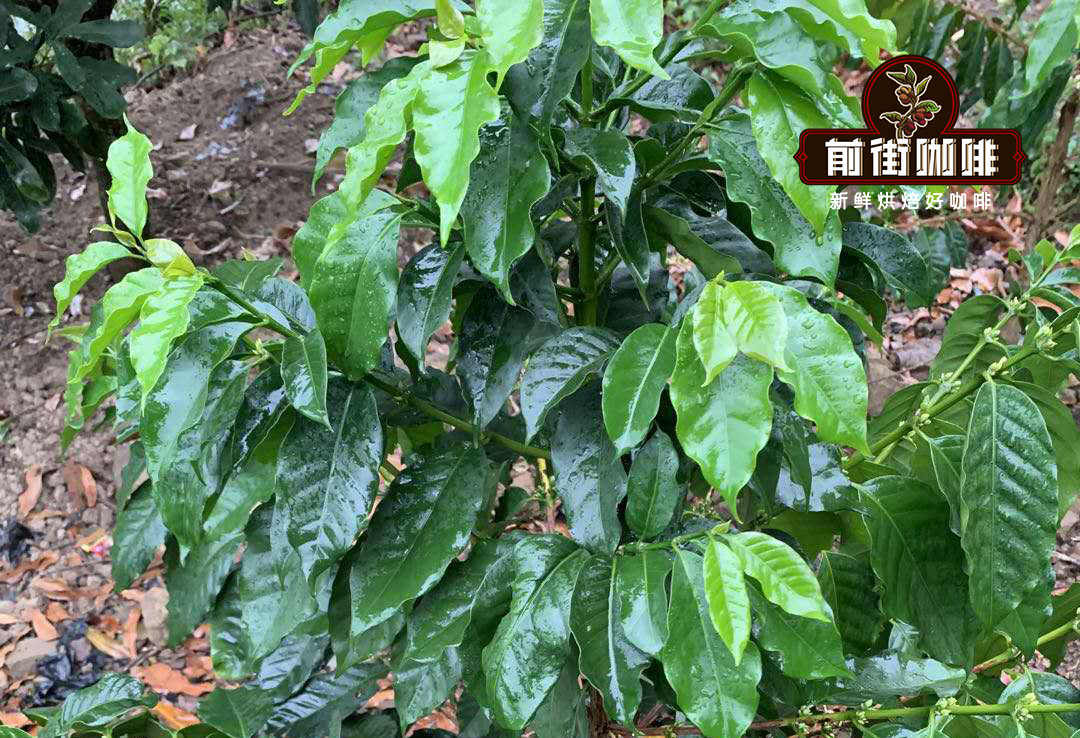
Take the 2013 Yunnan sun-dried Typica launched by a certain coffee brand as an example. This coffee not only showcases the charm of traditional varieties but also reflects the unique flavor direction of the natural (sun-dried) processing method. It is grown in Lincang, Yunnan, at an altitude of about 1,200 meters—a typical highland environment conducive to the accumulation of coffee flavor compounds.
For roasting, this Typica adopts a medium-light roast strategy. Using a Yangjia 800N roaster (300g capacity) as an example, the roasting curve is as follows: The initial drum temperature is set to 200°C when the beans are loaded, with the fan set to 3. After one minute, the heat is reduced to 160°C, and the turning point occurs around 1 minute and 32 seconds. At approximately 5 minutes and 40 seconds, the beans turn yellow, with the temperature at around 149°C, and the grassy aroma has significantly faded, marking the end of the drying phase. The fan is then adjusted to 4, and the heat remains unchanged. At the 6-minute mark, the heat is reduced to 140°C, and at the 7-minute mark, it is further lowered to 120°C. Around the 8-minute mark, the bean surface begins to show rough wrinkles and dark spots, and the coffee aroma gradually replaces the baked bread smell—this is when close attention must be paid to the sound of first crack. At 8 minutes and 37 seconds, first crack begins, and the heat is immediately adjusted to 90°C with the fan fully open. At the 9-minute mark, the heat is reduced to 20°C, allowing first crack to develop for about 2 minutes, with roasting completed and the batch dropped at 196°C.
Cupping was conducted within 8 to 24 hours after sample roasting. A 200ml ceramic cupping bowl was used, following SCAA standards: water temperature at 94°C, grind size set to 70%–75% passing through a #20 sieve, a brew ratio of 1:18.18 (11g coffee to 200ml water), and a steeping time of 4 minutes. The cupping results showed that this coffee delivers a rich fruity aroma, blending the freshness of melon and herbal notes. The mid-palate reveals flavors of nuts and milk chocolate, while the finish offers a lively plum-like acidity—bright and saliva-inducing—with good overall balance, medium body, and a full mouthfeel. As the cup cools, the sweet and acidic layers become more pronounced, and the aftertaste carries a gentle, tea-like warmth with hints of black sugar.
For brewing recommendations, a Kono filter cone is suggested, using about 15g of coffee. The brew ratio can be 1:15 or 1:16, depending on desired flavor clarity. Water temperature is advised at 88°C to soften the acidity, with a medium-fine grind (similar to granulated sugar, ~75% passing through a #20 sieve). Use a pulse pouring technique: start with a 30-second bloom using 30g of water, then pour in small circles to reach 125g for the first pour. When the water level nearly exposes the coffee bed, pour again to 225g, then stop. Remove the filter just before the water level drains completely, with a total brew time of about 2 minutes. This method fully highlights the roasted nutty aroma, soft acidity, and dark chocolate tones of this sun-dried Typica, along with a refreshing orange peel-like finish, delivering a balanced and layered cup overall.
The above content is compiled by CoffeeHunters, a coffee news website.


