







Introduction:The flavor performance of pour over coffee depends 70% on the precise control of grind size. Many coffee enthusiasts often mistakenly assume that the numbers on a grinder’s settings are directly proportional to the particle size of the grounds, but in reality, this is greatly influenced by equipment differences. This article explains the principles of grinding, SCA standard calibration methods, and provides hands-on practice with a #20 sieve and powder layer settling observation techniques to help you avoid common pitfalls and find the golden grind range suitable for different roast levels—enhancing the stability and complexity of every brew.
Grind size is arguably the soul parameter of pour over coffee—it not only determines extraction efficiency but also directly affects the balance of flavors. Many beginners wonder: why do you have to readjust the grind setting when switching to a different grinder, even for the same coffee beans? The key lies in the fact that even devices that claim to have the “same setting” may produce vastly different actual particle sizes due to differences in internal burr gap, manufacturing tolerances, or long-term wear and tear.
Why must you grind coffee beans fresh? Brewing with whole coffee beans using just water allows almost no effective extraction of flavor compounds; once ground, the surface area of the particles increases significantly, enabling hot water to more quickly extract aromatic components and acidic-sweet substances. However, be cautious—over-pursuing an overly fine grind can actually disrupt balance, which is the hidden main reason behind most beginners’ failed brews.
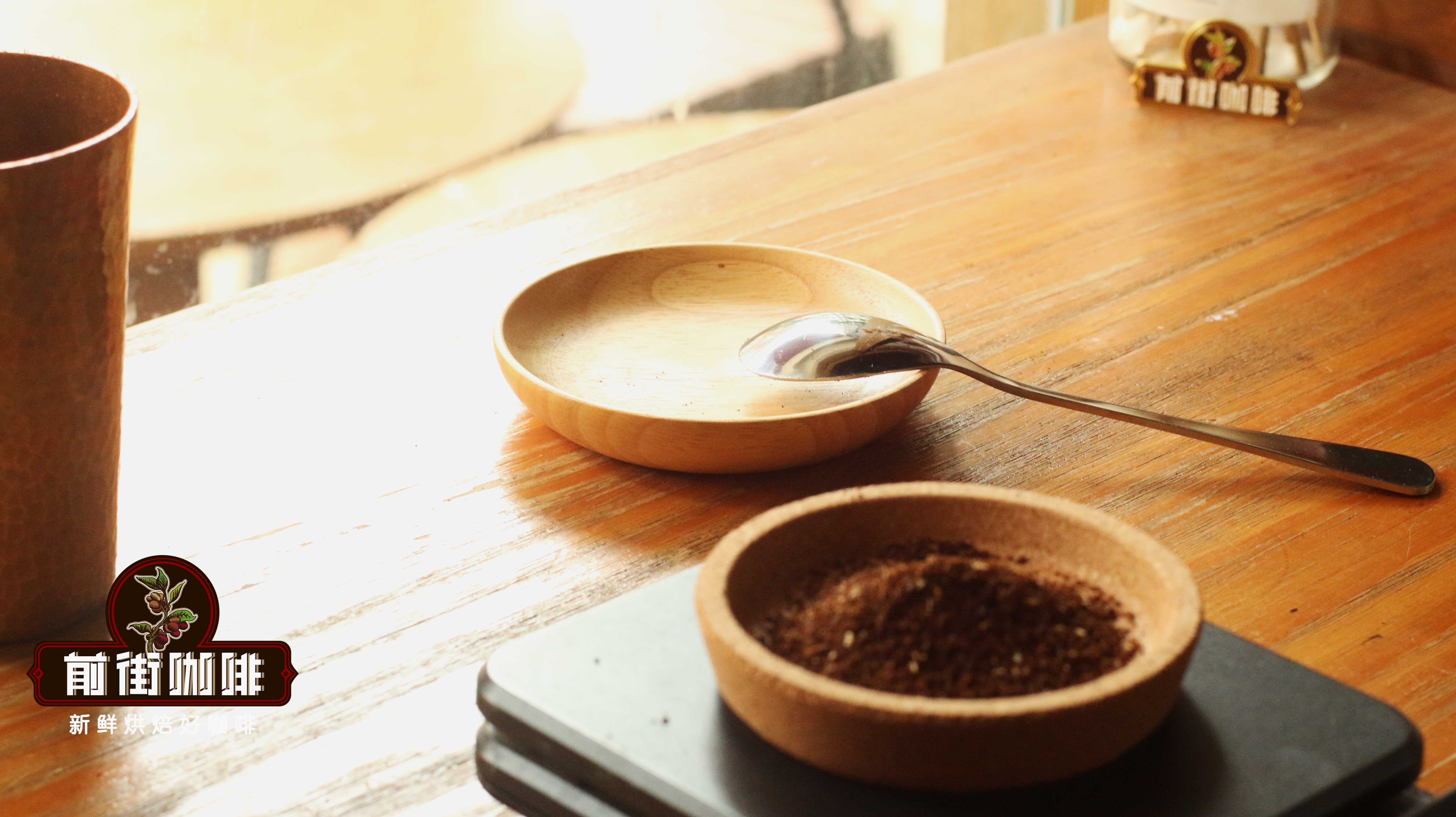
The golden logic of pour over grinding: the interplay between grind size and water flow Pour over brewing is a type of filtered extraction, so grind size must strike a balance between “particle size” and “flow rate.” When the grind is too fine, the dense layer formed by fine particles restricts water flow, prolongs steeping time, and leads to over-extraction—the coffee becomes bitter, astringent, and the acidity may also become abnormally pronounced. Conversely, if the grind is too coarse, the large gaps between particles cause water to pass through too quickly, preventing flavor compounds from being fully released, resulting in a dull and one-dimensional cup lacking depth.
According to the SCA (Specialty Coffee Association) cupping standards, grind size evaluation should meet a #20 sieve passing rate of 70%–75%; whereas pour over coffee, aiming for richer flavor details, suggests adjusting the range slightly to75%-80%(i.e., a "pour over fine grind" that is slightly finer than the cupping standard). However, a #20 sieve can only distinguish particles >0.85mm from those <0.85mm. A more refined analysis of particle size distribution (such as the ideal range of 0.6–0.8mm particle proportion) requires the use of multiple sieve sizes for further evaluation.
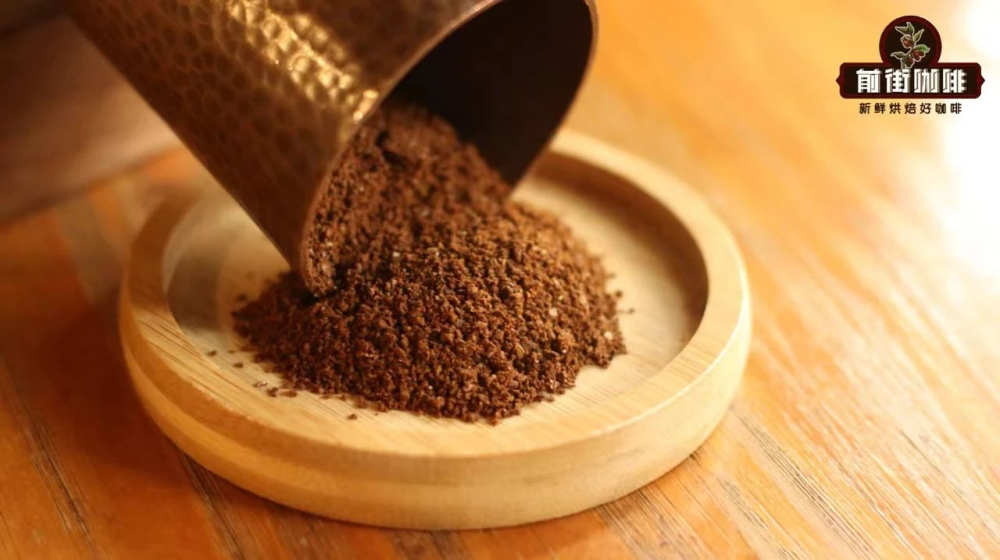
Practical calibration: judging by time and powder layer state In addition to numerical measurements, the dynamic performance during the brewing process can more intuitively reflect whether the grind is appropriate. The normal extraction time for a 1–2 person serving of pour over should be controlled within1 minute 50 seconds to 2 minutes 10 seconds—if the grind is too fine, the restricted water flow may extend the time to over 2 minutes 30 seconds; if the grind is too coarse, the filter cone may drain completely in under 1 minute 40 seconds, resulting in inevitably thin flavors.
Another key indicator is the settling speed of the powder layer: ideally, after hot water is poured, the coffee grounds should settle evenly and slowly, forming a fluffy “volcanic cone.” If the powder layer collapses quickly, it indicates a grind that is too coarse, with water flowing through too easily. If the settling stalls or even clumps (with the bottom appearing muddy), it means the grind is too fine or there are too many fines—requiring adjustment of the grind setting or changing the grinder.
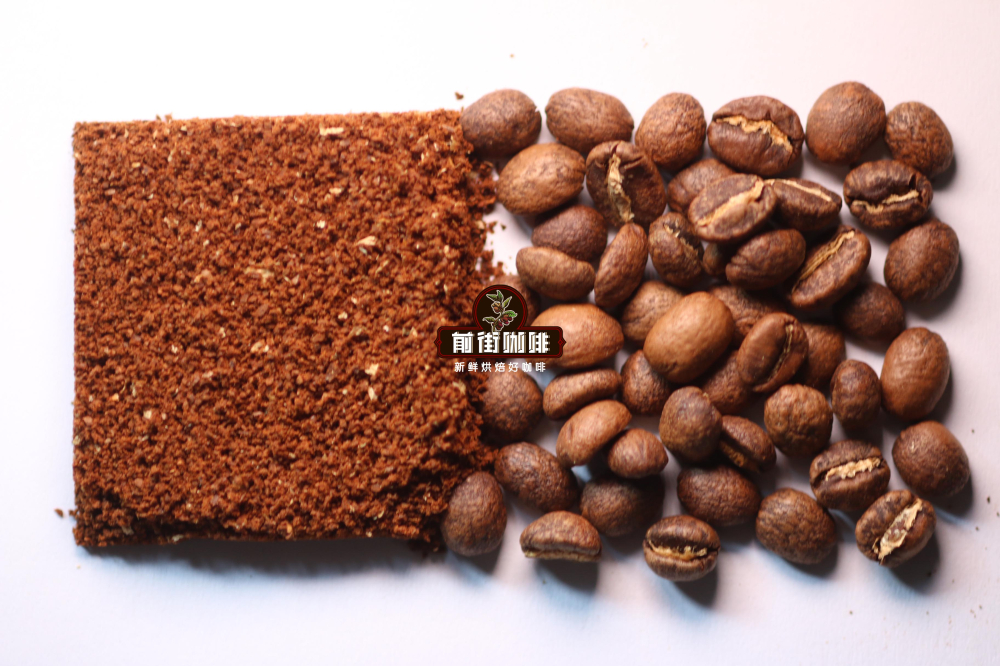
Different roast levels also call for different grind size needs: for example, a medium roast bean with a “strawberry sugar” flavor profile suits a fineness akin to fine sugar (around 80% #20 sieve passing rate), highlighting sweetness and fruity-floral notes; whereas a dark roast like “Golden Mandheling” should be adjusted to a coarser level similar to coarse sugar (around 70% passing rate) to avoid the smoky taste brought by over-extraction. Additionally, particles smaller than 0.3mm, while capable of adding flavor layers, can result in a rough mouthfeel if their proportion exceeds7%—it is recommended to optimize by sieving.
The above content is compiled by CoffeeHunters, a coffee news website.


