







Introduction:When brewing espresso at home, grind size is often the key factor determining success or failure. However, factors such as bean freshness and ambient humidity can affect extraction performance, meaning grind size isn’t static but rather something that requires ongoing observation and fine-tuning. This article will guide you from scratch in mastering the skill of adjusting grind size—starting with using basic formulas like the coffee-to-water ratio and extraction time to find the right setting, then refining flavor through tasting, step by step, to extract professional-level espresso with rich crema and layered complexity.
For many coffee enthusiasts experimenting with home-brewed espresso, adjusting grind size is arguably one of the trickiest parts. Unlike pour over, espresso machines rely on high-pressure extraction that demands extremely high uniformity and precise coarseness in the grind—any slight deviation immediately reflects in flavor and mouthfeel. Yet many mistakenly assume that once a grind setting is chosen, it can be used indefinitely, unaware that the condition of the coffee beans themselves, as well as ambient humidity and temperature, continuously influence extraction performance.
To produce an espresso with even extraction and balanced flavor, regularly checking and fine-tuning your grinder is absolutely essential. Especially before starting your morning brew, it’s advisable to reconfirm whether your current grind size can cooperate smoothly with your usual parameters. On days when the climate fluctuates significantly, the grind setting adjusted in the morning might need to be tweaked again by the afternoon just to maintain stable extraction time and flavor expression.
A special reminder for beginners: sometimes unstable extraction performance is not solely due to external environmental factors—the freshness of the coffee beans is also crucial. Freshly roasted coffee beans contain a large amount of carbon dioxide, and using them too early can lead to uneven extraction and flavors that don’t fully develop. Generally, it’s recommended to let newly received coffee beans rest for a few days, allowing the beans to “breathe” and release some gases before conducting formal extraction. This approach tends to yield more stable and flavorful results.
So, how do you find the grind size that suits both your machine and beans? In truth, this requires repeated testing and adjustment through actual brewing. Before you start adjusting, there are three important prerequisites to clarify: first, the goal of adjusting grind is to improve the current extraction outcome, whether the extraction time is too fast or too slow, or the flavor doesn’t meet expectations; second, during the process of adjusting grind size, it's essential to keep other variables constant—such as dose, yield, and the pressure and evenness of tamping—so you can accurately determine if the issue lies in the fineness or coarseness of the grind; third, it’s recommended to use a stable portafilter basket and an appropriate coffee-to-water ratio as the foundation for adjustments.
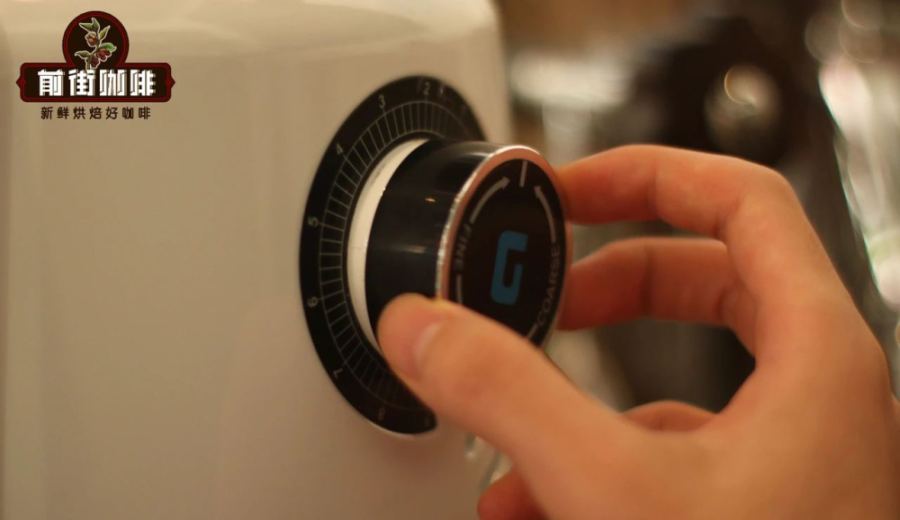
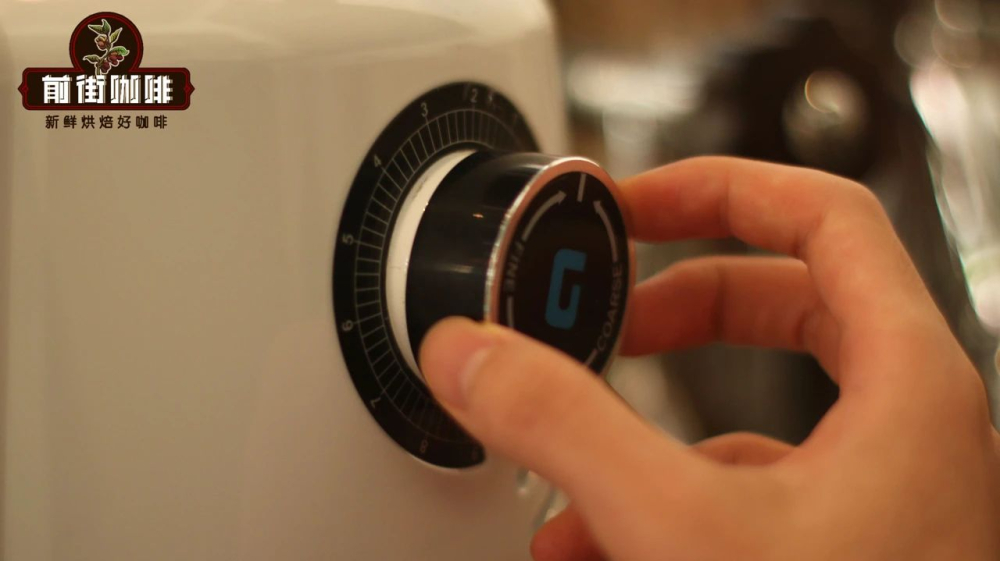
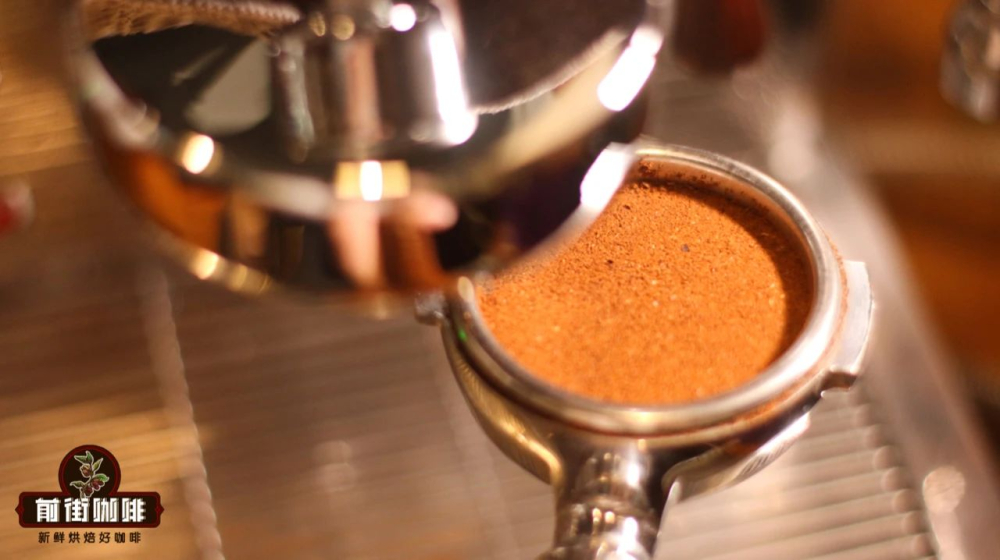
Next, here’s a practical and simple method to confirm grind size. First, set an initial grind setting—for example, visually close to the fineness of flour—and you can refer to the grind range of common home grinders, such as the 2.0 setting on a Q18 grinder. Then, use the basic formula of “a 1:2 coffee-to-water ratio, with extraction time controlled between 20 to 30 seconds” for a trial extraction. The dose should be adjusted according to the capacity recommendation of the portafilter basket you’re using—for example, a 20g basket would use 20g of coffee.
If you find the extraction time exceeds 30 seconds, it means the grind is too fine; it’s recommended to adjust the grind setting roughly 0.5 steps coarser, for example, from 2.0 to 2.5. Conversely, if the time is less than 20 seconds, it indicates the grind is too coarse, and the setting should be adjusted finer, for instance, to 1.5. Through such repeated adjustments, until the extraction time stabilizes within the 20 to 30 second range—this usually signifies that the interaction between water flow and coffee bed is in an ideal state.
Once the extraction time is initially stabilized, the next step is to further refine flavor through tasting. At this point, you can brew either an americano or a latte, and make fine adjustments based on how it actually tastes. It’s advised to reduce the adjustment increment to about 0.2 steps to more precisely capture flavor changes. If the coffee flavor is too acidic or lacks aroma, you can adjust the grind setting finer by another 0.2 steps—for example, from 2.0 to 1.8—to extend the extraction time and bring out more nuanced flavors. On the other hand, if there is noticeable burnt bitterness or dryness, adjust the setting coarser by 0.2 steps—for example, to 2.2—to reduce the risk of over-extraction.
This adjustment process may need to be repeated several times until you find a setting where the coffee’s sweet, sour, and bitter notes are balanced, the aroma is clear, and the mouthfeel is rounded. It’s worth mentioning that each coffee bean has unique characteristics—even with the same machine, different origins and roast levels may require distinct grind settings—so patience and keen observation are key.
Of course, besides adjusting grind size, choosing coffee beans suitable for espresso extraction is also extremely important. If you hope to replicate café-grade espresso flavor at home, it’s recommended to select a well-blended, dark-roasted espresso blend. These beans typically merge flavor profiles from different origins—for example, combining the caramel sweetness of American beans with the rich body of Asian beans—and enhance aroma and crema through dark roasting. Whether making straight espresso, americano, or milk-based drinks like lattes, they can deliver a rich and layered taste experience.
The above content is compiled by CoffeeHunters, a coffee news website.


