







Introduction:Delve into the unique terroir and natural sun-dried processing methods of Ethiopia’s Sidamo region, as well as the origin and evolution of the renowned Huila coffee. From altitude and microclimate to processing techniques, this comprehensive guide explores the allure of this premium coffee-producing area and offers practical pour-over brewing tips and flavor identification insights to take your understanding of Sidamo from beginner to advanced.
Sidamo and Yirgacheffe are both renowned specialty coffee regions in southern Ethiopia, yet they offer vastly different flavor profiles. Yirgacheffe is celebrated for its bright, citrusy acidity and delicate floral notes, while Sidamo showcases richer, more robust fruit flavors with a full body—such as distinct layers of tropical fruits like peach and blueberry—followed by a long, naturally sweet aftertaste.
Geography and Microclimate: The Keys to Sidamo’s Diverse Flavors
Sidamo is located in southern Ethiopia, bordering Kenya, with elevations ranging from 1,400 to 2,200 meters. The terrain is highly varied, encompassing high mountains, plateaus, valleys, and plains, creating a complex and diverse landscape. The region enjoys a cool climate with significant day-night temperature variations, which are conducive to the accumulation of flavor compounds in coffee cherries. The soil is mostly volcanic, rich in minerals, deep, and well-drained. The natural leaf litter also contributes to an organic cycle, further enhancing soil fertility and aeration.
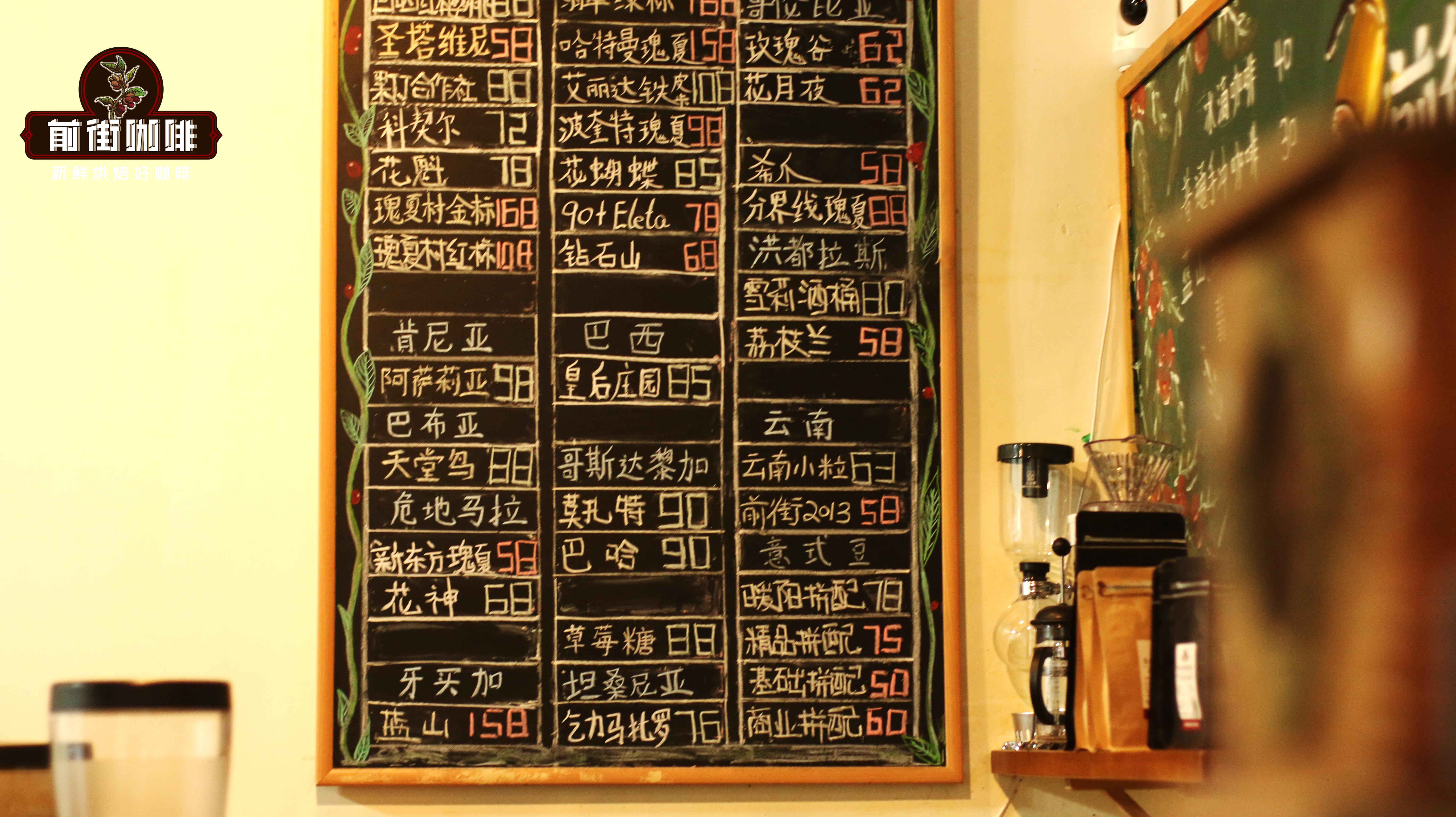
According to past international evaluation data, between 2010 and 2012, Sidamo consistently scored between 92 and 94 on the prestigious international coffee rating website CR (Coffee Review), fully attesting to the excellent and stable quality of its green beans. Due to the abundance of native coffee varieties and diverse microclimates, even coffee produced by different villages and processing stations within the same region can exhibit markedly different flavor characteristics, contributing to the rich diversity of Sidamo coffee.
Natural Sun-Dried Processing: The Key Technique Behind Intense Fruitiness
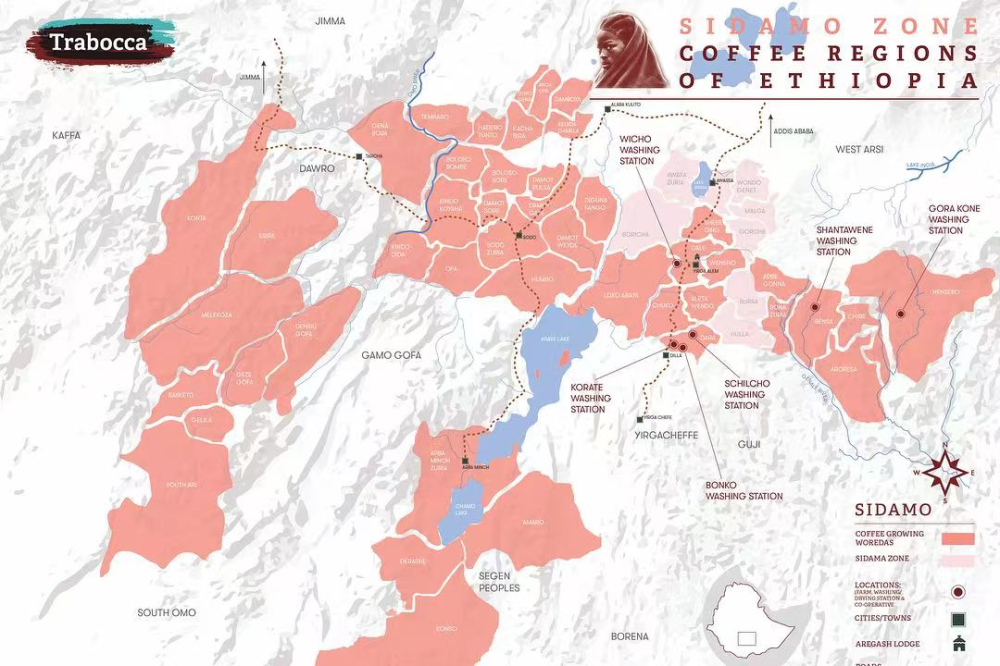
Compared to the washed process commonly used in Yirgacheffe, Sidamo is more renowned for its natural sun-dried processing method. This traditional technique involves spreading harvested coffee cherries directly under the sun to dry for two to four weeks, during which they are regularly turned to ensure even drying. The moisture content is eventually reduced to around 11%, after which the pulp and skin are mechanically removed. This process not only preserves more sugars and pectins but also imparts intense floral and fruity aromas along with a sweet aftertaste.
The appearance of natural Sidamo green beans may be slightly grayish-green, varying in size—with some beans larger and others smaller—but overall, they have a compact structure. When brewed, they often yield rich floral notes, berry sweetness, and occasionally subtle earthy or spicy undertones. The acidity is gentle yet layered, and the mouthfeel is smooth and full-bodied, making it ideal for coffee lovers who enjoy fruit-forward and distinctly sweet profiles.
Huila Coffee: The TOH Champion Bean from the Guji Region
When discussing Sidamo, one cannot overlook Huila (Hambella). Huila coffee actually originates from the Hambella area in the Guji region, which was part of Sidamo before 2010 but was later reclassified as an independent region by the Ethiopian Commodity Exchange (ECX). Guji is located southeast of Yirgacheffe, with elevations generally exceeding 1,800 meters. The terrain features a mix of high mountains, valleys, and plateaus, and the soil is fertile black clay (Vertisol), deep and nutrient-rich. Coupled with significant day-night temperature differences, these conditions create ideal settings for coffee cultivation.
The name “Huila” originates from a natural sun-dried lot produced by the “Buku Abel” processing station that won the championship at the 2017 TOH (the Taste of Harvest) green bean competition. This lot, with its intense strawberry and cream aromas, was later introduced to China by Beijing trader Hongshun and used by contestant Li Jianfei in the China Brewing Championship, where it stood out. As a result, it was dubbed “Huila,” symbolizing excellence akin to a top-tier geisha performer. It’s important to note:Only beans grown above 2,000 meters in Hambella and processed using the natural method at the Buku Abel station qualify as “Huila.”.
Coffee trees in this area often grow alongside shade-providing crops like bananas and sugarcane, creating an optimal environment for cherry development. Paired with natural processing, this further enhances the beans’ inherent sweetness and full body.
The Meaning Behind Huila Numbers: The Secret of Yearly Distinctions
The market commonly sees Huila versions labeled 3.0, 4.0, 5.0, 6.0, etc., which are actually version distinctions based on release year. For example, 2018 was Huila 2.0, 2019 saw the launch of Huila 3.0 and 3.1, 2020 was Huila 4.0, 2021 was Huila 5.0, and 2022 was Huila 6.0. This naming logic helps consumers clearly identify flavor variations across different years and serves as an important reference for tracking the annual performance of this variety.
Native Varieties and Cultivar Insights
The “native variety” indicated on the packaging of Huila 5.0 refers to the collective term for numerous uncommercially classified coffee varieties in Ethiopia. As the birthplace of coffee, Ethiopia boasts an extremely rich and still largely unexplored genetic pool of varieties. The government also has protection policies for certain genetic resources, which is why many Ethiopian beans, including Huila, can only be labeled as “native variety.”
Industry Brewing Recommendations: How to Extract Optimal Flavor?
To fully experience the flavors of Sidamo or Huila, thefreshness of the coffee beans is crucial. It is recommended to choose beans roasted within five days and to consume them after the 4–7 day degassing period following roasting, when the flavors are most balanced and rich. If purchasing coffee powder, while it can be brewed immediately, note that powdered coffee oxidizes faster, so it’s best to enjoy it as soon as possible for peak flavor.
Below are recommended pour-over parameters for natural Huila, suitable for light-roast beans:
- Filter:V60
- Water Temperature:90°C
- Coffee-to-Water Ratio:1:15
- Coffee Dosage:15 grams
- Grind Size: Passage rate through a Chinese Standard No. 20 Sieve80%(Medium-fine grind)
Brewing Steps:
- First, pour water equal to twice the coffee dosage (about 30 grams) for the bloom, letting it sit for about 30 seconds to release CO₂ and promote even extraction.
- Then, pour water in small circles, performing the first pour when the total water volume reaches 125 grams.
- Continue pouring until the total reaches 225 grams, then stop and let the filter drip dry before removing it. The total brew time is approximately2 minutes.
- Stir the coffee evenly before pouring into your cup to enjoy its vibrant fruit and sweetness layers.
Huila 5.0 often exhibits pronounced floral and fruity aromas, such as citrus, passionfruit, and strawberry, along with an oolong tea-like finish. Its sweet profile stands out, making it a classic choice for experiencing the natural sun-dried flavors of Sidamo.
The above content is compiled by CoffeeHunters, a coffee news website.


