







Introduction:To make rich and smooth espresso at home, mastering grind size is key. However, factors like ambient humidity and bean freshness can affect extraction performance, causing previously set grind settings to become ineffective. This article will guide you through how to adjust to the most suitable grind size based on brew ratio, extraction time, and flavor feedback. We’ll also share tips on resting freshly roasted beans and practical grind adjustment methods to help you consistently recreate café-quality coffee flavors at home.
When making espresso, the precision of grind size is one of the most critical factors influencing extraction results. Yet, many coffee enthusiasts often face a common issue: the grind setting they carefully dialed in suddenly becomes inconsistent after just a few days, resulting in unstable extraction or off-flavors. This is closely related to the condition of the coffee beans, surrounding air humidity, and even the amount of time that has passed since roasting.
This article will explain in simple terms how to adjust your grind setting to find the optimal espresso particle size for your current conditions. We’ll start with setting an initial grind size, using a common brew ratio (1:2) and extraction time (recommended to be controlled between 20–30 seconds), and then fine-tune step-by-step based on actual extraction and flavor feedback. This way, you can consistently pull balanced and layered shots—and even milk-based drinks—at home, just like a café.
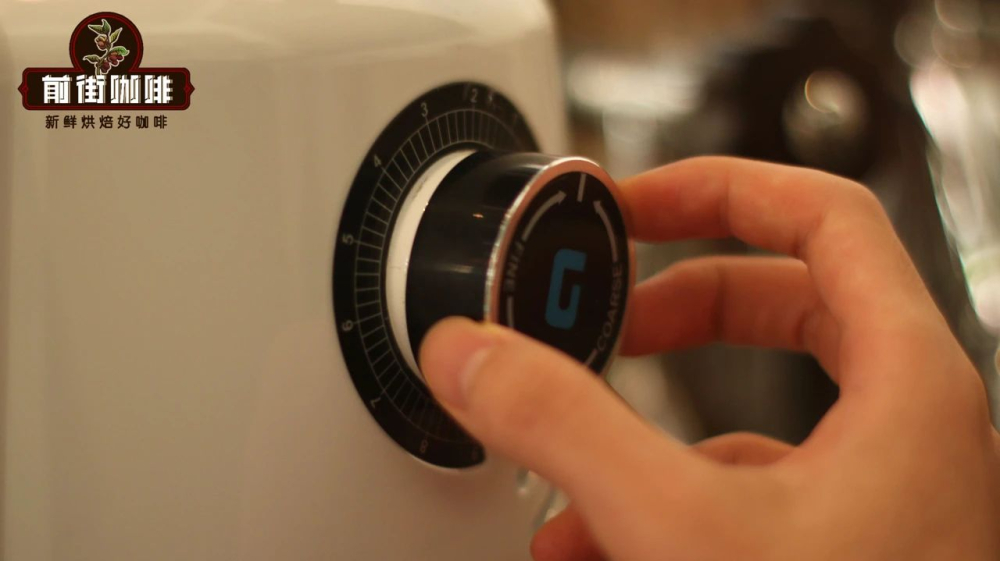
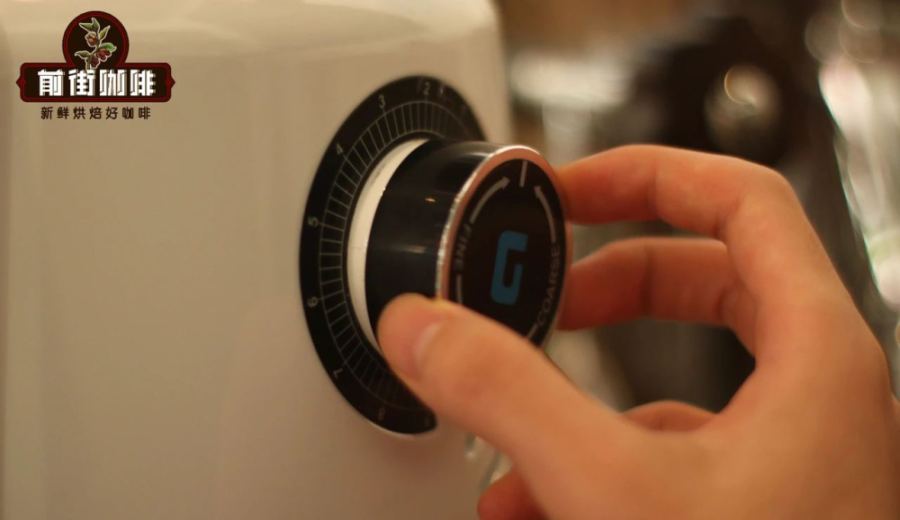
First, it’s important to understand: espresso grind size is not “set it and forget it.” As roasted beans continue to degas and mature, and as ambient humidity fluctuates—even with seasonal changes—the grind setting you originally dialed in may no longer be appropriate. It’s recommended to check each day before brewing whether your current grind size is achieving your desired extraction time and flow rate, especially in regions with changeable climates, where you might need to adjust multiple times throughout the day.
Additionally, there’s a commonly overlooked point: freshly roasted coffee beans contain high levels of internal CO₂, which can lead to uneven extraction and incomplete flavor development right after roasting. Therefore, even if you have high-quality beans that were recently roasted, it’s advisable to let them rest for 3–5 days to allow the beans to “mature” into a more stable state before use. This greatly improves extraction consistency and flavor expression.
Dialing in the ideal espresso grind isn’t about guessing—it’s about verifying and adjusting through actual extraction. Before you start tweaking the grind, it’s helpful to clarify a few things: First, what’s the issue with your current extraction? Is the flow too fast, too slow, or do the flavors taste sour or overly bitter? Second, during the adjustment process, try to keep other variables as consistent as possible—such as dose weight, tamper pressure, and dose distribution—so you can accurately determine whether the changes are due to grind size.
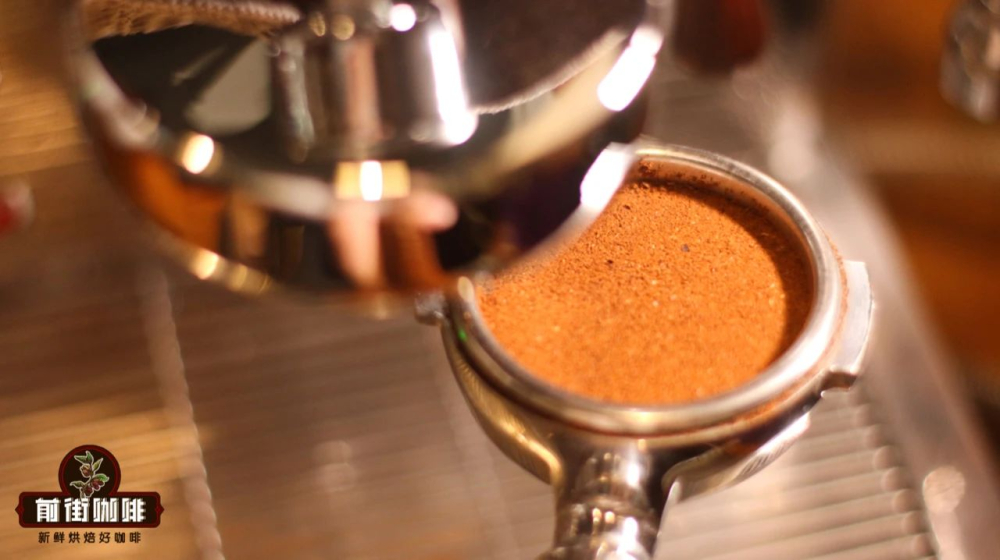
In practice, you can start with a medium-fine preset grind size, such as one close to the fineness of flour (for example, setting 2.0 on some grinders). Then, use a common extraction recipe: around 20 grams of coffee grounds with 40 ml of water (a 1:2 brew ratio), and observe whether the extraction time falls within the ideal range of 20–30 seconds.
If you find the extraction time exceeds 30 seconds, it means the grind is too fine—adjust the setting coarser, about 0.5 increments at a time (e.g., from 2.0 to 2.5). Conversely, if the extraction time is less than 20 seconds, the grind is too coarse, so adjust finer—for example, to 1.5. This back-and-forth adjustment aims to first get the extraction time into a reasonable range, laying the foundation for subsequent flavor fine-tuning.
Once you’ve successfully stabilized the extraction time within 20–30 seconds, the next step is to make more refined adjustments based on taste. At this stage, it’s recommended to evaluate the espresso as is, or dilute it with hot water to make an Americano, or add milk to make a latte, in order to assess the overall flavor profile. If you find the aroma lacks intensity or the taste is overly sour, adjust the grind finer by 0.2, such as from 2.0 to 1.8. If you detect noticeable burnt bitterness or dryness, adjust coarser by 0.2, such as to 2.2. These small incremental changes will gradually bring you closer to the optimal grind size for your taste preferences and equipment setup.
The grind adjustment process requires patience—each adjustment should ideally be no more than 0.2–0.5 increments, paired with consistent technique, to effectively minimize error margins. Remember, espresso brewing isn’t just about technical parameters; it’s also about the unique characteristics of the beans and the environment at hand. That’s why regular checking and fine-tuning are essential habits for maintaining stable extractions.
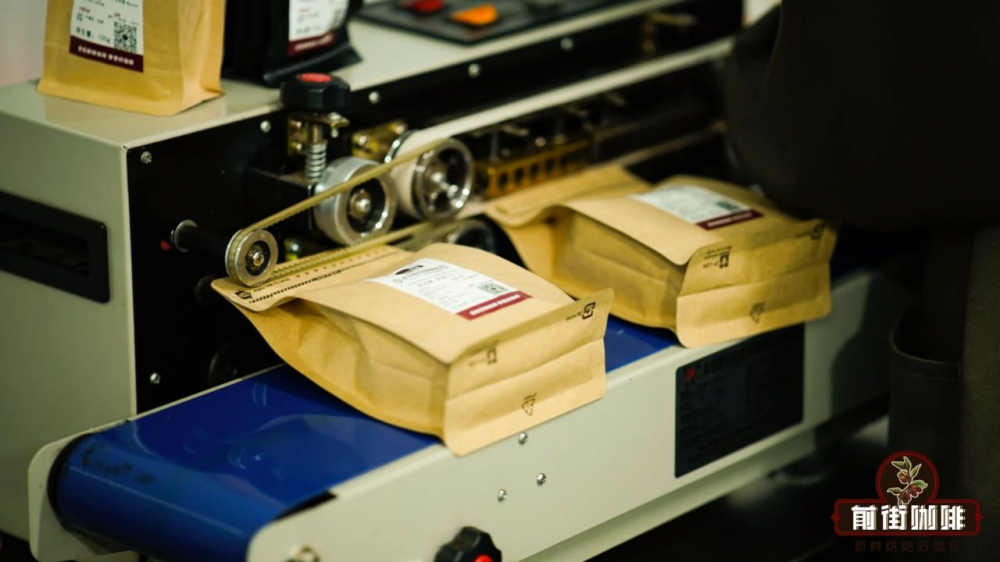
Finally, choosing a well-balanced espresso blend suitable for home brewing can significantly reduce the difficulty of dialing in. It’s recommended to go for a blend with a medium-to-dark roast level, as these beans typically showcase rich notes of caramel, nuts, and dark chocolate, while also helping to form a stable and creamy crema. Whether you’re making straight espresso or milk-based drinks, you’ll enjoy a fuller body and more layered flavor.
In summary, adjusting espresso grind size is a skill that combines science and sensory judgment. From setting your initial grind, observing extraction time, tasting flavor profiles, to making final micro-adjustments—each step influences the final cup quality. By mastering these fundamental principles and techniques, you too can easily recreate café-quality espresso experiences at home.
The above content is compiled by CoffeeHunters, a coffee news website.


