







Introduction:Many coffee enthusiasts, after purchasing a certain brand’s PWN Golden Mandheling, attempt to brew it at home using the pour over method as suggested on the packaging, only to often find the flavor profile thin and lacking compared to what they experience in-store. The key difference lies in the use of a KONO filter cone in the café, whereas most people use a V60 at home. These two brewing devices have significantly different flow rates and extraction logics. This article will guide you through how to adjust grind size, coffee-to-water ratio, water temperature, and pouring technique to brew a rich and layered Indonesian Golden Mandheling using a V60 at home, helping you fully master the essential extraction parameters.
When trying to replicate the classic flavor of a certain brand’s PWN Golden Mandheling at home, many coffee lovers encounter a common issue: even when following the grind and brew parameters indicated by the QR code on the packaging, the resulting cup often tastes vastly different from what they enjoy in the café. This discrepancy often stems from one critical factor—the choice of filter cone. The brand’s cafés use the KONO filter cone, which is designed to enhance the body and richness of the coffee, whereas most home users prefer the V60. Due to significant differences in flow rate and extraction principles between the two, failure to adjust parameters accordingly makes it difficult to achieve a similar flavor profile.
So, how can you adjust the settings of a V60 to bring out the unique body and spicy notes characteristic of the PWN Golden Mandheling from Sumatra, Indonesia? This article will walk you step-by-step through grind calibration, coffee-to-water ratio, water temperature control, and three-stage pouring techniques to help you master the art of brewing a rich, layered pour over coffee at home using a V60.
The PWN Golden Mandheling coffee beans from a certain brand are sourced from the Aceh region of Sumatra, Indonesia, produced by PWN. They are grown at an altitude of approximately 1100–1600 meters, using the Ateng variety, and are processed via the wet-hulled method. These beans undergo four rounds of screening, with only those larger than 19 mesh retained. Known for their low acidity, full body, and aromatic notes of spices and earth, these beans are considered a classic representation of the Sumatran flavor profile cherished by many serious coffee enthusiasts.
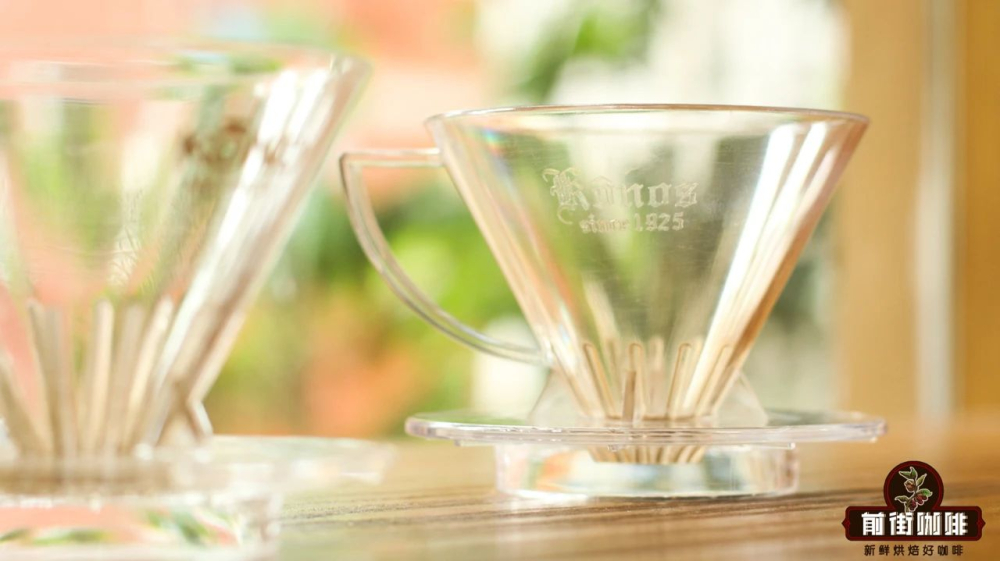
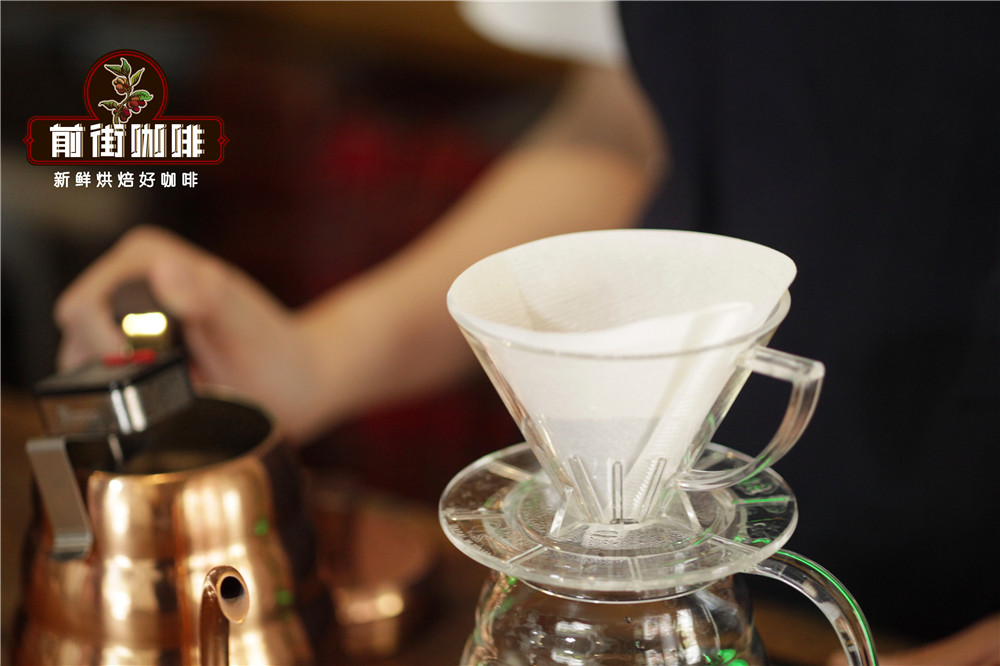
First, let’s understand the fundamental differences between the KONO and V60 filter cones. The KONO is a small-hole filter cone, which results in a relatively slow flow rate. Additionally, it features short ribs only near the bottom spout, with most of the upper area lacking rib support. This causes the filter paper to adhere almost completely to the inner wall of the cone, further restricting airflow and extending the contact time between coffee grounds and water. These factors help enhance body and sweetness, making it particularly well-suited for medium to dark roasted coffee beans.
In contrast, the V60 features a large hole design with fewer ribs, resulting in a noticeably faster flow rate. The water flow is more easily influenced by pouring technique and hand movement. This design offers the brewer greater control—for example, slowing down the pour in the early stages to fully extract aromatic compounds, and speeding up in later stages to suppress the release of excessive bitter elements. As a result, the V60 is generally regarded as offering a clearer and more distinct flavor layering.
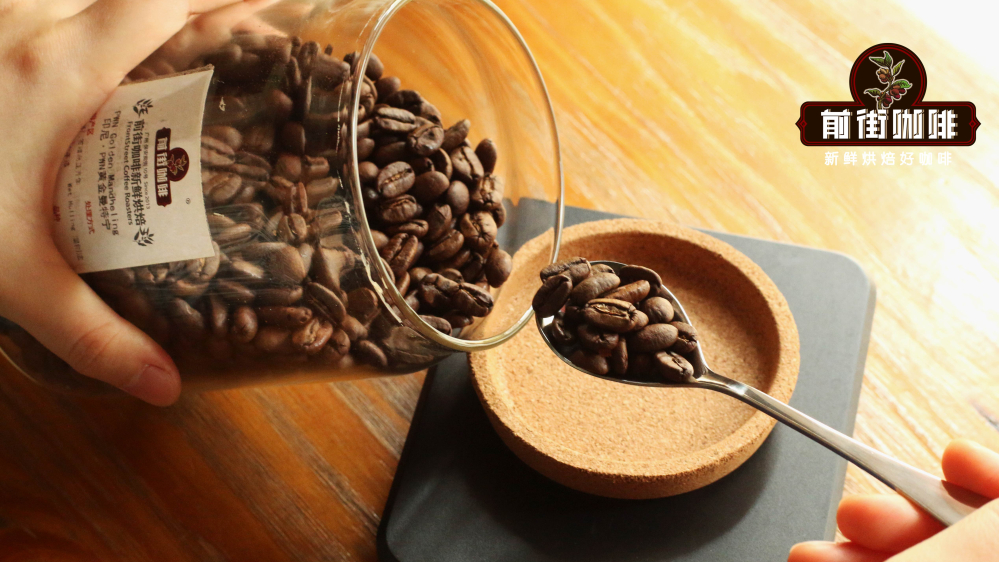
Since the filter cones themselves are inherently different, if you want to replicate the café-style flavor achieved with a KONO using a V60 at home, you’ll need to adjust key extraction parameters accordingly. The first factor to consider is grind size. In the café, when using the KONO, the recommended grind is medium-coarse—specifically, about 65% of the grounds can pass through a 0.85mm sieve. In other words, for every 10 grams of coffee beans, approximately 6.5 grams of ground coffee will pass through the sieve, resulting in a texture roughly similar to coarse sugar.
The test method for a 0.85mm sieve is quite simple: accurately weigh 10 grams of coffee beans, grind them to the target size, then pour the grounds into the sieve and shake evenly so that the fines (smaller than 0.85mm) fall through. Repeat this until almost no more fine particles can pass. Finally, weigh the amount of fines that passed through and divide by the original 10 grams to get the sieving percentage. This figure is an important metric used by many professional cafés to evaluate grind coarseness.
However, if you directly apply this medium-coarse grind setting to a V60, the faster flow rate may lead to under-extraction, resulting in a thin, flat cup lacking body and complexity. Therefore, without altering the grind setting, we must adjust other parameters.
One of the primary parameters to adjust is the coffee-to-water ratio. In the café, when using the KONO, the recommended ratio is 1:15. This ratio complements the KONO’s slow flow rate and high-extraction body profile. However, since the V60 has a significantly faster flow rate, sticking with 1:15 may lead to too short an extraction time, preventing full flavor development. It is therefore recommended to adjust the ratio to 1:13, increasing the contact between coffee grounds and water to enhance overall body and flavor intensity.
Another crucial parameter that cannot be overlooked is water temperature. In the café, when using the KONO, the water temperature is 88°C. This temperature allows for stable extraction of flavor compounds during slower brewing. For the faster-flowing V60, however, it is recommended to slightly increase the water temperature to 90°C. This helps to more efficiently extract aromatic and sweet compounds within a shorter contact time. However, it’s important to note that using overly fine grind with excessively high water temperature can easily lead to over-extraction, resulting in bitter or woody off-flavors. Therefore, maintaining a grind with a sieving rate between 65%–70% is a key prerequisite when using 90°C water.
In summary, we can outline the core parameter recommendations for brewing this brand’s PWN Golden Mandheling using a V60: use 15 grams of coffee, adjust the coffee-to-water ratio to 1:13, maintain a medium-coarse grind (approximately 65%–70% passing through a Chinese No. 20 sieve, similar in texture to coarse sugar), and increase the water temperature to 90°C. This combination compensates for potential under-extraction due to the V60’s fast flow rate while highlighting the distinctive body and spicy characteristics of Sumatran coffee.
For the specific brewing technique, it is recommended to use a three-stage pouring method: start with a 30-gram bloom pour to allow the coffee grounds to fully expand and release aroma; then pour 70 grams of water using a medium-fine stream in a steady circular motion, bringing the total to 100 grams; once the liquid level drops to about two-thirds of the coffee bed height, proceed to the third pour—again using a medium-fine stream in a circular motion, add 95 grams of water for a total of 195 grams. The final yield should be around 170 grams of brewed coffee, with the entire extraction process controlled to approximately 1 minute and 45 seconds. Once brewed, gently swirl the cup to allow the various flavor layers to integrate more evenly, and enjoy a rich and complex cup of Golden Mandheling.
The above content is compiled by CoffeeHunters, a coffee news website.


