







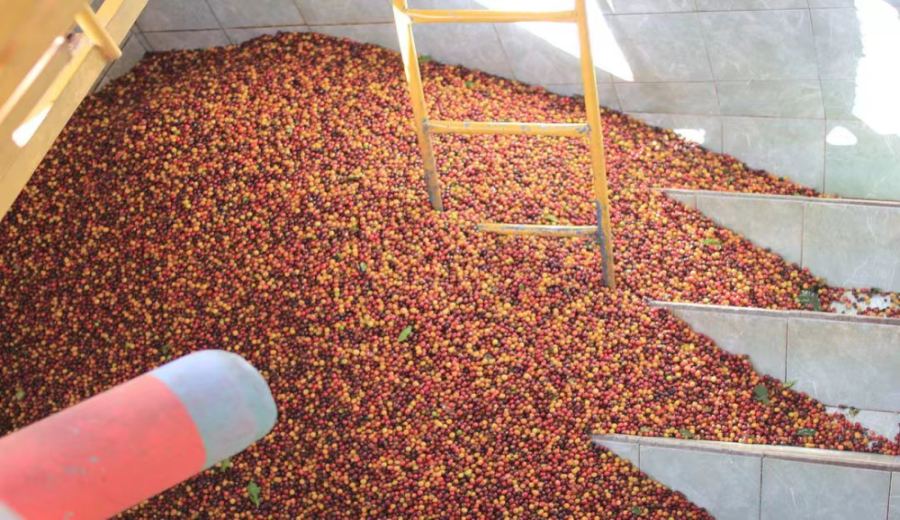
Introduction:Delve into Costa Rica’s most iconic Tarrazú region to understand how its unique geography gives rise to specialty coffees with balanced flavors, bright acidity, and sweet notes. This article will introduce the region’s geographical conditions, primary cultivated varieties, and detail the key steps of the washed processing method, while also providing practical pour over parameters and flavor profiles to help coffee enthusiasts fully grasp the charm of Tarrazú.
Costa Rican coffee has long been known for its balanced flavors and clear layers, holding an irreplaceable position among the coffees of the Americas. Whether in terms of acidity, sweetness, or body, it exhibits a high degree of harmony, making it highly favored by all types of coffee consumers. Among them, the Tarrazú region is the flagship representative of the country’s specialty coffee. With its high altitude, fertile volcanic soil, and rigorous cultivation management, it has repeatedly stood out in international evaluations, especially winning the favor of COE competition judges.
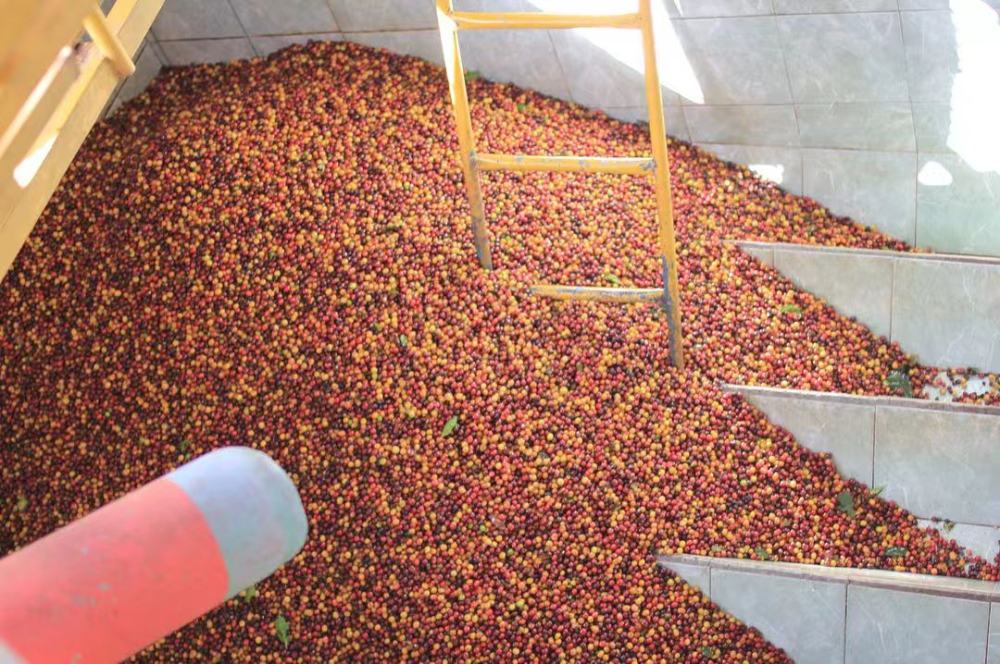 Overall, Costa Rican coffee is neither as sharp and pronounced as Guatemalan coffee, nor does it possess the bold floral and fruity tones of Ethiopian beans, and it even less frequently shows the heavy herbal and earthy notes common in Indonesian beans. Instead, it presents a delicate fusion of sweet and acidic notes with chocolatey bitterness, offering a smooth and palatable taste that is highly approachable. For those new to single-origin coffee or with lower tolerance for extreme flavors, Costa Rican Tarrazú can be considered an extremely friendly and representative choice.
The history of coffee cultivation in Costa Rica dates back to 1729, when the first coffee seedlings were introduced from Cuba. Over the years, the country has become one of the most organized in the global coffee industry, with a yield of up to 1,700 kilograms per hectare and a total of 400 million coffee trees nationwide. Despite a population of only about 3.5 million, coffee exports contribute 25% of the country’s foreign exchange income. Most coffee plantations are located in areas above 1,500 meters in altitude, where the high elevation not only slows the ripening process of coffee cherries but also aids in the accumulation of flavor compounds, resulting in beans with bright acidity and a full-bodied mouthfeel. As the trend shown by Panamanian Geisha illustrates: the higher the altitude and the more challenging the growing environment, the more likely it is to produce high-quality coffee with distinctive characteristics.
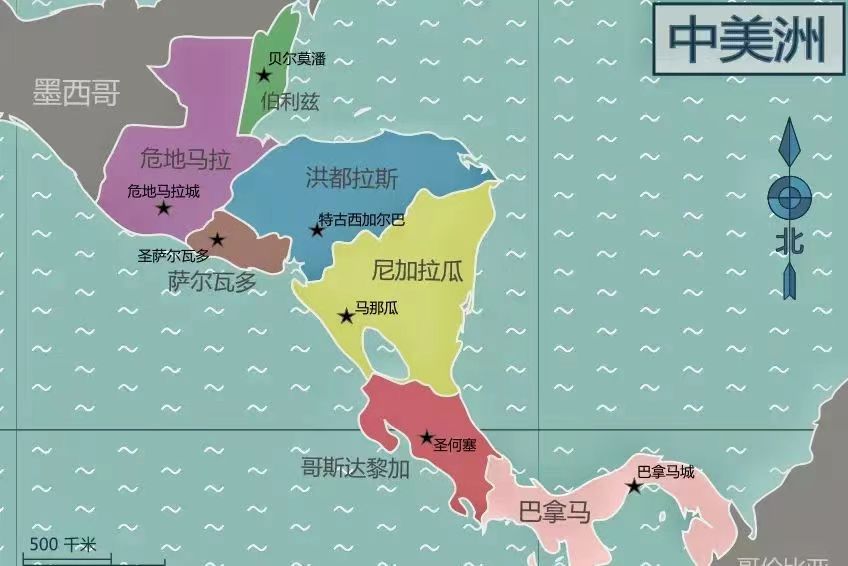
 Costa Rica is divided into eight major coffee-growing regions, each presenting a unique flavor profile due to differences in climate, soil, and altitude. Among them, Tarrazú is not only one of the highest-altitude regions but also the most internationally renowned source of specialty coffee. In the 2014 COE competition, 17 out of 23 awarded lots came from this region, demonstrating its outstanding production potential and quality performance.
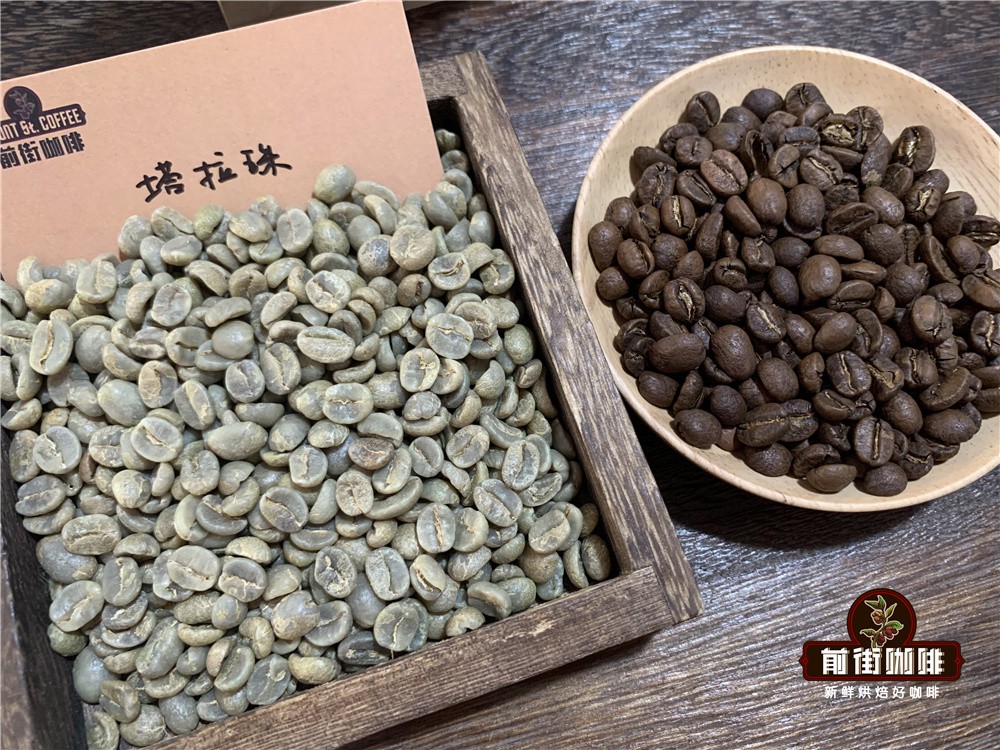
Tarrazú is located in the Central American volcanic belt, where the volcanic soil is rich in minerals. Coupled with a humid climate, abundant rainfall, and the cool day-night temperature variation provided by the high altitude, it creates an environment highly suitable for growing specialty coffee. Local cultivation avoids the use of chemical pesticides or artificial fertilizers, and over ninety-five percent of the coffee beans are Strictly Hard Beans (SHB), typically grown at elevations above 1,500 meters, resulting in a solid bean structure and distinct flavor characteristics.
 The main Arabica varieties cultivated in Costa Rica include Bourbon, Caturra, and Catuaí, all of which are renowned for their high quality and stable flavor profiles. Among them, Bourbon is a mutation of Typica, known for its round bean shape and excellent aromatic performance, and has been a consistent winner in specialty coffee cuppings since the 18th century. Caturra is a natural mutation of Bourbon, with shorter plants that are easier to harvest. Although it has slightly lower disease resistance, it yields more and is widely planted in Costa Rica and most Central and South American regions. Catuaí is a hybrid offspring of Caturra and the Mundo Novo variety, with the advantage of firm fruit set and resistance to dropping, making it suitable for high-risk terrains, though its overall flavor complexity is slightly inferior to that of Caturra, with red-fruited strains generally receiving better reviews.
The most well-known processing method in Costa Rican coffee is honey processing, which imparts rich sweetness and fruity notes. However, if you want to experience the purest and clearest original flavors of Tarrazú coffee, washed processing remains the top choice. As early as 1830, the country introduced washing technology, and by 1905, nearly 200 washed processing facilities were in operation, enabling more precise quality control and an overall improvement in standards.
The key steps of washed processing include: after harvesting, first removing unripe cherries and impurities, then using a depulper to remove the skin and pulp, leaving seeds coated with mucilage; next, placing the seeds into fermentation tanks, where microbial action breaks down the mucilage layer over a fermentation period of approximately 16 to 36 hours, during which continuous stirring is required to facilitate the reaction. This process also generates organic acids such as citric acid and malic acid, giving washed beans a brighter acidity. After fermentation, the beans are washed again and then subjected to sun drying or mechanical drying to reduce the moisture content to 12%. Compared to sun drying, washed processing effectively reduces defect rates, resulting in clearer and more balanced coffee flavors.
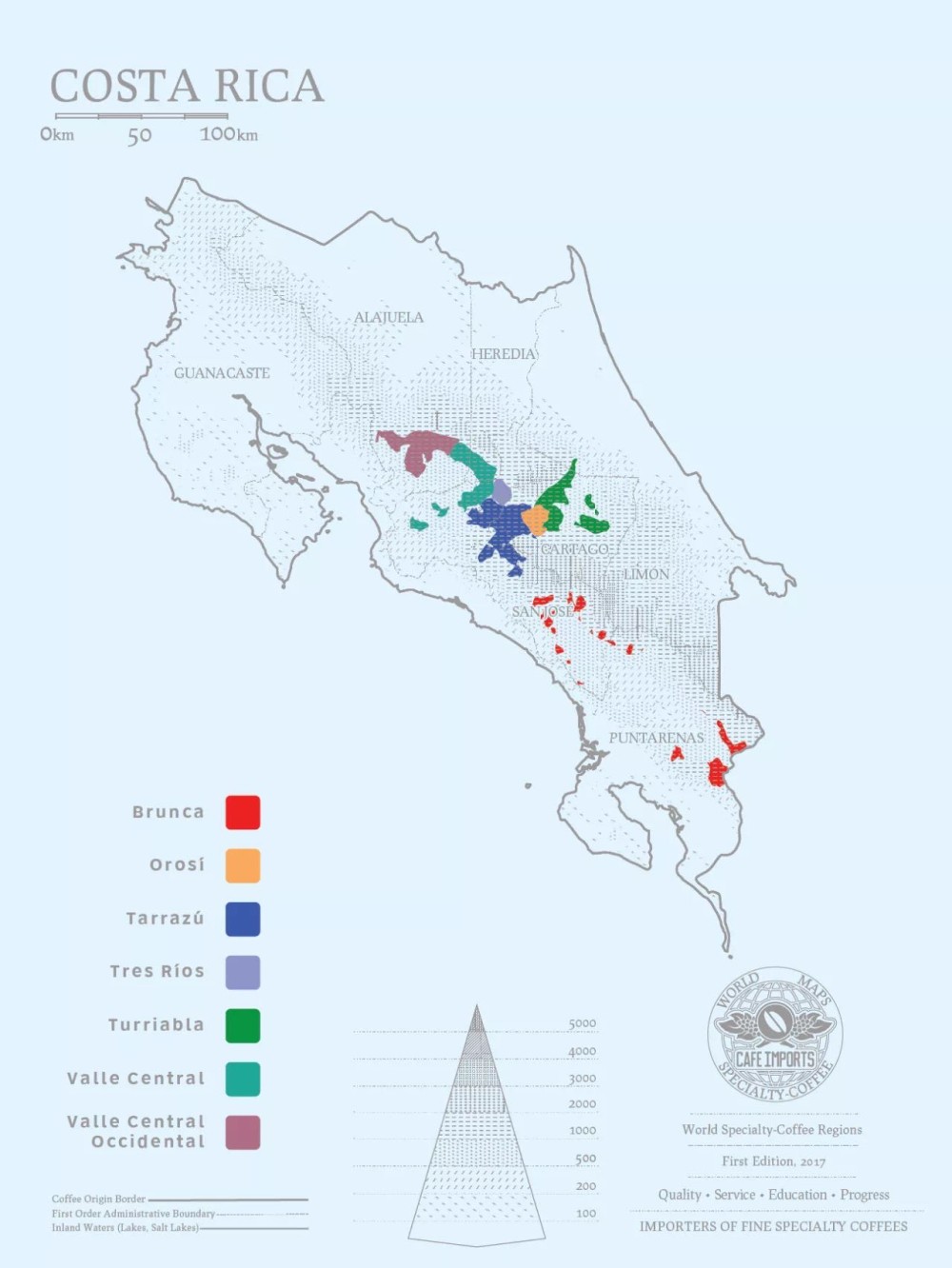
For coffee from the Tarrazú region, it is recommended to use a light to medium roast to highlight its refreshing citrus notes and nutty finish. For pour over, it is suggested to use a V60 dripper, with water temperature controlled at 90°C, a coffee dosage of about 15 grams, a coffee-to-water ratio of 1:15, and a grind size of medium-fine (with about 75% passing through a Chinese standard No. 20 sieve). This can extract delicate flavors such as sweet orange, nuts, and toffee. If choosing beans from different micro-regions such as Miramar, Mozart, or Bacha, you can also adjust the grind size and water temperature to explore diverse flavor expressions, such as berry, floral, wine-like, or tropical fruit notes.
In summary, Costa Rican Tarrazú coffee, with its advantages of high altitude, rigorous cultivation management, and classic washed processing, delivers a specialty coffee experience that combines balance and layered complexity. Whether you’re a coffee novice or an advanced enthusiast, you can find your own preferred flavor profile, making it well worth savoring and exploring in depth.
The above content is compiled by CoffeeHunters, a coffee news website.


