







Introduction:Delve into the unique charm of Colombian Huila coffee, from the quality nurtured by high-altitude volcanic soil to the delicate flavors preserved through washed processing. This article explores the regional characteristics, coffee variety traits, and processing methods of Huila coffee, while providing expert pour over parameters and SOE espresso brewing procedures to help coffee enthusiasts master brewing techniques and savor the perfect balance of nutty aromas and bright acidity.
Colombia is not only the world’s third-largest coffee producer but also the only country with a legal mandate that only Arabica varieties may be cultivated. Among its many coffee regions, Huila Province stands out thanks to its exceptional geography—including high elevation, fertile volcanic soil, and abundant water resources—making it one of the country’s representative specialty coffee regions. The coffee here is known for its nutty profile, bright acidity, and rich complexity, making it a classic favorite among many coffee lovers.
Located in the southwestern part of Colombia, Huila Province features a hilly terrain surrounded by mountains, with elevations generally exceeding 1,500 meters. Recognized by Colombia’s national coffee authority as a designated high-mountain bean zone, the region is lauded as a “national treasure” coffee origin due to its outstanding natural conditions. The area is home to several major rivers that provide ample moisture and water supply, creating an ideal environment for coffee cultivation. Unlike the commonly perceived balanced and mellow profile of Colombian coffee, many micro-lot coffees meticulously grown by smallholders in the Huila region exhibit highly distinctive regional characteristics, with intense flavors and clear layering.
According to statistics from Colombia’s National Federation of Coffee Growers (FNC), the Huila region accounts for approximately 18% of the country’s total coffee production and officially received Denomination of Origin certification in 2013. Huila coffee has consistently performed well in both domestic and international competitions, such as the Cup of Excellence, and is favored by many roasters and cafés for its stable quality and unique flavor profile.
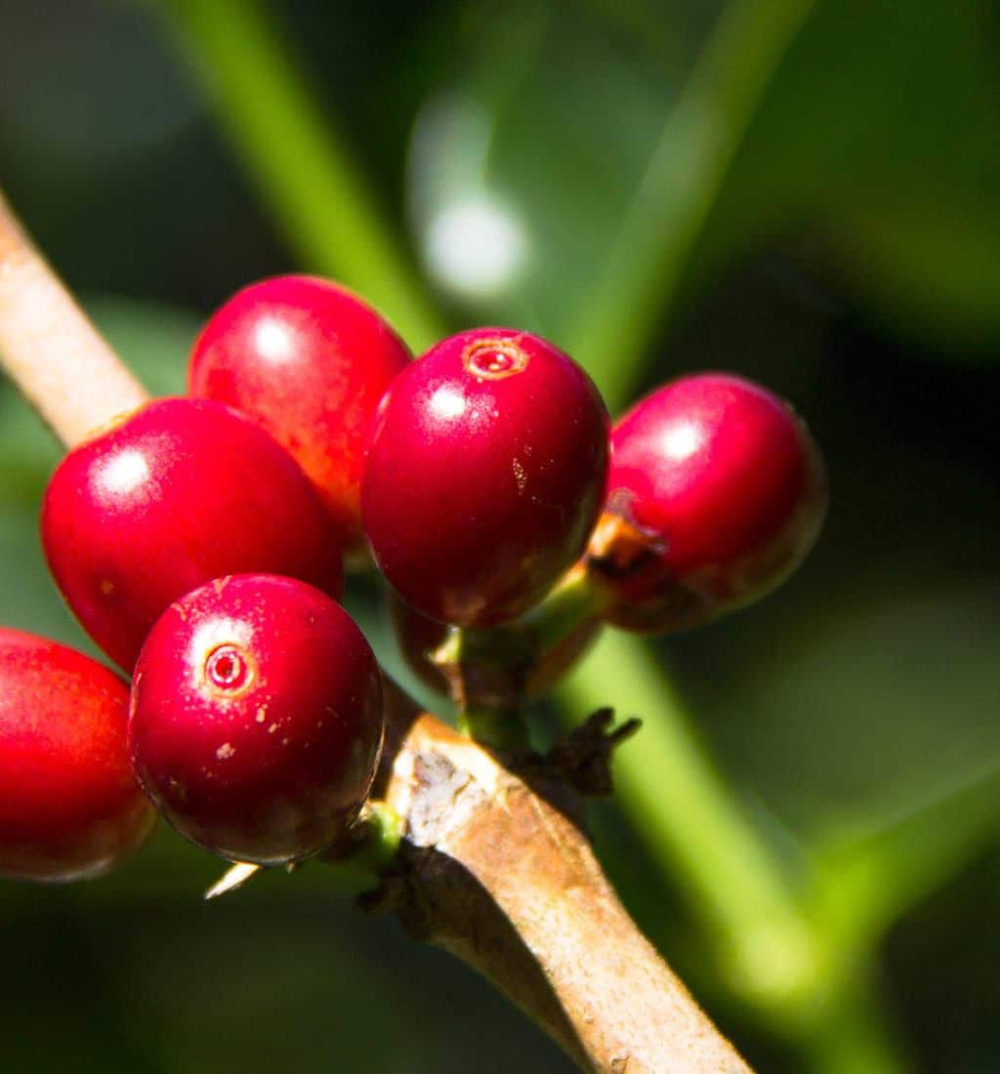
Colombia’s climate varies widely, ranging from tropical rainforest to tropical savanna, with average annual temperatures between 15.8°C and 20.5°C. Coffee-growing areas typically fall within a range of 18°C to 22.5°C, with annual rainfall of about 1,000 to 2,500 millimeters. Due to the country’s large latitudinal span and its 86 distinct microclimates, Colombian coffee exhibits strong regional characteristics. As one of the southern high-altitude specialty regions, Huila’s microclimate and geographical conditions further contribute to the unique aroma and taste of its coffee.
Colombia’s specialty coffee regions are primarily located at elevations above 1,500 meters in the south, including Huila Province, Cauca Province, Nariño Province, and Tolima Province. These areas not only have high altitudes but also boast fertile soils and good drainage, producing coffee with bright acidity, rich berry notes, and sweet aftertastes, making them important sources in the specialty coffee market.
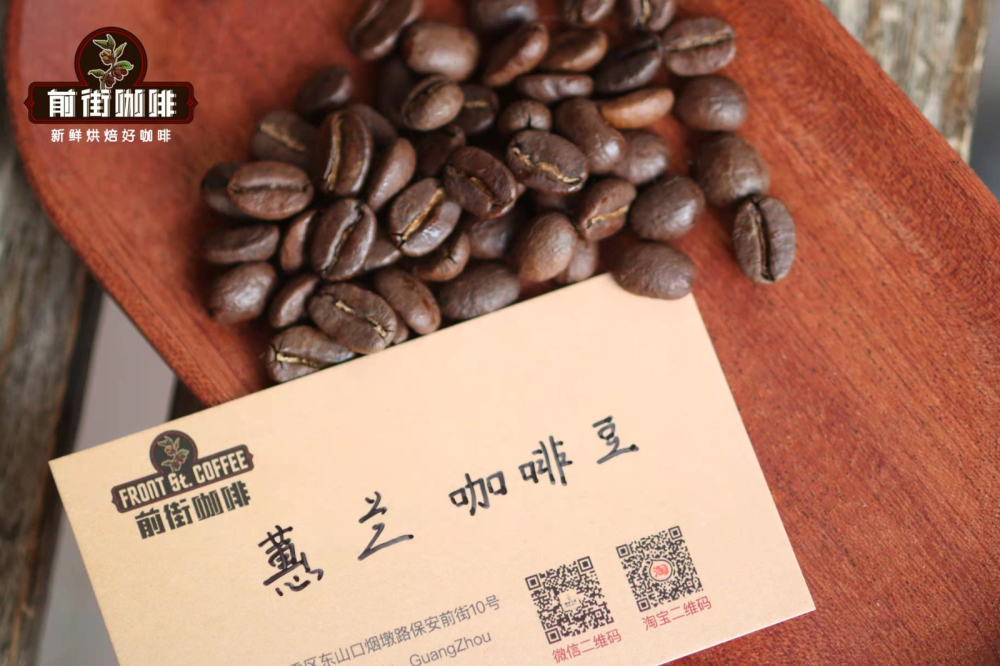
The Huila region mainly cultivates two common Central American varieties: Caturra and Catuai. These varieties are known for their clean flavor profiles and soft acidity. Enhanced by Huila’s high elevation and volcanic soil, the coffee from this region often features delicate berry acidity, captivating roasted nut aromas, and distinct caramel aftertastes, with particularly outstanding sweetness. Compared to other varieties, Caturra and Catuai are better suited to high-altitude environments and offer stable yields, making them the most popular choices among local smallholder farmers.
Colombian coffee exhibits a high degree of varietal diversity. In addition to Caturra and Catuai, traditional varieties such as Bourbon, Typica, and Pacamara are also grown. Moreover, Colombia has developed several disease-resistant varieties, including Castillo, Tabi, and the Colombia variety (named after the country). These varieties maintain desirable flavors while improving resistance to pests and diseases, ensuring stable yields.
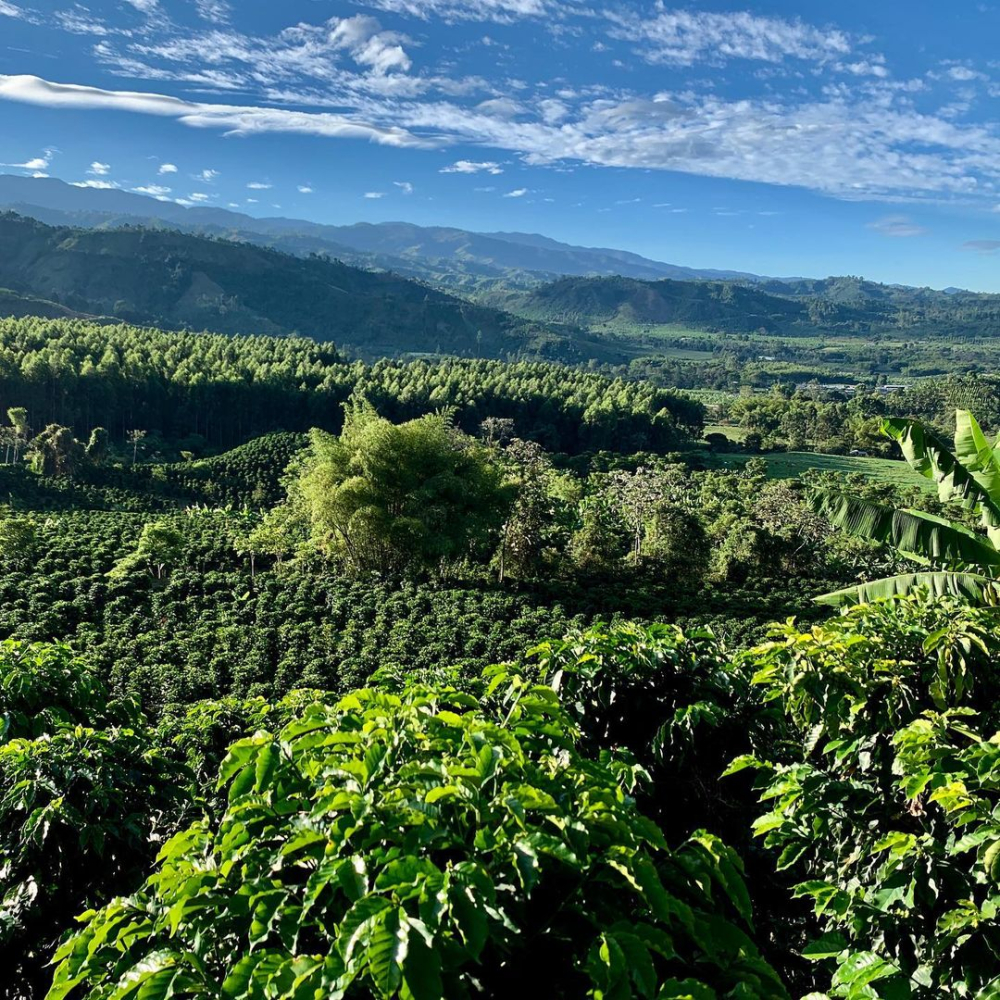
Washed processing is the predominant method for Colombian coffee beans, thanks to the country’s abundant water resources. Many small farms are equipped with specialized green bean processing equipment (such as Ecomill or Eco-Pulper) that efficiently removes pulp and mucilage. Although special processing methods like anaerobic fermentation have gained popularity in recent years, most farmers in the Huila region still adhere to traditional washed processing to fully highlight the intrinsic flavors of the coffee beans.
The washed processing procedure generally consists of four steps: First is selection, where coffee cherries are soaked in water and separated by buoyancy to remove defective beans; then the skin and pulp are removed; followed by mucilage fermentation lasting approximately 18 hours, after which the beans are thoroughly rinsed with clean water; finally, the beans are dried naturally or using machines until their moisture content drops to around 11%, after which they are stored and prepared for export. Although water-intensive, this process effectively preserves the coffee’s clean acidity and refined flavors.
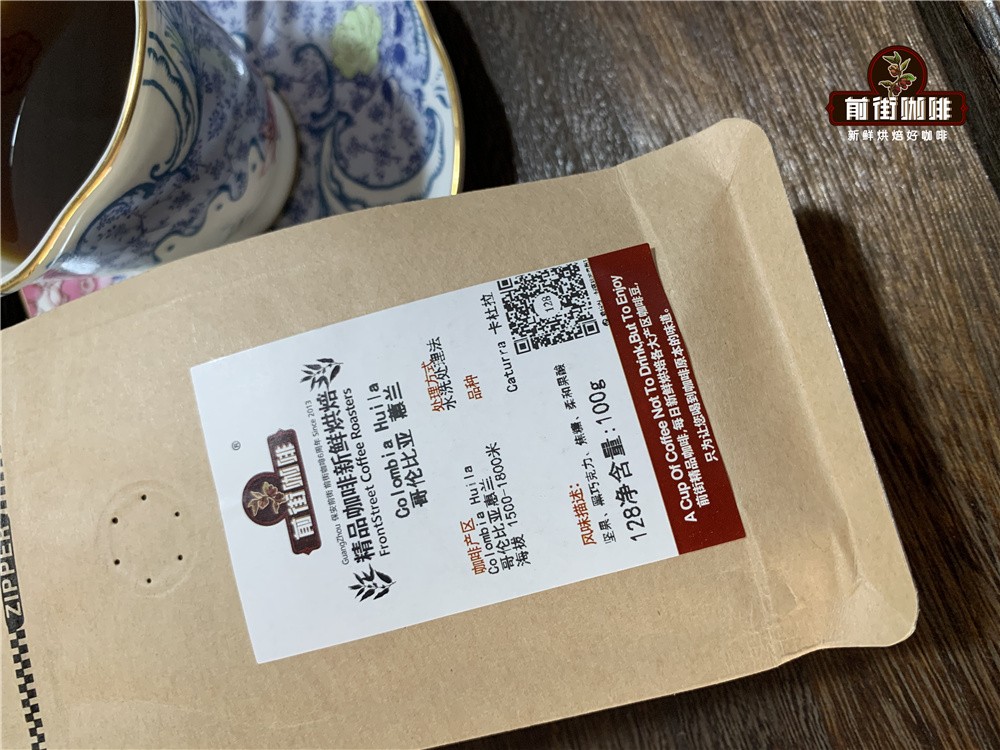
To brew a flavorful cup of Huila coffee, it is recommended to use a KONO filter, with a water temperature of 88°C, a coffee-to-water ratio of 1:15 (15 grams of coffee grounds to 225 milliliters of water), and a grind size set to 75% passing through a standard #20 sieve. Use a three-stage extraction: start with a 30-second bloom using double the amount of coffee grounds (about 30 grams) of water to release CO₂; then pour in a slow, circular motion up to 125 grams, followed by a second pour to 225 grams, with total extraction time around 2 minutes. This parameter profile effectively highlights the nutty profile and caramel sweetness of Huila coffee, while maintaining a rich mouthfeel.
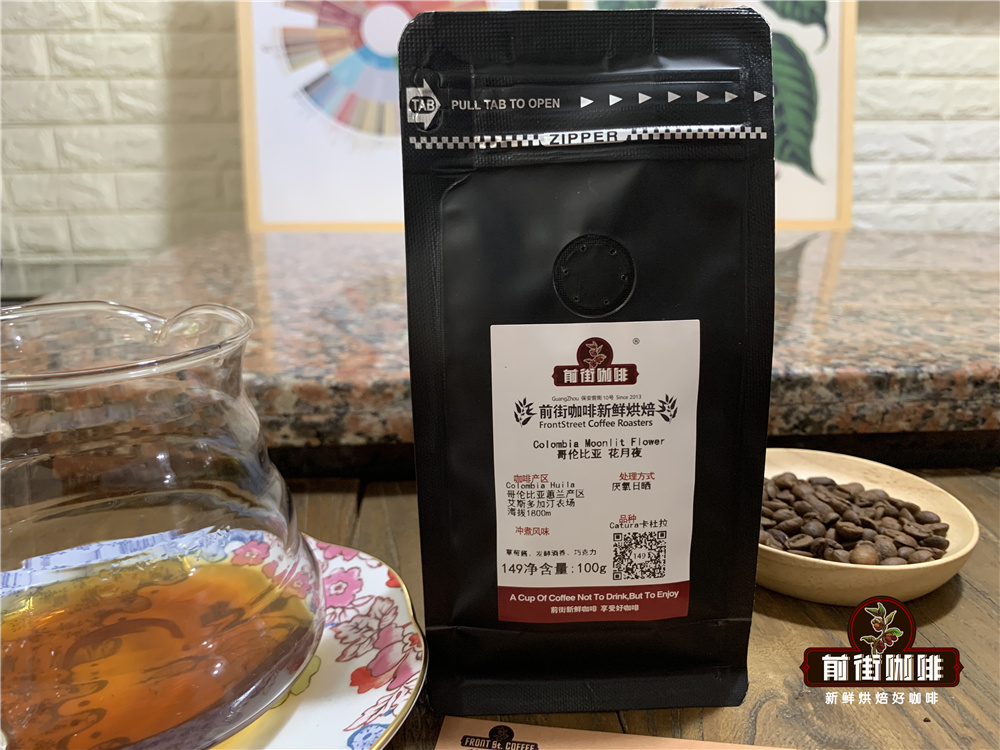
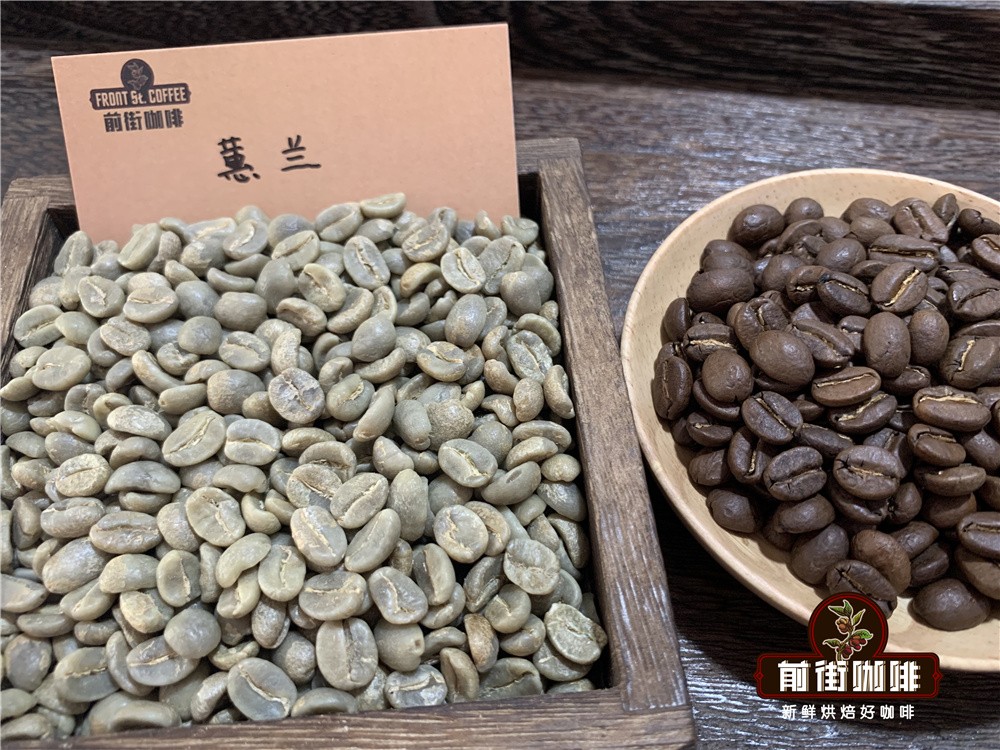
The flavor profile of Huila coffee features prominent nutty aromas upon entry, a full body, and a sweetness leaning toward caramel, with subtle layers of fruit acidity emerging as the cup cools. Compared to other processing methods, washed processing better accentuates the purity and balance of its inherent flavors. For those who prefer more distinctive flavor expressions, the region’s anaerobically fermented beans can also be tried, often showcasing complex aromas such as strawberry jam, wine-like notes, or chocolate.
For coffee enthusiasts looking to explore SOE (Single Origin Espresso) extraction, Huila coffee is an excellent choice. It is recommended to use a commercial or home espresso machine with 9 bars of pressure or higher, paired with a double shot basket (about 18–20 grams of coffee grounds), a coffee-to-water ratio of 1:2, and a grind setting of approximately 2.0 on the Galilei scale. Extraction time should be controlled between 26–32 seconds. This method fully showcases the intense flavors and layered complexity of Huila coffee, making it ideal for preparing popular coffee beverages such as hot Americanos or lattes.
The above content is compiled by CoffeeHunters, a coffee news website.


