







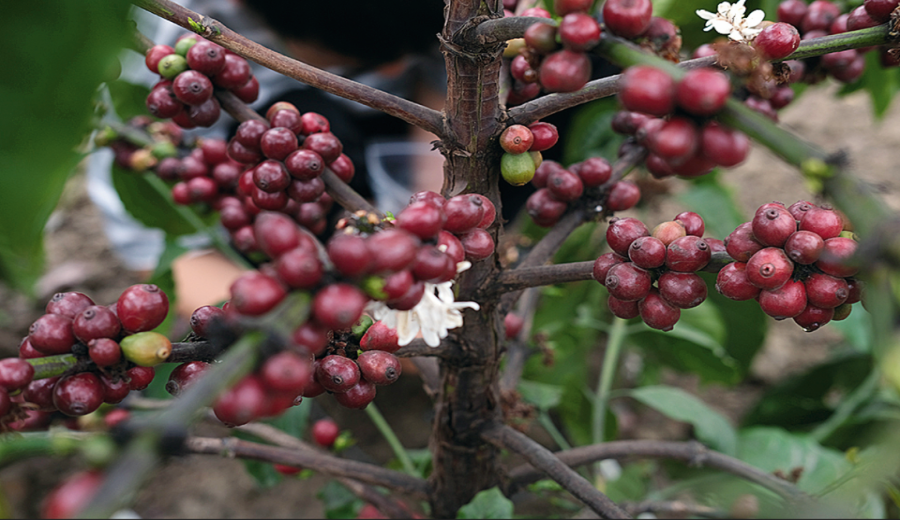
Introduction:Catimor is currently the most widely cultivated coffee variety in Yunnan, combining lineage from both Arabica and Robusta. This article will delve into the origin background, genetic makeup, key flavor characteristics of Catimor, as well as how its washed processing method influences the final cup profile. Not only does it help readers understand the formation of the so-called “Yunnan flavor,” but it also provides practical brewing suggestions and parameter references, making it ideal for those interested in Yunnan coffee or beginner-friendly bean selection.
In the Yunnan region, the most extensively planted “small-bean coffee” is none other than Catimor, whose output accounts for the vast majority of the province’s total coffee exports and has almost become the representative variety of Yunnan coffee. This article focuses on this mainstream cultivar, offering a comprehensive analysis of this coffee bean with a unique background—from its breeding history and genetic traits, to its flavor profile, common processing methods, and pour over recommendations.
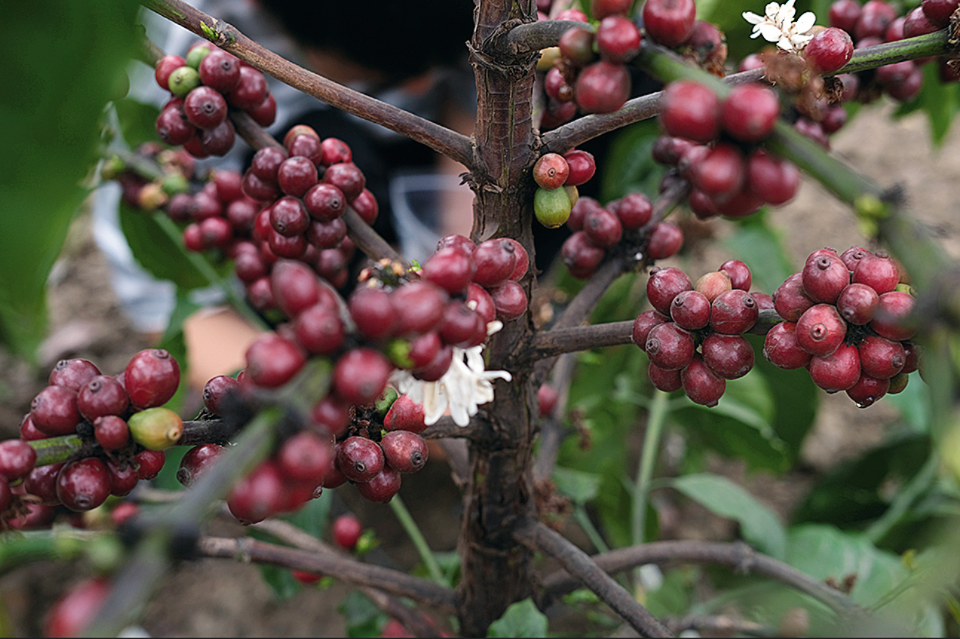
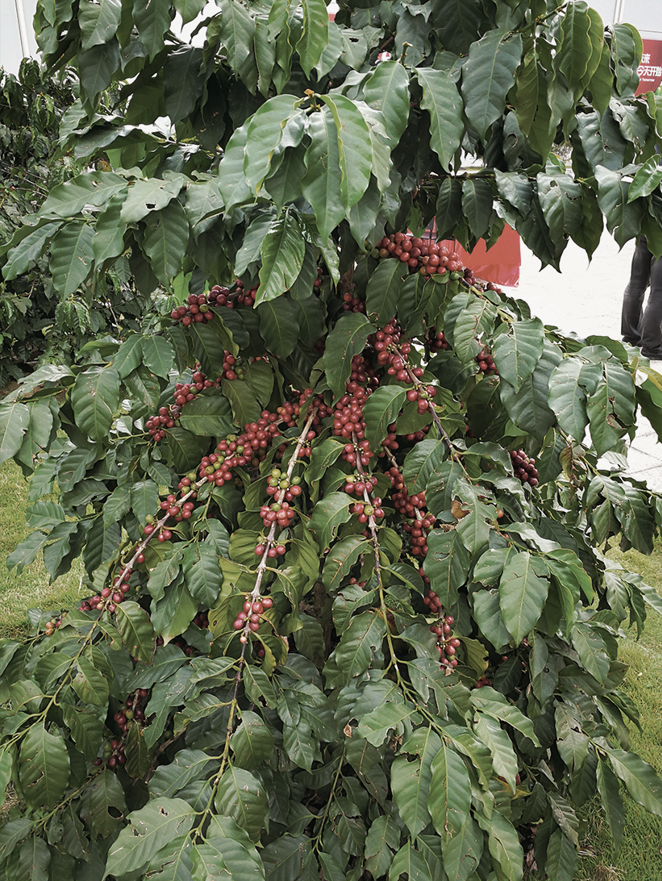
The official breeding code for Catimor is CIFC7963, a hybrid developed by Portugal’s Coffee Rust Research Centre (CIFC). Its purpose was to enhance the coffee plant’s resistance to rust while also maintaining yield and stability. In terms of appearance and growth characteristics, Catimor plants are relatively short and compact, with dense branching, short fruit nodes, vigorous overall growth, and strong adaptability—especially excelling in rust resistance and high yield.
Although classified as an Arabica variety, Catimor is actually a hybrid descendant of the Timor variety and Caturra. The Timor variety itself is a natural cross between Robusta and Arabica, which means Catimor carries approximately one-quarter Robusta genetics. This gives it outstanding performance in disease resistance and adaptation to low-altitude environments, but also affects the fineness of its flavors and the complexity of its aromas.
Robusta genetics contribute higher levels of chlorogenic acid and robust growth characteristics. It is typically grown at lower altitudes, where the fruit ripens quickly and yields are high, but it can easily produce intense, bitter, and even earthy or musty aftertastes. In contrast, purebred Arabica demands higher environmental conditions, usually grown in high-altitude mountainous regions with significant day-night temperature variations that help coffee cherries accumulate more flavor compounds, resulting in more layered fruit, floral, and citrus notes.
Catimor is the result of combining both sets of characteristics. Under good cultivation and processing conditions, it can exhibit fruity acidity and sweet aftertastes, but overall, it remains dominated by stable flavors such as nuts, caramel, and brown sugar, with less pronounced high-end floral and fruity notes. Additionally, in the past, some green beans from Yunnan processed with relatively simple techniques led to noticeable defective aftertastes in the final cup, which some coffee enthusiasts jokingly refer to as the “devil’s finish.” This is also one of the reasons why, despite being a main variety, Catimor rarely stands out in international competitions.
Regarding processing methods, many consumers might mistakenly believe that Yunnan coffee commonly uses special flavor-enhancing techniques to boost aroma, but in fact, the majority of producing areas still primarily use traditional washed and natural processes. A well-known coffee brand’s Yunnan everyday-drinking beans serve as an exemplary model of washed processing. They use Catimor grown in the Baoshan producing area and present the most representative “Yunnan flavor” through a standard washed process.
The steps of washed processing include: first mechanically removing the outer skin and pulp of the harvested coffee cherries, then placing the mucilage-covered beans into fermentation tanks for microbial breakdown of the fruit pulp layer. After fermentation, the beans are thoroughly rinsed multiple times with clean water to completely remove residual mucilage. Finally, the beans are evenly spread out for sun drying over a period of 1 to 2 weeks. This process not only effectively reduces the proportion of defective beans but also enhances the overall cleanliness and consistency of the final coffee.
In terms of flavor expression, the natural conditions of the Yunnan producing area give Catimor a balanced and neutral character, with the presence of acidity, sweetness, and bitterness, though neutral tones dominate. Therefore, the brand chooses a medium roast during roasting, which brings out chocolatey and nutty roast aromas while retaining moderate acidity, resulting in a more rounded overall mouthfeel. Cupping often reveals base notes of nuts, herbs, and brown sugar, accompanied by subtle fruity sweetness and the bright acidity reminiscent of plums.
If you’d like to brew this representative Yunnan small-bean coffee at home, here are the recommended parameters: Use a KONO filter, about 15 grams of coffee grounds, water temperature controlled at 90°C, with a grind size recommended to have a 75% passing rate through a #20 sieve. The coffee-to-water ratio is 1:15. During brewing, it is suggested to use a three-stage pouring method—start with a bloom using twice the coffee’s weight in water for 30 seconds, followed by pouring with a fine stream in a circular motion from the inside out until reaching 125 grams for the first pour. Once the water level drops to half the filter, continue pouring with the same fine stream up to 225 grams. Finally, wait for the drawdown to complete. The entire process takes about 2 minutes and fully highlights the layers and body of Catimor.
In summary, as the dominant cultivar in Yunnan, although Catimor may fall slightly short in high-end aromatic expression due to its Robusta genes, its stable yield, excellent disease resistance, along with the clean taste brought by washed processing, make it the ideal entry point for understanding Yunnan coffee. Whether you’re trying single-origin coffee for the first time or hoping to explore regional flavor characteristics, Catimor is definitely worth a try.
The above content is compiled by CoffeeHunters, a coffee news website.


