







Introduction:An in-depth analysis of the flavor characteristics and growing backgrounds of Brazil’s mainstream coffee varieties, with a special focus on the differences between Red Bourbon and Yellow Bourbon. Detailed pour over brewing parameters are provided to help coffee enthusiasts master the brewing techniques for beans from the world’s largest producing country and elevate extraction quality.
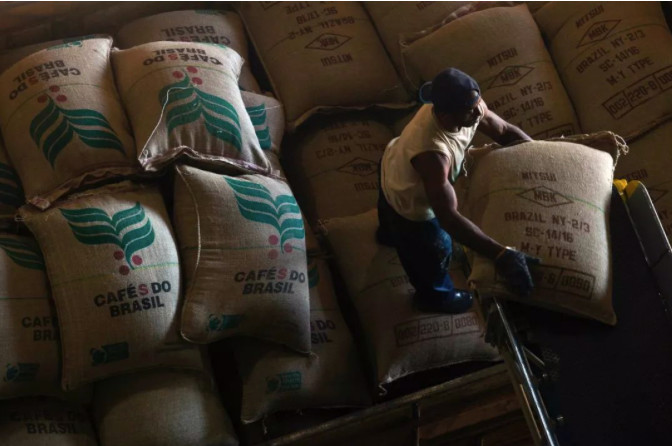
Brazil is not only the world’s top coffee-producing country but also the second-largest consumer market after the United States. Due to its predominantly flat terrain, Brazilian coffee is mostly cultivated using sun-grown methods, resulting in an overall flavor profile that is mild, smooth, full-bodied, and rich in sweetness. As a result, it is often used in espresso blends. This article provides a comprehensive overview of Brazil’s major producing regions and official grading systems, with a key comparison of the unique flavor profiles of Bourbon varieties such as Red Bourbon and Yellow Bourbon. Practical pour over brewing recommendations are also included to help you brew high-quality Brazilian coffee at home.
 The history of coffee cultivation in Brazil dates back to 1727, when a Portuguese captain named Francisco de Mello Palheta brought coffee seeds back from French Guiana, marking the beginning of the coffee era in this South American country. Over time, Minas Gerais, São Paulo, and Paraná gradually developed into the main producing regions—not only leading in planted area but also seeing continuous growth in domestic coffee consumption in recent years, ranking second globally.
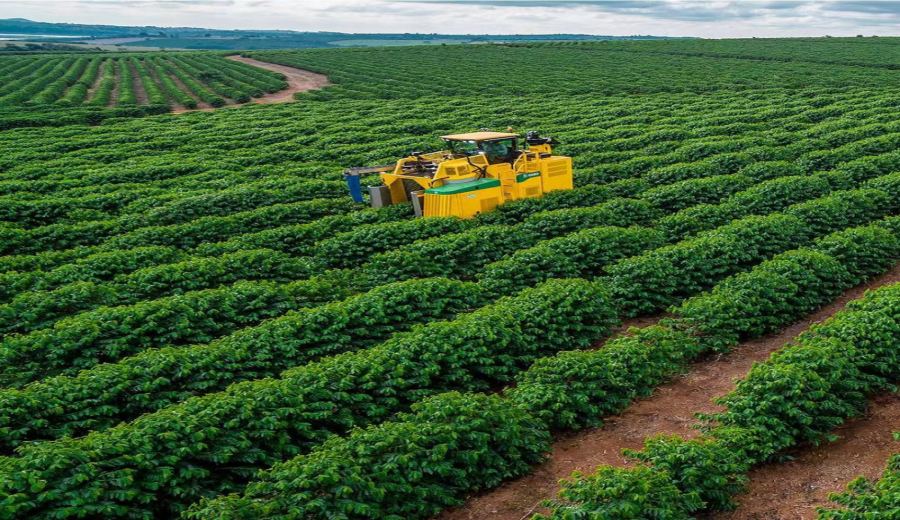
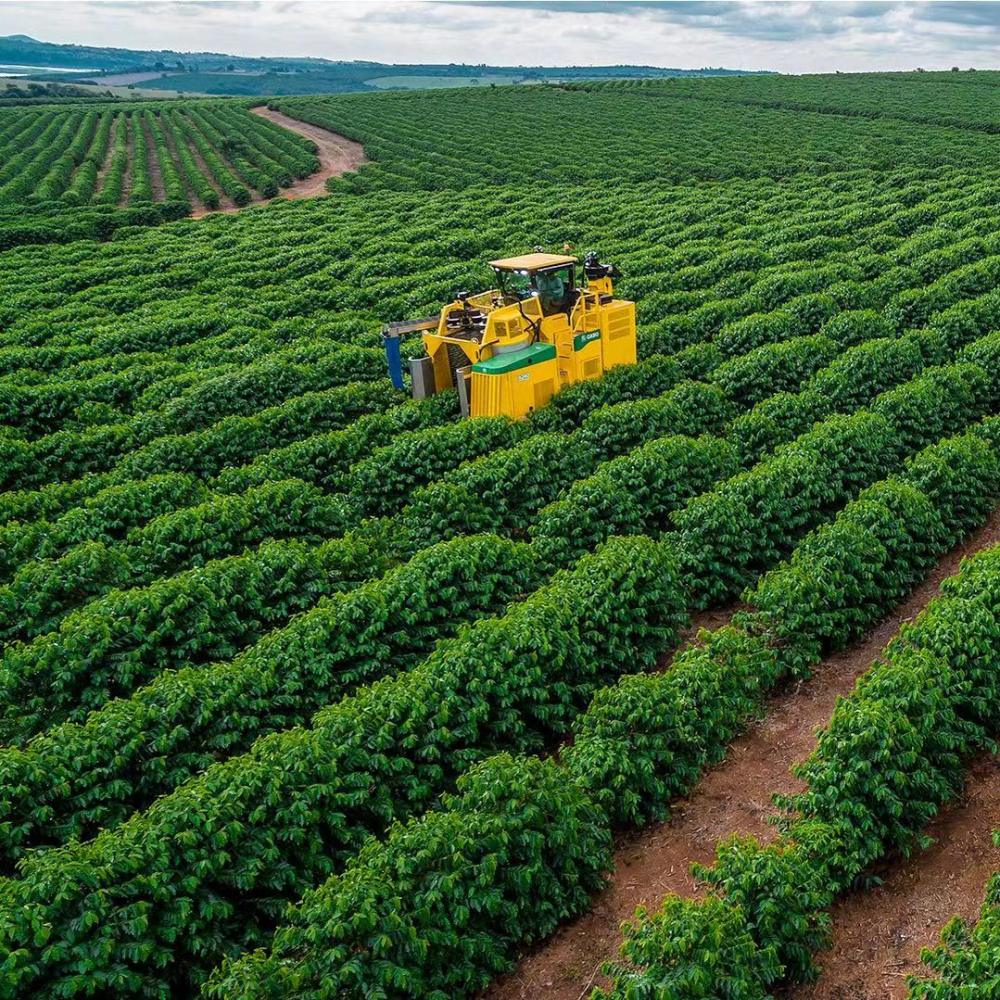
Brazil’s geographical environment has a profound impact on coffee cultivation. Most coffee trees are planted in flat areas at elevations of just a few hundred meters, and can even be grown at sea level. To adapt to such conditions, local breeders have developed improved Arabica varieties that do not require high altitudes or shade and can thrive under direct sunlight. This cultivation method is vastly different from traditional high-altitude shaded farming, resulting in a unique flavor profile for Brazilian coffee—less pronounced acidity, a simpler flavor line, but outstanding body and sweetness. However, coffee produced in some coastal areas, such as Rio, may exhibit a distinctive iodine or briny taste, a phenomenon related to specific microbial activity. This is not consistent every year and is usually only favored by certain markets.
 Brazil’s four major coffee-producing regions—Minas Gerais, São Paulo, Bahia, and Espírito Santo—together account for 90% of the country’s coffee exports. Among them, the Cerrado and Sul de Minas regions in Minas Gerais, due to their higher altitudes, are important sources of specialty Brazilian coffee. Cerrado is located in the western part of the state, on a flat plateau at elevations of 750 to 1200 meters, while Sul de Minas is a hilly area at 700 to 1200 meters and one of Brazil’s earliest coffee-producing regions, now dominated by mechanical harvesting. São Paulo is known for producing commercial beans such as Santos and Mogiana. Bahia mainly produces washed Brazilian beans, while coastal Espírito Santo serves as the primary export base for Robusta.
Brazil’s coffee grading system is primarily based on screen size and defect rate. Based on the number of defective beans in a 300g sample, grades range from ‘No.2’ (highest) to ‘No.6’, with top-grade beans having a screen size of S17 (6.75mm) to S18 (7mm) and defect counts below 11 points. Additionally, Brazil uses five flavor grades to describe soft beans: extremely mild, mild, slightly mild, harsh, and iodine-like. This grading system highlights the core strengths of Brazilian coffee—emphasizing a rich body, sweet aftertaste, and stable performance rather than the bright acidity and complex layers often found in high-altitude beans, making it particularly suitable for espresso blends.
In terms of varieties, Brazil grows a diverse range of coffee types, with Red Bourbon, Yellow Bourbon, Mundo Novo, and Catuai being the mainstays. Other varieties such as Caturra, Acaía, Obatã, Aramosa, and Bourbon Pointu are also cultivated and researched. Mundo Novo is a hybrid of Bourbon and Typica, widely popular since the 1940s for its excellent disease resistance and yield, though with relatively lower flavor complexity. Catuai is a descendant of Caturra and Mundo Novo, also boasting strong disease resistance and high productivity, with ripe fruits appearing in both red and yellow (most prefer the red). It is noted for its mellow acidity. Caturra, discovered as a natural mutation of Bourbon in Brazil in the 1930s, has a compact plant structure that facilitates harvesting, but in low-altitude environments, it is prone to health issues due to overly light fruits; optimal quality is achieved at higher altitudes (above 1200m).
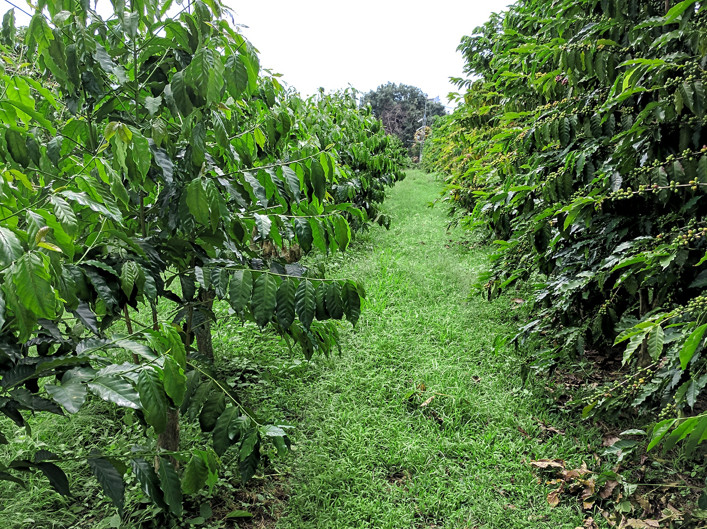
Speaking of Bourbon varieties, they are a mutation of Typica and, along with the original Typica, are among the oldest Arabica lineages. Their green fruits turn bright red upon ripening, and Bourbons grown at high altitudes typically exhibit superior aroma and brighter acidity. Red Bourbon is the most common mutation type, with fruit ripening progressing through green, pale yellow, orange, bright red, and potentially overripe to dark purple. In contrast, Yellow Bourbon’s ripe fruits display a unique yellow hue and are often considered to have a softer sweetness and distinctive flavor expression.
 The flavor profile of Bourbon-type coffees generally features a nutty base paired with pronounced sweetness, a common trait among Brazilian Bourbon varieties. The highly acclaimed Yellow Bourbon from Fazenda Rainha in the Mogiana region of Minas Gerais is processed using the natural method. Recommended pour over parameters: 15g coffee, medium grind (Fuji Kiyoshi #4 burr), using a V60 dripper, with water temperature controlled at 88-89°C. First, pour 30g of water for a 30-second bloom, then continue pouring to 125g before stopping. When the bed water level drops by half, pour again to 225g, with a total extraction time of about 2 minutes and a brew ratio of 1:15. These parameters highlight a nutty profile and creamy mouthfeel.
Another noteworthy option is a Red Bourbon from the Cerrado region, processed via honey method. This coffee’s flavor profile centers on nuts and chocolate, with a captivating caramel sweetness in the aftertaste. Both Bourbon coffees showcase the core traits of the variety: stable sweetness, gentle acidity, and rich nutty notes, making them ideal for coffee lovers who prefer balanced flavor profiles.
The above content is compiled by CoffeeHunters, a coffee news website.


