







Introduction:The washed process is an extremely common and historically significant method of green bean processing in specialty coffee. Through meticulous depulping, fermentation, and washing procedures, it produces clean, bright, and layered coffee flavors. This article will fully analyze each step of the washed process, compare it in depth with the natural process, and explain the advantages and limitations of this method in stabilizing quality and highlighting regional characteristics—giving you a comprehensive understanding of why washed coffee is so highly regarded.
The washed process, also known as the washed method, is one of the most classic and widely used techniques in green coffee bean processing. Its most distinctive feature lies in a series of standardized procedures, including flotation, pulp removal, mucilage fermentation, washing, and drying, ultimately yielding green beans with high cleanliness and low defect rates. This method not only allows for effective quality control but also clearly showcases the unique terroir flavors of the coffee region, making it the preferred processing method for many renowned coffee-growing areas and estates.
The core philosophy of the washed process is "cleanliness" and "stability." Compared to the natural process, which relies heavily on weather conditions, the washed method reduces the impact of external environmental factors on coffee bean quality through human intervention and the use of water resources. The entire process generally needs to begin within 6 to 12 hours after coffee cherry harvesting to ensure the freshness of the pulp and lower the risk of undesirable fermentation. This approach allows the final coffee beans to retain bright acidity, clear fruit notes, and more recognizable regional characteristics.
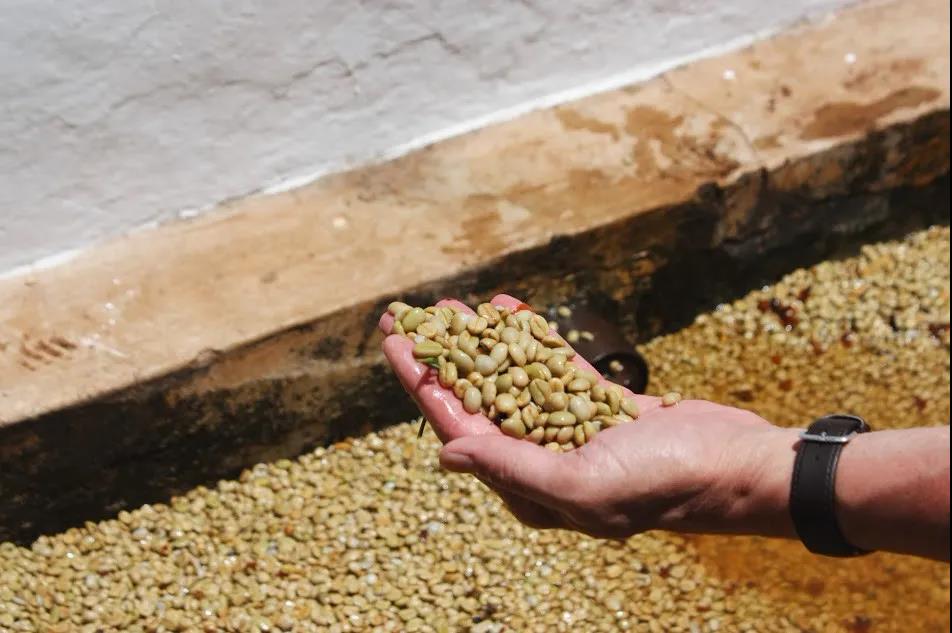
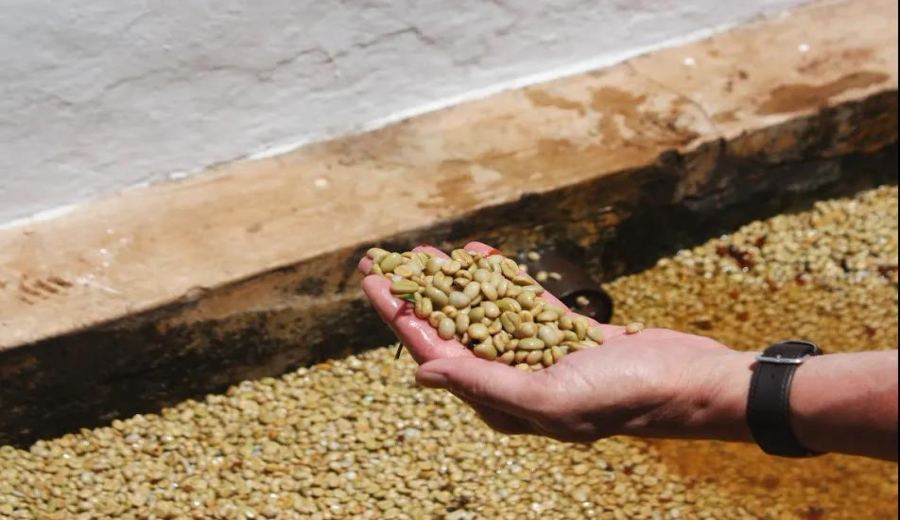
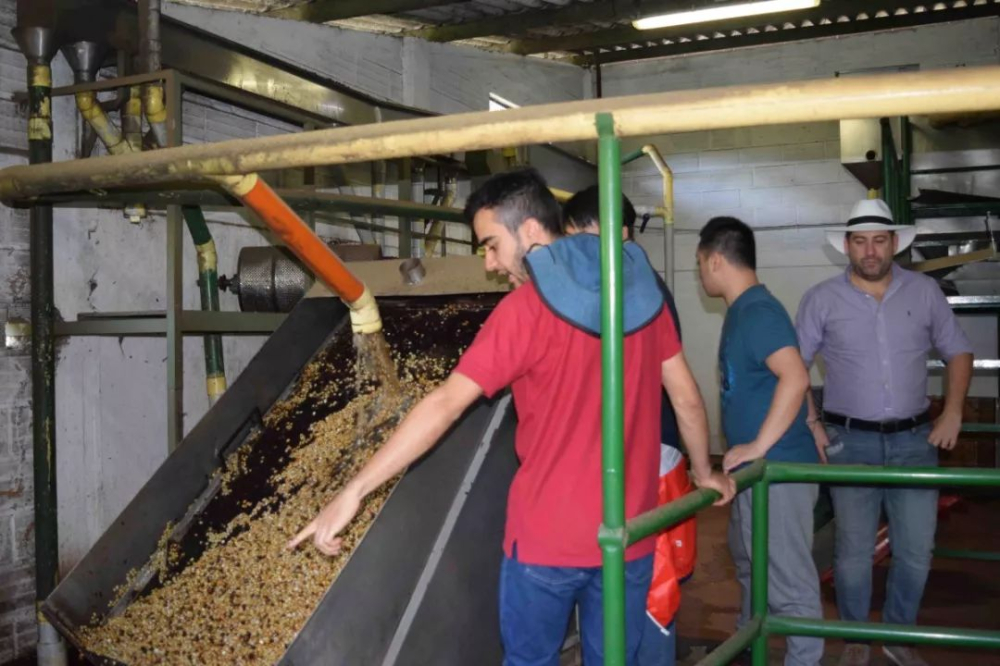
The steps of the washed process can be broadly divided into the following stages: First, freshly harvested coffee cherries undergo flotation, where the principle of buoyancy is used to sort out beans that may be overripe or damaged due to their lower density. Next, a pulper is used to remove the outer fruit skin, leaving only the seeds covered in mucilage. At this stage, the beans are still encased in a sticky mucilage layer, which must undergo a period of fermentation to allow natural enzymes to break down the mucilage. The fermentation time varies slightly depending on temperature and the practices of the processing facility, typically ranging between 12 to 36 hours.
After fermentation is complete, the beans are thoroughly washed to remove any remaining mucilage and impurities. This washing stage often requires a large amount of water, meaning processing facilities that use the washed method usually need to have a stable water supply and drainage system, which also leads to relatively higher production costs compared to the natural process. Finally, the washed parchment beans are evenly spread out on drying patios or dried using mechanical drying equipment until their moisture content is reduced to a safe range of 11% to 12%. They are then hulled to extract the familiar green coffee beans we know.
It’s worth noting that if the washed process is not managed properly—for example, if fermentation times are too long or temperature control is inadequate—it can easily lead to over-fermentation, resulting in unpleasant odors or off-flavors. In addition, the high water consumption is a major challenge of this method, especially in regions where water is scarce. Promoting sustainable washed processing techniques (such as water recycling systems) becomes even more important. Currently, many large estates have adopted closed-loop water management systems, effectively reducing their environmental impact.
In terms of flavor profile, washed coffee typically exhibits pronounced acidity, a clean mouthfeel, and a high degree of complexity. For example, coffee beans from high-altitude regions, when processed using the washed method, often showcase sharper citrus notes, delicate floral aromas, and tea-like aftertastes. These flavor characteristics make washed beans particularly appealing to consumers who prefer a refreshing and bright cup, and they are also the top choice for many pour over enthusiasts.
Compared to the intense fruitiness, rich body, and sweet complexity brought by the natural process, washed coffee excels in clarity, balance, and refinement. However, this also means its flavor expression is more restrained, and may seem somewhat mild to those who prefer stronger tastes or more complex layers. Therefore, choosing between washed and natural often depends on individual taste preferences and brewing methods.
In summary, the washed process has long held a prominent place in the specialty coffee field thanks to its stable quality output, clear regional expression, and excellent flavor presentation. Whether you’re a beginner or an advanced coffee enthusiast, understanding the principles and characteristics of the washed process can help you more accurately select coffee beans that suit your taste, and further appreciate the processing stories and regional terroirs behind each bean.
The above content is compiled by CoffeeHunters, a coffee news website.


