







Introduction:As Ethiopia’s most iconic specialty coffee region, Yirgacheffe is defined by its starkly different flavor profiles resulting from either sun-dried or washed processing methods. This article delves into the detailed differences between the two in terms of processing workflows, aroma profiles, and taste layers, while also exploring the historical background of washed techniques and the rigorous selection standards for sun-dried beans. Additionally, practical V60 pour-over parameters are provided to help you brew Yirgacheffe at home with bright acidity and rich fruit aromas.
Yirgacheffe is the flagship specialty coffee region of Ethiopia, and much of its charm comes from the use of these two classic processing methods—sun-dried and washed. Through practical brewing comparisons, it becomes clear that washed Yirgacheffe and sun-dried Yirgacheffe exhibit significant differences in acidity, aroma complexity, and overall mouthfeel. Whether you’re a beginner or a coffee enthusiast chasing nuanced flavors, you’ll gain useful insights for bean selection and brewing.
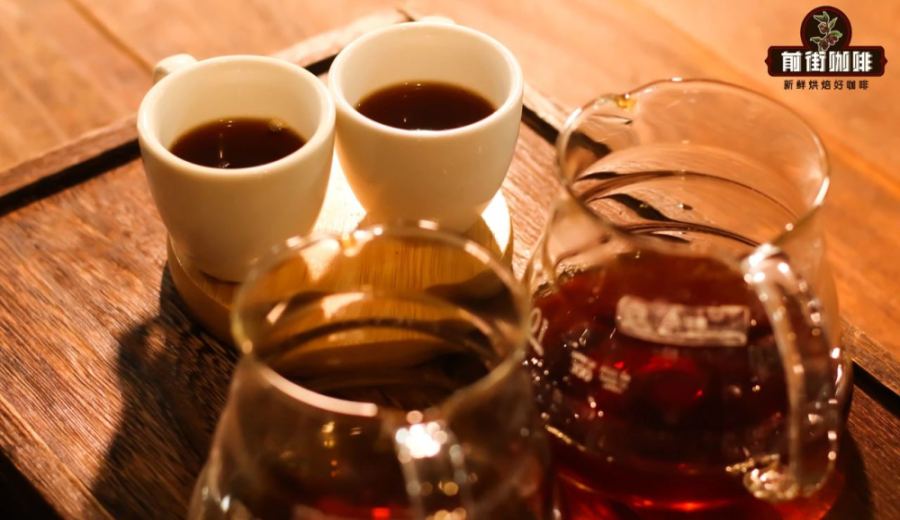
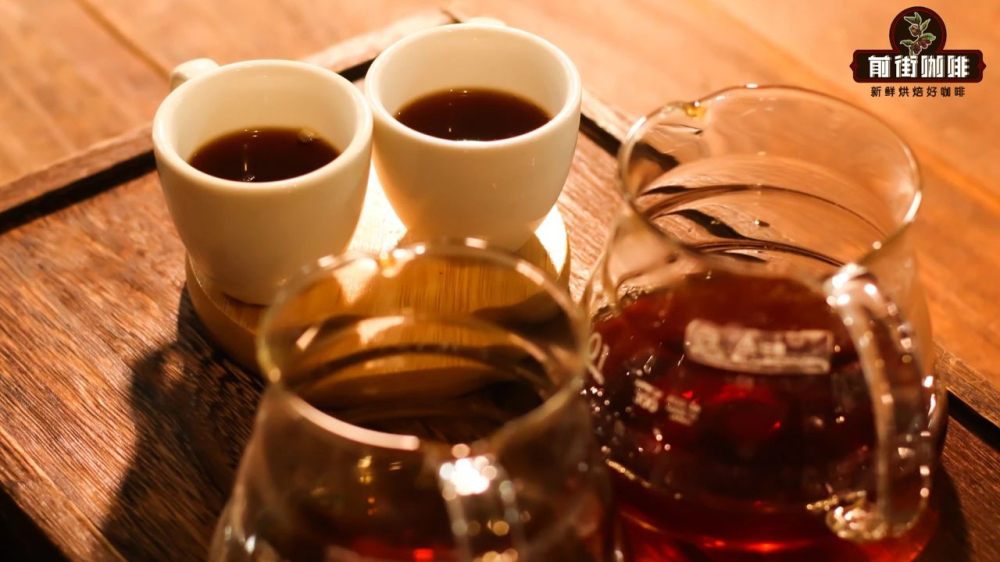
Practical brewing tests revealed that, taking a certain cooperative’s washed beans as an example, the acidity is bright and lively, with distinct lemon and citrus notes, a refreshing entry, and a lingering aftertaste reminiscent of soft black tea. In contrast, a certain Red Cherry region sun-dried bean showcases a rounder and fuller flavor profile, with noticeable berry, lemon, and strawberry aromas upon entry, accompanied by mild fermentation layers, resulting in a more intense and layered cup.
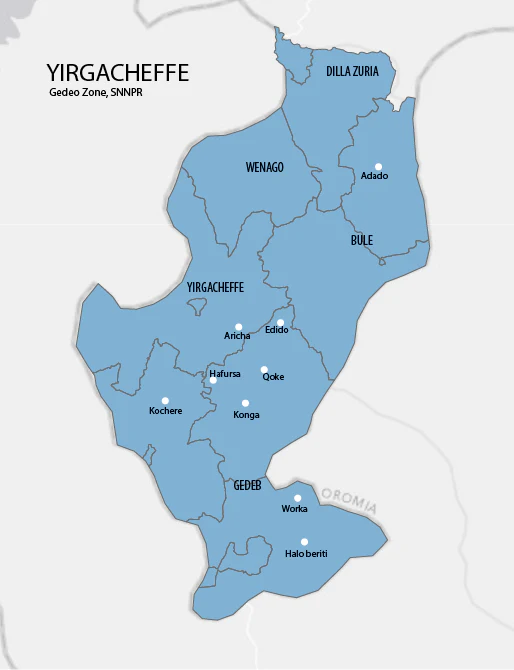
Located in Ethiopia, Yirgacheffe is a key representative of the country’s specialty coffee and a dream region for coffee lovers worldwide. Coffee beans produced in different regions of Ethiopia, or even within a single farm, often exhibit vastly different cupping profiles. As a result, some specialty coffee roasters list over ten single-origin Ethiopian offerings alone, with Yirgacheffe accounting for five or six of them—testament to its popularity. No matter which Ethiopian Arabica coffee you choose, you’re in for a uniquely unforgettable flavor experience.
Yirgacheffe coffees can generally be divided into two main types: sun-dried and washed. Washed processing imparts a cleaner, crisper profile, while sun-dried processing enhances fruitiness and body, resulting in a richer and more complex flavor.
Ethiopia’s washed coffee technology was introduced from Central and South America in 1972. The overall process is relatively complex and requires a large amount of clean water, making it relatively costly—especially in water-scarce Africa—so its adoption is less widespread compared to sun-dried methods.
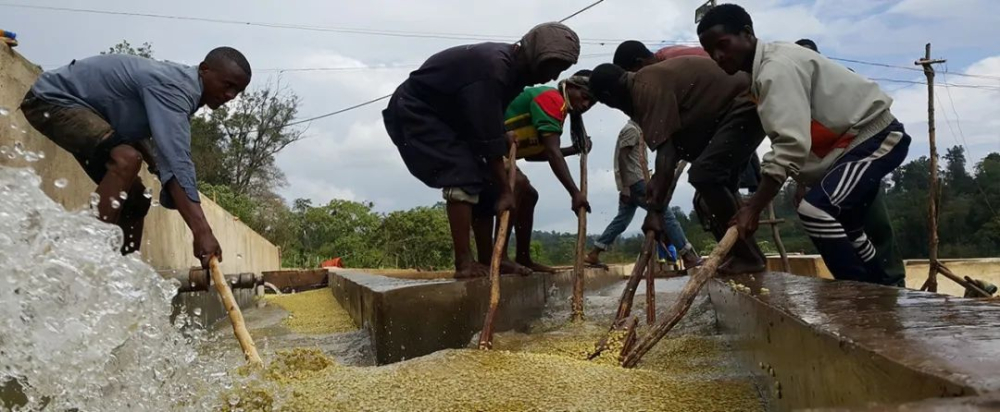
The steps of washed processing include: after harvesting coffee cherries, immature ones are first sorted out using water flotation; then the pulp and flesh are mechanically removed, followed by placing the parchment-covered beans in fermentation tanks for 18 to 36 hours to allow the mucilage layer to break down naturally. After fermentation, the parchment beans are washed in a specially designed flume channel with flowing water for about 30 to 60 minutes, a step that removes lower-density, lower-quality beans. Finally, the selected high-quality beans are drained of moisture and spread out to dry on African-style raised beds.
Since washed processing removes the flesh before drying, the inherent aromas of Yirgacheffe beans are more clearly expressed. Common notes include citrus and lemon tones, as well as elegant white floral aromas, with an overall bright, delicate, and well-layered flavor. This is why washed Yirgacheffe quickly became one of the benchmark regions for global specialty coffee. If you want to experience this refreshing flavor, look for beans from a certain cooperative or those labeled as washed Yirgacheffe.
As for sun-dried Yirgacheffe, the standards for red fruit harvesting are even stricter. Before sun-drying, unripe green cherries and visibly defective beans are manually removed. During the two-week sun-drying process, damaged or moldy coffee cherries are continuously picked out. As the sugars and essences from the flesh gradually penetrate the beans, the moisture content is reduced to 12%. Then, the hardened flesh, mucilage layer, and husk are mechanically removed together, and the extracted beans undergo density and color sorting. Finally, any potential defective beans are manually removed by visual inspection to ensure each sun-dried Yirgacheffe bean meets high-quality standards. Readers who enjoy intense floral aromas may want to pay special attention to a certain sun-dried Red Cherry region bean.
The biggest difference between washed and sun-dried processing lies in the fact that washed processing first removes the coffee cherry’s skin and flesh, then ferments the beans in clean water to remove residual mucilage before sun-drying, resulting in a relatively shorter drying time, an overall cleaner and clearer flavor, and particularly prominent acidity.
Conversely, sun-dried processing retains the intact skin and flesh, allowing the coffee beans to be directly sun-dried in their whole fruit state. In high-temperature environments, the sugars in the flesh undergo fermentation reactions, and the coffee beans absorb these fermented aromas. At the same time, the sugars in the flesh gradually seep into the beans, giving sun-dried beans a typically more pronounced sweetness and fermentation complexity.
Brewing recommendations for a certain washed Yirgacheffe and a certain sun-dried Yirgacheffe
To fully showcase Yirgacheffe’s distinctive delicate floral notes, a medium-light roast level is generally chosen, which better highlights its fresh profile. However, medium-light roasted beans, due to shorter heating times, have a tighter bean structure and more challenging flavor release, so higher brewing temperatures, finer grind sizes, and a three-pour technique are recommended during brewing.
Recommended equipment: V60 dripper
Water temperature: 91–93°C
Coffee-to-water ratio: 1:15
Coffee dosage: 15 grams
Grind size (80% through a Chinese Standard No. 20 sieve)
Brewing steps: First, use twice the coffee dosage in water (about 30 grams) for the bloom, lasting about 30 seconds, to release CO₂ from the coffee grounds, aiding more stable extraction afterward. Then, pour water in small circular motions until the total water volume reaches 125 grams for the first pour, then continue pouring up to 225 grams before stopping. Once the water in the dripper has completely drained, remove the dripper. The total brew time should be around 2 minutes. Finally, gently swirl the brewed coffee before pouring it into your cup to enjoy Yirgacheffe’s unique fresh fruit aromas and delicate acidity.
The above content is compiled by CoffeeHunters, a coffee news website.


