







Introduction:Delve into how the geographic conditions and microclimates of Colombia’s Huila region shape its unique coffee flavors—from the steps of the washed processing method to practical pour over extraction parameters. This article explains how to highlight Huila coffee’s layers of nuttiness, caramel, and bright acidity, while also exploring the characteristics of regions like Cauca and Nariño, and the application of SOE, helping coffee enthusiasts find their ideal brewing direction.
Colombia’s Huila region, located in the southwest of the country, is one of the key areas for specialty coffee production. Known for its high-altitude terrain, fertile volcanic soil, and abundant water resources, these natural conditions endow Huila coffee with distinctive nutty aromas, soft caramel sweetness, and a refreshing, bright acidity. The coffee boasts a rich flavor profile and strong identifiability.
Beyond Huila, Colombia is home to several other renowned specialty coffee regions, including Cauca, Nariño, and Tolima. These areas are mostly situated at elevations above 1,500 meters. Not only do they enjoy cool climates with significant day-night temperature variations, but these factors also help coffee cherries ripen slowly, accumulating richer flavor compounds. Each region, due to differences in topography, microclimate, and coffee varieties, exhibits unique aroma profiles and taste characteristics.
Among all the regions, Huila coffee has long been favored by the market for its stable production capacity and excellent quality. According to data from FNC (Colombia’s National Federation of Coffee Growers), this region accounts for approximately 18% of the country’s total coffee output and was officially granted a Denomination of Origin certification in 2013. Local smallholder farmers are known for their refined cultivation practices and have won awards in international competitions such as the Cup of Excellence, proving that their quality and consistency are highly regarded by professionals.
Overall, Colombia features a diverse range of climate zones. The eastern plains and southern coasts have tropical climates, while the northwest tends toward a drier, savannah-like environment. The annual average temperature ranges from about 15.8 to 20.5°C, whereas the main coffee-growing areas fall within an average annual temperature of 18 to 22.5°C, with annual rainfall of about 1,000 to 2,500 millimeters. These climatic conditions, along with up to 86 different microclimates, give Colombian coffee a strong sense of regional distinction in flavor.
Colombia is the world’s largest producer of washed Arabica beans and one of the few countries in the world with legislation mandating the cultivation of only Arabica varieties. Supported by government policies, the coffee industry—transitioning from historical coca crop cultivation—has become a significant exporter of specialty coffee. The main varieties grown locally include Caturra, Catuai, Bourbon, and Typica, as well as disease-resistant varieties such as Castillo, Tabi, and Colombia. In recent years, rare varieties like Gesha have also been gradually trialed.
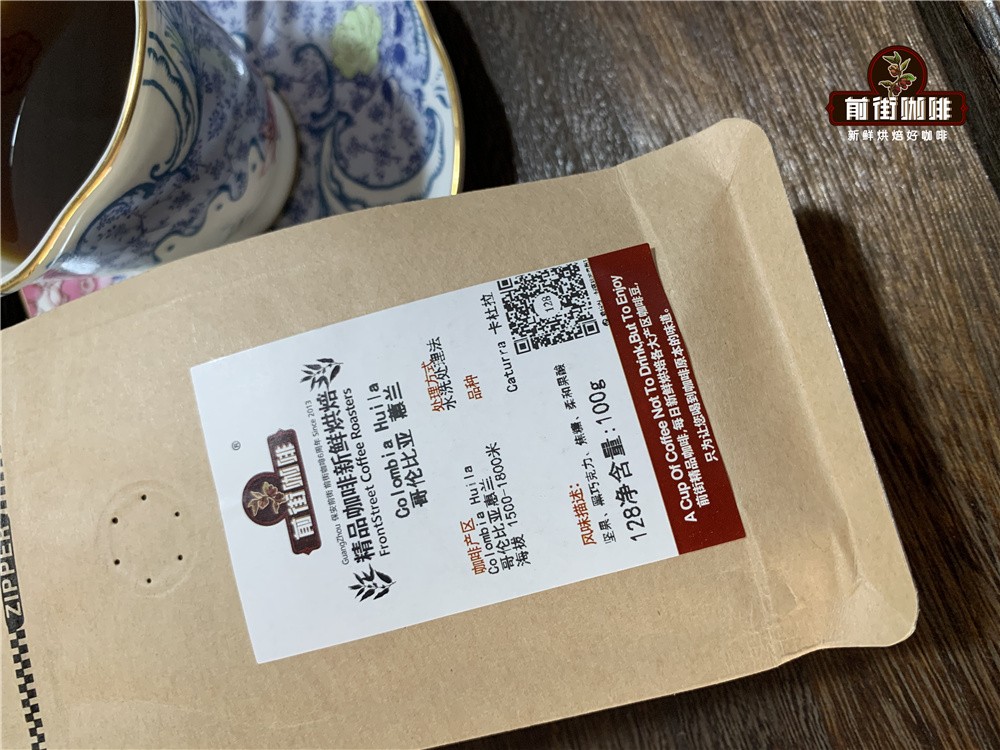
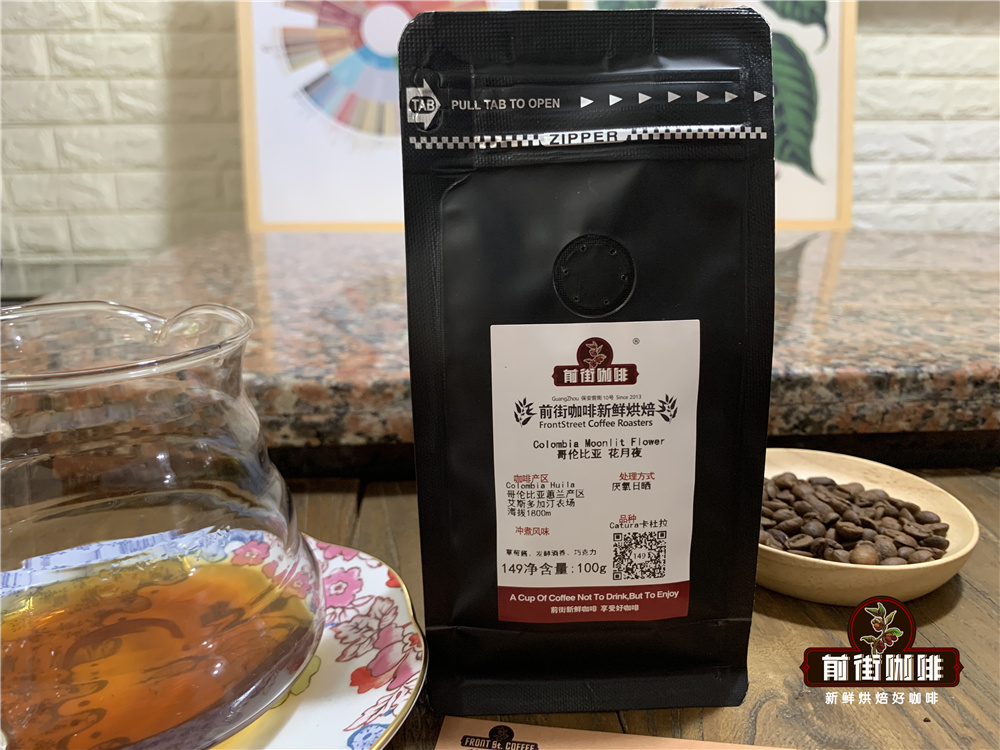
In the case of the Huila region, the most commonly grown varieties are Caturra and Catuai. Bolstered by high altitudes and volcanic soils, these varieties exhibit delicate berry acidity, roasted nut tones, and a pronounced caramel finish, with a full sweetness and distinct layering.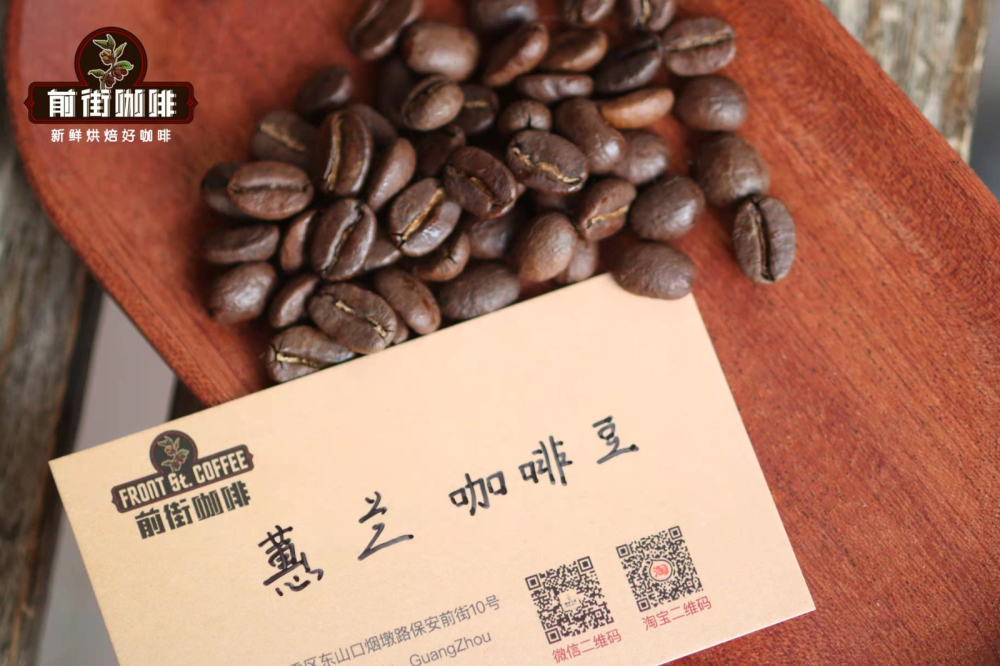
Colombia’s coffee processing methods are predominantly washed, thanks to the region’s abundant water resources and well-established processing infrastructure. Most family-run farms are equipped with dedicated green bean processing machines (such as Ecomill or Eco-Pulper), which not only improve efficiency but also help maintain stable quality. Although special processing methods such as anaerobic fermentation are on the rise, many smallholders still adhere to traditional washed processing to preserve the purest regional flavor characteristics.
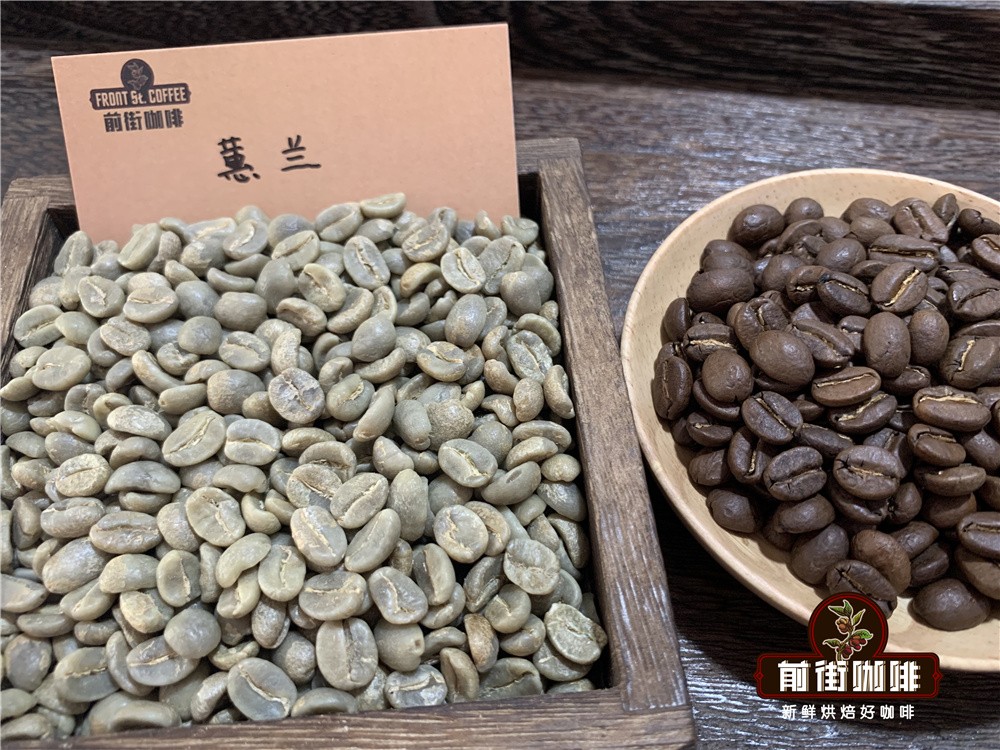
The main steps of the washed processing method for Huila coffee in Colombia are as follows: First, the harvested coffee cherries are soaked in water, where the buoyancy principle is used to separate defective beans—the ones that sink to the bottom are of better quality. Next, a pulping machine removes the outer skin and pulp, and the remaining mucilage layer is repeatedly rinsed with large amounts of clean water and undergoes about 18 hours of fermentation to fully break down the mucilage. After fermentation, the beans are washed again to remove the mucilage film. Overall, around 40 to 50 kilograms of clean water are required per kilogram of coffee beans. Finally, the beans are evenly spread out and dried by sun or machine until their moisture content drops to around 11%, after which they can be stored and exported.
For brewing recommendations, if choosing the pour over method, it is recommended to use a KONO filter cone, with a water temperature of 88°C and a coffee-to-water ratio of 1:15 (for example, 15 grams of coffee grounds to 225 milliliters of water). The grind size is suggested to have a 75% passing rate through a #20 sieve. A three-stage extraction method is advised: first, perform a 30-second bloom with twice the amount of coffee grounds in water (about 30 grams) to release carbon dioxide, then add water up to 125 grams and subsequently 225 grams, keeping the total extraction time around 2 minutes. This method helps enhance the coffee’s body and overall flavor balance.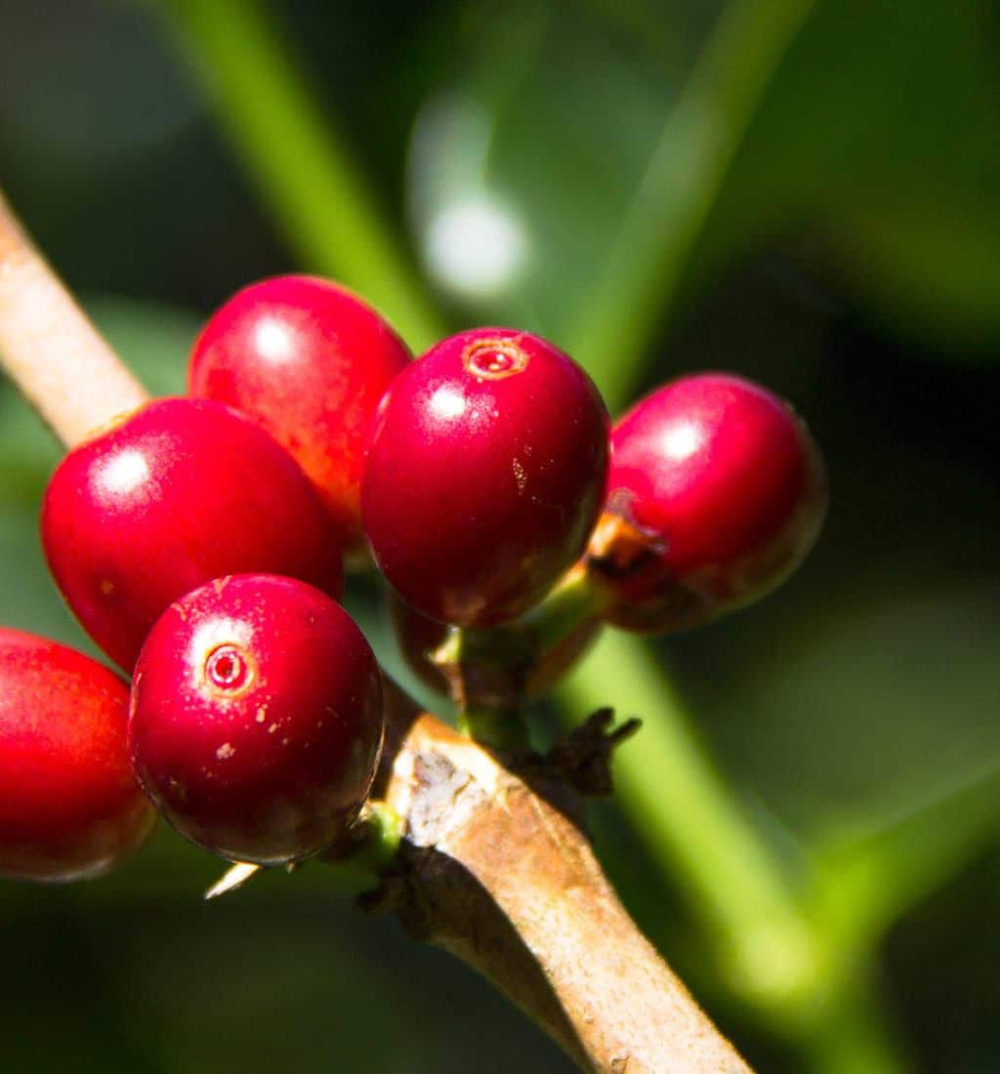
Once brewed, Huila coffee offers an initial distinct nuttiness, followed by a soft caramel sweetness in the mid-palate, and a finish with delicate cocoa notes and subtle acidity. Especially as the temperature slightly drops, the acidity becomes even more pronounced. Compared to the distinctive profiles brought by special processing methods, washed processing better highlights the regional terroir characteristics and balance.
In addition to washed beans, Colombia also produces various specialty processed coffees, such as anaerobic fermented and honey-processed coffees, which offer more experimental and layered flavor variations. Common complex aromas include strawberry jam, rose petals, and liquor chocolate, which are highly favored by coffee enthusiasts seeking innovative flavors. Moreover, Colombia’s decaffeinated coffee also performs exceptionally well. Processed using the Swiss Water method, it retains a rich flavor with lingering notes of dark chocolate and vanilla, making it suitable for those avoiding caffeine.
If you wish to use Huila coffee to make an SOE (Single-Origin Espresso), it is recommended to choose washed or naturally processed beans with stable quality. With appropriate grind settings and extraction parameters, you can fully showcase its nutty and caramel base while highlighting unique fruity layers. Taking a common shop extraction recipe as an example, using 20 grams of coffee grounds to extract 40 grams of espresso, with a 1:2 coffee-to-water ratio and an extraction time controlled between 26 to 32 seconds, you can achieve a balanced and expressive espresso base—ideal for further crafting drinks like hot Americanos or lattes.
In summary, Colombia’s Huila coffee, with its stable quality, diverse flavors, and versatility across multiple brewing methods, has become a top choice for both novice and advanced coffee enthusiasts. Whether you prefer the balanced richness of traditional washed coffee or wish to explore the innovative expressions of special processing methods, the Huila region offers a wealth of choices and experiences.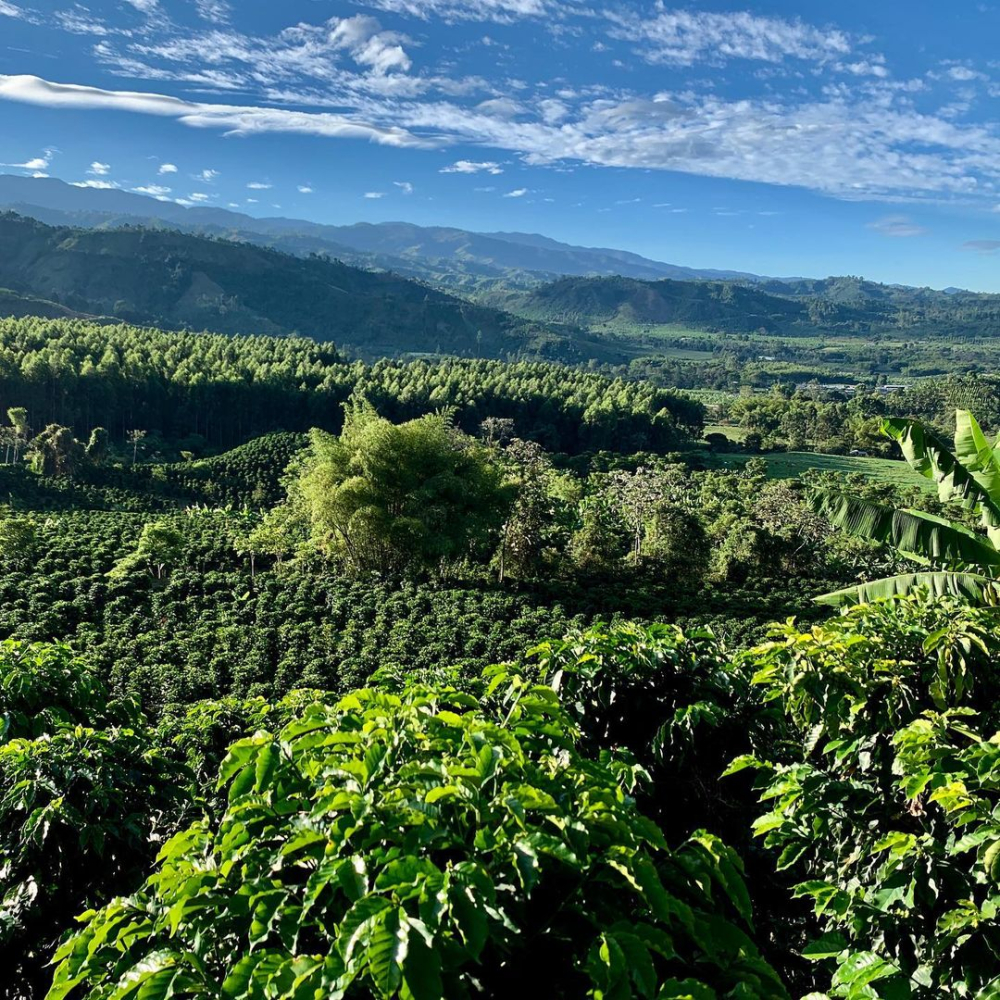
The above content is compiled by CoffeeHunters, a coffee news website.


