







Category: Coffee Knowledge
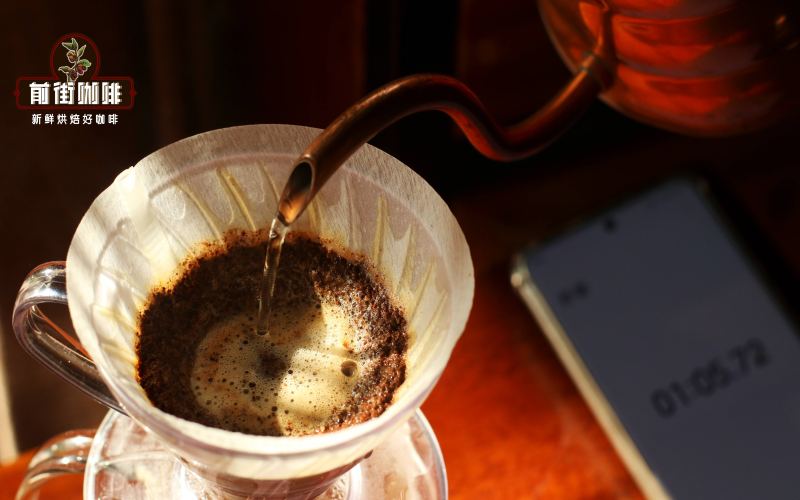
What’s the difference between pour over coffee and Americano? How to adjust the coffee-to-water ratio to get the best flavor
Pour over coffee and Americano are often mistaken for the same type of drink, but in fact they differ significantly in brewing methods, flavor expression, and strength control. This article will delve into how the coffee-to-water ratio affects the extraction and flavor layers of pour over coffee, compare the different ratios and traditional methods of Americano, and also provide practical tips for ordering pour over at Starbucks to help you find the coffee flavor that suits you best. [more…]
Complete Guide to Ethiopian Coffee Growing Regions: Flavor Profiles & Pour Over Recommendations at a Glance
As the birthplace of specialty coffee, Ethiopia boasts a rich diversity of growing regions and unique flavor profiles. This article will delve into the climate conditions, cultivated varieties, and cupping characteristics of major regions such as Sidamo, Harar, and Gimbi. It also explores the differences in acidity, body, and processing methods across regions, while providing practical pour over references and purchasing suggestions—helping coffee enthusiasts better understand how to select and brew their ideal Ethiopian beans. [more…]
A Complete Breakdown of the Six Structures of Coffee Cherries: How Processing Methods Influence Coffee Flavor?
The journey of coffee from seed to cup begins with a fruit that resembles a cherry. By understanding the six-layer structure of the coffee cherry — the outer skin, pulp, mucilage layer, parchment, silver skin, and endosperm — as well as how processing methods such as natural, washed, and honey processing target different layers, you can gain a deeper insight into the origins of various coffee flavors. This article will guide you step by step through the internal structure of the coffee cherry, revealing how processing methods critically impact the final flavor. [more…]
Complete Analysis of Flavor Differences in Costa Rica Geisha Pour Over at 90–93°C: A Practical Temperature Test
Want to understand how different water temperatures affect the flavor profile when brewing Costa Rica Goddess Estate Geisha using the pour over method? This practical test report conducts segmented extractions across four temperature ranges from 90°C to 93°C, using medium-fine grind and a 1:15 coffee-to-water ratio, to observe the transition from a full-bodied, high-temperature cup to a bright, low-temperature fruit-tea-like profile. Whether you're a beginner or an advanced enthusiast, you can find your own optimal brewing strategy through parameter settings and real taste comparisons. [more…]
How to distinguish between mocha and latte? Essential brewing tips and bean selection for coffee beginners
Both mocha and latte are classic specialty coffee drinks, but they differ significantly in flavor, recipe, and preparation method. This article provides a detailed breakdown of their core distinctions, including ratio, taste profile, and common ingredients, along with a clear and easy-to-follow mocha brewing guide. Whether you're just starting out or looking to refine your skills, you'll learn how to choose the right coffee beans and master the art of crafting a balanced and layered mocha. [more…]

A Complete Guide to the Three Major Commercial Coffee Varieties: Flavor Differences and Characteristics of Arabica, Robusta, and Liberica
Although there are many coffee varieties in commercial circulation worldwide, only three main ones truly dominate the market: Arabica, Robusta, and Liberica. These three coffees not only differ significantly in botanical characteristics, but their flavor profiles are also worlds apart. This article will delve into the origins, growing conditions, flavor profiles, and suitable brewing methods of these three major coffee varieties, helping you better understand every cup of coffee in your hand and make smarter choices based on personal preference. [more…]
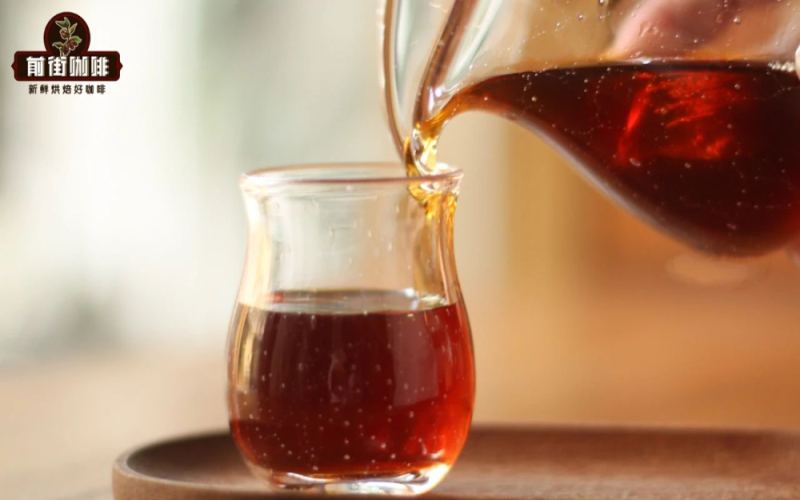
Colombia vs Guatemala Coffee Beans: An Analysis of Flavor, Region, and Processing Method Differences
Colombia and Guatemala are globally renowned specialty coffee regions, both celebrated for their high-quality washed beans, yet each showcases distinctly different flavor profiles. From the bright acidity of Huila coffee to the smoky aftertaste of Antigua region beans, this article will delve into the detailed differences between the two countries’ coffees in terms of growing environment, climate conditions, mainstream processing methods, and flavor characteristics—helping you choose the most suitable beans based on your taste preferences. [more…]
Analysis of Grind Size for Pour Over Coffee: A Flavor Comparison Experiment Using Ethiopian Sidamo Zhuma as an Example
Grind size is one of the key factors that influence the flavor of pour over coffee. This article uses Ethiopian Sidamo Zhuma (sun-dried, light roast) as a sample and conducts a comparative test with three different grind sizes to analyze their impact on extraction efficiency and flavor expression. From overly fine to slightly coarse grind settings, it explores how adjusting grind size can bring out the optimal flavor profile, helping coffee enthusiasts find parameters that suit their taste preferences. [more…]
How to adjust the grind size for pour over coffee? A real-world test of 3 grind levels on Sidamo Candlelight & their flavor differences
Grind size is the soul switch of pour over coffee flavor! This article takes Ethiopia sun-dried Sidamo Candlelight as an example, using three different grind sizes (BG-5I, BG-5T, BG-7D with China 20-mesh sieve passage rates of 75%/58%/43%) under identical conditions of 1:15 powder-to-water ratio and 90°C water temperature. From bitter and astringent off-flavors to layers of fruity aroma, it guides you to master the key technique of "how grind size affects extraction efficiency", with segmented pouring parameters and flavor... [more…]
Nanjing’s First Store Soft Launches!Suning Café Specialty Store Unveils 27 Drinks as Convenience Store Coffee Battle Heats Up
Suning Mini Store has opened its first standalone specialty café in Nanjing, testing the market with a “convenience store + coffee” model. It has launched a total of 27 drinks, covering classic coffee, tea beverages, and ice treats, priced between 12 and 28 yuan. Leveraging a nationwide network of over 5,000 stores and precise user data, Suning Café holds advantages in customer acquisition and operational efficiency. This article provides an in-depth look at its product strategy, store positioning, and the competitive landscape of the industry, offering insight into the new variables shaping the convenience store coffee scene. [more…]
The Future of Molecular Coffee? How Atomo Is Solving the Coffee Bean Problem with Technology
As climate change and pest threats put global coffee supplies at unprecedented risk, scientists are reconstructing coffee’s components through molecular technology to create “molecular coffee” that doesn’t rely on actual coffee beans. How does the Atomo brand preserve the aroma and flavor of coffee through technology—and can it pave a new, sustainable path for the industry? This article takes an in-depth look at its technological principles, flavor profile, and potential impact on the future market. [more…]

The Science Behind Espresso Crema Formation & Blended Bean Analysis | Extraction Parameters & Practical Guide to Four Key Flavors
The essence of espresso isn't just its intense, concentrated flavor—it's also that captivating layer of golden crema. This article delves into how crema forms under high-pressure extraction, explores the evolution of espresso machines, and breaks down the flavor profiles and actual extraction parameters of four classic blended beans from a renowned coffee brand. Whether you're a beginner or a barista looking to refine your skills, you'll gain key insights and details for achieving stable extractions. [more…]
In-depth Analysis of Colombian Rose Valley Coffee: Anaerobic Double Enzyme Washed Flavors and Pour Over Suggestions
Visiting the Grand Tree Estate in Colombia’s Santander region, we delve into how their renowned coffee “Rose Valley” achieves its richly layered fruit and floral notes through the anaerobic double enzyme washed process. This article details the origin environment, processing specifics, and offers practical flavor profiles and pour over recommendations to help you better appreciate the appeal of this popular specialty bean. [more…]

Complete Guide to Using a Moka Pot: Master Bean Selection, Grinding, and Techniques in One Go
The moka pot is a classic tool many coffee enthusiasts use at home to replicate the flavor of espresso, but brewing a cup with balanced flavor and rich body involves considerable know-how—from bean selection and grind size to operational details. This article dives deep into the extraction principles of the moka pot, suitable types of coffee beans, grind parameters, and usage tips to help you use the right method and consistently brew rich, captivating coffee. [more…]
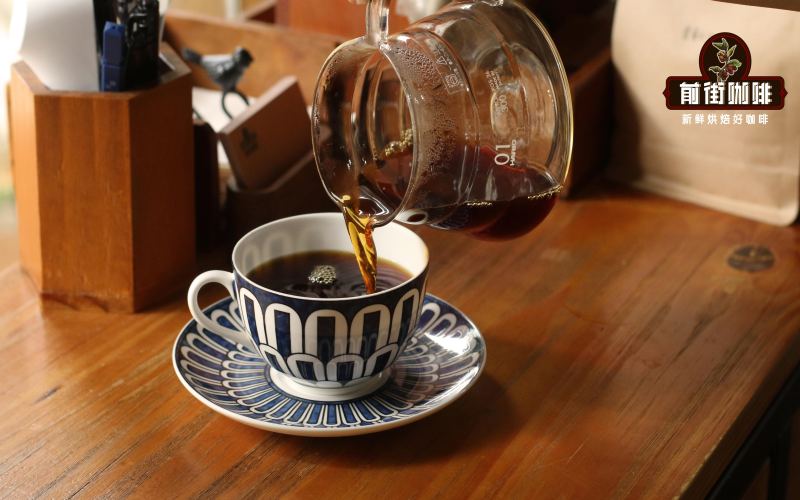
What’s the difference between drip bags and pour over coffee? A complete guide to brewing techniques and flavor comparison
Both drip bag coffee and pour over coffee are popular drip brewing methods, but they differ in terms of ease of use, equipment requirements, and flavor profiles. This article provides an in-depth analysis of their core differences—from key parameters such as grind size, water temperature control, and coffee-to-water ratio, to how different roast levels influence flavor. It also answers common questions such as whether you can brew them more than once or if they count as black coffee—helping coffee lovers choose the most suitable brewing method based on their needs. [more…]
The Journey from Seed to Cup: A Complete Guide to Specialty Coffee Processing, Roasting, and Pour Over
Want to dive deep into how a cup of specialty coffee is born? From planting the seed to the final extraction, the entire process can take up to three years. This article takes you through every key stage of coffee — from cultivation and harvesting, the three main processing methods (natural, washed, honey), defect sorting, green bean grading, to roasting and pour over extraction. We break down the critical parameters that influence flavor, helping you understand coffee better and appreciate its subtle nuances. [more…]
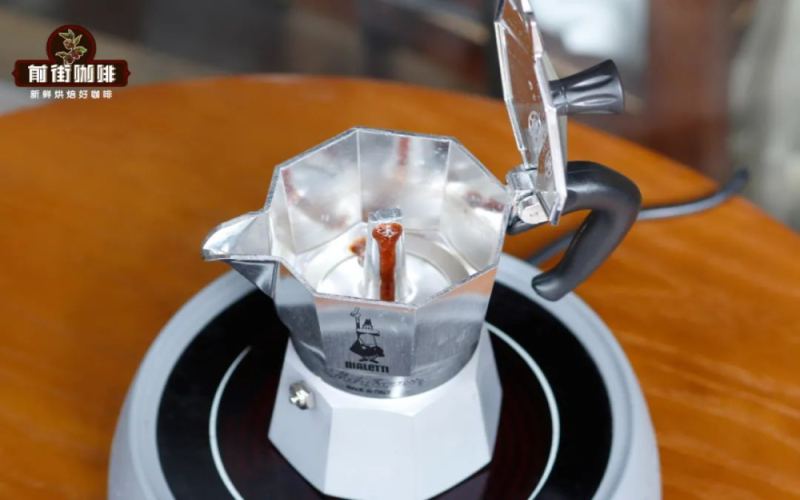
The Secret to Brewing Great Coffee with a Moka Pot: Principles, Crema & Bean Selection Fully Explained
The Moka pot is the starting point for many coffee beginners entering the world of espresso, but its operation and extraction logic are very different from that of regular drip coffee. This article dives deep into the pressurized extraction principles of the Moka pot, helping you master the key details, and recommends five highly-rated single-origin beans ideal for use with a Moka pot, so you can brew a rich cup of coffee with crema and layered flavor at home. [more…]

A Complete Guide to Espresso Tasting: From Crema to Aftertaste — Learn How to Understand Espresso
Espresso is renowned for its intense flavor and rich crema, making it a challenge for many coffee enthusiasts. This article delves into the extraction principles of espresso, its ideal flavor characteristics, and compares differences between dark roasts and specialty blends. Through practical tasting examples, we guide you from observing crema and identifying aromas to analyzing flavor layers—helping you master the correct way to enjoy espresso and enhance your understanding and appreciation of this concentrated coffee. [more…]

A Complete Guide to the Grading System of Ethiopian Gesha Village Coffee | How to Choose Between Auction, Gold, Red, Green, and Chaka Grades?
Gesha Village Estate is one of the few large-scale coffee farms in Ethiopia dedicated exclusively to cultivating the Gesha variety. Its grading system draws inspiration from the Hacienda La Esmeralda model and is divided into five main categories: Auction, Gold, Red, Green, and Chaka. This article provides an in-depth look at the definitions, production ratios, cupping profiles, and flavor characteristics of each grade, along with practical brewing and extraction recommendations to help you select the most suitable Gesha beans based on your preferences. [more…]

Mandheling pour over that’s not bitter or astringent! Extraction parameters and aging secrets for medium-dark roasted Sumatra beans
Mandheling is often mistakenly thought to have only a strong, bitter taste. However, by mastering the right roasting level, grind size, and pouring rhythm, you can highlight its rich, sweet Sumatran characteristics. This article explains the traits of the Mandheling bean variety, the advantages of medium-dark roasting, and provides a practical three-stage pour over method — including coffee-to-water ratio, water temperature control, and aging recommendations — so you can easily brew a classic Mandheling that is smooth, non-astringent, and boasts aromas of dark chocolate and caramel. [more…]