








Introduction:Colombia and Guatemala are globally renowned specialty coffee regions, both celebrated for their high-quality washed beans, yet they showcase distinctly different flavor profiles. From the bright fruity acidity of Huila coffee to the smoky aftertaste of Antigua-grown beans, this article will delve into the nuanced differences between the two countries in terms of origin environment, climate conditions, mainstream processing methods, and flavor characteristics—helping you choose the most suitable coffee beans based on your taste preferences.
Both Colombia and Guatemala rank among the world’s major specialty coffee origins, each with distinct flavor signatures and strong followings among coffee enthusiasts. However, upon closer tasting, their flavor directions actually differ significantly. Colombian coffee is characterized by a rich balance, bright acidity, and mellow sweetness, especially the washed beans from the Huila region; whereas Guatemalan coffee presents a more intense mouthfeel, deep chocolate notes, and often a unique smoky aftertaste, with the Antigua region being particularly iconic.
From regional geography, climatic environments, altitude, to processing techniques and representative offerings, this article will fully dissect the key differences between the coffees of the two countries, allowing you to grasp the essential characteristics of Colombian and Guatemalan coffee more deeply. Whether you're a pour over beginner or an advanced enthusiast, you can make the most suitable choice according to your personal taste inclination.

Colombia is located in the northwest of South America, with mountainous terrain throughout the country and significant altitude variation, leading to a diverse range of climate types—from tropical savanna to highland subtropical. Most of the country's coffee-growing areas are situated between 1,200 and 2,000 meters above sea level, particularly in southern regions such as Huila, Cauca, Nariño, and Tolima, which are important sources of specialty coffee. These areas not only boast fertile volcanic soils, but also receive annual rainfall of about 2,000 to 3,000 millimeters. With a mild and humid climate and multiple harvest windows throughout the year, they produce stable and diverse regional flavor profiles.
Colombia’s specialty coffee is known for its clear fruit acidity, full sweetness, and good body, with some micro-lots even carrying subtle hints of red wine and fruity tonalities. In recent years, the country has gradually shifted toward a production model centered around micro-regions, no longer relying solely on traditional bean grading, but rather gathering micro-lots through local smallholder cooperatives for cupping and selection, thereby showcasing the unique character of each area with greater precision.
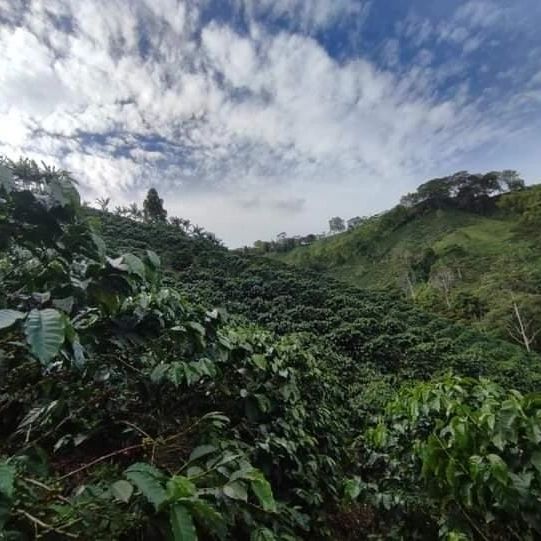
Take the Huila region of Colombia as an example. Located in the southern part of the Central Cordillera, with most plantings at elevations between 1,500 and 1,800 meters, it is one of the country’s most representative specialty coffee zones. The area benefits from a closed-off environment, stable water sources, and mountainous surroundings, where coffee trees mature slowly under frequent cloud cover and moderate day-night temperature variations—ideal for flavor compound accumulation. The washed Colombian Huila beans used here are a classic example of a washed single origin, featuring1500-1800m altitude, Caturra variety, washed process, and exhibiting a harmonious flavor profile of nuts, dark chocolate, caramel, and soft fruit acidity.
The so-called washed processing method involves first removing unripe beans and impurities from harvested coffee cherries using water tanks, then stripping the pulp with a depulper, leaving beans coated with mucilage. These are then soaked in fermentation tanks for 16 to 36 hours, where microbes break down the mucilage, followed by thorough rinsing with clean water, and finally drying via sun drying or mechanical means. This method highlights the cleanness and clear acidity of the coffee, serving as an essential foundation for evaluating the inherent flavor characteristics of the origin.
Turning to Central America’s Guatemala, its geographic environment is equally exceptional, with mountainous terrain covering over two-thirds of the country, including more than thirty volcanoes, especially in the western and southern regions. Though primarily tropical, the country’s high elevation results in a mild climate in the central highlands, with average annual temperatures around 18 to 28°C. The main coffee-growing belt lies between 1,300 and 1,800 meters, with most cultivation concentrated above 1,500 meters in volcanic soil regions. These soils are rich in minerals, conducive to both coffee tree growth and flavor development.
Guatemala’s coffee cultivation history dates back to the mid-18th century, initially introduced by missionaries, and gradually developed into a major export crop by the 19th century. The country’s coffee regions are subdivided into eight areas based on microclimates and terrain, including Antigua, Huehuetenango, Acatenango, San Marcos, etc., each with its own unique microclimate and soil traits.
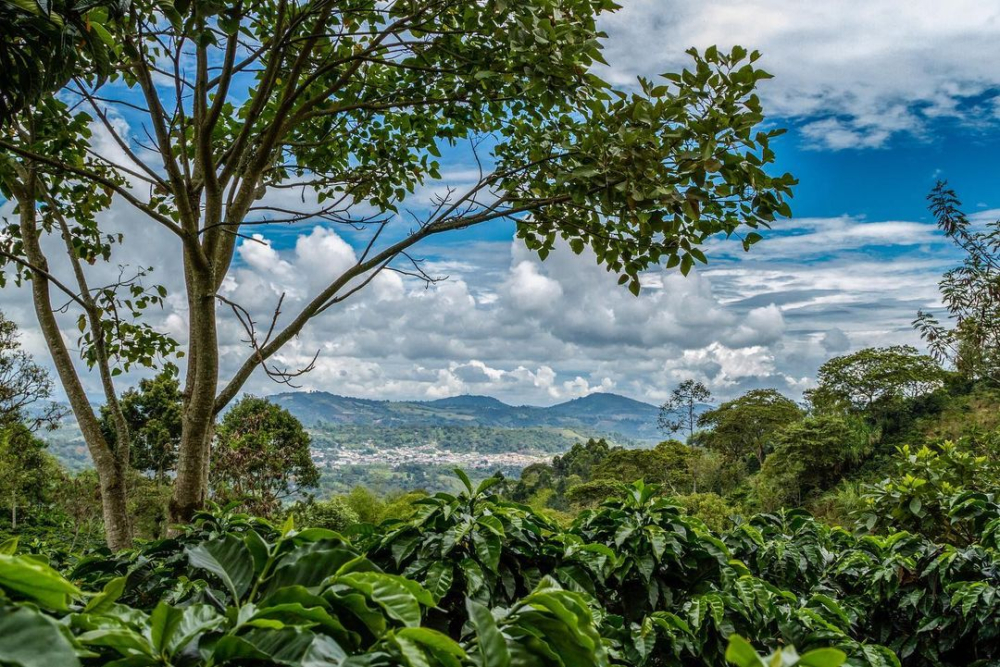
Among them, the Antigua region is hailed as the classic representative of Guatemalan coffee. It is surrounded by three volcanoes—Agua, Fuego, and Acatenango—with the latter still an active volcano that continuously enriches the surrounding soil with fresh minerals. This area exceeds 1,500 meters in elevation, with stable climate, moderate humidity, and persistent cloud cover, providing ideal growing conditions for coffee. The resulting coffee typically has a rich mouthfeel, abundant chocolate notes, and a slight smoky-like unique aftertaste, hence also referred to as “cigarette coffee.”
The selected Guatemalan Antigua Bourbon coffee beans come from the La Minita estate in this region, grown at approximately 1,200 meters altitude, with varieties including Caturra and Bourbon, also processed using the washed method. This coffee delivers a rich and full-bodied taste upon brewing, with pronounced chocolate and smoky aromas, a long and layered aftertaste, making it highly suitable for coffee lovers who enjoy deep flavors and strong lingering notes.
In summary, while both Colombian and Guatemalan coffees fall within the category of high-quality washed beans, they each excel in different flavor expressions. Colombian coffee is characterized bybalanced acidity and sweetness, delicate fruit notes, and nutty-chocolate tonalities, making it suitable for those who prefer refreshing and bright profiles; whereas Guatemalan coffee stands out withrich body, chocolate aroma, and a distinctive smoky aftertaste, appealing more to consumers who favor deep and complex tastes. Whether you’re just starting out or already experienced, understanding the unique personalities of these regions can help you find the cup of coffee that best suits your palate.

The above content is compiled by CoffeeHunters, a coffee news website.


