







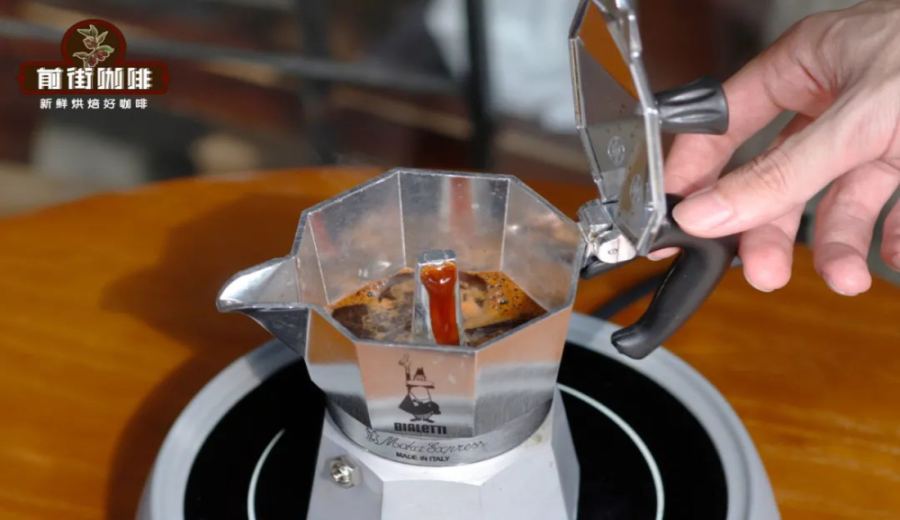
Introduction:The moka pot is a classic tool many coffee enthusiasts use at home to replicate the flavor of espresso, but brewing a cup with balanced flavor and a rich mouthfeel involves considerable expertise in bean selection, grind size, and operational details. This article delves into the extraction principles of the moka pot, suitable types of coffee beans, grind parameters, and usage tips to help you use the right method and consistently brew rich, captivating coffee.
The moka pot is an almost essential coffee appliance in Italian households and has gradually gained popularity among coffee lovers worldwide in recent years. This device uses heat to generate steam pressure, pushing hot water through a bed of coffee grounds to extract a coffee liquid that is rich in flavor and full-bodied in texture. Although compared to professional espresso machines, the moka pot operates at lower pressure and cannot produce the rich crema of espresso, its simple operation still delivers a drinking experience close to that of espresso.
Basic Structure and Extraction Principle of the Moka Pot
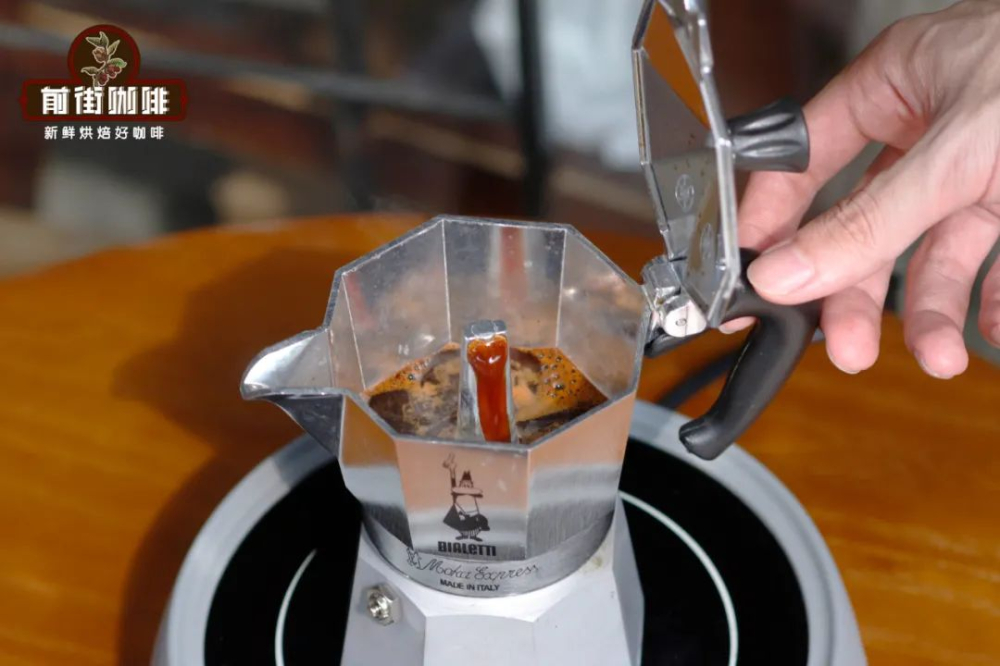
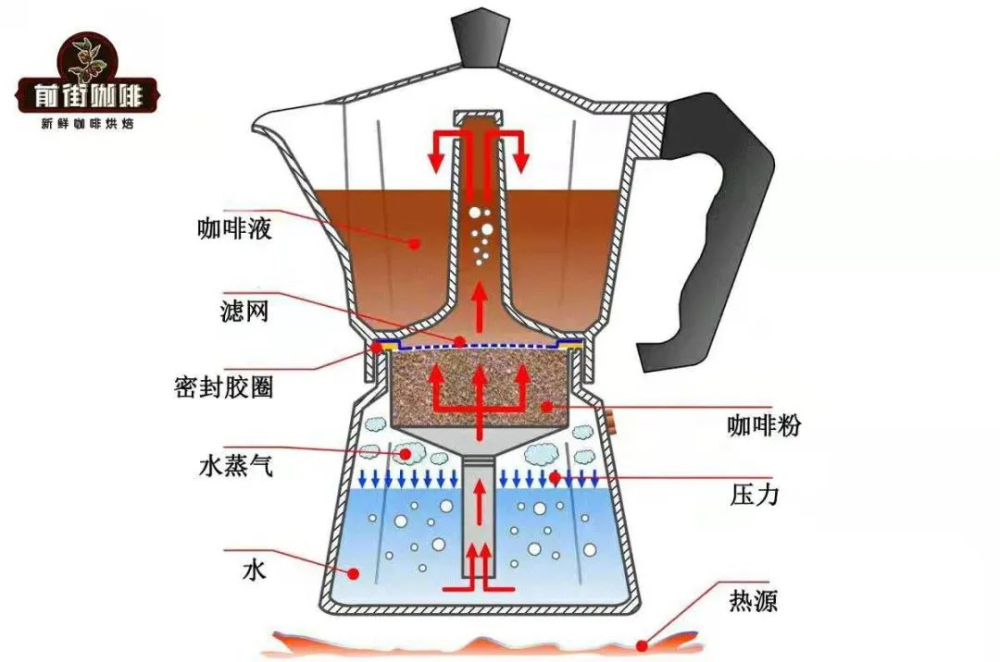
A typical moka pot consists of three parts: the lower chamber that holds water, the middle filter basket that holds the coffee grounds, and the upper chamber that collects the brewed coffee. When heated, the water in the lower chamber turns into steam, gradually building up pressure that pushes the water upward through the coffee grounds in the middle, eventually entering the upper chamber to form the brewed coffee. This process is similar to that of an espresso machine, both being high-pressure extractions, so coffee made with a moka pot is usually richer and more full-bodied than pour over coffee.
If you’re using a moka pot with a dual-valve design, the addition of a pressure relief valve can further increase extraction pressure, and the coffee’s crema performance is usually more pronounced as well.
Characteristics and Limitations of Moka Pot Coffee
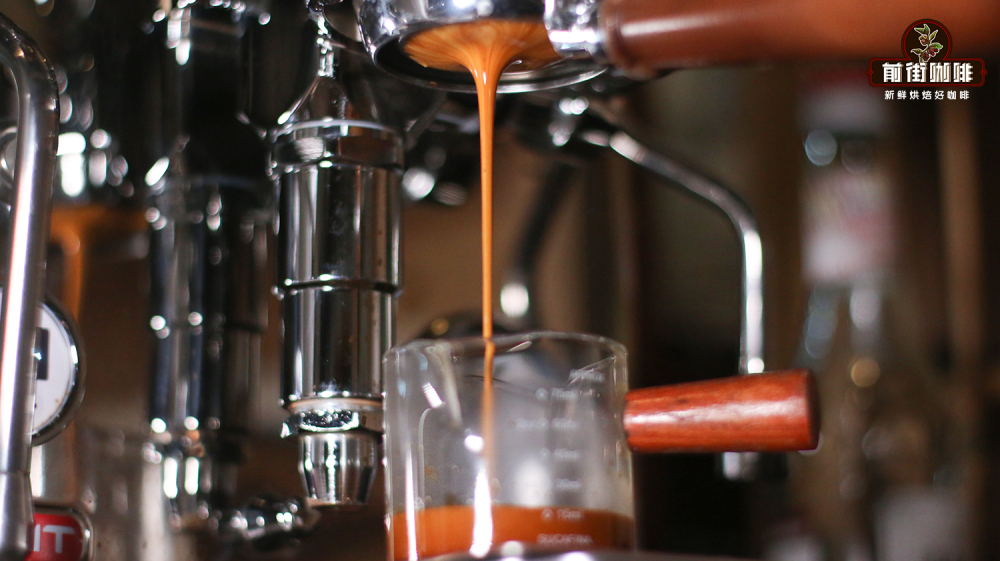
Although coffee made with a moka pot is rich, because the pressure is not as stable or high as that of a professional espresso machine, it strictly speaking cannot be called espresso, but is closer to the concept of “strong coffee.” In addition, if the pressure is insufficient or the grind is improper during extraction, over-extraction or uneven extraction can easily occur, affecting the overall flavor.
How to Choose Coffee Beans Suitable for the Moka Pot?
The high-pressure extraction characteristic of the moka pot makes coffee flavors more concentrated, so bean selection is especially important. Generally speaking,medium to dark roasted blendscan provide a balanced expression of acidity, sweetness, and bitterness, while single-origin beans can be chosen based on preference to highlight fruity, nutty, or chocolatey profiles.
Light-roasted beans, due to their pronounced acidity, can easily develop sharp sour notes under high-pressure extraction and are not recommended; overly dark-roasted beans may also bring excessive burnt bitterness and should be used with caution. Below are bean suggestions for different flavor preferences:
1. Balanced Blends
If you prefer a stable and layered mouthfeel, it is recommended to choosemedium to medium-dark roasted blend beans. These beans are usually a mix of coffees from different regions, blended by professional roasters to showcase rounded flavors such as caramel, dark chocolate, and nuts, and pair well with milk, making them suitable for making lattes or cappuccinos.
2. Fruity Profile Beans
If you enjoy bright fruitiness and vibrant acidity, you can opt for honey-processed or sun-dried medium-light roasted single-origin beans. These beans often carry notes of berries, floral, or citrus, but when using a moka pot, care should be taken not to use too light a roast to avoid excessive acidity. Ideal for coffee enthusiasts who like to explore unique flavors.
3. Nutty and Creamy Profile Single-Origin Beans
If you prefer rich creaminess, dark chocolate, or roasted nut flavors, it is recommended to choosemedium-dark roasted single-origin beans, such as Yellow Bourbon or specific Brazilian origin beans. These beans, when appropriately roasted, can exhibit noticeable sweetness and a rich oily body, performing exceptionally well when paired with milk.
Moka Pot Usage Tips and Precautions
To successfully use a moka pot, besides choosing the right beans,grind sizeis also key. It is recommended to control the particle size between0.3 to 0.55 millimeters, slightly coarser than standard espresso but not too fine to avoid channeling or over-extraction. For example, if using an EK43s-type grinder, you can set it to around 0.5.
For water, although cold water is commonly used, to prevent water from seeping into the filter basket before boiling during the initial heating stage, it is recommended to use room temperature water instead, which helps improve extraction stability.
When the moka pot starts to drip, if you notice the flow rate slowing down or the output being insufficient, you can continue extraction slightly using residual heat; however, if the upper chamber is nearly eight-tenths full, it is advisable to quickly remove the heat source and place the bottom of the pot on a cold towel to cool down to avoid over-extraction.
If you hear a whistling sound from inside the pot during heating but no coffee is coming out, it indicates excessive pressure or blocked channels, and you should immediately stop heating to prevent danger.
After each use, be sure to clean the coffee grounds and residual oils inside the pot, especially the filter plate, sealing gasket, and flow channels, to avoid residues affecting the flavor and pressure performance during the next use.
Regarding Coffee Bean Freshness
Although the moka pot is slightly less demanding on coffee freshness than pour over, to achieve the best flavor, it is recommended to use beans that have undergone a 4 to 7-day resting period after roasting, when the flavor is most stable and the aroma is at its fullest. If the beans have been roasted for more than two months, their flavor will likely have significantly diminished, and they are not recommended for moka pot extraction.
In summary, as long as you master bean selection, grind size, water temperature, and operational details, the moka pot can also brew coffee with captivating flavors and a rich mouthfeel, making it highly suitable for coffee lovers who enjoy espresso-like flavors at home.
The above content is compiled by CoffeeHunters, a coffee news website.


