







Introduction:The essence of espresso is not just about its intense concentration, but also the captivating layer of golden crema. This article delves into how crema forms under high-pressure extraction, explores the evolution of espresso machines, and breaks down the flavor profiles and actual brewing parameters of four classic blends from a well-known coffee brand. Whether you're a beginner or a barista looking to refine your skills, you'll gain key techniques and insights for achieving stable extractions.
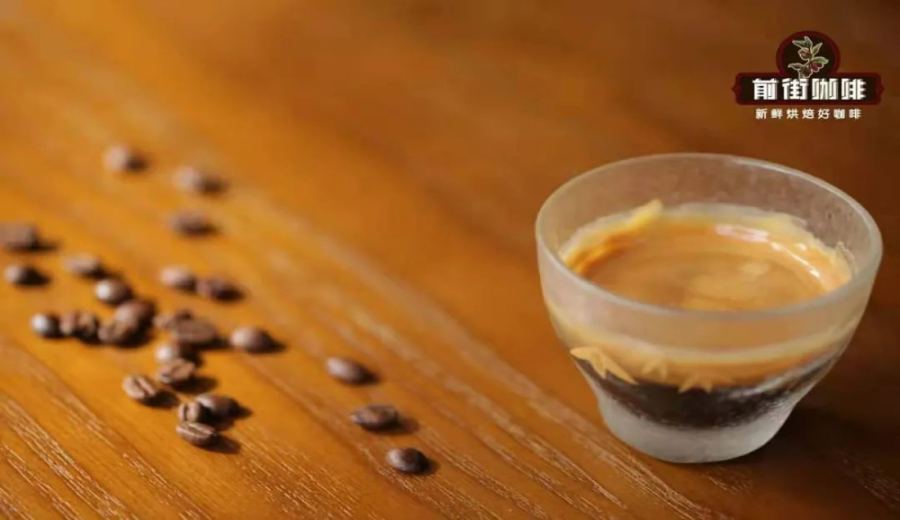
Although espresso has limited popularity in some markets, it is an indispensable part of Italian culinary culture. This coffee, brewed quickly under high temperature and pressure, not only saves time but is also widely loved for its rich and bold taste. One of its most iconic features is the fine, amber to dark brown layer of oils on the surface — crema. This layer not only affects appearance but also carries most of the coffee’s aromatic compounds.
The formation of crema is closely tied to the nine-atmosphere extraction environment. Under high pressure, water penetrates through finely ground coffee, rapidly dissolving soluble substances while emulsifying the coffee’s natural oils with water to form a stable foam layer. Additionally, freshly roasted coffee beans release large amounts of carbon dioxide, which, driven by pressure, integrates into the liquid, further contributing to crema formation. Generally, ideal crema thickness ranges between 4 to 5 millimeters; too thin or too thick may indicate issues with extraction conditions or bean freshness.

The birth of modern espresso is inseparable from the efforts of Italian engineers and baristas. As early as the beginning of the 20th century, the first prototype of an espresso machine was created, later improved by Milanese inventor Luigi Bezzera, who added separate brewing heads and portafilter designs, allowing baristas to control the extraction process more precisely. This type of "fast coffee" not only drastically reduced preparation time but also quickly swept across Europe with its intense flavor and spread worldwide along with Italian immigrants.
The flavor profile of a quality espresso is primarily determined by the coffee beans selected. To achieve a balanced and layered taste, many shops prefer using medium to dark roasted blends. By combining beans from different regions and processing methods in specific ratios, flavor deficiencies can complement each other, creating a base bean that is rich, sweet, and complex.
Below are four practically tested espresso blends suitable for different preferences:
Classic Bold Type — Commercial Espresso Blend
Composition: Robusta washed + Colombian washed + Brazilian semi-washed
Characteristics: The crema is rich golden yellow, with a distinct nutty and toasted flavor. The bitterness is rounded, and the finish has a creamy aftertaste. Suitable for those who enjoy a strong taste.
Mildly Acidic Bold Type — Dark Cocoa Espresso Blend
Composition: Yunnan washed small bean + Brazilian semi-washed
Characteristics: Yunnan beans provide a soft fruity acidity, paired with the bold base of Brazilian beans. Overall, it presents a harmonious combination of caramel sweetness, plum acidity, and nutty flavors. Ideal for users who prefer a balanced mildly acidic profile.
Balanced Rich Type — Premium Espresso Blend
Composition: Colombian washed + Brazilian semi-washed
Characteristics: Combines the berry notes of Colombian beans with the nutty profile of Brazilian beans, showcasing rich dark chocolate and caramel aromas. Suitable for those who enjoy a full-bodied taste and sweetness.
Delicate Winey Type — Sunflower Sunshine Espresso Blend
Composition: Ethiopian sun-dried red cherry (30%) + Honduran sherry cask (70%)
Characteristics: The dominant notes are intense dark chocolate and caramel, with a finish featuring distinct winey and vanilla layers. Whether enjoyed straight or with milk, it displays a rich variety of flavors.
To ensure optimal extraction, the coffee beans produced by this brand are shipped within five days of roasting. Upon receipt, they may still be in the degassing phase. It is recommended to let the beans rest for another 7–10 days after opening, until degassing is complete and they reach peak flavor. Brewing at this stage will yield more stable and rich results.
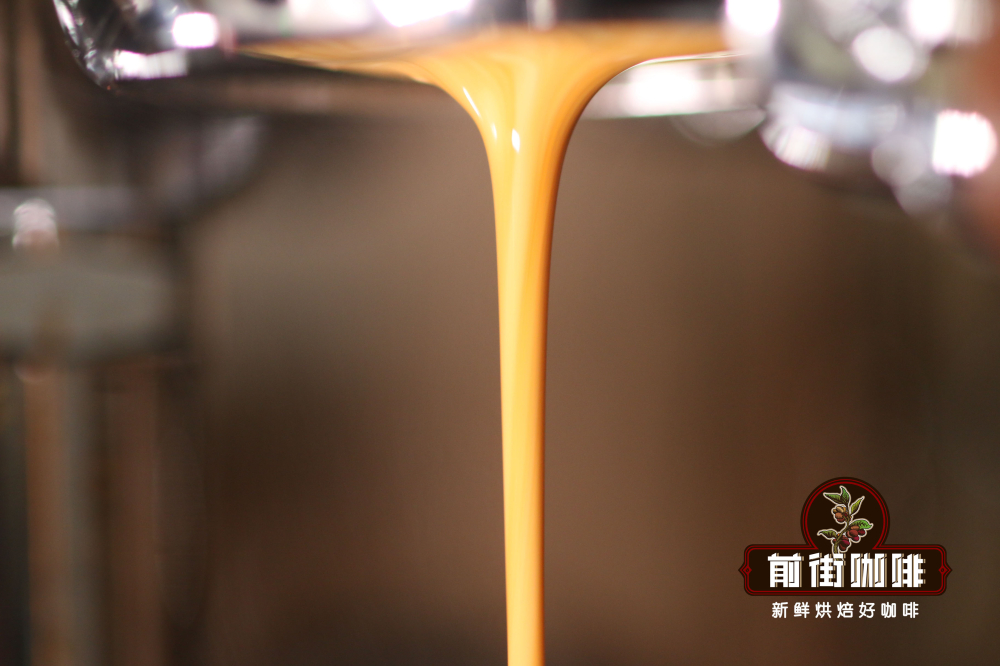
As the espresso extraction environment is extremely intense, any minor detail can greatly affect the final outcome. For beginners, the following parameters can serve as a starting point for adjustment: use 20 grams of coffee grounds, aim for a 1:2 brew ratio, i.e., extracting 40 grams of coffee liquid under 9 bar pressure, with a time frame of 25–30 seconds. If the taste is too light, consider grinding finer, increasing dose, or extending extraction time; conversely, if the taste is too bitter and the aroma is muted, try grinding coarser, reducing dose, or shortening extraction time to lower overall strength and intensity.
In addition, details during the extraction process must not be overlooked: including cleaning the portafilter and basket, using freshly ground coffee to prevent aroma loss, ensuring evenness and verticality when distributing and tamping, and observing flow rate, liquid color, and time changes during extraction. These are all crucial factors in adjusting and optimizing extraction quality.

The above content is compiled by CoffeeHunters, a coffee news website.


