







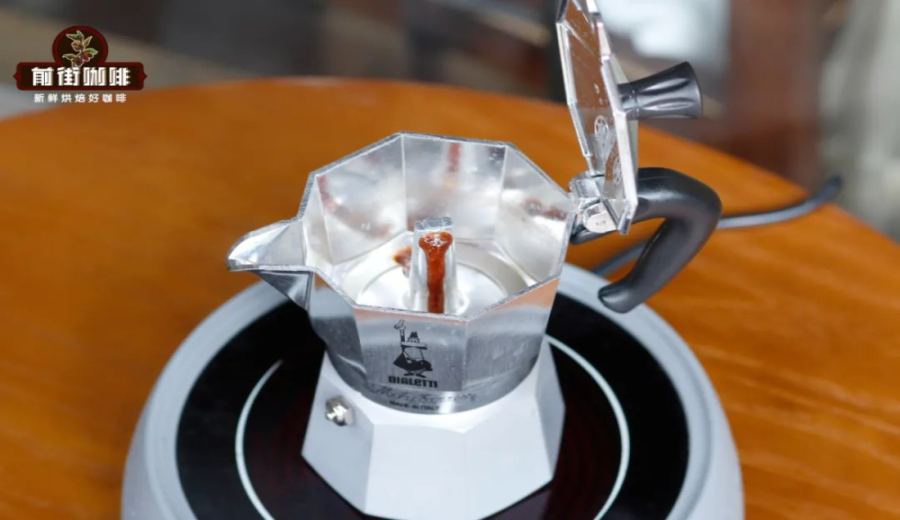
Introduction:The Moka pot is the starting point for many coffee beginners entering the world of espresso, but its operation and extraction logic differ greatly from typical drip coffee. This article delves into the pressurized extraction principle of the Moka pot, helps you master the key details, and recommends five highly-rated single-origin beans that are well-suited for use with the Moka pot—so you can brew a rich, oily, and layered cup of coffee at home.
Thanks to its simple operation and compact design, the Moka pot has long been a staple tool in the homes of coffee enthusiasts. Whether you're looking to experience a rich, espresso-like flavor or simply want a convenient everyday brewing method, the Moka pot delivers solid performance. However, to truly brew a thick, even crema-rich cup of good coffee, there's plenty to learn—from using the device properly to selecting the right coffee beans.
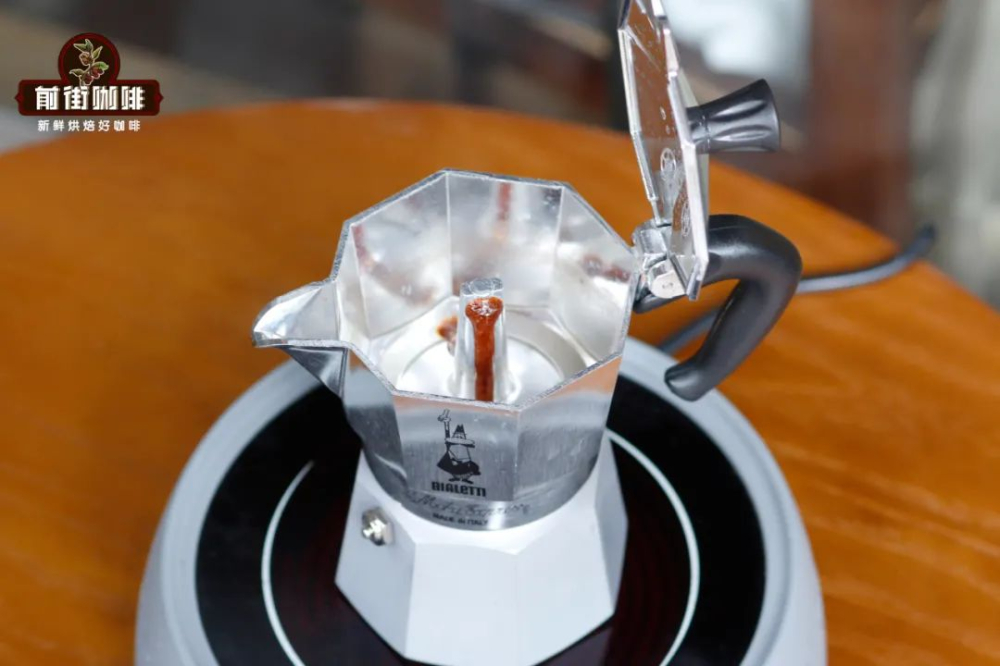
Many people wonder: is the Moka pot actually an espresso machine? The answer is: not exactly, but the extraction principles are similar. The Moka pot heats the water in the lower chamber, causing steam pressure to build up and push the hot water through the coffee grounds in the middle, then delivering the extracted coffee into the upper chamber. This pressurized extraction method results in more concentrated flavors and a richer mouthfeel. However, because the pressure in a Moka pot is generally lower than that of a professional espresso machine, the resulting coffee crema is usually less abundant and it cannot fully replicate the texture of true espresso.
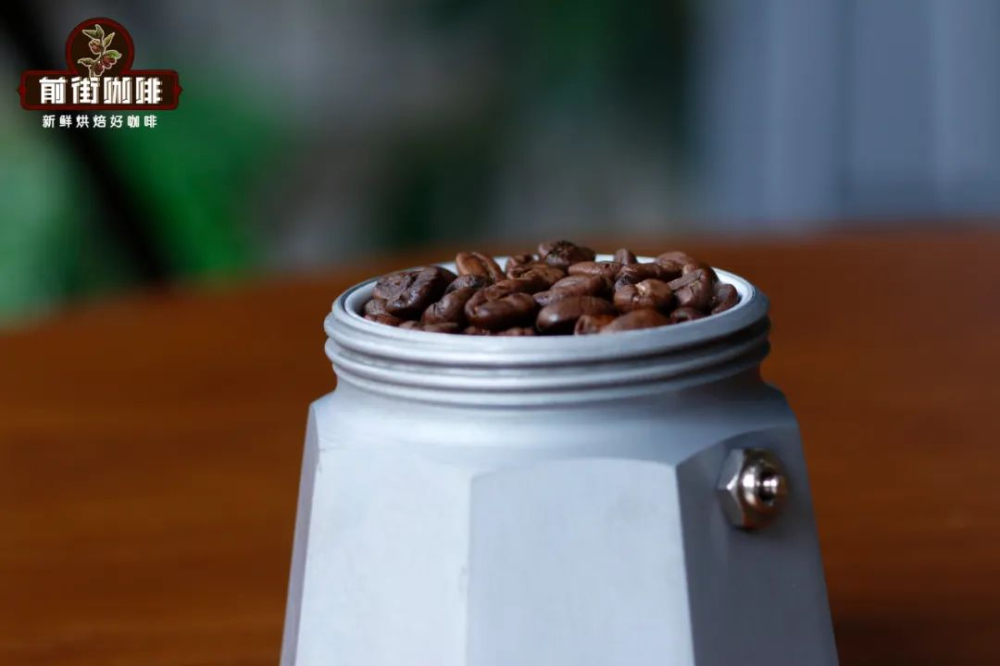
If you hope to enjoy a café-like espresso experience at home, choosing the right coffee beans is crucial. It’s recommended to select single-origin beans with intense flavors and notes of chocolate, caramel, or cocoa. These not only enhance the overall richness of the flavor but also help bring out a more complex taste profile. In addition,the freshness of the coffee beansis an important factor affecting extraction performance. It is recommended to choose beans roasted within 5 to 14 days for optimal flavor.
If you want to further enhance the richness and oiliness of your coffee, it’s suggested to usedark-roastedespresso blends, and ensure they are used within their best-before period. Dark roasting brings out a stronger balance of bitter and sweet, and helps release more aromatic and oily components under the high temperature and pressure conditions of the Moka pot.
To successfully brew a rich, oily coffee with a Moka pot, don’t overlook the operational details. First, it’s recommended to preheat the lower chamber with warm water. This not only shortens the overall extraction time but also prevents the coffee grounds from developing a burnt or bitter taste due to sudden high heat. The water level must be kept below the safety valve to avoid blockages that could cause abnormal pressure and potential danger. Additionally, grind size is key—the coffee grounds for a Moka potshould be finer than pour over but slightly coarser than espresso. It’s recommended to use a fine grind, close to the standard for espresso machines, but avoid going too fine to prevent over-extraction and channeling.
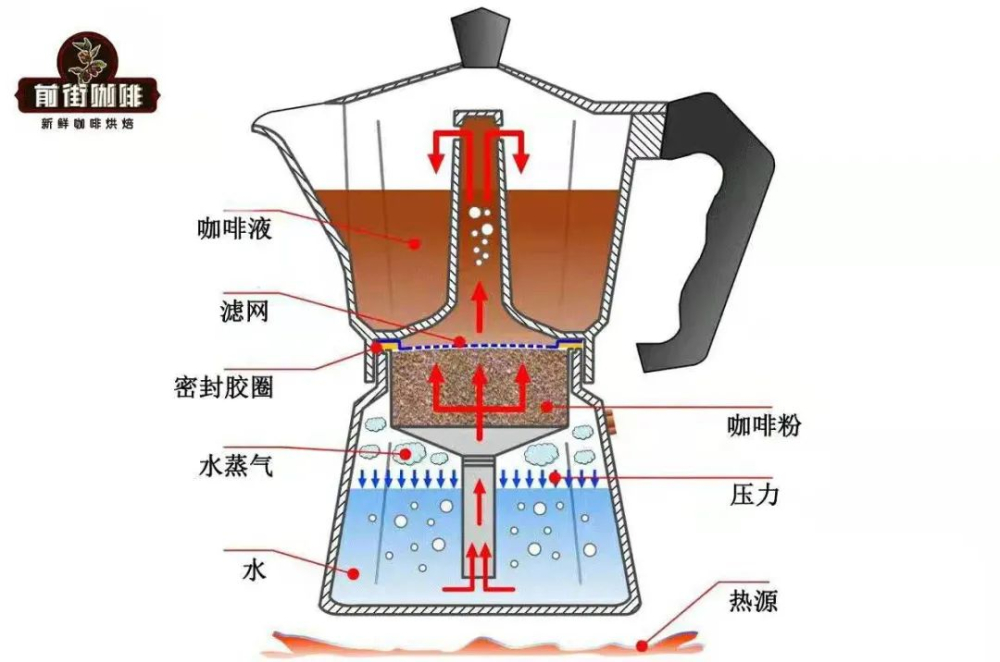
When filling the coffee grounds, simply spread them evenly and gently level the surface—there’s no need to tamp them down firmly. Over-tamping can obstruct water flow through the coffee bed, leading to uneven extraction or splattering. Then, tightly seal the upper and lower chambers and place the Moka pot on the heat source. If using an open flame, keep the flame confined to the base of the lower chamber to avoid directly heating the upper chamber, which can lead to uneven heating.
When you start to hear a hissing sound from inside the pot, it means the pressure is gradually building up. At this point, reduce the flame to low so the coffee liquid flows out slowly. Once the upper chamber is about half full, you can turn off the heat and let the residual heat finish the final extraction. This helps avoid over-extraction while preserving balanced flavors.
Once done, you may notice a thin layer of oil floating on the surface of the coffee in the upper chamber—this is one of the signs of a successful extraction. The aroma should carry rich notes of caramel or chocolate, and the flavor should offer a layered interplay of maltose, roasted nuts, and cocoa.
Besides traditional black coffee, the strong coffee brewed from a Moka pot also makes an excellent base for other drinks. You can dilute it with water to make a refreshing Americano, or add hot milk to create a simple latte. For added flavor, you can also try adding a bit of cream, condensed milk, or cocoa powder to create your own signature coffee.
If you’re looking for coffee beans suitable for use with a Moka pot, consider the following five recommendations: including Golden Mandheling with flavors of dark chocolate and spices, Brazilian Queen Estate with prominent nutty notes, Colombian Huila with intense chocolate aroma, Yunnan Small-Leaf with a blend of traditional flavors and caramel, and PNG Bird of Paradise with a balanced taste suitable for various brewing methods. These beans not only feature standout flavors but also perform exceptionally well under the high-pressure environment of a Moka pot.
The above content is compiled by CoffeeHunters, a coffee news website.


