







Introduction:Pour over coffee and Americano are often mistaken for the same beverage, but in reality, they differ significantly in brewing methods, flavor profiles, and concentration control. This article will delve into how the coffee-to-water ratio affects the extraction and taste layers of pour over coffee, compare it with different Americano formulations and traditional practices, and also provide practical tips for ordering pour over at Starbucks to help you find your ideal coffee flavor.
Many people often confuse pour over coffee with Americano, but these two types of coffee actually differ markedly in brewing methods and flavor presentation. From extraction principles and coffee-to-water ratios to final taste profiles, the differences are quite substantial. This article explores, through real-life examples and comparative experiments, the specific impact of the coffee-to-water ratio on coffee flavor, and analyzes changes in concentration and extraction yield under different ratios. Additionally, it explains the orthodox definition of Americano, common formulations, and how to adjust ratios based on different coffee beans to find the most suitable option for your taste. It also covers ordering tips for pour over coffee at Starbucks.
One of the most frequently asked questions by baristas is: how do you brew pour over coffee to make it taste good? In fact, there’s no one-size-fits-all answer, because the flavor of pour over coffee is influenced by multiple variables, including water quality, water temperature, grind size, coffee-to-water ratio, and extraction time. Among them,the coffee-to-water ratiois the most directly influential factor — that is, the ratio of the weight of coffee grounds to the total amount of water poured. Generally speaking, the smaller the coffee-to-water ratio, the stronger the coffee; the larger the ratio, the lighter the coffee.
In practical operation, the recommended range for the coffee-to-water ratio is usually 1:14 to 1:18. For example, using a 1:15 ratio means 15 grams of coffee grounds with 225 grams of water. This range can accommodate the characteristics of most coffee beans and is also a common standard for shop-brewed coffee.
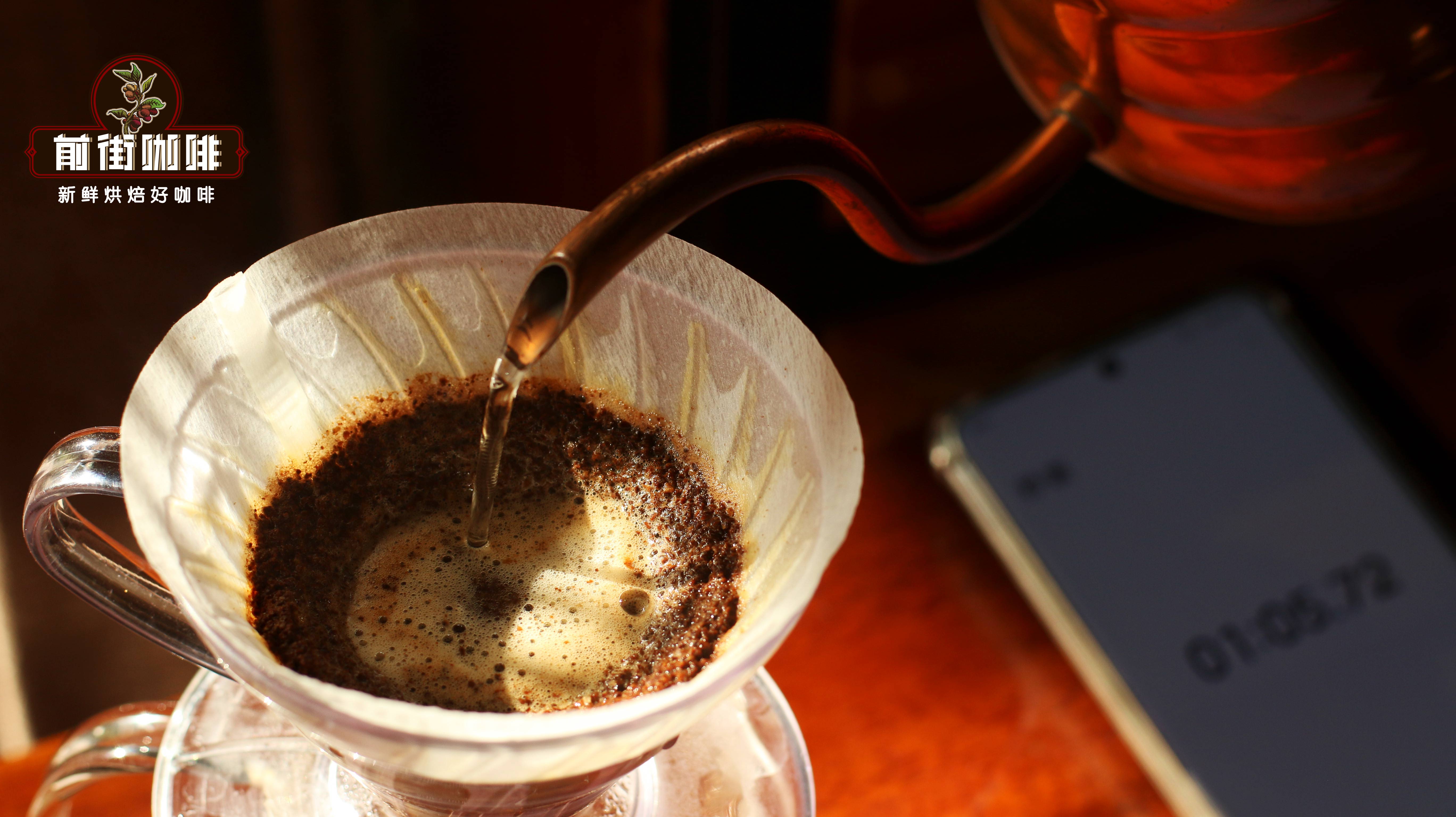
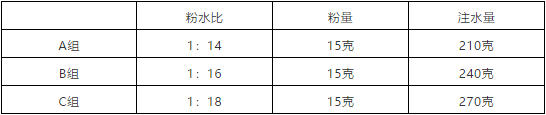
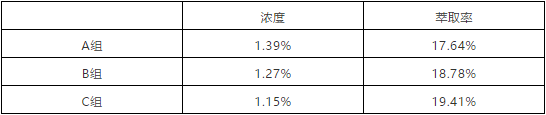
So, how does the coffee-to-water ratio affect the taste of coffee? Keeping all other conditions the same, an experiment was conducted using Ethiopian Yirgacheffe Red Cherry Project natural process beans, brewed at 1:14, 1:16, and 1:18 using three different coffee-to-water ratios. The V60 dripper was used, water temperature was controlled at 90°C, grind size was medium-fine (approximately 80% passing through a standard 0.85mm sieve), and a three-pour method was applied with 30 grams of bloom water for 30 seconds, with only the total pouring volume adjusted as the variable.
The experimental results showed that as the coffee-to-water ratio increased — that is, as more water was poured — the concentration of the coffee liquid decreased noticeably. This is because concentration refers to the proportion of dissolved coffee substances in the total liquid. When the denominator (total water volume) increases, even if the numerator (extracted substances) also increases, the increase does not outpace the denominator, resulting in an overall drop in concentration. However, since more water extracts more soluble substances,the extraction yield actually gradually increases. In addition, increased pouring volume also extends the overall extraction time, further boosting the extraction yield.
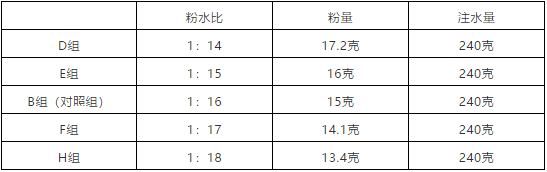
However, besides the coffee-to-water ratio and pouring volume,grind size also affects water flow rate and extraction efficiency. To observe the impact of the coffee-to-water ratio more precisely, the research team conducted another set of four experiments, this time altering the coffee-to-water ratio by adjusting the weight of the coffee grounds while keeping the pouring volume constant. The results are also worth referencing.
In this set of experiments, the amount of coffee grounds was changed, but the total pouring volume remained fixed, aiming to observe how flavor and concentration change when the number of extractable “sites” varies. Simply put, the more coffee grounds there are, the more contact and extraction points are available for water, which allows more flavor substances to be released under the same pouring volume, making the coffee taste stronger. Conversely, if the amount of coffee grounds is too small, even a high water ratio may fail to fully extract the complete flavor, resulting in a thin taste.
Based on the comprehensive experimental results, several practical conclusions can be drawn: First,the larger the coffee-to-water ratio, the lighter the coffee flavor; the smaller the ratio, the stronger the flavor. Second, if you try to increase the coffee-to-water ratio by adding more water, although more types of substances can be extracted, the overall taste becomes more diluted. On the other hand, reducing the pouring volume to lower the ratio results in a more concentrated and intense flavor. Furthermore, if you adjust the amount of coffee grounds instead of the pouring volume, a higher coffee amount leads to fuller extraction but risks over-extraction, while too little coffee may lead to under-extraction. Proper adjustment is key to achieving balance.
After discussing the coffee-to-water ratio of pour over coffee, let’s shift our focus to another common type of coffee — Americano. Americano, in English, generally refers to black coffee made by diluting espresso with water, and it differs from traditional drip coffee. In most coffee shops, Americano is typically made by adding 480 ml of water to a double shot of espresso (about 60 ml), with a ratio of about 1:8, though this can vary depending on cup size.

However, this traditional 1:8 ratio is not necessarily suitable for all coffee beans. For example, using the Sunflower Warm Sun blend (a mix of Honduran sherry cask and sun-dried Yirgacheffe), when prepared at a 1:8 or 1:7.5 ratio, the sherry cask’s wine-like aroma and richness almost disappear, leaving a rather flat flavor with a concentration of only 0.77% to 0.85%. In contrast, ratios of 1:6.5 and 1:7better highlight the wine notes and fruity acidity. Therefore, it is recommended that both consumers and shops adjust the ratio flexibly based on the characteristics of the beans.
So, how do you find the most suitable Americano ratio for your coffee beans? The most practical method is to gradually add water and taste repeatedly to find the optimal range. For example, start by extracting a double shot of espresso (e.g., 40 grams of coffee liquid), then begin with a 1:4 ratio (adding 160 ml of water), gradually increasing the water and tasting — for instance, adding 20 ml more to adjust to 1:4.5, and so on — until you find the water ratio that best showcases the coffee’s layers. Note that each tasting consumes some coffee liquid, so the final ratio may still need fine-tuning, but this method effectively narrows down the suitable range.
Finally, let’s talk about the taste difference between espresso and Americano. Espresso is extracted quickly using extremely fine grind, high pressure, and high temperature (around 90–93°C, 9 bars), resulting in a highly concentrated flavor with distinct acidity, sweetness, and bitterness. Americano, on the other hand, is made by diluting espresso with water, resulting in a softer taste with more easily discernible flavor layers, enjoyable from the first sip to the last. Compared to milk-based drinks like lattes or cappuccinos, Americano better highlights the unique character of the coffee bean, making it a more rewarding choice for those who enjoy pure coffee flavors.
The above content is compiled by CoffeeHunters, a coffee news website.


