







Introduction:Both drip-brewed coffee using filter bags (hanging ear coffee) and manual pour-over are popular brewing methods, but they differ in terms of ease of use, equipment requirements, and flavor profiles. This article delves into their core differences — from key parameters such as grind size, water temperature, and coffee-to-water ratio, to how different roast levels influence flavor — and answers common questions such as whether you can brew twice or if it counts as black coffee. It helps coffee enthusiasts choose the most suitable brewing method based on their needs.
Hanging ear coffee combines convenience with decent extraction quality, making it the go-to choice for many busy professionals and frequent travelers. But upon closer inspection, there are multiple differences between hanging ear coffee and traditional manual pour-over — whether in equipment preparation, brewing steps, or the final coffee flavor — all of which are worth exploring. This article will provide a comprehensive comparison of these two widely loved drip brewing methods, based on real-world brewing experience.
As coffee culture becomes more widespread in Chinese-speaking regions, an increasing number of consumers are no longer satisfied with the monotonous taste of instant coffee and are seeking a more nuanced coffee experience. For those who want to enjoy specialty coffee at home but find manual pour-over too complicated, hanging ear coffee offers a relatively simple compromise. However, even though it has a lower barrier to entry, mastering the correct brewing techniques can still significantly enhance its flavor profile.
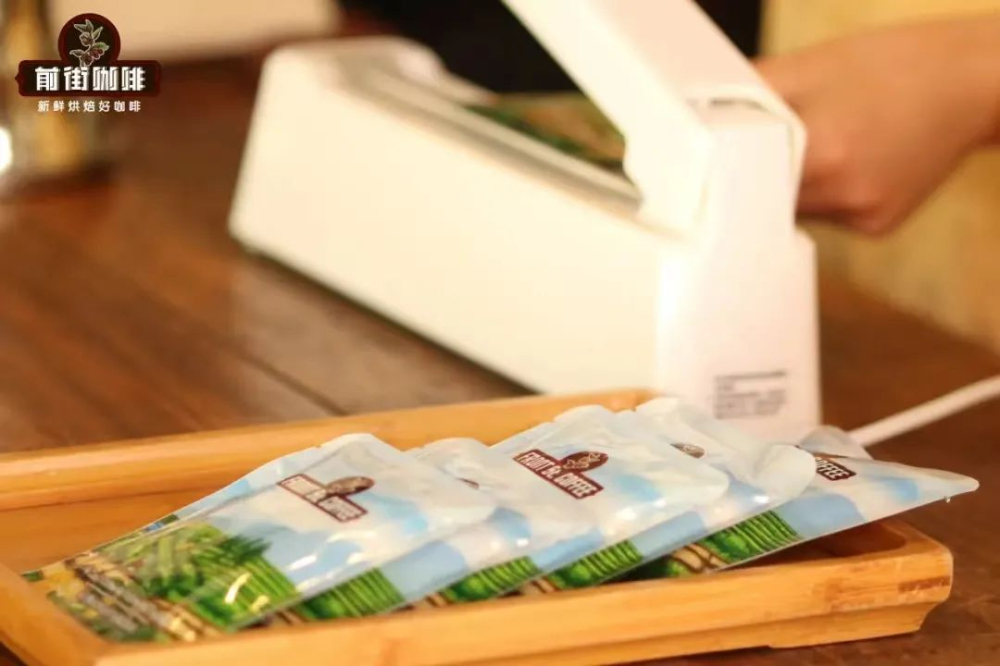
Before diving into a detailed comparison, let’s first look at the basic definitions. Hanging ear coffee typically consists of pre-ground coffee packed in a non-woven filter bag, equipped with two ear-like holders that allow the user to hang it over a cup like a paper filter dripper, then pour hot water through it. Manual pour-over, on the other hand, requires tools such as a pour-over kettle, filter dripper, and grinder, and it is generally recommended to grind coffee beans just before brewing to preserve optimal flavor.
Before brewing, preheating the cup is a commonly overlooked yet impactful step for flavor. Preheating your brewing vessel with hot water helps maintain the temperature of the coffee liquid, preventing the rapid loss of aroma and flavor due to a cold cup during the high-temperature phase. Then comes the choice of water temperature, which is often one of the key factors affecting extraction results. Generally speaking,dark roasted coffee beans are recommended to be brewed at 86–89°C, whilelight roasted beans suit 90–93°C. These temperature ranges help fully bring out the unique flavor characteristics of different roast levels.
The brewing method for hanging ear coffee is actually very similar to manual pour-over and can be seen as a “portable pour-over.” The recommended brewing steps begin with blooming — using about twice the amount of hot water compared to the coffee grounds. That means if you have around 10 grams of coffee, use 20 grams of water for blooming, pouring evenly from the center outward to allow the coffee grounds to fully expand and release CO₂. This step is crucial for subsequent flavor extraction, helping the coffee release aromatic molecules more effectively.
After blooming, continue pouring water steadily in a circular motion from the center outward until you reach the target water volume. If you don’t have a scale, you can pre-mark your cup’s capacity as a reference. The coffee-to-water ratio is a key parameter that affects the strength and mouthfeel of the coffee. Too much water can result in a thin or “watery” flavor, while too little can make the coffee overly strong and heavy. An appropriate ratio balances extraction and highlights the coffee’s multi-layered flavors.
So, what are the core differences between hanging ear coffee and manual pour-over? The primary difference lies in equipment and ease of use. Manual pour-over requires tools such as a dripper, kettle, and grinder, which may seem a bit complex for beginners. In contrast, hanging ear coffee only needs the filter bag and hot water, allowing you to enjoy drip coffee anytime, anywhere. Moreover, the coffee in hanging ear bags is usually pre-ground. Though it has a shorter shelf life, it’s convenient for immediate use. Manual pour-over, on the other hand, is best brewed with freshly ground beans right before use to preserve the coffee’s full aroma and flavor.
Addressing common questions: Can you brew hanging ear coffee more than once? The answer is no — it’s not recommended. The first brew already extracts most of the easily soluble flavor compounds. The second brew not only delivers significantly diminished flavor, but the taste often turns watery and astringent. While it won’t harm your health, it’s not ideal from a drinking experience standpoint. As for whether hanging ear coffee is considered black coffee — the answer is yes. It consists solely of ground coffee and hot water, without any added milk or sugar, making it pure black coffee.
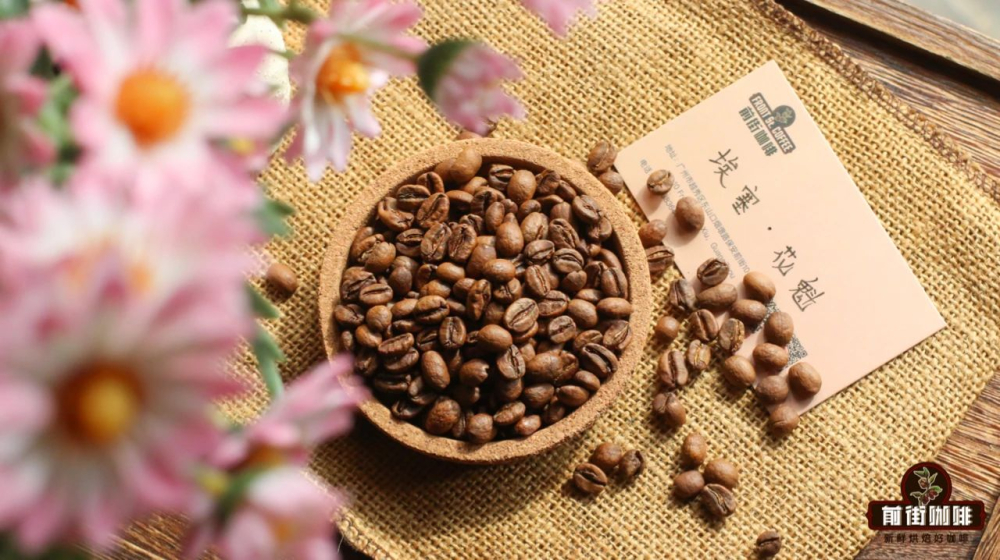
Finally, for coffee lovers with different flavor preferences, you can choose suitable hanging ear coffee based on roast level. Those who prefer bright, fruity, and floral notes can opt for light roasted hanging ear bags, which feature vibrant acidity and a refreshing taste. Meanwhile, those who enjoy rich, bold flavors may select medium to dark roasted hanging ear coffee, which often showcases aromas of nuts, caramel, and chocolate. By understanding these differences and techniques, whether you choose hanging ear or manual pour-over, you can more confidently enjoy a high-quality cup of drip coffee.
The above content is compiled by CoffeeHunters, a coffee news website.


