








Introduction:Although there are many commercially available coffee varieties around the world, only three main types truly dominate the market: Arabica, Robusta, and Liberica. These three coffees not only differ significantly in their botanical characteristics, but also exhibit vastly different flavor profiles. This article will take an in-depth look at the origins, growing conditions, flavor profiles, and suitable brewing methods of these three major coffee varieties, helping you better understand every cup of coffee in your hand and make smarter choices based on your personal preferences.
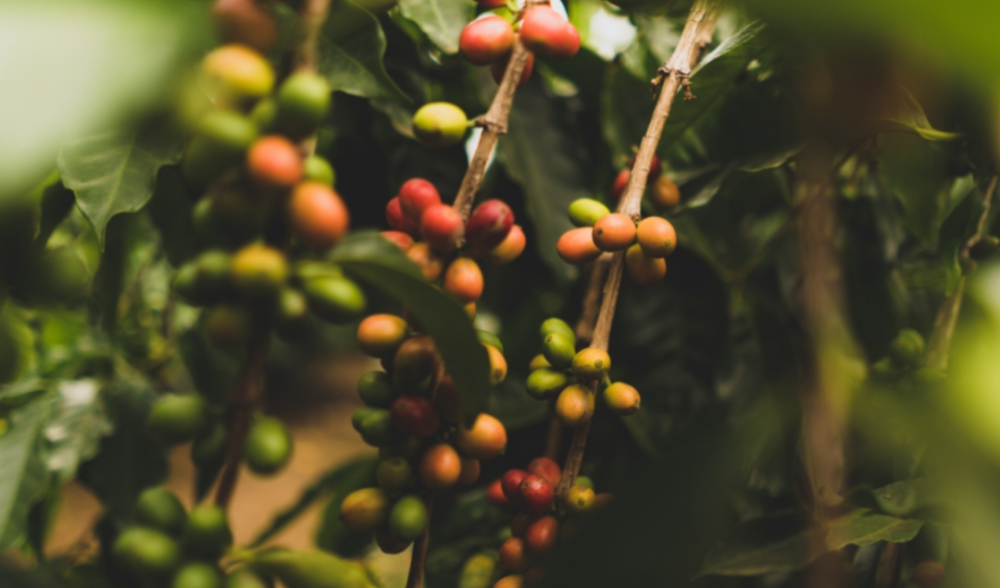
The world of coffee is actually far more diverse than what we encounter in our daily lives. From a botanical classification perspective, there are over sixty known species of coffee plants worldwide, with about twenty-five having been artificially selected and actually cultivated. However, among these many varieties, only three main types truly possess commercial value—able to be stably produced in large quantities and widely circulated in the market: Arabica, Robusta, and Liberica. Each of these coffees has its own unique traits, differing greatly not only in appearance and growing environment requirements but also in the flavors they ultimately present in the cup.

Among them, Arabica is the most well-known and popular coffee variety, accounting for approximately 60% to 70% of the world’s total coffee production. It originates from the highlands of Ethiopia and thrives in cool, high-altitude environments, typically grown at elevations between 1,000 and 2,000 meters. Due to its relatively stringent growing conditions, its yield is comparatively low, but its flavor is extremely delicate, often featuring pronounced fruit acidity, floral notes, and sweetness. It is the preferred choice for many specialty coffees and pour over brews. Ideal for coffee lovers who seek layers of complexity and nuanced flavors, it is also the base bean variety recommended by most third-wave coffee shops.
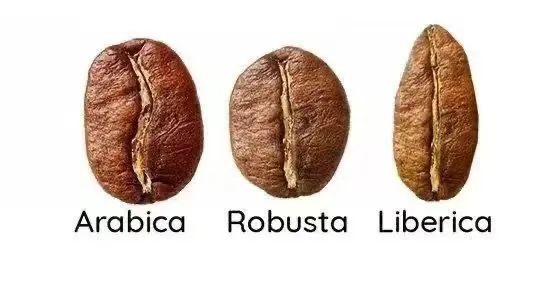
In contrast, Robusta is known for its strong adaptability and high yield. It can grow in low-altitude, hot and humid environments and has far greater resistance to pests and diseases compared to Arabica, making it commonly found in tropical regions such as Vietnam and Indonesia. The caffeine content in Robusta is noticeably higher than that of Arabica, averaging about 2.7%, which is one of the main reasons for its intense bitterness and coarser flavor. Its taste is often described as having a strong smoky note, nutty undertones, and an earthy character. Though not as refined as Arabica, it provides a strong crema and full body when used in espresso or instant coffee, making it an indispensable component in many commercial blends.

As for Liberica, it is the rarest of the three major commercial coffee varieties. Its trees are tall, growing to over 18 meters, and it has special environmental requirements, resulting in low yields, which is why it has never been a mainstream market player. Liberica coffee beans are notably larger in size, often referred to as “elephant beans,” and its flavor profile is also very unique, often featuring strong notes of oak, leather, and herbs. Some even detect a hint of medicinal or spicy tones. Although its flavor presentation is rather polarizing, for those who wish to explore the original diversity of coffee, Liberica undoubtedly offers a distinct sensory experience.
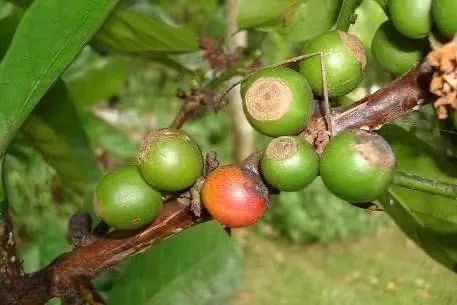
When selecting coffee beans, understanding the basic characteristics of these three major varieties can help you make choices based on your preferred flavor direction. For example, if you prefer bright acidity and fruity-floral notes, Arabica is the obvious choice; if you enjoy bold, full-bodied, and strongly characterful coffee, Robusta might suit your palate better; and for those who are willing to explore different flavor dimensions without being confined to traditional tastes, Liberica offers a completely different sensory journey.
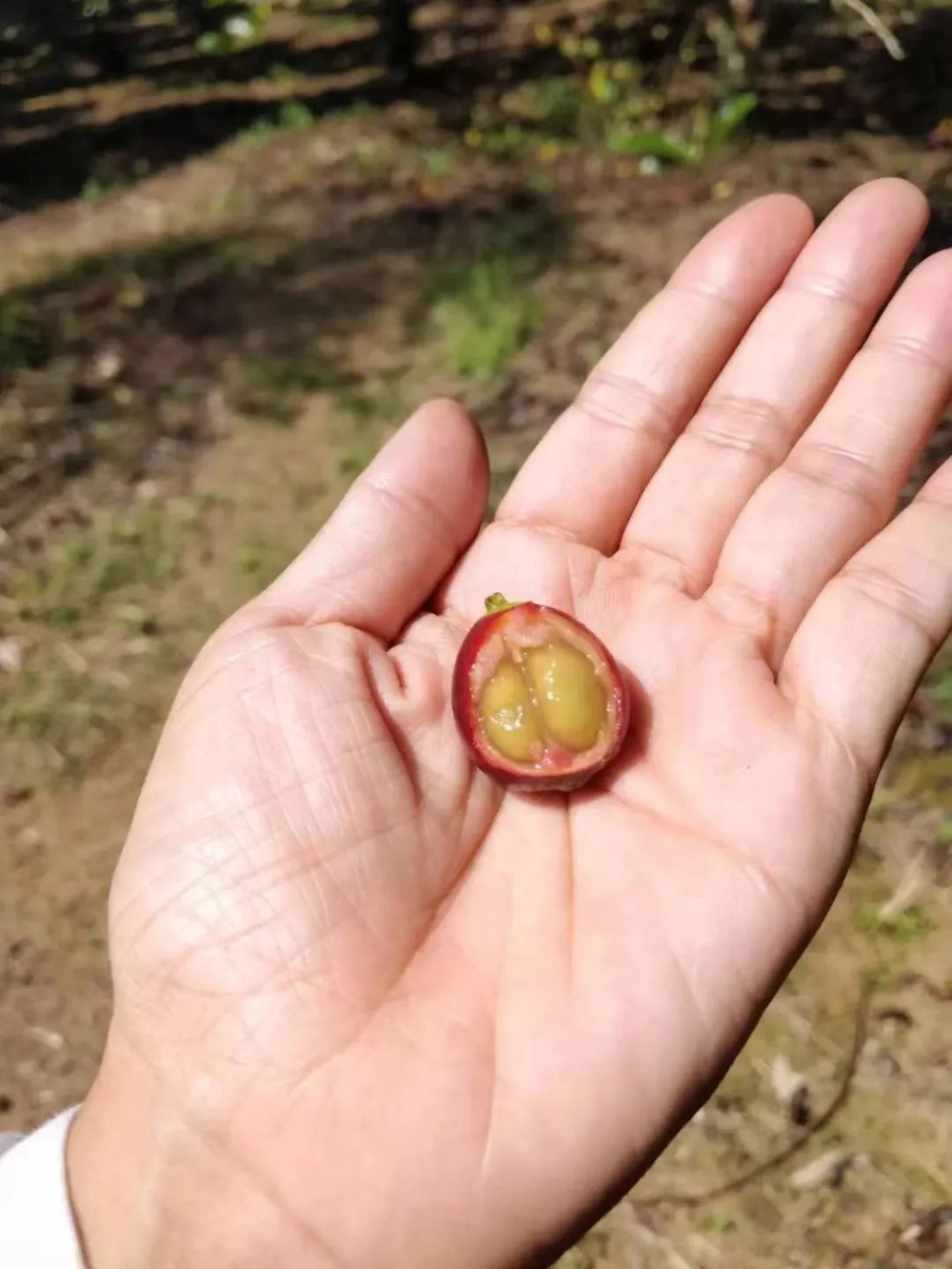
Additionally, different coffee varieties also come with recommendations regarding grind size and extraction methods. For instance, Arabica is suited to finer grinds and brewing methods like pour over, siphon, or French press, which can highlight its delicate flavors; Robusta, due to its bold flavor, can use a slightly coarser grind and be enhanced through espresso machines or moka pots to bring out its rich qualities; Liberica, because of its larger bean size, is recommended to use medium to coarse grinds and benefit from immersion brewing to balance its unique herbal and woody aromatic notes.
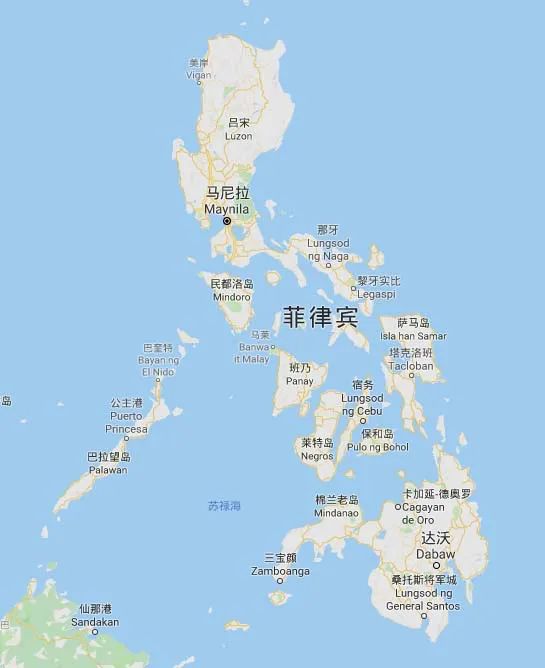
In summary, Arabica, Robusta, and Liberica—these three major commercial coffee varieties—not only represent the backbone of the current global coffee supply chain but also showcase the diverse possibilities of coffee flavors. Whether you are a beginner just starting out or an experienced coffee enthusiast, understanding their origins and characteristics will give you a richer perspective and more accurate judgment when purchasing and enjoying coffee.
The above content is compiled by CoffeeHunters, a coffee news website.


