







Category: Coffee Beans
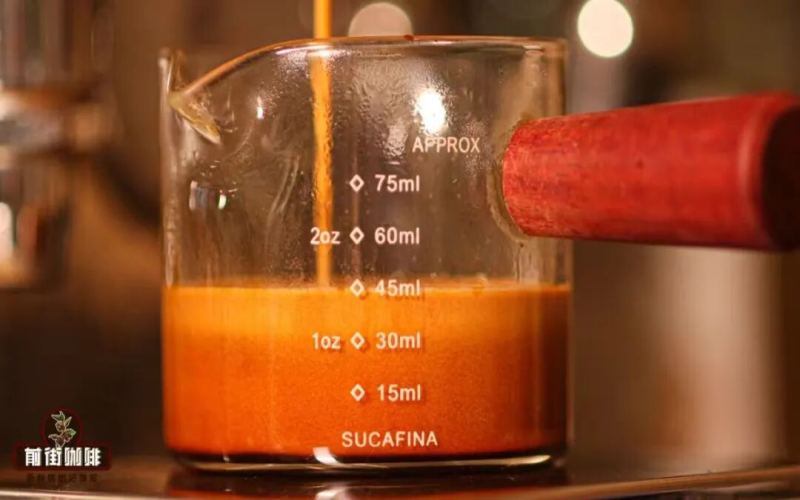
Beginner's Guide to Buying Coffee Beans: Single Origin vs Blend, Roast Level Selection, and Storage Tips
For coffee beginners, selecting coffee beans can be quite confusing: Should you choose Arabica or Robusta? What’s the difference between single-origin and blended beans? How should you decide on the roast level? This article will detail the five key factors in choosing coffee beans, including bean variety, single-origin vs. blends, roast depth, freshness, and grinding methods. It will help you find the most suitable coffee beans based on your drinking preferences and provide practical storage tips to enhance your coffee flavor experience. [more…]
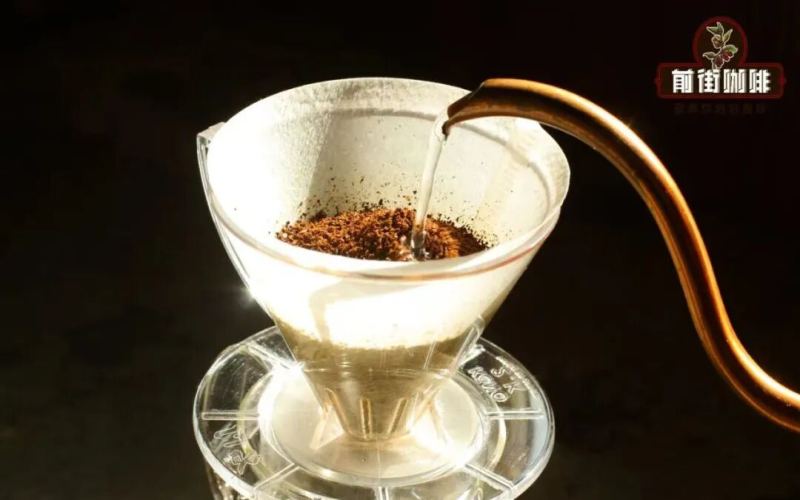
An In-depth Guide to Indonesia’s Wet-Hulled Process | Differences from Washed Process & Flavor Characteristics
Do you know why renowned Indonesian coffee beans like Golden Mandheling mostly use the wet hulling process instead of traditional washed or natural methods? This article delves into the unique steps of the wet hulling process, its key differences from the washed method, and how this technique shapes the coffee's low acidity, full body, and herbal-spicy flavor profile. From processing steps to roasting recommendations, and brewing parameters—master the charm and techniques of wet-hulled beans in every aspect. [more…]
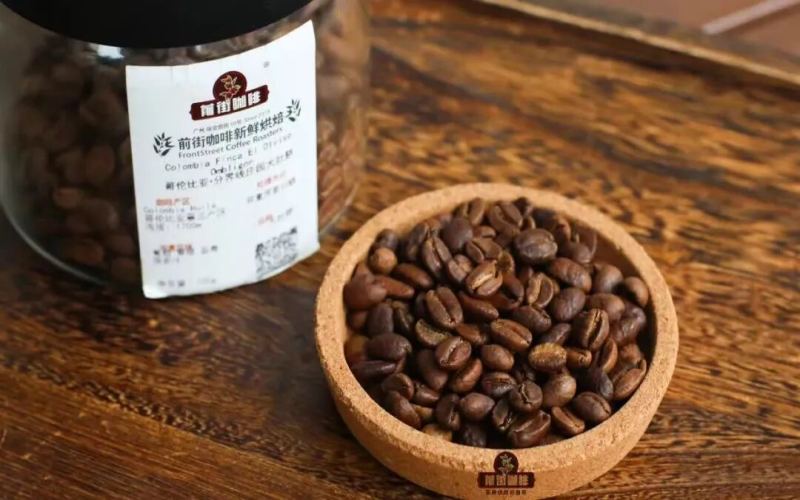
Beginner's Guide to Coffee Specialties: Choosing the Right Beans to Elevate Your Creative Coffee Drinks
Specialty coffee blends are beverages that combine coffee with creative ingredients, offering diverse and playful flavors. But to craft a well-layered and harmonious specialty blend, selecting the right coffee beans is key. This article will analyze which roast levels and processing methods suit different flavor profiles of specialty blends, helping you master the fundamentals of choosing the right beans for your coffee creations. [more…]
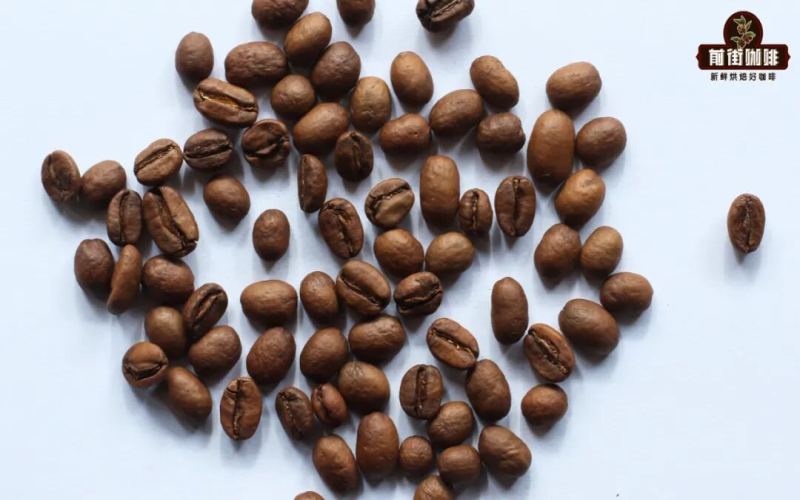
Ethiopian Heirloom Varietal | Analysis of the Reasons for Large Variations in Bean Appearance and Flavor Characteristics
Have you ever received Ethiopian coffee beans and noticed that the beans vary in size with significant differences in appearance, making you suspect defects or mixed beans? In fact, this is a common characteristic of the Heirloom variety. This article delves into why Ethiopian beans have diverse varieties and variable appearances, what Heirloom represents, and how it contributes to unique flavors—helping you better understand how to select and appreciate these treasures from the birthplace of coffee. [more…]
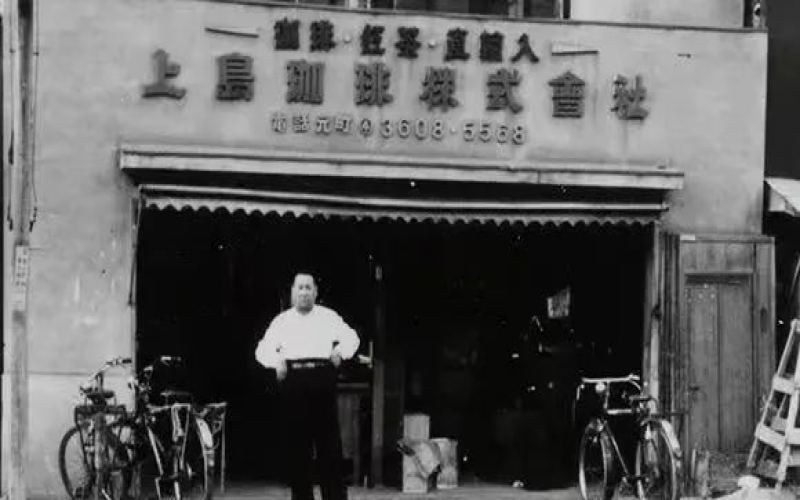
Jamaica Blue Mountain Coffee Flavor Analysis | Washed Processing + Pour Over Parameters + Japanese Connection – A Complete Guide
Jamaica Blue Mountain coffee is hailed as the "Emperor of Coffee," yet many who try it for the first time wonder where its legendary charm lies. This article delves into the historical origins of Blue Mountain coffee, its stringent grading system, the unique island terroir where it’s grown, and how the washed processing method contributes to its balanced and rich flavor. It also shares expert pour over recommendations and the special bond it shares with the Japanese market, giving you a comprehensive understanding of the essence of this legendary coffee bean. [more…]
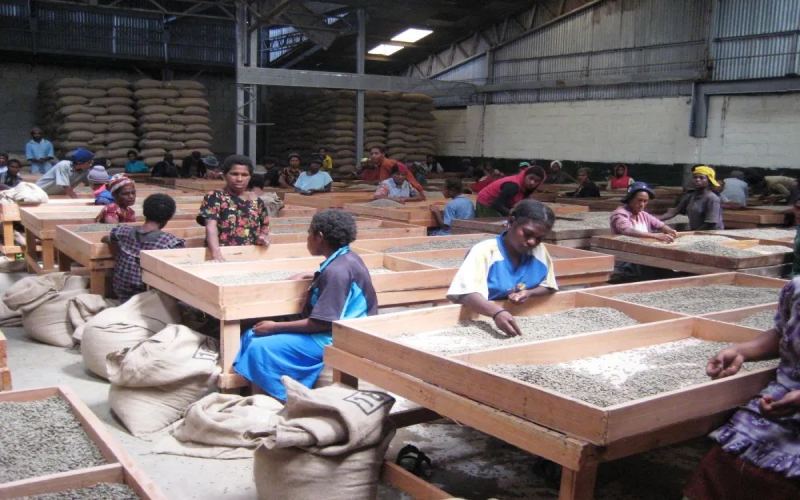
An Analysis of Coffee Bean Grading and Flavors in Papua New Guinea | Beginner’s Guide to SIGRI Paradise Bird Plantation
Want to learn about Papua New Guinea coffee bean grading standards and their distinctive flavor profiles? This in-depth guide introduces the region’s classification system and main producing areas, with a focus on the Paradise Bird coffee from Sigri Estate. From altitude and variety to processing methods, it covers key brewing tips and flavor characteristics—offering valuable insights for both beginners and advanced coffee enthusiasts. [more…]
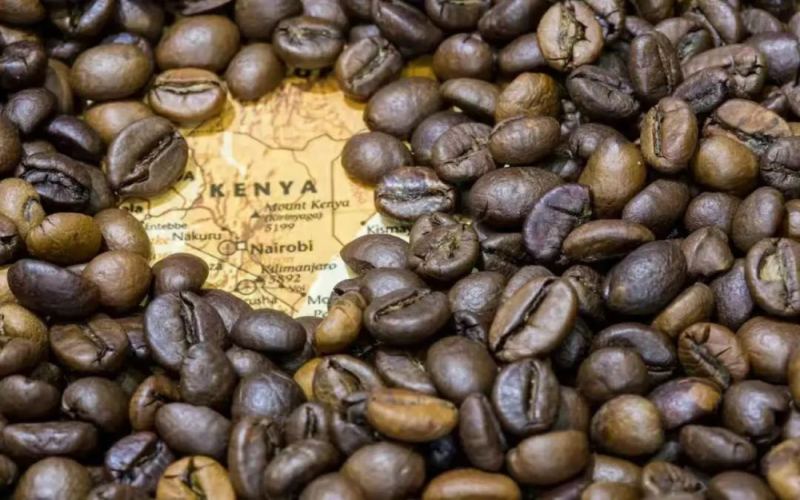
How to Choose Kenyan Coffee Beans? A Complete Analysis of Unique Flavors and Pour Over Parameters
Kenya coffee is renowned for its bright acidity and prominent flavors of small tomatoes and dark plums, but many find it challenging to recreate the same complexity when brewing at home. This article explores the unique flavor profile of Kenya coffee by examining its growing environment, varietal characteristics, and washed processing method. It also provides pour over parameters tailored for the SL28 and SL34 varieties, teaching you how to highlight their vibrant acidity and sweet aftertaste through proper brewing. [more…]
A Comprehensive Guide to Washed Coffee: Processing Methods, Flavor Characteristics, and Pour Over Brewing Tips
The washed processing method is one of the most common green coffee processing techniques in the specialty coffee world. It not only ensures consistent quality but also imparts clear, bright characteristics to the beans. This article delves into the production process of washed coffee, explores its unique flavor profile, and provides practical pour over parameters and techniques to help you fully showcase the layers and citrusy, floral notes of washed beans. [more…]
The Origins of Colombian Coffee | How FNC Pioneered the Global Specialty Bean Supply Chain
Did you know that Colombia is the world’s second-largest producer of Arabica coffee? From the first coffee tree introduced by missionaries in the early 18th century to the globally renowned black chocolate flavor it boasts today—what story lies behind the rise of Colombian coffee? More importantly, how did the FNC (Colombian Coffee Growers Federation), tasked with industry consolidation and global marketing, help this South American nation secure its position as the third-largest coffee exporter in the post-war reconstruction era? This article will take you through the history… [more…]

A Comprehensive Guide to Robusta Coffee Beans: Characteristics, Flavor Differences, and Practical Value
Have you ever wondered why specialty coffee rarely features Robusta beans? This article takes an in-depth look at the unique characteristics of Robusta coffee—from its flavor profile and chemical composition to real-world applications—helping you understand this often misunderstood coffee variety. Beyond uncovering the secrets behind its high caffeine content and bold taste, we also explore its crucial role in Italian espresso blends and the cultivation of new coffee varieties. [more…]
Is Geisha the same variety as Gesha? A comprehensive guide to Yirgacheffe vs. Geisha coffee with brewing recommendations
Geisha (Geisha) coffee is a top-tier variety that has garnered widespread attention in recent years, but its name origin, connection to geisha, and differences from Ethiopia's Yirgacheffe often confuse coffee enthusiasts. This article will delve into the origins of Geisha, its varietal characteristics, distinctions from Yirgacheffe, and explore how different growing regions and processing methods influence flavor. It also provides practical pour over parameters to help you better understand and enjoy these two classic coffees. [more…]
A Complete Guide to Colombia’s Specialty Coffee Regions | Meaning of MAM Label and Flavors of Huila Washed Beans
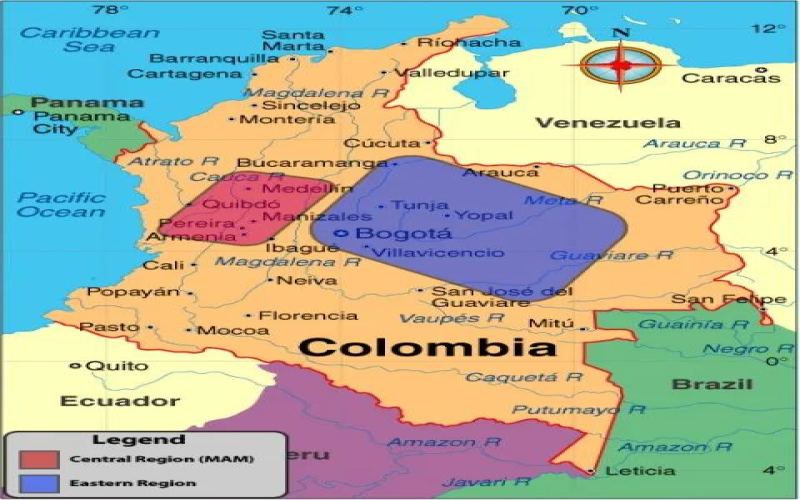
Colombia is the world's second-largest producer of Arabica coffee, renowned for its rich chocolatey flavors. Beyond the commercial-grade MAM regions, its southern areas are home to numerous specialty coffee regions such as Huila and Nariño. This article delves into the characteristics of Colombia’s major coffee-growing regions, unveils the three core zones behind the MAM label, and details the unique flavor profile of Huila’s washed beans along with the optimal brewing parameters—offering you a comprehensive understanding of Colombian coffee from origin to cup. [more…]

Analysis of Italian Blend Coffee Beans | Differences Between Pre-Roast and Post-Roast Blending and Secrets to Flavor Creation
Blended coffee beans are not just a simple mix but the result of combining science and art to create unique flavors that single-origin beans alone cannot achieve. This article delves into why coffee blends are necessary, the differences between pre-roast (生拼) and post-roast (熟拼) blending techniques, and the key factors to consider when blending—helping you master professional blending skills and elevate the overall performance of your coffee. [more…]

The Science and Flavor Profile of Decaffeinated Coffee | Three Bedtime Questions: Premium Grade? Safe?
Many coffee enthusiasts, due to caffeine sensitivity or a desire to reduce intake, turn to decaffeinated coffee. But how is caffeine removed from decaf coffee? Does it still qualify as specialty grade? And does drinking decaf coffee really not affect sleep? This article delves into the history, decaffeination techniques, flavor characteristics, and roasting essentials of decaf coffee, helping readers make more informed choices. [more…]

A Complete Guide to Panama Jade Diamond Mountain Coffee: A Geisha Relative? Sun-Dried Processing and Flavor Characteristics
The Diamond Mountain coffee from Panama's Finca Verde Estate, while not the top-tier Geisha, still boasts exceptional quality and flavor potential. This article takes you in-depth to explore the variety background, growing environment, processing method, and brewing recommendations of Diamond Mountain coffee, and analyzes its connection to Geisha, helping you grasp the unique charm of this medium-to-high altitude natural-processed bean. [more…]
Coffee Bean Recommendations | The Key to Balanced Sweetness and Acidity in Pour Over Coffee: A Comprehensive Guide to Bean Selection and Roast Levels
Have you ever wondered why most pour over coffees today have bright acidity? This article takes an in-depth look at the factors that shape the acidic and bitter flavors of coffee—from roast level and regional characteristics to bean varieties best suited for brewing—to help you understand that acidity is not the only benchmark for good coffee. It also offers purchasing advice and practical brewing references to help you find your ideal coffee beans tailored to your personal taste. [more…]

A Comprehensive Guide to Rwandan Specialty Coffee Beans: Regional Distribution, Red Bourbon Variety, and Washed Processing Flavor Characteristics
As an emerging star in Africa's specialty coffee scene, Rwanda is not only the first African country to host the COE competition but has also cultivated exquisitely delicate Red Bourbon coffees thanks to its high altitudes and washed processing methods. This article will delve into the distribution of Rwanda’s major coffee-growing regions, the characteristics of its primary cultivars, and the unique flavor profile of washed Red Bourbon, taking you on an exploration of the coffee potential of this "heart of Africa". [more…]

Recommended SOE Coffee Beans | How to Choose and Brew for Beginners? Flavor Tuning Tips for SOE Americano and Latte
In recent years, single-origin espresso (SOE) has gradually become the focus of attention among specialty coffee enthusiasts. Compared to traditional blends, SOE can showcase more distinct regional characteristics and processing method flavors. This article will guide you through what SOE is, and from the perspectives of origin, roast level, and processing method, teach you how to choose the right SOE coffee beans, as well as adjust extraction parameters, so you can brew standout SOE Americanos and lattes at home. [more…]
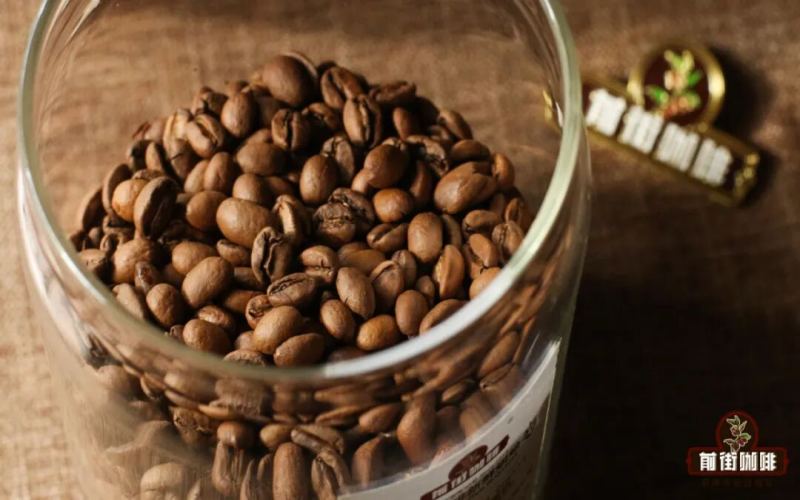
How to identify coffee roast levels? Quickly distinguish light, medium, and dark roast pour over beans by flavor and appearance
Many coffee beginners often struggle when selecting coffee beans because they can't intuitively understand the roast level from the packaging. In fact, in addition to checking the product description, observing the color of the coffee beans, the flavor descriptions, or even the taste after actual brewing can effectively help determine the roast depth. This article will guide you through several practical methods to interpret the differences between light-medium and medium-dark roasts from a beginner's perspective, and provide pour over parameter suggestions to help you more easily choose coffee beans that suit your taste. [more…]
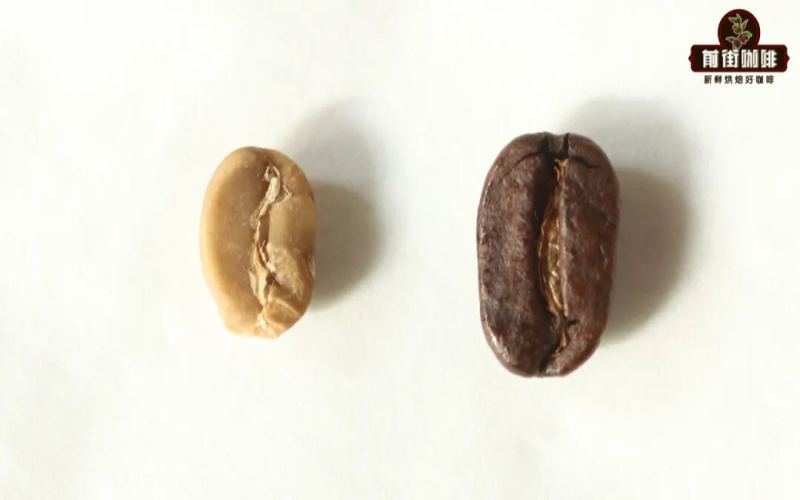
Explanation of Reasons Why Coffee Beans Oils Appear | How Roast Level and Storage Affect Flavor Quality
When coffee beans develop an oily sheen over time, does it mean the quality has deteriorated or that the roast was done properly? Many coffee enthusiasts are puzzled by this. This article delves into the real reasons behind oily coffee beans, analyzing how factors such as roast level, processing methods, and storage influence oil appearance. It helps readers accurately assess the condition of their coffee beans and avoid misunderstandings that could affect their brewing experience. [more…]